
Short Answer
There is an undeniable magic to cacti—they embody resilience, thriving in some of the harshest environments on Earth. Yet, even the most stoic cactus can succumb to the subtle, insidious effects of dehydration. Witnessing a once-vibrant cactus wilt and shrivel is heartbreaking, but despair not! With patience, knowledge, and a bit of TLC, your parched cactus can be coaxed back to life. This comprehensive guide will take you on a captivating journey, exploring the nuances of reviving a dehydrated cactus, from identifying distress signals to rejuvenation methods that breathe vitality into your spiny friend.
Recognizing the Signs of Dehydration
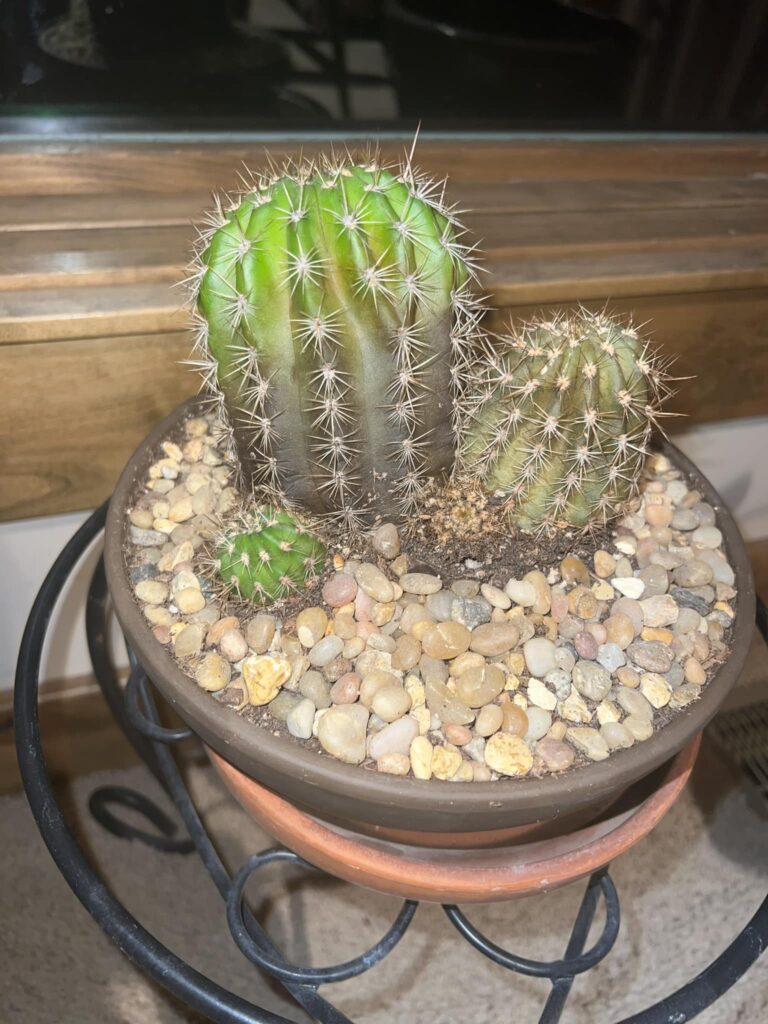
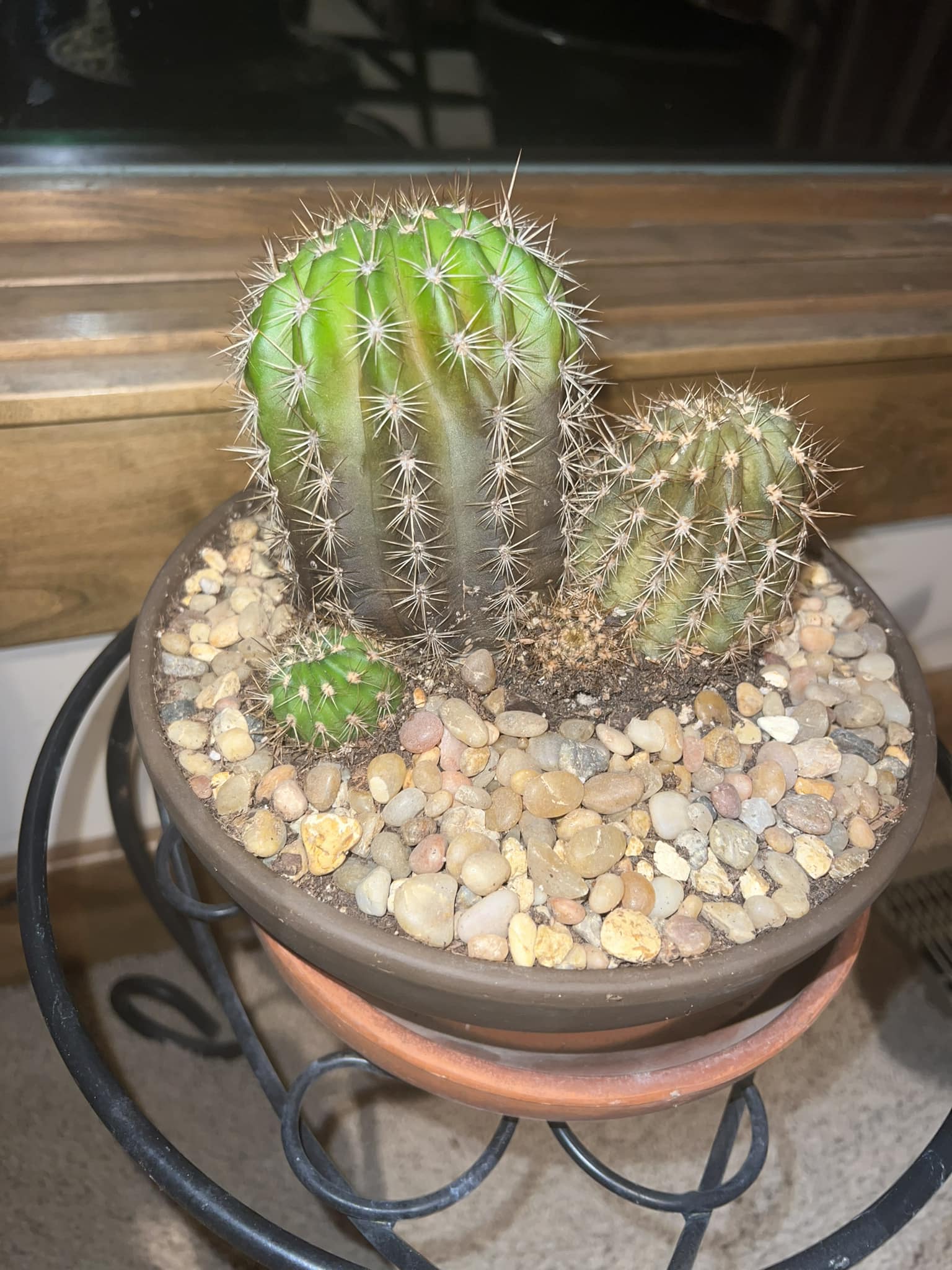
Understanding the subtle language of your cactus is the first step toward revival. Dehydration doesn’t always scream; it whispers through subtle morphological shifts. One of the most conspicuous signs is the shriveling or wrinkling of the outer skin, often accompanied by dullness in color. Unlike rot, which softens tissue, dehydration causes the epidermis to tighten, making the plant appear shriveled especially near the apex and ribs.
Additionally, the cactus may feel lightweight or unusually brittle when handled. The spines might appear thinner or sparse, and sometimes the plant can lean or lose its usual upright stance due to loss of internal turgor pressure. Knowing these manifestations ensures timely intervention before irreversible damage sets in.
Assessing Environmental Stressors
Beyond the plant itself, the environment often holds clues to dehydration causes. Is the cactus exposed to relentless, unfiltered sunlight for extended periods? While cacti are desert dwellers, many species have evolved with natural shading or burrowing habits, so intense exposure can exacerbate moisture loss. On the other hand, indoor cacti placed near heating vents or scrubbed by dry air can experience a slow thirst.
Improper soil composition matters greatly too. Soil that drains too quickly or retains insufficient moisture can deprive roots of access to water, while compacted or mineral-heavy substrates can impair absorption. Pinpointing these stressors allows for strategic adjustments to habitat, setting the stage for recovery.
Proper Hydration Techniques for Revival
Hydrating a dehydrated cactus demands a delicate ballet between providing moisture and avoiding excessive watering, which risks root rot. Initially, soak the soil thoroughly but ensure excess water drains freely—cacti abhor soggy feet. A common technique is to submerge the pot in water just enough to moisten the soil for about 10-20 minutes. This allows the roots to imbibe water gradually.
After this, let the soil dry out completely before the next watering cycle. During early recovery, increase humidity slightly with misting or shallow trays of water nearby, especially in dry indoor settings. However, avoid saturating the cactus tissue directly as this can promote fungal infections.
Optimizing Soil and Pot Selection
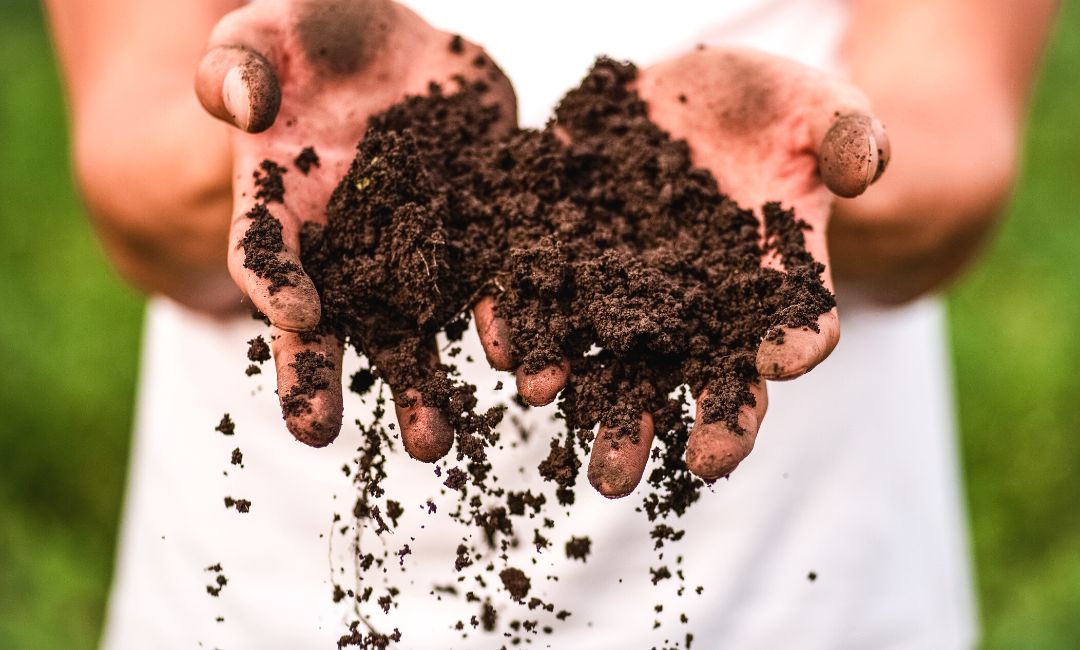
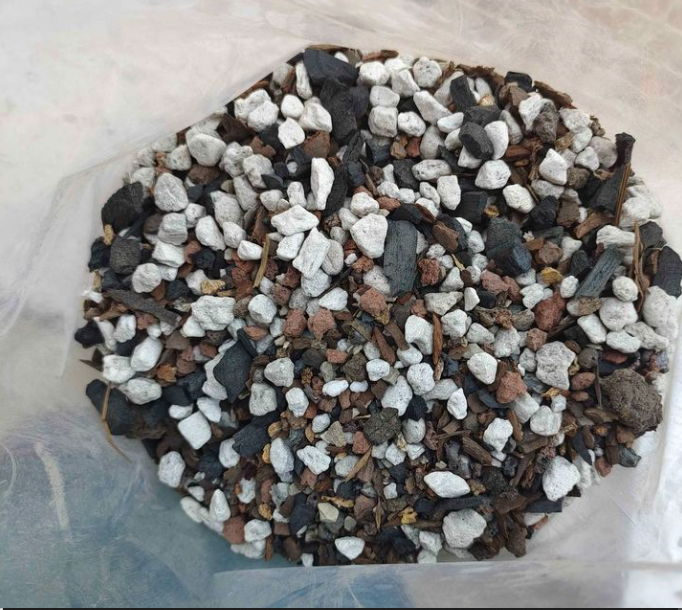
Revival hinges not only on watering but on the foundation your cactus grows in. Fast-draining, aerated soil is imperative. Use cactus or succulent-specific mix blends enriched with coarse sand, perlite, or pumice. This composition prevents waterlogging while facilitating oxygen penetration to roots.
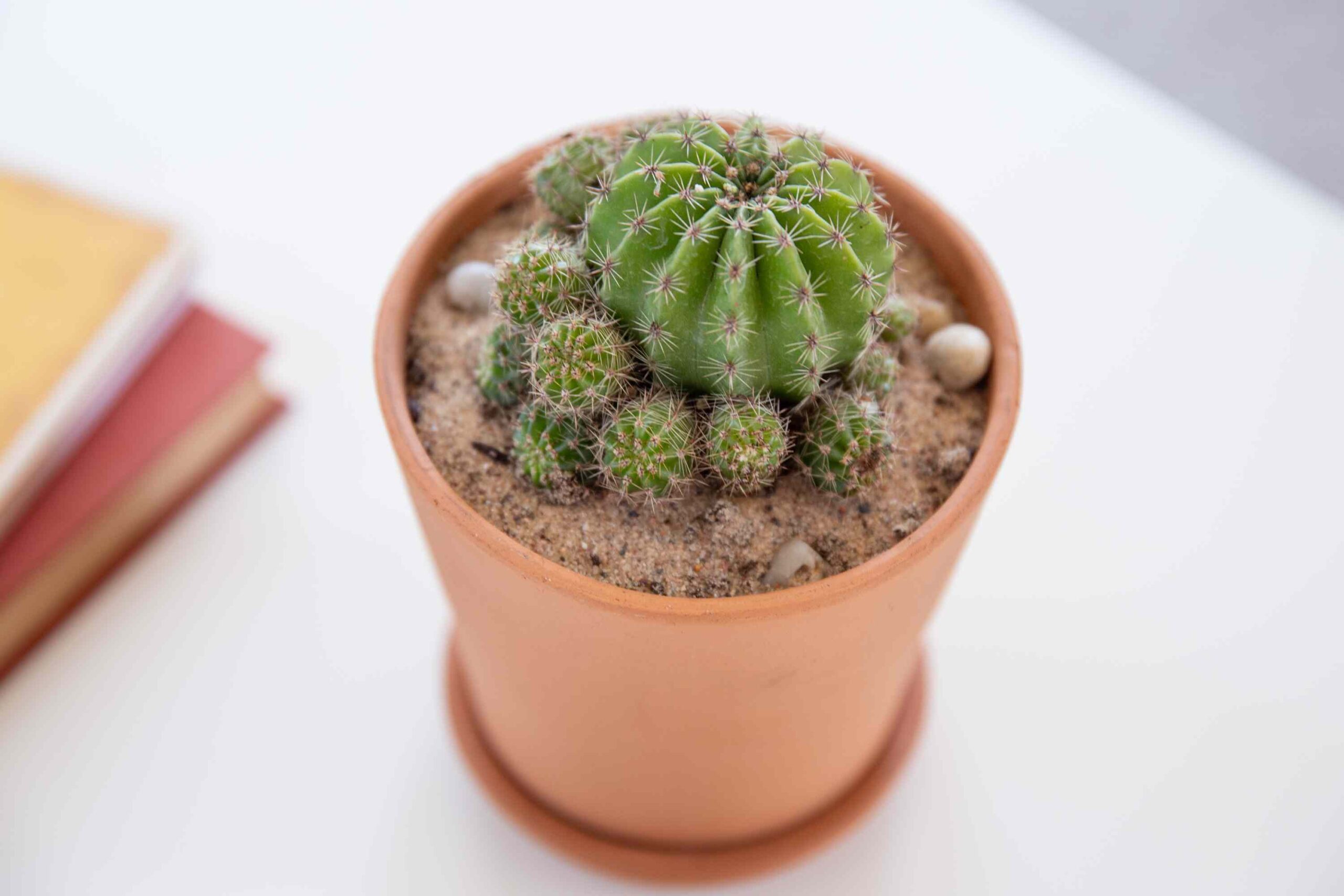
Equally important is pot choice. Terracotta pots, with their natural porosity, allow excess moisture to evaporate, reducing root dampness risk. If choosing plastic or glazed pots, ensure multiple drainage holes are present to allow escape routes for excess water. Repotting during recovery can provide fresh nutrients and stimulate root health but must be done with utmost care to avoid further plant stress.
Light Conditions and Temperature Management
Dehydrated cacti often benefit from moderated light exposure. While these plants are sun lovers, harsh direct sunlight during recovery can exacerbate water loss and cause sunburn on tender tissues. Instead, provide bright but indirect sunlight or filtered light for several hours daily.
Temperature plays a pivotal role as well. Ideal revival temperatures range between 70°F to 85°F (21°C to 29°C). Cooler nights can aid in minimizing water loss but avoid sudden temperature drops that could shock the plant. Balancing warmth without desiccation creates an optimum microclimate for healing.
Utilizing Natural and Chemical Aids
Certain natural treatments can accelerate recovery. A gentle application of seaweed extract or diluted liquid seaweed fertilizers provides micronutrients and growth stimulants that strengthen stressed cacti. Additionally, anti-fungal sprays or neem oil treatments can safeguard against opportunistic infections common in weakened plants.
Be cautious about chemical fertilizers; recovery periods demand subtle nutrient replenishment rather than aggressive feeding. Always dilute inputs and apply sparingly, monitoring your cactus’s response before proceeding further.
Patience and Long-Term Care Considerations
Reviving a dehydrated cactus is as much a psychological journey as a horticultural one. Growth will be gradual; expect weeks or even months for full recovery. Monitor progress vigilantly, observing changes in turgidity and coloration as signs of improvement.
Continued stress avoidance is crucial. Keep watering consistent yet conservative, adjust care techniques seasonally, and watch for pests that may exploit weakened plants. Documenting your care routine and cactus progress can unveil valuable patterns for future reference.
Dealing with Advanced Dehydration and Rot
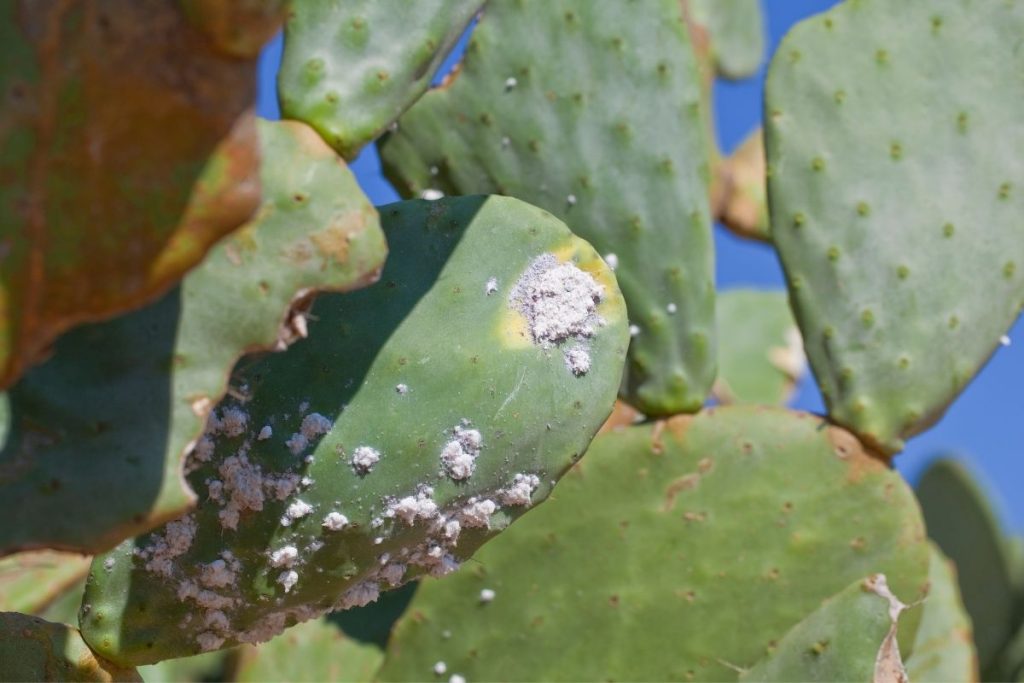
Sometimes dehydration progresses alongside rot, making recovery more complex. In cases where parts of the cactus become mushy, soft, or discolored, you may need to excise the affected tissue. Using sterilized tools, carefully cut away rotted sections, leaving only firm, healthy flesh behind.
Afterward, let the cactus callus over the cut areas for several days in a dry, shaded spot before resuming light watering. This prevents infection and enables healing. For severe cases, propagation from healthy stem or pad cuttings can rescue your cactus lineage even if the main plant cannot be saved.
Conclusion: Embracing the Resilient Spirit of Your Cactus
Restoring a dehydrated cactus demands careful observation, judicious care, and unwavering patience. Each step, from identifying subtle symptoms to nurturing roots and calibrating environmental conditions, weaves together a narrative of revival rooted in respect for nature’s rhythms. By intertwining science with compassionate attentiveness, you nurture not just a plant, but a testament to perseverance and life’s capacity for renewal. Your cactus may stumble, but with informed support, it will rise again, proudly bearing its thirsty wounds like badges of courage.
FAQ
How can I tell if my cactus is dehydrated?
Look for shriveled skin, dull color, lightweight feel, sparse spines, and leaning posture.
What is the best way to water a dehydrated cactus?
Soak the soil thoroughly but avoid waterlogging; let soil dry completely between watering.
Why is soil choice important for a dehydrated cactus?
Proper fast-draining soil prevents waterlogging and helps roots absorb moisture efficiently.
Should I expose my cactus to direct sunlight while it is recovering?
No, direct harsh sunlight can worsen dehydration; use bright indirect light instead.
What should I do if my cactus has rot in addition to dehydration?
Carefully remove rotted tissue, allow the wound to callus, then resume gentle watering.
Leave a Reply