
Short Answer
In the vast, sun-scorched landscapes where the earth meets the sky, a silent sentinel stands—Astrophytum, the star cactus. With its geometric elegance and rugged resilience, this botanical marvel has captivated photographers, artists, and dreamers alike. Astrophytum photography is more than just a visual pursuit; it is a celebration of nature’s artistry, a testament to the beauty that thrives in adversity. Whether you’re a seasoned lens-wielder or an aspiring shutterbug, the star cactus offers a universe of creative possibilities. Let’s embark on a journey through the lens, exploring the myriad ways to capture its stark majesty, delicate blooms, and cosmic allure.
The Geometric Poetry of Astrophytum: Black and White Monochrome Mastery
There is a profound elegance in simplicity, and few subjects embody this truth as profoundly as the Astrophytum in monochrome. The stark contrast between the cactus’s ribbed, angular silhouette and the void of the background creates a visual symphony of light and shadow. Black and white photography strips away the distractions of color, forcing the viewer to engage with the cactus’s innate geometry. The deep ridges, the sharp edges, the almost alien symmetry—each element becomes a brushstroke in a minimalist masterpiece. To capture this, shoot during the golden hours of dawn or dusk, when the low-angle sunlight carves the cactus into sharp relief. Experiment with side lighting to accentuate the ribs, or backlighting to create a halo effect around the spiny crown. The result? A timeless ode to the cactus’s architectural brilliance.
Celestial Choreography: Star Trails and the Cosmic Dance of Astrophytum
Imagine the star cactus standing sentinel beneath a canvas of swirling stardust, its silhouette frozen in time as the heavens perform their nocturnal ballet. Long-exposure astrophotography transforms the cactus into a celestial anchor, grounding the viewer in the vastness of the cosmos. To achieve this, mount your camera on a sturdy tripod and set a wide aperture (f/2.8 or lower) to gather as much light as possible. Use a remote shutter release to avoid vibrations, and set your ISO between 1600 and 3200 to capture the faintest trails. The key is patience—wait for a moonless night, when the Milky Way arcs overhead, and let the cactus’s rigid form contrast with the fluid, ephemeral streaks of light. The longer the exposure, the more the stars will arc across the frame, creating a sense of motion that breathes life into the stillness of the plant.
Floral Alchemy: The Ephemeral Beauty of Astrophytum Blooms
Few sights in the plant kingdom are as breathtaking as an Astrophytum in full, radiant bloom. The flowers, often a luminous yellow or soft pink, unfurl like delicate petals of a cosmic lotus, their centers a burst of golden stamens. Capturing this fleeting beauty requires both timing and technique. Astrophytum blooms for only a few days each year, typically in late spring or early summer, so monitor your cactus closely. Use a macro lens to emphasize the intricate details of the petals, or a wide-angle lens to frame the cactus and its bloom within a broader landscape. Natural light is your best ally—shoot in the soft glow of early morning or late afternoon to avoid harsh shadows. For added drama, experiment with shallow depth of field, blurring the background to make the flower the undeniable focal point. The result is a portrait of transience, a reminder that even the most fleeting moments can be immortalized in pixels.
Textural Contrasts: The Tactile World of Astrophytum
The star cactus is a study in contrasts—not just visually, but tactilely. Its surface is a tapestry of rough, ribbed patterns interspersed with soft, woolly tufts where spines emerge. To convey this tactile richness in photography, focus on close-up compositions that invite the viewer to almost feel the cactus’s texture. Use a macro lens to capture the fine details of the areoles (the woolly spots from which spines grow) or the subtle variations in the ribbing. Play with lighting to highlight the cactus’s three-dimensionality—side lighting will emphasize the ridges, while diffused light will soften the texture. For a surreal twist, try infrared photography, which can render the cactus in an otherworldly, almost ghostly hue, revealing patterns invisible to the naked eye. The goal is to create images that don’t just show the cactus, but make the viewer *feel* it.
Minimalist Landscapes: Astrophytum in the Wild
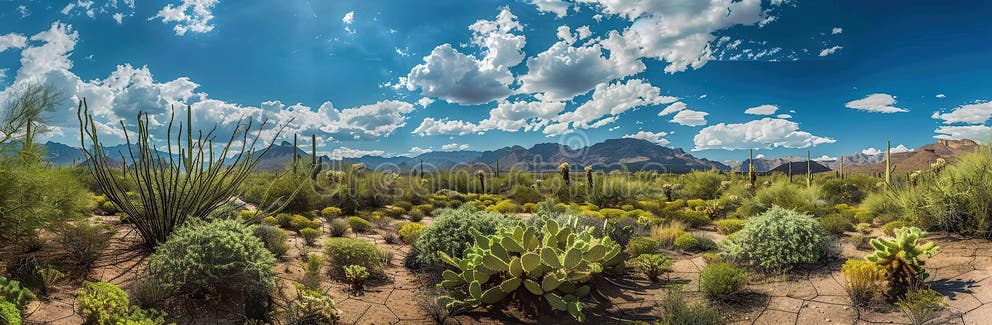
While the star cactus is striking on its own, its true magic often lies in its environment. The arid, rocky terrains of its native habitats—be it the Chihuahuan Desert or the highlands of Mexico—provide a dramatic backdrop that enhances its beauty. To capture this, scout locations where Astrophytum grows naturally, and frame the cactus within the broader landscape. Use a wide-angle lens to emphasize the vastness of the desert, with the cactus as a solitary protagonist in the foreground. For a more intimate perspective, telephoto lenses can compress the scene, making the cactus appear larger than life against the distant mountains. The key is to find balance—let the landscape tell a story, but ensure the cactus remains the undeniable star of the composition.
Abstract Interpretations: Deconstructing the Astrophytum
Photography is not merely about representation; it is about interpretation. The Astrophytum, with its bold geometry and organic imperfections, is a perfect subject for abstract experimentation. Zoom in on a single rib, or isolate a cluster of spines against a blurred background to create a study in lines and shapes. Play with reflections—place the cactus near a mirror or a still body of water to double its impact. Alternatively, use slow shutter speeds to blur the cactus slightly, transforming it into a painterly blur of light and shadow. The goal is to push the boundaries of conventional botanical photography, inviting viewers to see the cactus not as a plant, but as a living sculpture, a fragment of the natural world reimagined through the lens.
Seasonal Transformations: The Ever-Changing Astrophytum
Like all living things, the Astrophytum undergoes a metamorphosis with the seasons. In spring, it bursts into bloom; in summer, it basks in the sun’s relentless gaze; in autumn, its ribs may take on a deeper hue; and in winter, it retreats into a state of quiet dormancy. Documenting these seasonal shifts offers a dynamic narrative of resilience and adaptation. Create a series of images that track the cactus’s journey through the year, using consistent framing to highlight changes in color, texture, and form. This approach not only yields a visually compelling body of work but also underscores the cactus’s enduring presence in an ever-changing world. For photographers, it’s a reminder that beauty is not static—it evolves, just as we do.
Ethical Considerations: Respecting the Subject and Its Habitat
As stewards of the natural world, photographers bear a responsibility to their subjects. When photographing Astrophytum, especially in the wild, tread lightly. Avoid disturbing the cactus or its surroundings—never uproot or damage it for the sake of a shot. Stick to designated paths, and resist the urge to move rocks or clear debris to improve your composition. If you’re photographing cultivated specimens, ensure you have permission to do so, and avoid overcrowding the plant with props or artificial elements. Remember, the goal is to celebrate the cactus’s beauty, not exploit it. By approaching your subject with reverence and mindfulness, you honor both the plant and the art of photography.
FAQ
What makes Astrophytum a unique subject for photography?
Its geometric ribbed patterns, star-like shape, delicate blooms, and natural desert habitat offer diverse and visually striking photographic opportunities.
Can I photograph Astrophytum at night?
Yes, with long-exposure techniques and proper equipment, you can capture star trails and the cactus silhouette against the night sky.
How do I highlight the texture of Astrophytum in photos?
Use close-up shots with macro lenses and side lighting to emphasize ridges, woolly areoles, and spines.
Are there any ethical concerns when photographing wild cacti?
Yes, photographers should avoid damaging plants or habitats, stick to trails, and respect local conservation rules.





Leave a Reply