
Short Answer
Clay balls, also known as Lightweight Expanded Clay Aggregate (LECA), are an increasingly popular medium for plant enthusiasts seeking to enhance their indoor gardening experience. These lightweight, porous spheres offer numerous benefits that not only support plant health but also add a striking visual element to any indoor setting. As you embark on your journey to explore the optimal use of clay balls in plant care, understanding their multifaceted advantages will empower you to make more informed decisions in fostering thriving plant life.
In this guide, we will delve into the benefits of clay balls, their application in different plant arrangements, and tips for maintaining a healthy growth environment.
Understanding the Characteristics of Clay Balls
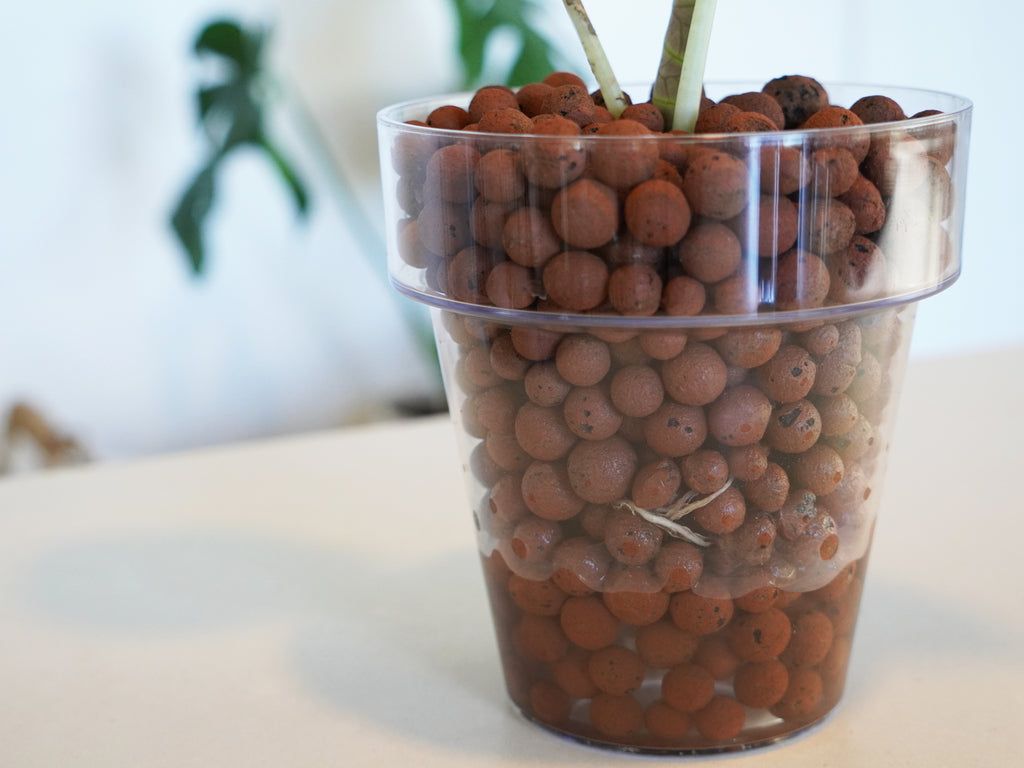
At first glance, the aesthetic appeal of clay balls is evident. Their smooth, round surface and terracotta color make them an attractive addition to any potted plant display. However, their visually pleasing appearance is just the beginning. One of the most intriguing characteristics of clay balls is their exceptional porosity. This property allows them to store moisture while simultaneously providing adequate aeration, which is crucial for healthy root development.
Moreover, these spheres are resistant to bacteria and fungi, creating a healthier ecosystem for your plants. When utilized correctly, clay balls promote drainage, ensuring that excess water is expelled away from the plant’s roots. This is particularly significant for succulent varieties that are susceptible to rot. By creating an optimal moisture balance, clay balls contribute effectively to the overall health of your plants.
The Advantages of Using Clay Balls
Incorporating clay balls into your gardening routine can yield a plethora of benefits that extend beyond simple aesthetics. The lightweight nature of these aggregates makes them particularly advantageous for indoor gardening, where the weight of traditional potting soils can be cumbersome. Clay balls are much lighter, facilitating easier handling and repositioning of pots.
Furthermore, the thermal properties of clay balls cannot be overlooked. They help to maintain an even temperature around the roots of your plants, providing protection during temperature fluctuations. This is especially beneficial in indoor environments where heating and cooling systems can create variable conditions.
In addition to physical benefits, clay balls serve a significant role in ecological harmony. They are an environmentally friendly option, as they are made from natural clay that is expanded using a process that doesn’t involve harmful chemicals. Their longevity also means they can be reused many times, reducing waste and promoting sustainability in your gardening practices.
Employing Clay Balls in Different Arrangements
Clay balls can be utilized in multiple ways to maximize their beneficial properties, supporting a diverse range of plant types. They can be used as a top layer in potted plant arrangements, facilitating efficient drainage and increasing aesthetic appeal by providing a visually pleasing top-dressing. This not only enhances the pot’s overall design but also helps reduce soil erosion and compaction.
For hydroponics or semi-hydroponics systems, clay balls serve as an ideal medium. They can be used as the sole growth medium in containers, especially for epiphytic plants such as orchids or carnivorous plants. The open structure allows for fantastic air circulation around the roots while retaining moisture that can be accessed by the plants as needed.
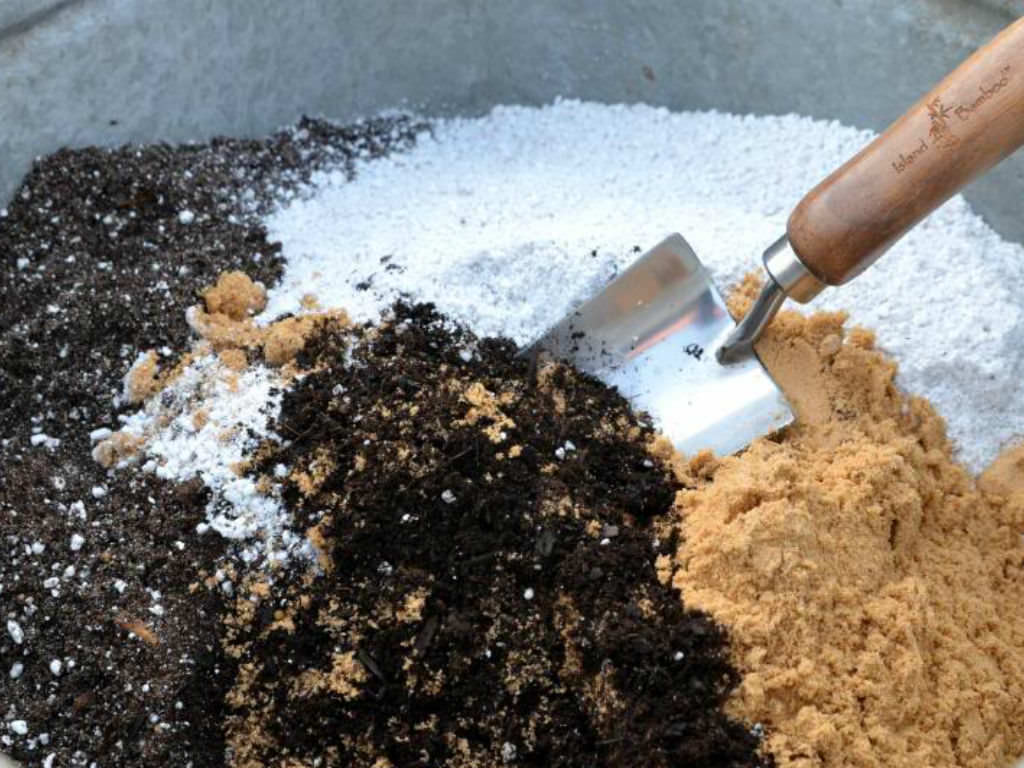
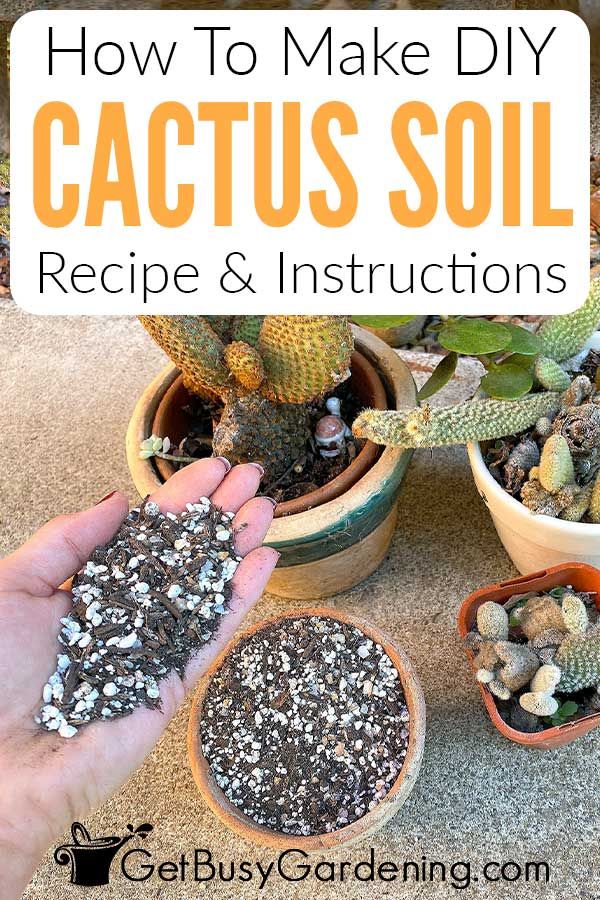
When mixed with traditional potting soil, clay balls can significantly improve drainage. This combination is particularly advantageous for plants that prefer well-draining soil, such as many cactus species and succulents. Since they create space within the soil mix, they enhance aeration and support healthy root growth, which is critical for the vitality of these plants.
Tips for Maintaining Plant Health with Clay Balls
To fully harness the benefits of clay balls, implementing a few basic maintenance strategies can further enhance your success. Regularly monitor the moisture levels in the growing medium. While clay balls retain water, it is essential to ensure that the plants do not become waterlogged. To achieve a balanced moisture level, consider checking the top inch of the medium periodically for dryness.
Additionally, when using clay balls as a top dressing, occasional replenishment may be required due to evaporation or wear over time. This not only keeps your plant’s visual presentation fresh but also readdresses the aeration and drainage potential that clay balls provide.
Regular feeding is crucial when using clay balls, especially in hydroponic setups. Since they do not provide any nutrients on their own, integrating a balanced fertilizer into your watering routine will ensure that your plants receive essential nutrients for robust growth.
In conclusion, incorporating clay balls into your indoor gardening endeavors can transform the way you care for your plants. Their unique characteristics, aesthetic appeal, and versatile applications present an enriching experience for both novice and seasoned gardeners alike. By embracing these lightweight aggregates, you pave the way for a thriving, beautiful indoor flora that flourishes under your attentive care.
FAQ
What are clay balls used for in plant care?
Clay balls are used to improve drainage, aeration, and moisture retention in potting mediums, supporting healthy root growth and preventing root rot.
Can clay balls be used for cactus and succulents?
Yes, clay balls enhance drainage and aeration, making them especially beneficial for cacti and succulents that require well-draining soil.
How do I maintain clay balls in my plant pots?
Regularly check moisture levels to avoid waterlogging, replenish the top layer as needed, and provide balanced fertilization since clay balls do not supply nutrients.
Are clay balls environmentally friendly?
Yes, clay balls are made from natural clay expanded without harmful chemicals and can be reused multiple times, promoting sustainability.
Leave a Reply