
Short Answer
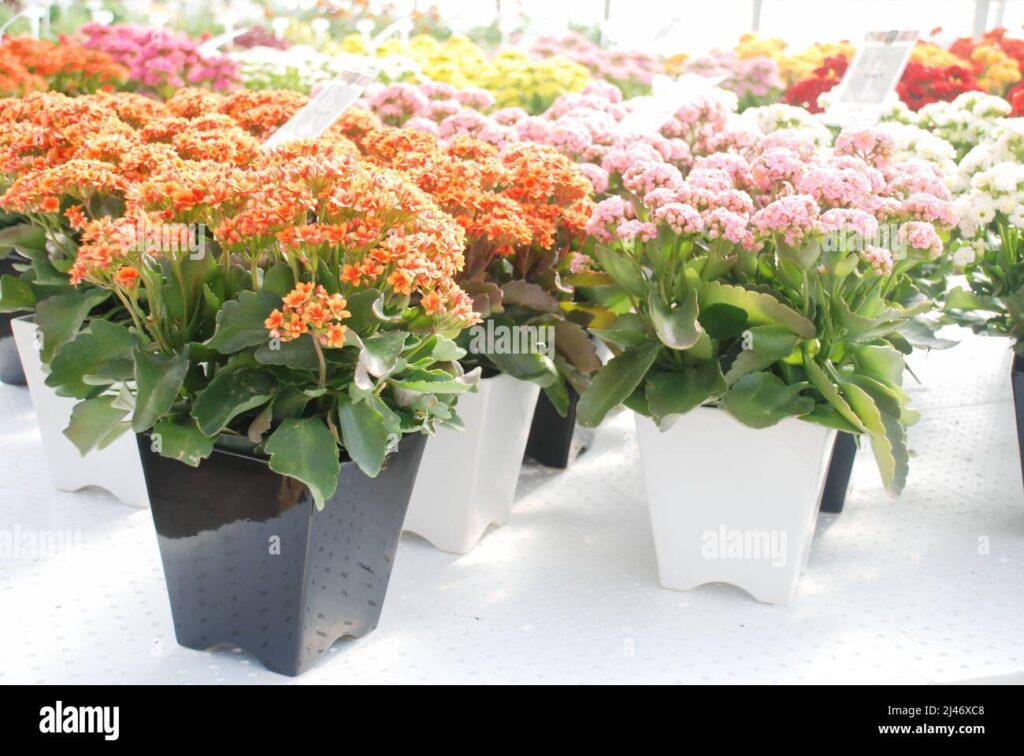
The Kalanchoe plant, scientifically known as Kalanchoe blossfeldiana, has gained immense popularity in households due to its vibrant, multicolored flowers and unique foliage. However, for those who share their living spaces with feline companions, a pertinent question arises: is the Kalanchoe plant safe for cats? Understanding the implications and risks associated with this ornamental plant is essential for pet owners. This comprehensive guide will explore the characteristics of Kalanchoe, its potential toxicity to cats, and practical measures to ensure a safe home environment.
First, it is important to delve into the appealing attributes of the Kalanchoe. This plant boasts lush green leaves with an ornamental appeal and clusters of small, bright flowers that bloom throughout the year under optimal conditions. It is commonly cultivated as a houseplant because of its relatively low maintenance requirements and adaptability to various indoor conditions. The Kalanchoe thrives in well-draining soil, enjoys bright but indirect sunlight, and should be watered judiciously to prevent over-saturation. With these attractive characteristics, one might wonder about any hidden dangers for curious cats drawn to its aesthetic allure.
Understanding Kalanchoe’s Toxicity to Cats
Kalanchoe plants are categorized as potentially toxic to cats. The plant contains compounds known as bufadienolides, which can result in varying degrees of toxicity upon ingestion. The level of toxicity varies, but symptoms can manifest quickly, making it crucial to recognize signs of distress in your feline friends. If a cat ingests any part of the Kalanchoe plant, it may experience symptoms such as vomiting, diarrhea, lethargy, lack of appetite, and, in extreme cases, more severe reactions like cardiac arrhythmias.
While some cats may exhibit mild reactions, others may have a more pronounced sensitivity to these toxins. It is vital to be vigilant about the behaviors of your cats, especially if you notice they are nibbling on plants. Many cats possess a natural instinct to chew on grasses and foliage, so it is not uncommon for them to explore the world of houseplants. Equipping homeowners with knowledge about Kalanchoe’s toxicity can reinforce responsible pet ownership and plant care.
Identifying Risks: Signs of Kalanchoe Poisoning
Awareness of the symptoms associated with Kalanchoe ingestion is crucial for any pet owner. Identifying these signs early can signal the need for immediate veterinary attention. Key indicators of Kalanchoe poisoning in cats include:
- Vomiting: Persistent or repeated actions can point to digestive distress.
- Diarrhea: Loose stools can indicate gastrointestinal irritation.
- Lethargy: A noticeable decline in energy levels can be a warning sign of toxicity.
- Lack of Appetite: If your cat suddenly refuses food, it may indicate an underlying health concern.
- Respiratory Distress: Difficulty breathing or changes in breathing patterns can be severe signs.
- Heart Rate Irregularities: Abnormal heart rhythms warrant urgent medical attention.
If any of these symptoms manifest, it is vital to consult a veterinarian immediately. Prompt intervention is critical in treating toxicity and ensuring the wellbeing of your pet. Remember, while Kalanchoe is a captivating addition to your home, it can pose unknown threats to your beloved cats. Understanding these risks is the first step in safeguarding your pets while enjoying your botanical interests.
Creating a Safe Environment for Cats
To foster a stash of thriving houseplants while keeping your feline friend safe, consider implementing specific strategies to mitigate risks associated with Kalanchoe and other toxic plants. These include:
Plant Placement: Position the Kalanchoe out of reach from your cat’s natural climbing and jumping abilities. Hanging baskets or high shelves can be effective strategies to deter inquisitive pets.
Feline-Friendly Alternatives: Instead of Kalanchoe, consider introducing non-toxic plants into your home. Varieties like spider plants, cat grass, or Boston ferns can add beauty and texture without posing a threat to your pets.
Education: Familiarize yourself with a comprehensive list of plants that are toxic and non-toxic to cats. Resources like the ASPCA provide extensive databases on the safety of various plants.
Behavioral Training: If your cat exhibits a propensity for plant nibbling, employing gentle training techniques can help deter this behavior. Providing alternative play and engagement opportunities can redirect their curiosity.
Conclusion: A Harmonious Coexistence
In summary, while the Kalanchoe plant stands out for its stunning blossoms and ease of care, it is critical to recognize the potential hazards it poses to cats. The bufadienolides contained within the plant can lead to significant health concerns if ingested. As responsible pet owners, maintaining a safe environment for your feline companions is paramount. By understanding the risks, symptoms of poisoning, and preventive measures, you can cultivate an enjoyable sanctuary that respects both your love for plants and the safety of your pets.
By fostering awareness and implementing safety strategies, you can ensure both your Kalanchoe plants and feline friends can coexist happily and healthily in your home.
FAQ
Is Kalanchoe poisonous to cats?
Yes, Kalanchoe contains toxins that can cause serious health issues in cats if ingested.
What should I do if my cat eats Kalanchoe?
Immediately consult a veterinarian if your cat shows symptoms like vomiting or lethargy after ingesting Kalanchoe.
Can I keep Kalanchoe plants if I have cats?
It is best to avoid keeping Kalanchoe within reach of cats or provide safer plant alternatives.
What are some non-toxic plants safe for cats?
Spider plants, cat grass, and Boston ferns are examples of non-toxic plants safe for cats.


Leave a Reply