
Short Answer
When it comes to cultivating unique and resilient houseplants, few choices are as intriguing as the cactus. Renowned for their extraordinary ability to thrive in arid conditions, these plants symbolize endurance and can serve as captivating focal points in any indoor or outdoor space. However, growing a healthy cactus requires much more than simply placing it on a windowsill. This guide will delve into the essential tips for successful cactus care, ensuring that your prickly companion remains both vibrant and visually appealing.
Understanding the Cactus: A Study in Adaptation and Beauty
Cacti are succulents belonging to the family Cactaceae, which encompasses a wide variety of species exhibiting vastly different shapes and sizes. Their unique moisture-storing capabilities enable them to survive in environments that would challenge many other plants. This adaptation is primarily due to specialized structures, such as thick, fleshy stems and a waxy outer layer that minimizes water loss. Beyond their resilience, the aesthetic allure of cacti lies in their often whimsical forms and striking blooms. When cared for properly, these plants can transform a mundane space into an oasis of sophistication.
Choosing the Right Cactus: Profile of Popular Varieties
The first step in successful cactus care is selecting the appropriate species that aligns with your aesthetic preferences and care capabilities. Various types of cacti offer diverse textures, colors, and shapes:
– **Saguaro (Carnegiea gigantea)**: Iconic for its towering stature, the saguaro can grow to be several feet tall. Its iconic silhouette is often associated with the American Southwest, making it a fascinating conversation starter.
– **Easter Lily Cactus (Echinopsis),** renowned for its stunning nocturnal flowers, produces large, aromatic blooms that can add a touch of magic to any setting when they open under the moonlight.
– **Barrel Cactus (Ferocactus)**: Known for its spherical shape and ribbed surface, the barrel cactus serves as a visually interesting addition to rock gardens or desert-themed displays.
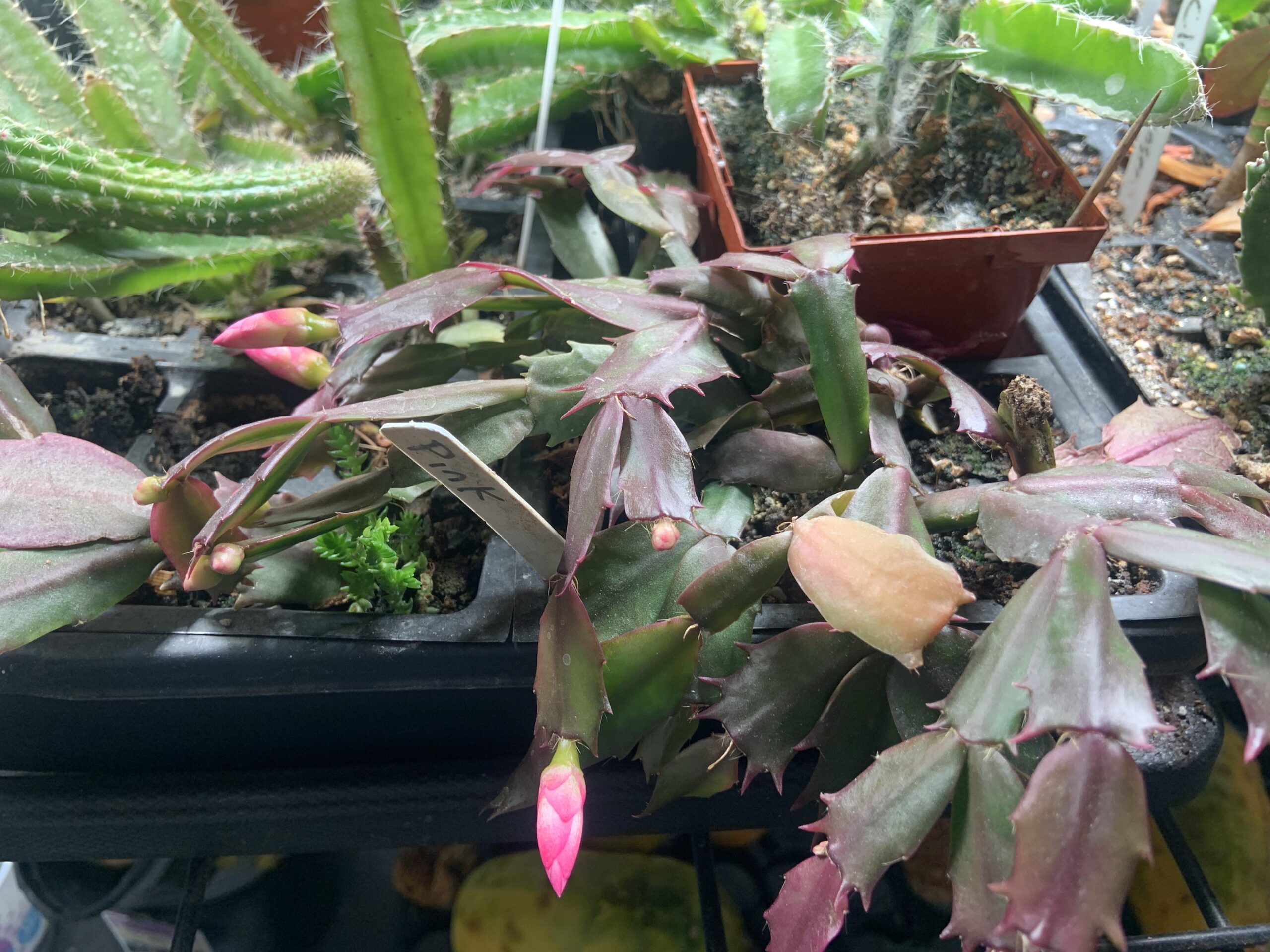
– **Christmas Cactus (Schlumbergera)**: Not a classic desert cactus, this variety is appreciated for its vibrant, tubular flowers that bloom in the winter months, providing a splash of color when most other plants are dormant.
Understanding the Differences: Indoor vs. Outdoor Cactus Care
While cacti can be grown both indoors and outdoors, their care requirements can differ significantly depending on their environment of choice. Indoor cacti generally require a carefully controlled setting, while outdoor varieties benefit from full sun exposure.
– **Indoor Cacti:** For indoor cacti, select locations with ample indirect sunlight. South or west-facing windows are optimal, but caution is necessary during the hottest hours. Overexposure can scorch the plant’s surface.
Temperature fluctuations must also be taken into account. Most cacti prefer warmer temperatures ranging from 60°F to 80°F. During the winter, if indoor temperatures drop, a cooler resting period mimics their natural habitat and promotes healthy growth.
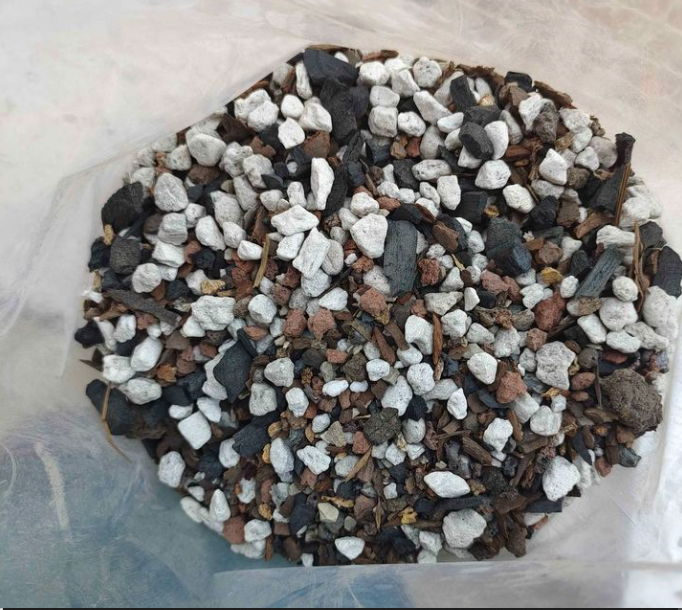
– **Outdoor Cacti**: An outdoor cactus garden should ensure maximum sun exposure; a south-facing garden is ideal. Drainage is paramount, so it’s crucial to plant them in sandy or gravel-rich soil that prevents standing water, which can lead to root rot.
Watering Wisdom: The Art of Hydration
Watering cacti is a nuanced exercise, reflecting the delicate balance between hydration and desiccation. The unique physiology of cacti allows them to go extended periods without water. Therefore, establishing a schedule is critical.
During the growing season, which commonly spans spring and summer, a thorough watering every two to three weeks may suffice. Monitor the soil; it should be allowed to dry out to a depth of approximately two inches before re-watering. As winter approaches, reduce watering frequency to once a month or even longer, depending on your indoor climate.
Common Mistakes: Avoiding the Pitfalls of Cactus Care
Caring for cacti is often rife with misconceptions that can lead to their demise. Beginners may inadvertently make a few common blunders:
– **Overwatering**: This is the most prevalent error. Cacti do not require constant moisture; rather, they thrive in dry conditions. Always err on the side of underwatering.
– **Insufficient Light**: Cacti are sun-worshippers. Insufficient light can result in etiolated growth, where the cactus stretches toward the light source, producing an unappealing appearance.
– **Neglecting Fertilization**: While cacti thrive on neglect in terms of watering, they do benefit from a well-balanced fertilizer during the growing season. Utilizing a diluted, water-soluble fertilizer formulated for succulents can promote vibrant growth and flowering.
Create Your Cactus Paradise: Aesthetic Arrangements
Finally, the joy of growing cacti extends beyond their care; the opportunity to create an aesthetically pleasing arrangement can be a rewarding experience. Consider various sizes, shapes, and colors to achieve visual appeal.
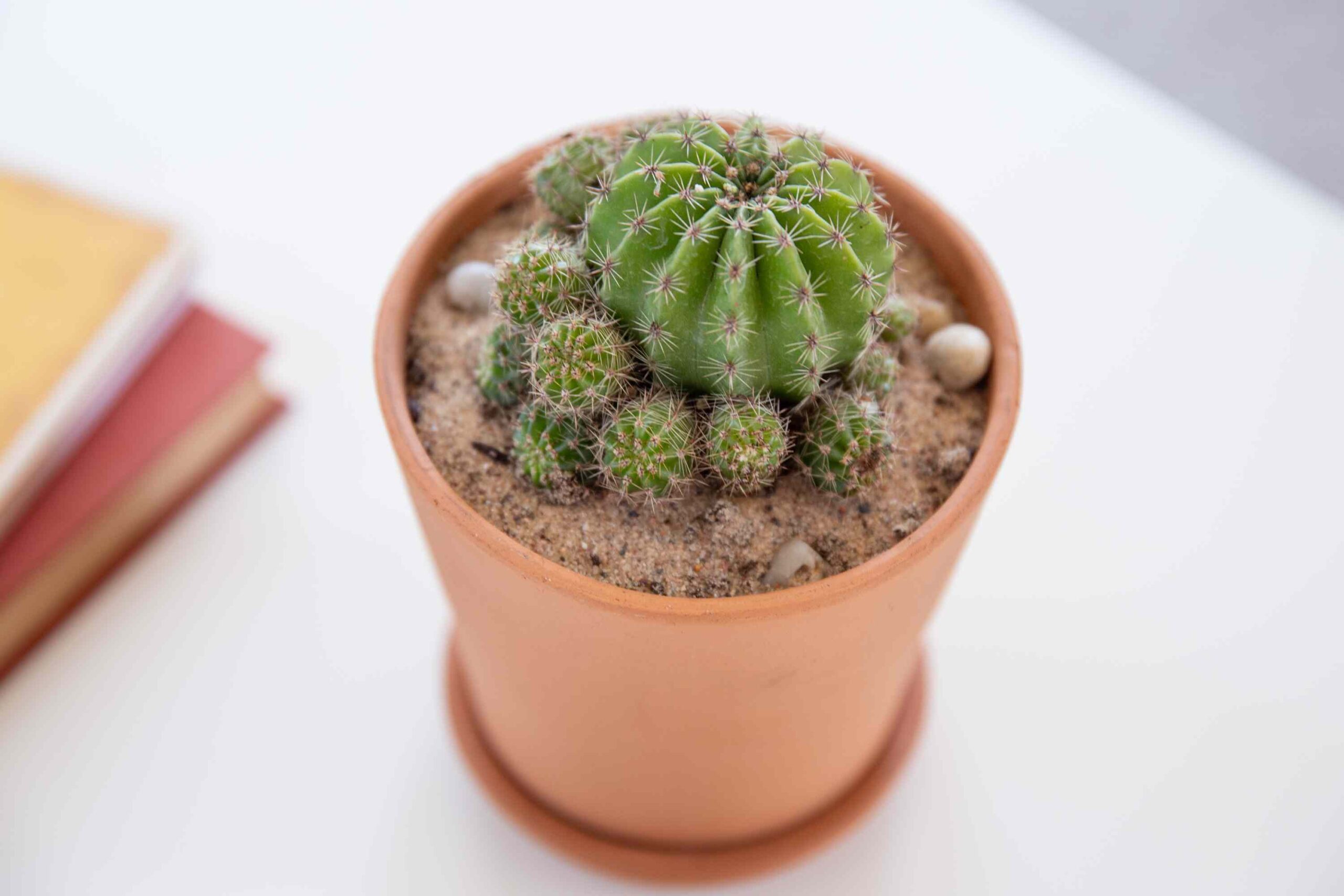
Utilizing decorative pots can enhance the overall presentation. Choose containers that complement the environment, whether minimalist ceramics or rustic terracotta. Arranging cacti at varying heights can add depth and intrigue to the display.
Throw in some accent stones or decorative gravel for additional texture, thereby mimicking their natural habitat. These thoughtful arrangements will not only showcase the cactus but have the potential to become the centerpiece of any room or garden.
In conclusion, growing a cactus can be a fulfilling venture that merges beauty with resilience. With the right knowledge and care, these fascinating plants can bring a slice of nature’s wonder into your home or garden, fostering a connection to the rugged beauty of the desert.
FAQ
How often should I water my cactus?
Water your cactus every two to three weeks during the growing season, allowing the soil to dry to about two inches deep before watering again. In winter, reduce watering to once a month or less.
What is the best light condition for indoor cacti?
Indoor cacti thrive best in locations with ample indirect sunlight, such as south or west-facing windows, avoiding harsh midday sun to prevent scorching.
Can I grow cacti both indoors and outdoors?
Yes, but indoor and outdoor cacti have different care requirements. Indoor cacti need controlled light and temperature, while outdoor cacti require full sun and well-draining soil.
What are common mistakes to avoid when caring for cacti?
The most common mistakes include overwatering, insufficient light, and neglecting fertilization during the growing season.
Which cactus varieties are best for beginners?
Varieties like Barrel Cactus and Christmas Cactus are often recommended for beginners due to their resilience and easier care requirements.
Leave a Reply