
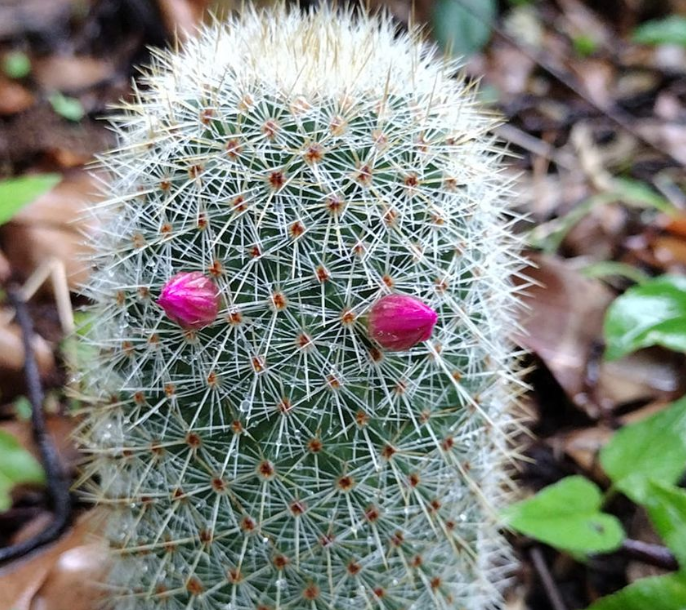
Short Answer
Imagine a plant so resilient, so effortlessly charming, that it thrives where others wither—on sunbaked windowsills, in arid corners of your home, or even as a solitary sentinel on a desert mesa. The pincushion cactus, a member of the Mammillaria genus, isn’t just another houseplant; it’s a living paradox. Soft to the touch yet armed with delicate spines, it blooms in a riot of color when least expected, defying the very notion that cacti are prickly and unapproachable. If you’ve ever dismissed succulents as high-maintenance divas, prepare to have your perspective shattered. This guide isn’t just about keeping a cactus alive—it’s about unlocking a relationship with a plant that rewards patience, curiosity, and a touch of audacity.
The Deceptive Simplicity of the Pincushion Cactus: Why It’s Not Your Average Houseplant
At first glance, the Mammillaria species—with its spherical or cylindrical form and dense clusters of spines—might seem like a minimalist’s dream: low water, low fuss, low expectations. But this is where the deception begins. Beneath its stoic exterior lies a botanical marvel, one that thrives on neglect yet rewards attention with unexpected bursts of floral extravagance. Unlike its more dramatic cousins, the saguaro or barrel cactus, the pincushion cactus doesn’t demand a desert habitat to flourish. In fact, many species are native to the high-altitude regions of Mexico and the southwestern United States, where they endure temperature swings that would leave tropical plants gasping. This adaptability makes it the perfect candidate for beginners, but also a canvas for experimentation for seasoned plant whisperers.
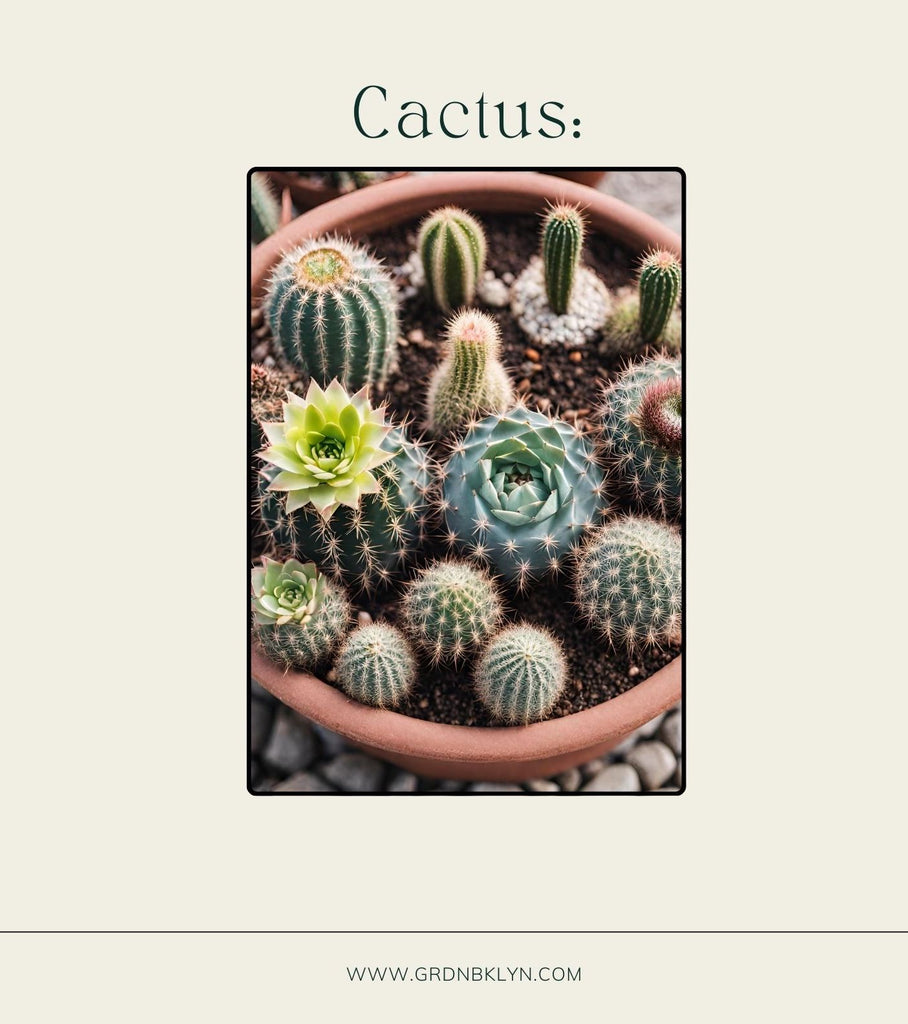
The key to its charm? A compact size that belies its resilience. Most Mammillaria varieties stay under six inches in diameter, making them ideal for terrariums, dish gardens, or even a cluster of them arranged like a miniature desert tableau. Their spines aren’t just for show—they’re a defense mechanism, a way to conserve moisture, and, in some species, a dazzling display of colors ranging from ivory to deep crimson. To grow one is to invite a piece of the wild into your home, but with the added bonus of not needing to uproot your life to move to the Mojave.
Choosing Your First Pincushion: A Guide to Species That Won’t Leave You in the Dust
Not all Mammillaria are created equal. Some are as easy as a Sunday morning, while others will test your mettle with finicky demands. If you’re dipping your toes into the world of cactus care, start with species that are forgiving, fast-growing, and visually striking. The Mammillaria elongata, or “golden stars” cactus, is a crowd-pleaser with its slender, cylindrical stems and golden spines that catch the light like tiny beacons. It’s also one of the most tolerant of beginner mistakes, forgiving occasional overwatering and low light.
For those who crave drama, the Mammillaria hahniana, or “old lady cactus,” delivers with its dense, white hair-like spines that obscure its body entirely, giving it a cloud-like appearance. It’s a slow grower but a showstopper in any collection. Meanwhile, the Mammillaria zeilmanniana—with its vibrant pink flowers that erupt from the crown like fireworks—is a testament to the fact that even the smallest cacti can pack a punch. Avoid the temptation of rare or hybrid varieties as your first purchase; their needs can be as unpredictable as a desert storm.
When selecting your pincushion, look for specimens with firm, unblemished bodies and no signs of rot (soft spots or discoloration). A healthy cactus should feel heavy for its size—an indication of stored water and vitality. If the spines are slightly flattened or the body appears shriveled, it’s a red flag that the plant has been stressed. Remember, you’re not just buying a plant; you’re adopting a tiny, spiky ecosystem into your home.
The Art of Substrate: Crafting a Home That Mimics the Desert’s Cruelty (In the Best Way)
If you’ve ever tried growing a cactus in standard potting soil, you’ve likely witnessed the slow, inevitable decline of your plant as it drowns in moisture. The pincushion cactus, like all its kin, demands a substrate that drains faster than a sieve in a monsoon. The ideal mix is a blend of coarse sand, perlite, and a high-quality cactus or succulent soil. Think of it as a gourmet meal for your plant: the sand provides grit, the perlite adds aeration, and the soil offers just enough organic matter to keep the roots from starving.
Avoid peat-heavy mixes, which retain too much water and can lead to root rot—a silent killer in the cactus world. Instead, opt for a mix that’s at least 50% inorganic. You can purchase pre-made cactus soil, but for the truly dedicated, creating your own blend is a rewarding exercise. A classic recipe includes equal parts of coarse sand, perlite, and a base of either coconut coir or a well-aged compost. The goal is to replicate the rocky, nutrient-poor soils of the desert, where water drains away almost as quickly as it arrives.
For an added layer of protection, consider planting your pincushion in a terracotta pot. Terracotta’s porous nature allows excess moisture to evaporate, keeping the roots dry and happy. Just ensure the pot has drainage holes—no exceptions. If you’re feeling adventurous, try growing your cactus in a hypertufa pot or even a repurposed container like a tin can or a wooden box lined with landscape fabric. The possibilities are as endless as your imagination, but the rule remains the same: when in doubt, prioritize drainage over aesthetics.
Light: The Delicate Balancing Act Between Sunburn and Etiolation
Light is the lifeblood of the pincushion cactus, but like a vampire, it can’t tolerate too much direct exposure—or too little. The sweet spot lies in bright, indirect light, where the plant can photosynthesize without risking sunburn. A south-facing window is ideal, but if your home lacks natural light, a grow light can step in as a reliable substitute. The key is consistency. Sudden changes in light intensity—whether from moving the plant outdoors or switching to a grow light—can cause stress, leading to discoloration or stunted growth.
Watch for signs that your cactus is unhappy with its light conditions. If the spines are elongated and sparse, it’s stretching toward the light—a condition known as etiolation. Conversely, if the body appears bleached or yellowed, it’s likely getting too much direct sun. The pincushion cactus thrives in temperatures between 70°F and 100°F during the day, with a slight drop at night. If you’re growing it outdoors in warmer climates, provide afternoon shade to prevent scorching. Indoors, a sheer curtain can diffuse harsh sunlight and protect your plant from becoming a crispy critter.
Seasonal adjustments are crucial. In winter, when days are shorter, supplement natural light with a grow light for 12–14 hours a day. This mimics the longer days of spring and summer, encouraging healthy growth and, eventually, flowering. Remember, light isn’t just about survival—it’s about thriving. A well-lit pincushion cactus will reward you with vibrant spines, robust health, and the occasional floral spectacle.
Watering: The Counterintuitive Dance of Less Is More
If you’ve ever killed a cactus by overwatering, you’re not alone. The pincushion cactus, like all desert dwellers, has evolved to survive on sporadic rainfall and prolonged drought. Watering it too frequently is the fastest way to send it to an early grave. The rule of thumb? Water only when the soil is completely dry. This could mean watering every two to three weeks in summer, or as infrequently as once a month in winter. The key is to observe, not adhere to a rigid schedule.
When you do water, do it thoroughly. Saturate the soil until water runs out of the drainage holes, then allow it to dry completely before watering again. This mimics the desert’s occasional downpours, where water is either absorbed quickly or evaporates under the scorching sun. Never let your pincushion sit in a saucer of water—this is a one-way ticket to root rot. If you’re unsure whether it’s time to water, err on the side of caution. A slightly thirsty cactus is far healthier than a drowned one.
Humidity is another factor to consider. The pincushion cactus hails from arid environments, so it despises high humidity. If your home is damp, ensure there’s adequate airflow around the plant. A small fan on a low setting can help prevent moisture buildup, but avoid directing it straight at the cactus, as this can cause stress. In winter, when indoor air tends to be dry, a light misting every few weeks can provide relief, but only if the plant is actively growing. During dormancy, skip the misting entirely.
Feeding the Beast: Fertilizer as a Luxury, Not a Necessity
Fertilizer is the cactus equivalent of a gourmet meal—a treat, not a staple. The pincushion cactus grows slowly, and its nutritional needs are minimal. Over-fertilizing can lead to weak, elongated growth or even burn the roots. If you choose to fertilize, do so sparingly, using a balanced, water-soluble fertilizer diluted to half strength. Apply it only during the growing season—spring and summer—and never in winter, when the plant is dormant.
A better approach is to focus on soil quality. A well-draining mix with a touch of organic matter will provide enough nutrients to keep your cactus happy without the need for frequent feeding. If you’re repotting your pincushion every two to three years, you can skip fertilizer altogether. The fresh soil will replenish any lost nutrients, and the plant will continue to thrive. Think of fertilizer as a bonus, not a requirement. Your cactus doesn’t need it to survive—it needs it to flourish.
If you’re growing your pincushion in a terrarium or a closed container, avoid fertilizing entirely. The closed environment recycles nutrients, and adding more can lead to an imbalance. Instead, focus on providing the right light, temperature, and occasional fresh air to keep your plant in top form. Remember, the goal isn’t to force rapid growth but to cultivate a healthy, resilient specimen that will reward you with years of beauty.
The Floral Finale: Coaxing Your Pincushion to Bloom
There’s something almost magical about a pincushion cactus in bloom. After months of patient care, a single ring of flowers erupts from the crown, transforming the spiky orb into a crown of delicate petals. But blooming doesn’t happen by accident—it’s the result of meeting the plant’s needs year-round. The first step is ensuring your cactus is mature enough to flower. Most Mammillaria species need at least three to five years before they’re ready to produce buds. If your plant is younger, don’t despair; focus on providing optimal conditions, and the flowers will come in time.
Light is the most critical factor in encouraging blooming. A cactus that’s been etiolated or kept in low light will prioritize survival over reproduction. To trigger flowering, move your pincushion to a bright location with at least six hours of direct sunlight daily. In winter, supplement with a grow light to maintain consistent light levels. Temperature fluctuations can also play a role. A slight drop in temperature at night, mimicking the desert’s natural cycles, can signal to the plant that it’s time to flower.
Once buds appear, resist the urge to move the plant. Even slight disturbances can cause the buds to abort. Keep the soil slightly drier than usual to prevent rot, and avoid fertilizing until after the flowers fade. The blooms themselves are fleeting—lasting anywhere from a few days to a couple of weeks—but their memory will linger long after the petals drop. Some species, like the Mammillaria bocasana, produce offsets (pups) after flowering, giving you even more of these enchanting plants to care for.
The true joy of growing a pincushion cactus isn’t just in the blooms, but in the relationship you cultivate with it. It’s a plant that demands little but gives so much in return: resilience, beauty, and a quiet reminder that even the smallest creatures can thrive in the harshest of environments. If you’ve ever felt intimidated by the world of cacti, let the pincushion be your guide. It’s not just a plant—it’s a teacher, a companion, and a living testament to the power of adaptation.
FAQ
What makes Mammillaria cacti suitable for beginners?
They are adaptable, low-maintenance, and tolerate occasional neglect while rewarding with colorful blooms.
How do I choose a healthy pincushion cactus?
Select cacti with firm, unblemished bodies, no signs of rot, and spines that are not flattened or discolored.
Why is drainage important for Mammillaria care?
Proper drainage prevents root rot by ensuring excess water does not remain around the roots.
Can I use grow lights for my Mammillaria cactus?
Yes, grow lights can supplement natural light especially during winter or in low-light indoor environments.
What pots are recommended for growing pincushion cacti?
Terracotta pots with drainage holes are ideal due to their porous nature that helps evaporate excess moisture.


Leave a Reply