
Short Answer
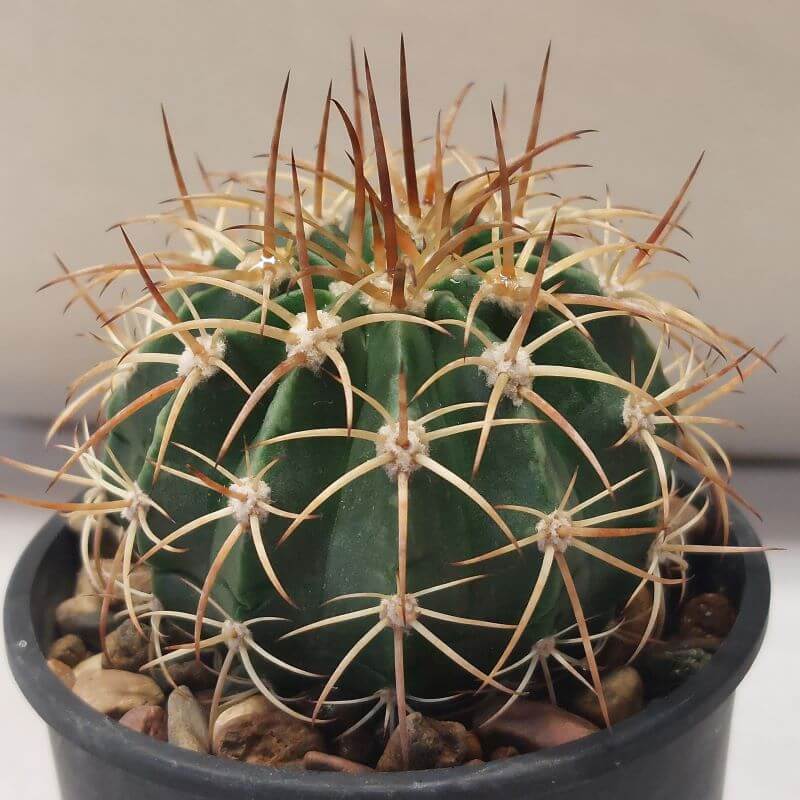
The Melocactus, with its unmistakable cephalium crowning the apex of its globular body, is one of the most captivating wonders in the cactus family. Among succulent enthusiasts and botanists alike, the phenomenon of Melocactus flowering never ceases to provoke awe and curiosity. These unique plants challenge the norms of blooming behavior and push the boundaries of what we expect from desert flora. Understanding the delicate dance of their flowering cycle unveils not only practical care techniques but also a glimpse into an extraordinary adaptive strategy perfected over millennia.
The Enigmatic Cephalium: Nature’s Floral Beacon
Unlike other cacti that bloom from areoles scattered across their surface, Melocactus introduces an intriguing complexity by developing a dense, woolly, and sometimes bristly structure known as the cephalium. This specialized floral zone is not just an aesthetic quirk; it is the very epicenter of the plant’s reproductive prowess. From this vibrant and often vividly colored cephalium, petite yet exquisitely formed flowers emerge, creating a stark contrast against the sober green barrel below.

The formation of the cephalium marks a critical transition in the life of the Melocactus—it signals its reproductive maturity. This transformation often arises only after several years of vegetative growth, emphasizing patience in cultivation and care. The cephalium’s woolly insulation serves as a protective habitat, sheltering the delicate flowers from the harsh sun, fluctuating temperatures, and desert winds.
What to Expect During Melocactus Flowering
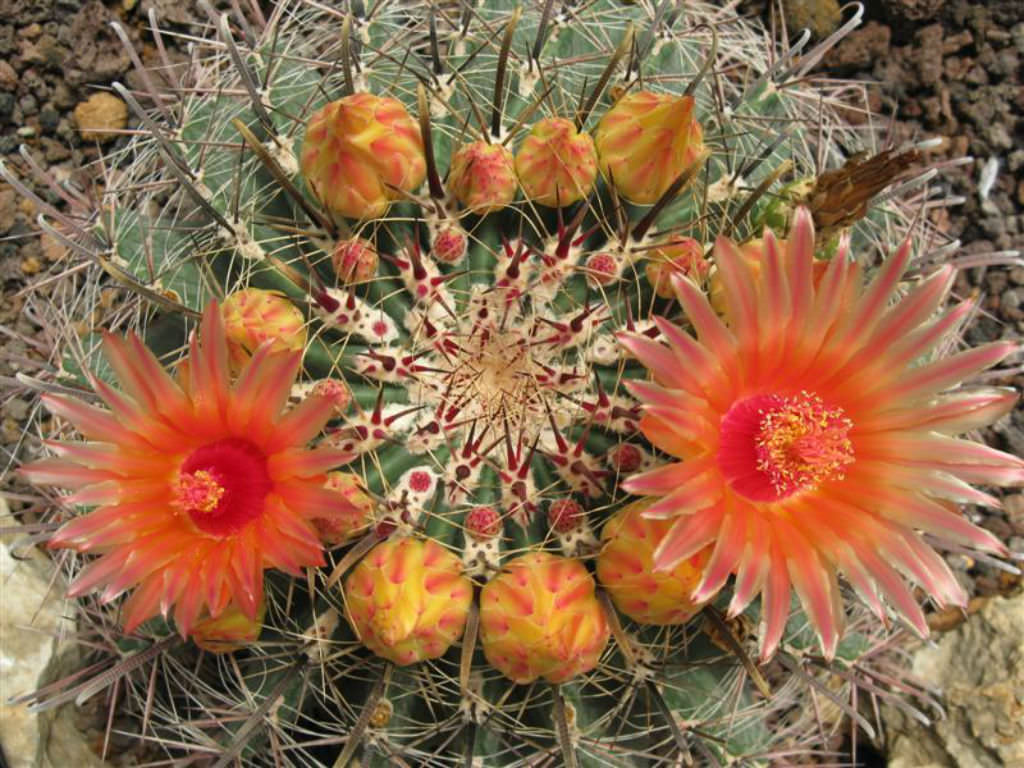
Observing a Melocactus bloom is a study in contrasts and surprises. The flowers themselves are relatively small, yet immensely intricate, clustered tightly along the cephalium’s surface. Their primary colors range from soft pale pinks to deeper reds and oranges, depending on the species and environmental conditions. Blooming typically happens in warmer months, often synchronized with the plant’s native climate, reinforcing the evolutionary link to its desert origins.

One fascinating aspect is that flowering ceases the upward growth of the main cactus column, instead diverting energy into the development and expansion of the cephalium. This trade-off reflects an extraordinary survival strategy: by allocating resources to reproduction at the right moment, the Melocactus maximizes its chances of progeny in an unforgiving environment.
Understanding the Causes of Melocactus Blooming
The precise triggers for Melocactus flowering have captivated horticulturists for decades. While there is still an element of mystery, several key factors have been identified. Maturity is paramount—young plants will not bloom. Adequate sunlight exposure, though not intolerably harsh, is critical to stimulate the metabolic pathways involved in flower production.
Watering schedules intimately influence blooming cycles. Melocacti require a delicate balance: too much water can be catastrophic, fostering rot, while too little stunt their growth. This delicate hydration dance mirrors the erratic rainfall of their native habitats. Additionally, temperature fluctuations between day and night mimic natural desert conditions, encouraging healthy cephalium development.
Optimal Care Practices for Supporting Melocactus Blooms
Fostering vibrant blooms starts with a habitat that closely replicates the Melocactus’s native environment. Use a fast-draining, gritty substrate enriched with mineral content such as pumice or volcanic grit to replicate the rocky soils they thrive in. Avoid heavy, moisture-retentive soils which suffocate roots.
Water judiciously. During the growth season, supply moderate moisture, allowing the soil to dry thoroughly between watering sessions. In winter dormancy, reduce watering to a bare minimum, mimicking dry desert winters. This seasonal modulation helps signal the cactus to shift from growth mode to reproductive mode.
Sunlight is equally vital. Position Melocacti in bright, indirect sunlight or dappled light to shield tender flowers from scorching rays. Inadequate light stifles cephalium formation and flower production, whereas excessive heat and light cause stress, manifested as discoloration or premature cephalium deterioration.
Pollination: Ensuring the Legacy of Your Melocactus
Once flowers bloom, they beckon pollinators in their native range—typically bees and other small desert insects—who facilitate sexual reproduction. In cultivation, hand-pollination can be practiced to increase the success rate of fruit and seed production. Using a delicate brush or cotton swab, transfer pollen from one flower’s stamens to another’s stigma during peak flowering hours when flowers are receptive.
Successful pollination leads to the formation of small fruits nestled within the cephalium’s woolly tentacles. These fruits contain the seeds that assure the continuation of this remarkable genus. The process represents not only a physical flowering but the culmination of evolutionary ingenuity.
Common Challenges and Troubleshooting in Blooming
For all their charm, Melocacti are notoriously finicky when it comes to flowering. Failure to bloom is often a symptom of environmental stress. Insufficient light, erratic watering, nutrient imbalances, or incorrect temperature regimes are common culprits. Additionally, premature cephalium damage from pests like mealybugs or fungal infections may prevent flowering altogether.
Patience is a virtue when cultivating Melocacti. Some specimens, particularly those grown from seed, may require over 5 years before reaching flowering maturity. During this period, attentive care and observation are paramount. Minor setbacks should not discourage the diligent grower; each year brings them closer to the spectacular reward of a blooming cephalium.
The Fascination with Melocactus Flowering: Beyond the Surface
The allure of Melocactus flowering transcends mere botanical curiosity—it taps into a deeper narrative about resilience and adaptation. Here is a plant that thrives in some of the world’s harshest environments, conserves energy judiciously, and then demands the spotlight by producing floral structures unlike any other cactus. This vivid display of life emerging from austerity resonates profoundly with those who witness it.
Moreover, the cephalium symbolizes transformation and maturity not just of the plant but metaphorically of patience rewarded. The interplay of rugged exterior cactus body and the soft, ephemeral blooms instills a paradoxical beauty that invites reflection on the complexity of nature’s designs.
Embracing the nuanced journey of Melocactus flowering enriches the relationship between gardener and plant. It is a lesson in attentive stewardship, ecological appreciation, and enduring wonder. For those who commit to this journey, the bloom is more than a flower—it is a triumph of life’s tenacity.
FAQ
What is a cephalium in Melocactus?
A cephalium is a dense, woolly, and sometimes bristly floral structure that forms at the apex of Melocactus, from which its flowers emerge.
How long does it take for a Melocactus to flower?
Melocactus typically takes several years, often over 5, to reach reproductive maturity and develop a cephalium capable of flowering.
What care conditions encourage Melocactus flowering?
Optimal conditions include bright indirect sunlight, a fast-draining gritty substrate, balanced watering that mimics natural desert rainfall, and temperature fluctuations similar to their native desert environment.
Can Melocactus be hand-pollinated?
Yes, hand-pollination using a brush or cotton swab can increase fruit and seed production when flowers are receptive.
Why might a Melocactus fail to bloom?
Common reasons include insufficient light, improper watering, nutrient imbalances, pest infestations, or temperature stress.

Leave a Reply