
Short Answer
In the ever-evolving landscape of sustainable innovation, one material has quietly emerged from the shadows of obscurity to claim a spotlight: cactus-based materials. These biofabricated wonders are not merely a fleeting trend but a testament to humanity’s growing capacity to harness nature’s ingenuity without exploitation. As industries scramble to shed their carbon footprints and embrace circular economies, the humble cactus—long dismissed as a prickly nuisance—has become an unlikely hero in the quest for eco-conscious alternatives. But what makes these materials so captivating? Is it their undeniable chic, their promise of guilt-free consumption, or the deeper narrative they weave about our relationship with the planet? Let’s peel back the layers of this verdant revolution.
The Allure of the Unassuming: Why Cactus Leather Captivates the Imagination
There’s something almost poetic about the transformation of a plant long relegated to desert landscapes into a luxurious, tactile material. Cactus leather, with its buttery texture and supple drape, defies the stereotype of vegan alternatives as flimsy or artificial. Unlike traditional leather, which carries the weight of environmental degradation and ethical concerns, cactus-based materials offer a paradox: they are both high-performance and harmonious with nature. The fascination isn’t just aesthetic; it’s visceral. When you run your fingers over a cactus leather handbag or slip into a pair of shoes made from its fibers, you’re not just touching a product—you’re engaging with a story of resilience and reinvention. The material’s ability to mimic the luxurious feel of animal hide while boasting a fraction of the ecological cost is nothing short of alchemy. It’s as if the desert itself has whispered a secret into the ears of designers, urging them to reimagine what sustainability can look and feel like.
The Science Behind the Magic: How Cactus Fibers Are Transformed
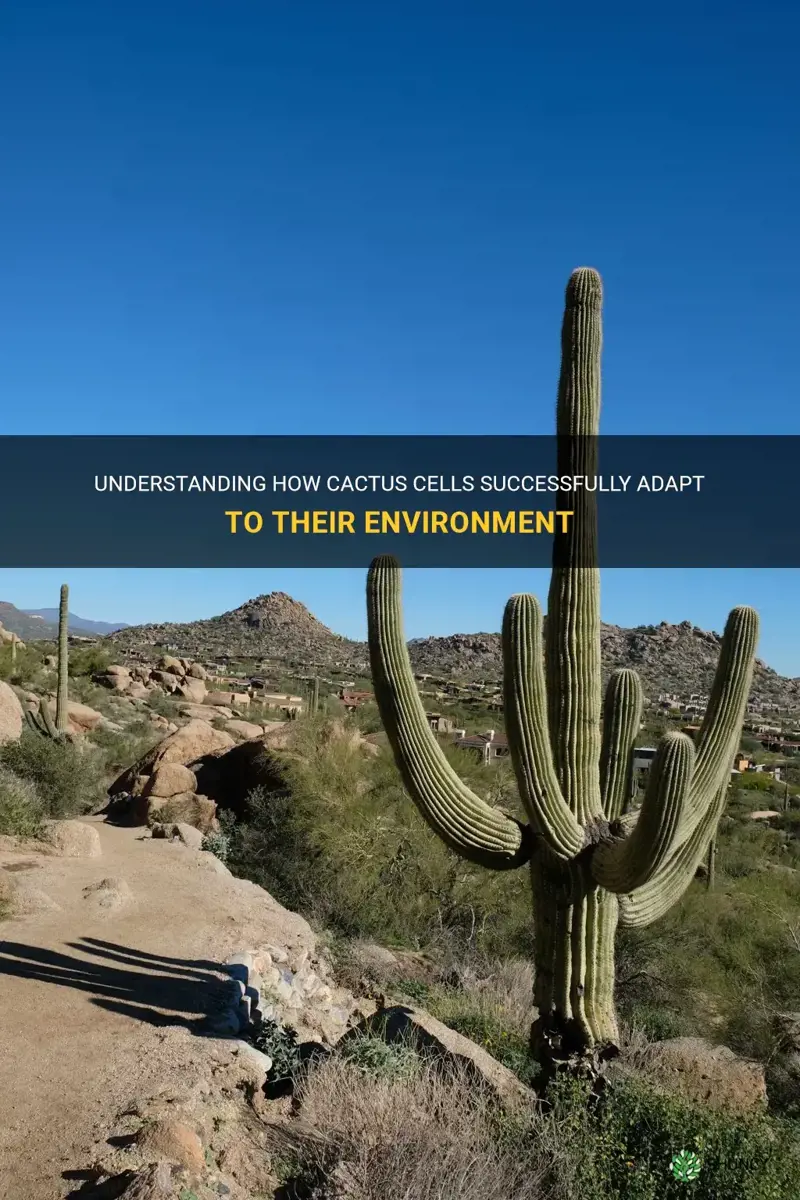
The journey from spiky succulent to supple substitute is a marvel of bioengineering. At its core, cactus-based materials leverage the plant’s natural polymers, particularly in the nopal cactus, which thrives in arid conditions with minimal resources. The process begins with harvesting the mature leaves, which are then mechanically crushed to extract a mucilaginous pulp. This pulp undergoes a series of treatments—often involving natural enzymes and non-toxic solvents—to break down the fibrous structure into a malleable, leather-like substance. The result is a material that can be dyed, embossed, and sewn just like conventional leather, yet requires no tanning with chromium or other hazardous chemicals. What’s more, the cactus’s rapid growth rate and drought-resistant nature mean it can be cultivated without irrigation, pesticides, or vast tracts of arable land. In an era where resource scarcity looms large, this efficiency is nothing short of revolutionary. It’s a reminder that the most sustainable solutions often lie in mimicking, rather than dominating, nature’s rhythms.
Beyond Fashion: The Versatility of Cactus-Based Materials
While the fashion industry has been the most vocal adopter of cactus leather—with brands like Desserto and Pinatex leading the charge—its potential extends far beyond handbags and shoes. Imagine a world where your car’s interior is upholstered in cactus-derived upholstery, reducing the automotive sector’s reliance on petroleum-based plastics. Picture packaging materials that decompose as effortlessly as fallen leaves, or furniture crafted from cactus fiber composites that sequester carbon rather than emit it. The material’s adaptability is its superpower. In construction, cactus-based panels could offer insulation that’s both lightweight and fire-resistant, while in electronics, its biodegradable properties could revolutionize the lifecycle of gadgets. Even the medical field is taking notice, exploring cactus-derived films for wound dressings that promote healing without synthetic additives. The versatility of these materials forces us to confront a tantalizing question: if a plant can be so multifunctional in its natural habitat, why can’t its industrial derivatives be just as dynamic?
The Ethical and Environmental Imperative: A Break from Business as Usual
To understand the true significance of cactus-based materials, we must first acknowledge the litany of sins committed in the name of convenience. Traditional leather production is a grotesque ballet of cruelty and contamination, from the methane-belching livestock to the toxic tanneries that poison rivers and workers alike. Synthetic alternatives, while cruelty-free, are often petroleum-derived, clogging landfills and leaching microplastics into ecosystems. Cactus materials, by contrast, offer a rare trifecta: they are cruelty-free, biodegradable, and low-impact. But their ethical appeal runs deeper than mere substitution. They embody a paradigm shift—a rejection of extractive industries in favor of regenerative ones. When a company chooses cactus leather over conventional options, it’s not just making a product choice; it’s making a statement about values. It’s saying that sustainability isn’t a buzzword but a commitment to redefining progress. And in a world where greenwashing has become an art form, this authenticity is both refreshing and necessary.
The Cultural Shift: From Niche to Mainstream
The rise of cactus-based materials is more than a technological triumph; it’s a cultural awakening. For decades, sustainability was treated as a fringe concern, something reserved for tree-huggers and granola-crunching idealists. But as climate disasters multiply and consumer consciousness evolves, the demand for ethical alternatives has surged. Cactus materials have ridden this wave with remarkable grace, appealing to both eco-warriors and fashionistas alike. Their adoption by high-profile brands and celebrities has lent them an air of legitimacy, transforming them from laboratory curiosities into coveted commodities. Yet this mainstreaming comes with its own challenges. As demand grows, so too does the risk of exploitation—whether through greenwashing, monoculture farming, or the commodification of indigenous knowledge. The challenge now is to ensure that the cactus revolution remains rooted in equity, where the benefits are shared by farmers, artisans, and ecosystems alike. The material’s journey from desert to runway is a story worth telling, but only if it’s told with integrity.
The Future We’re Growing: What’s Next for Cactus Materials?
If the past decade has taught us anything, it’s that the future is not a fixed destination but a living, breathing evolution. For cactus-based materials, the road ahead is paved with both promise and possibility. On the horizon, we see advancements in biotechnology that could enhance the material’s durability, water resistance, and even self-healing properties. Researchers are already experimenting with blending cactus fibers with other bio-based materials, like hemp or mushroom mycelium, to create hybrid composites that push the boundaries of performance. Meanwhile, circular economy models are being explored, where cactus materials are designed to be fully compostable or upcycled into new products at the end of their life. But the most exciting frontier may be in education and advocacy. As more people encounter cactus materials in their daily lives, they’re not just buying a product—they’re joining a movement. They’re voting with their wallets for a world where industry and ecology are not adversaries but allies. And in that vote lies the seeds of a greener, more compassionate future.
FAQ
What are cactus-based materials?
Cactus-based materials are sustainable alternatives made from cacti, particularly the nopal cactus, used in various products like leather and packaging.
How are cactus materials produced?
Cactus materials are produced by harvesting cactus leaves, extracting pulp, and treating it to create a leather-like substance without harmful chemicals.
What industries are adopting cactus materials?
Industries such as fashion, automotive, and construction are exploring cactus materials for their sustainability and versatility.

Leave a Reply