
Short Answer
The encroachment of human civilization into once-wild landscapes has triggered a cascade of ecological disruptions, none more poignant than the silent erosion of biodiversity. Among the most vulnerable are the parodia cacti—a genus of small, spherical cacti native to South America—whose survival is now hanging by a thread. Habitat loss, driven by agricultural expansion, urban sprawl, and extractive industries, has not merely reduced their living spaces; it has fractured ecosystems, disrupted pollination networks, and pushed these resilient yet delicate plants toward the precipice of extinction. This article delves into the multifaceted impact of habitat loss on parodia populations, exploring the ecological, genetic, and socio-economic dimensions of their decline, while highlighting the urgent need for conservation strategies that go beyond mere preservation to embrace restoration and reconciliation with nature.
The Vanishing Terrains: How Habitat Loss Reshapes Parodia Habitats
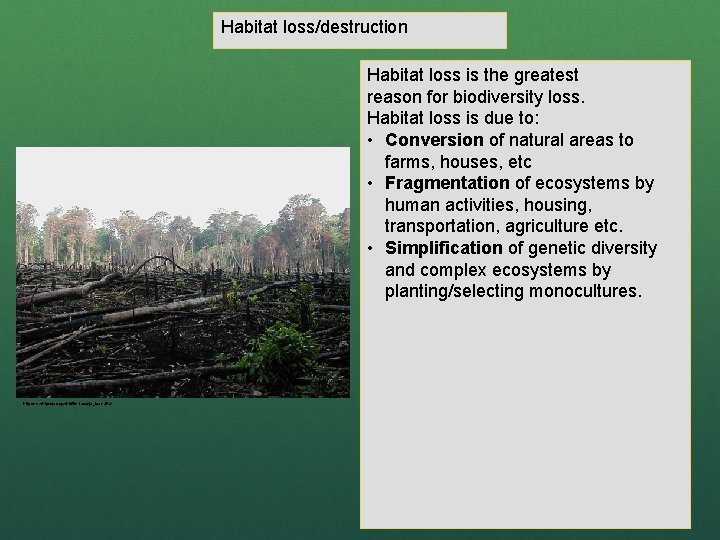
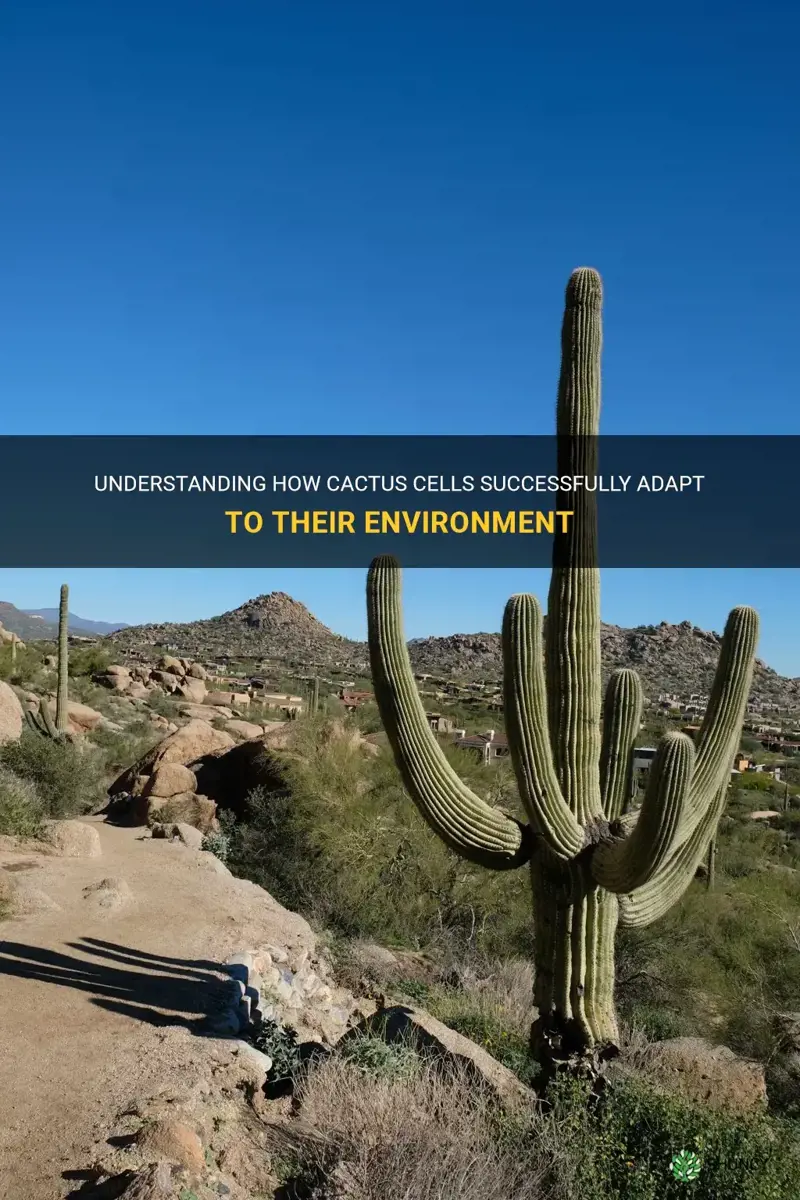
Parodia cacti thrive in the arid, sun-drenched landscapes of the Gran Chaco, the Andean foothills, and the Brazilian cerrado, where their survival hinges on a delicate balance of soil composition, microclimate, and symbiotic relationships with pollinators. Yet, these very terrains are being relentlessly transformed. Agricultural monocultures—soybean fields stretching to the horizon, cattle ranches carving through native vegetation—have replaced the mosaic of grasses, shrubs, and cacti that once sustained parodia populations. The once-contiguous habitats are now fragmented into isolated patches, akin to islands in a sea of human dominance. This fragmentation doesn’t just reduce the available space; it isolates populations, preventing genetic exchange and increasing the risk of inbreeding depression. The parodia, once a symbol of endurance in harsh conditions, now faces a new adversary: the tyranny of distance.
Urbanization compounds the crisis. As cities expand, roads bisect habitats, and infrastructure projects encroach upon the last remaining pockets of wilderness, parodia populations are literally bulldozed into oblivion. Even protected areas are not immune; illegal logging, mining, and land grabs often occur under the radar, leaving conservationists scrambling to document and defend these microcosms of biodiversity. The loss of habitat isn’t just a numbers game—it’s a dismantling of entire ecosystems, where each parodia plant plays a role in maintaining soil integrity, providing shelter for insects, and serving as a food source for herbivores. When these plants disappear, the ripple effects are felt across the food web, from the smallest pollinators to the apex predators that depend on them.
Pollination in Peril: The Unseen Crisis of Reproductive Collapse
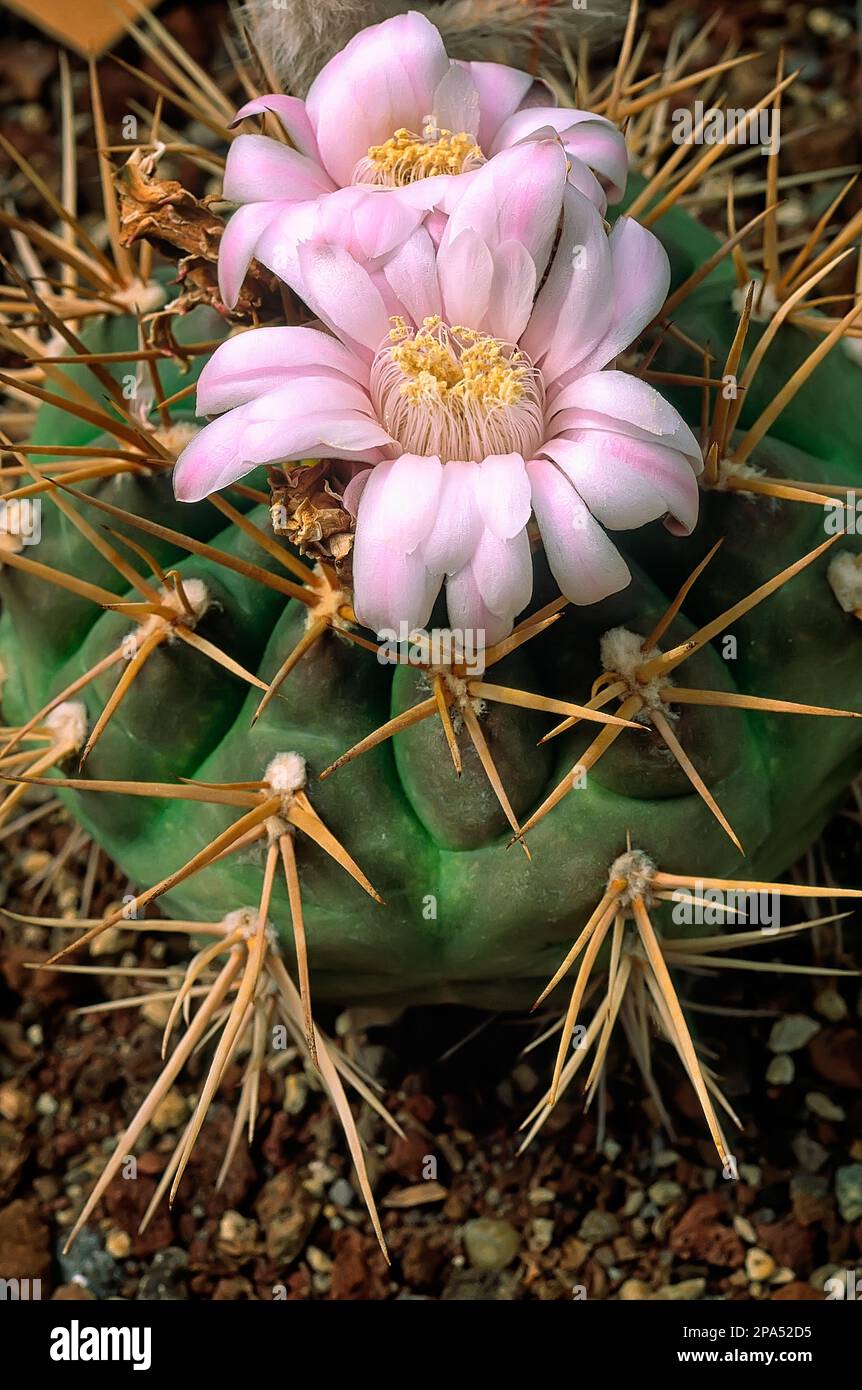
Parodia cacti are not solitary survivors; they are part of a complex web of mutualistic relationships. Their vibrant flowers, which bloom in bursts of yellow, red, or pink, are not merely decorative—they are lifelines. These flowers attract specialized pollinators, including bees, butterflies, and even hummingbirds, whose survival is intricately linked to the cacti’s reproductive success. Yet, habitat loss disrupts these relationships in insidious ways. As floral resources dwindle, pollinators face starvation, forcing them to abandon once-thriving territories. The parodia, now starved of their primary pollinators, struggle to reproduce, leading to a decline in seed production and, ultimately, population collapse.
The problem is exacerbated by the temporal mismatch between flowering and pollinator activity. Climate change, another byproduct of habitat destruction, alters the timing of blooms, while pollinators may fail to adapt at the same pace. The result? A reproductive bottleneck where parodia populations produce fewer offspring, and those that do survive face a genetic bottleneck, further reducing their resilience. Conservationists are now racing to identify and protect critical pollinator corridors, but the task is Herculean. Without immediate intervention, we risk losing not just a species, but an entire pollination syndrome—a phenomenon where the decline of one species triggers the collapse of others.
Genetic Erosion: The Silent Threat to Parodia’s Future
Isolated parodia populations, marooned in fragmented habitats, are not just physically separated—they are genetically isolated. The lack of gene flow between these pockets leads to inbreeding, a phenomenon where closely related individuals mate, producing offspring with reduced genetic diversity. Over time, this genetic erosion weakens the population’s ability to adapt to environmental stressors, such as drought, disease, or climate change. The parodia’s once-robust genetic toolkit, honed over millennia of evolution, becomes a liability in a world where adaptability is key to survival.
Worse still, genetic drift—the random loss of genetic variants—can further deplete the population’s adaptive potential. In small, isolated groups, certain traits may disappear entirely, not because they are maladaptive, but simply due to chance. This loss of genetic diversity is a ticking time bomb. Without intervention, parodia populations may become so genetically homogeneous that they are unable to respond to new threats, leaving them vulnerable to extinction from even minor environmental shifts. Conservation strategies must now prioritize genetic rescue—introducing individuals from other populations to bolster genetic diversity—before it’s too late.
The Socio-Economic Dimensions: Who Bears the Cost of Habitat Loss?
The destruction of parodia habitats is not an abstract ecological issue; it has tangible socio-economic consequences. Indigenous communities, who have coexisted with these cacti for generations, rely on them for medicinal purposes, cultural rituals, and as indicators of ecosystem health. The loss of parodia populations disrupts these traditions, eroding cultural identity and severing the connection between people and their ancestral lands. Meanwhile, the global trade in ornamental cacti—driven by collectors and nurseries—exerts additional pressure on wild populations. Paradoxically, the very beauty that makes parodia cacti desirable in cultivation is what makes them vulnerable in the wild.
On a broader scale, the decline of parodia populations signals deeper systemic failures. Ecosystem services, such as soil stabilization and water retention, are compromised when native flora is replaced by monocultures. The economic cost of this degradation—measured in lost agricultural productivity, increased erosion, and degraded water quality—far outweighs the short-term gains from habitat conversion. Yet, these costs are often externalized, borne by future generations and marginalized communities who lack the political power to demand change. The fight to save parodia cacti is not just about preserving a species; it’s about redefining our relationship with the natural world and recognizing that biodiversity is not a luxury, but a necessity.
Conservation in Action: Strategies for a Parodia Comeback
Hope is not lost. Conservationists are deploying innovative strategies to safeguard parodia populations, from ex-situ cultivation in botanical gardens to in-situ habitat restoration. Seed banks and tissue culture techniques are being used to preserve genetic diversity, while community-led initiatives are restoring degraded lands and reintroducing parodia plants into their native habitats. These efforts are not without challenges—limited funding, political instability, and the sheer scale of habitat loss make progress slow—but they offer a glimmer of hope in an otherwise bleak landscape.
One promising approach is the creation of biological corridors, which reconnect fragmented habitats and allow parodia populations to interact once again. These corridors not only facilitate gene flow but also restore the ecological processes that sustain biodiversity. Another strategy involves working with local farmers to promote agroecological practices that integrate parodia-friendly habitats into agricultural landscapes. By shifting from monocultures to polycultures, farmers can maintain productivity while preserving critical cactus populations. The key lies in demonstrating that conservation and economic development are not mutually exclusive—indeed, they are interdependent.
The Path Forward: A Call to Collective Action
The plight of the parodia cacti is a microcosm of a global crisis. It is a story of resilience in the face of adversity, but also a cautionary tale about the consequences of unchecked human expansion. Saving these cacti will require more than scientific intervention; it will demand a cultural shift—a recognition that biodiversity is not a resource to be exploited, but a heritage to be cherished. Governments must enforce stricter environmental regulations, corporations must prioritize sustainability over profit, and individuals must demand accountability from those in power.
Yet, the fight is not hopeless. Every restored habitat, every protected population, every educated community brings us one step closer to a future where parodia cacti thrive once again. This is not just about saving a plant; it’s about reclaiming our place in the natural world, where humans are not conquerors but stewards. The parodia’s story is far from over. It is a story of endurance, adaptation, and the enduring power of life to persist against all odds. And it is a story that we, as a global community, have the power to shape.
FAQ
What is the impact of habitat loss on Parodia cacti?
Habitat loss leads to reduced living spaces, fragmented ecosystems, disrupted pollination, and increased risk of extinction for Parodia cacti.
What conservation strategies are being implemented for Parodia?
Conservation strategies include habitat restoration, creation of biological corridors, and preservation of genetic diversity through seed banks.



Leave a Reply