
Short Answer
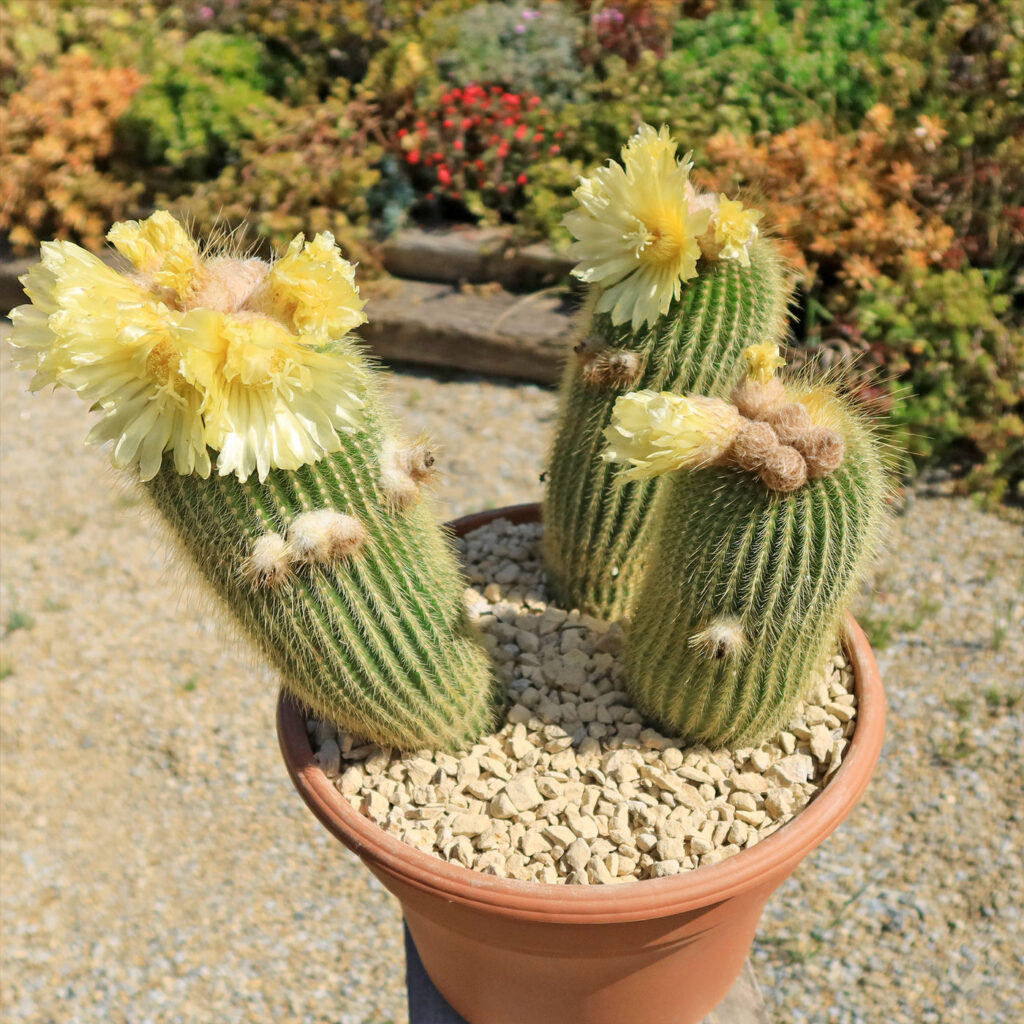
Imagine a garden where vibrant spheres of green and yellow cascade like living jewels, their spines glinting in the sunlight, each cluster a miniature ecosystem of botanical artistry. Parodia cacti, with their globular forms and radiant blooms, are nature’s perfect candidates for creating cluster plantings—arrangements where multiple specimens grow in close proximity, amplifying their visual impact and creating a sense of unity. These compact displays are not just eye-catching; they are living sculptures that thrive on minimal space while offering maximum color and texture. Whether you’re a seasoned succulent collector or a novice plant parent, mastering the art of Parodia cluster plantings will transform your space into a desert oasis of charm and character.
The Allure of Parodia Clusters: Why They Captivate Gardeners
Parodia cacti, native to the arid regions of South America, have evolved to form tight, clustered growths that naturally complement their surroundings. When planted together, these cacti create a botanical tapestry where each individual’s unique shape and color palette harmonize with its neighbors. The result? A living mosaic that shifts in hue and form with the seasons—from the soft yellows of spring blooms to the deep greens of summer growth. Clusters also encourage healthier plants, as the collective foliage can buffer against extreme temperatures and retain moisture more effectively than solitary specimens. For urban gardeners or those with limited space, Parodia clusters offer a space-efficient solution that doesn’t compromise on visual drama.
Consider the Parodia leninghausii, affectionately dubbed the “Lemon Ball Cactus” for its citrus-hued spines and spherical silhouette. When grouped with its kin, it forms a sunburst of color, its golden spines radiating outward like spokes on a wheel. Pair it with the Parodia magnifica, whose darker, more pronounced spines create a striking contrast, and you’ve got a dynamic duo that commands attention. These clusters aren’t just plants; they’re conversation starters, each one a testament to the beauty of nature’s adaptability.
Design Principles for Stunning Parodia Cluster Arrangements
Creating a Parodia cluster that dazzles requires more than just plopping a few cacti into a pot. It’s about curating a composition where form, color, and texture play off one another. Start with a triangular or staggered layout—place the tallest or most visually dominant Parodia at the back or center, then flank it with medium-sized specimens, and finish with the smallest at the front. This pyramid-like arrangement ensures every plant is visible while maintaining a sense of balance. For added depth, incorporate a trailing variety, such as Parodia haselbergii, whose cascading stems can spill over the edges of a container, softening the overall look.
Color theory is another crucial element. Parodias come in a spectrum of hues, from the pale green of Parodia scopa to the deep red of Parodia rutilans. To create harmony, stick to a monochromatic scheme—think varying shades of green with subtle spine variations—or go bold with complementary colors, like pairing a yellow-spined Parodia with a blue-green companion. Texture also plays a role; mix smooth, ribbed cacti with those adorned in dense, woolly spines for a tactile experience that invites closer inspection. And don’t forget the negative space—leave room between plants to highlight their individual forms and prevent overcrowding, which can lead to rot or pest issues.
Container Choices: The Unsung Heroes of Cluster Plantings
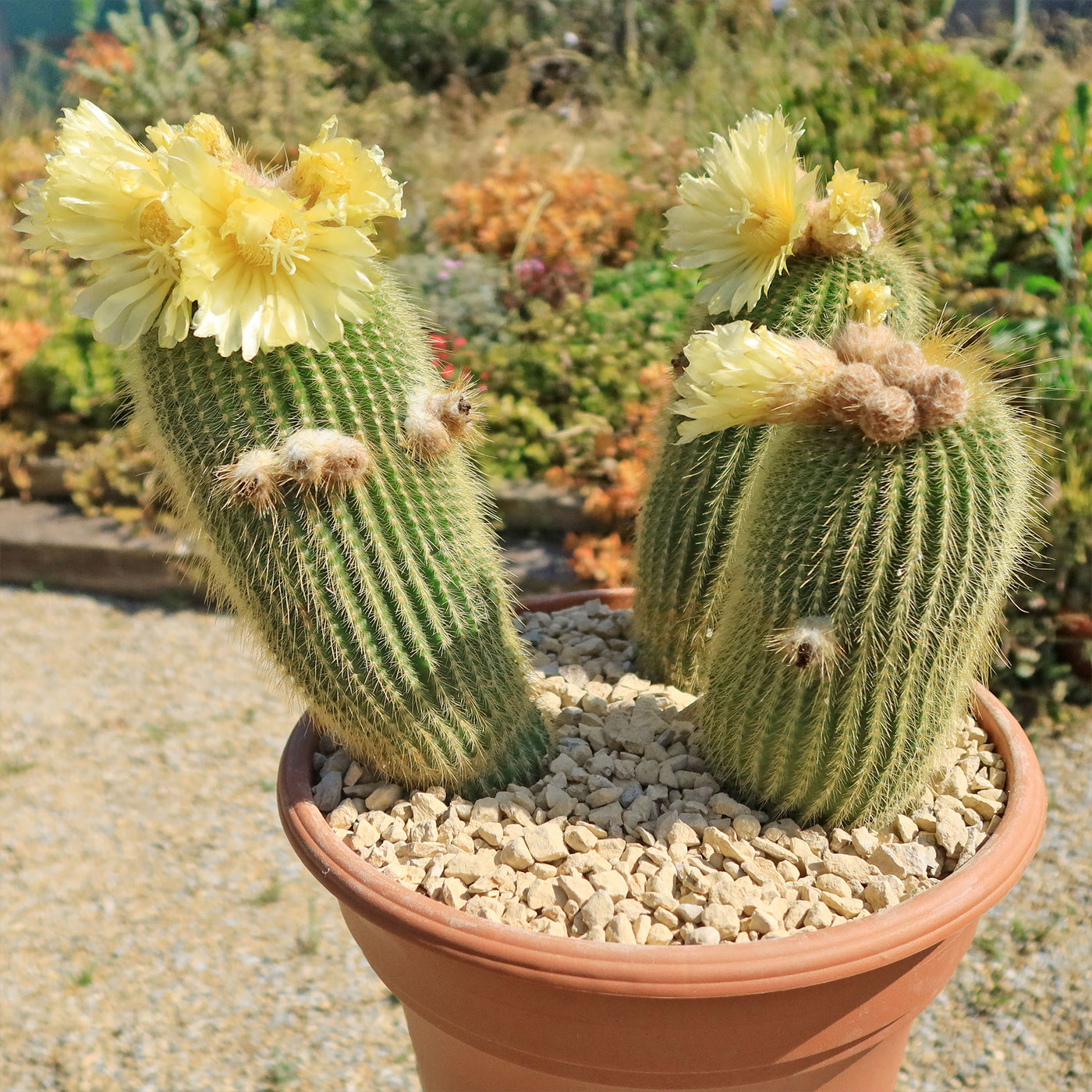
The right container can elevate a Parodia cluster from merely attractive to extraordinary. Terracotta pots are a classic choice, their porous nature allowing soil to breathe and excess moisture to evaporate—a critical feature for these drought-loving plants. For a modern twist, consider shallow, wide bowls that mimic the natural spread of Parodia clusters in the wild. Alternatively, hypertufa troughs add a rustic charm, their rough texture contrasting beautifully with the smooth spines of the cacti. If you’re feeling adventurous, repurpose unexpected vessels like vintage teapots or concrete planters—just ensure they have adequate drainage holes to prevent waterlogging.
Size matters, too. A container that’s too large can drown out the delicate proportions of Parodia clusters, while one that’s too small may restrict root growth. Aim for a pot that’s roughly 1–2 inches wider than the combined spread of your cacti. For a cohesive look, choose a container that complements the color palette of your plants—neutral tones like beige or gray let the Parodias take center stage, while bold hues can create a striking focal point. And don’t overlook the importance of container depth; Parodias have shallow root systems, so a pot that’s 4–6 inches deep is usually sufficient.
Soil and Watering: The Foundation of Thriving Clusters
Parodia cacti are no strangers to harsh conditions, but replicating their native habitat in your cluster planting is key to their success. Start with a gritty, well-draining soil mix—a blend of cactus potting soil, perlite, and coarse sand works wonders. Avoid heavy, moisture-retentive soils, which can lead to root rot and fungal diseases. If you’re feeling hands-on, create your own mix by combining equal parts of loam, grit, and pumice for a texture that mimics the rocky, mineral-rich soils of the Andes.
Watering Parodia clusters is an exercise in restraint. These cacti are adapted to prolonged dry spells, so they thrive on the less-is-more approach. Water deeply but infrequently—allow the soil to dry out completely between waterings, and reduce frequency during the winter months when growth slows. Overwatering is the quickest way to spell disaster, leading to mushy stems and a host of pests like mealybugs or spider mites. To check moisture levels, insert your finger an inch into the soil; if it feels dry, it’s time to water. And always water at the base of the plants, avoiding the spines and woolly crowns, which can trap moisture and invite rot.
Light and Temperature: Mimicking the Desert Sun
Parodia cacti are sun-worshippers, thriving in bright, indirect light that mimics the dappled shade of their natural habitats. In indoor settings, a south-facing window is ideal, though a grow light can supplement natural light during darker months. Outdoors, partial shade is best in hot climates, while full sun is acceptable in cooler regions. Rotate your cluster every few weeks to ensure even growth and prevent the plants from leaning toward the light—a phenomenon known as phototropism.
Temperature plays a subtle but crucial role in Parodia care. These cacti prefer warm days (70–90°F) and cooler nights (50–60°F), which encourage robust growth and vibrant blooming. If you live in a region with harsh winters, bring your cluster indoors before temperatures drop below 50°F to avoid cold damage. Conversely, in scorching summers, provide afternoon shade to prevent sunburn, which can manifest as bleached or discolored patches on the stems. A sudden drop in temperature can also trigger blooming, so if you’re eager to see those fiery flowers, give your Parodias a brief cool period in late winter or early spring.

Seasonal Care and Troubleshooting Common Issues
Parodia clusters are relatively low-maintenance, but they do require seasonal adjustments to stay at their best. In spring and summer, focus on vigilant watering and fertilizing with a diluted cactus-specific fertilizer every 4–6 weeks. This is also the prime time for repotting if your cluster has outgrown its container or the soil has become depleted. Fall calls for a gradual reduction in watering as growth slows, while winter is a period of dormancy—keep your plants dry and cool, and resist the urge to overwater, even if the soil looks parched.
Despite your best efforts, issues may arise. Etoliation—the stretching of stems due to insufficient light—is a common problem, especially in indoor settings. If your Parodias start to look leggy, move them to a brighter location or supplement with a grow light. Pests like scale insects or mealybugs can be treated with a cotton swab dipped in rubbing alcohol or a neem oil spray. Root rot, often caused by overwatering, is trickier to reverse; if you notice mushy stems or a foul odor, remove the plant from its pot, trim away any rotten roots, and repot in fresh, dry soil. Prevention is always better than cure, so err on the side of under-watering and ensure your container has adequate drainage.
Creative Display Ideas: Beyond the Traditional Pot
Why limit Parodia clusters to conventional containers? Think outside the box and explore unconventional display methods that showcase their unique charm. Create a vertical garden by mounting a shallow tray on a wall, filling it with a mix of Parodia species for a living mosaic. Or, design a desert-inspired terrarium with a glass cloche, layering sand, gravel, and small rocks to mimic the arid landscapes of South America. For a touch of whimsy, arrange your cluster in a vintage teacup or a hollowed-out piece of driftwood—just ensure the vessel is shallow and well-draining.
Grouping Parodia clusters with other succulents can also yield stunning results. Pair them with Echeveria or Haworthia for a textural contrast, or intersperse them with Sedum varieties that spill over the edges of the container. The key is to choose companions with similar care requirements—drought tolerance, well-draining soil, and a love for bright light. And don’t forget the power of seasonal accents; during the holidays, wrap your container in twine or add miniature ornaments for a festive touch, or in autumn, scatter pinecones or dried leaves around the base for a naturalistic vignette.
The Reward: A Living Masterpiece
There’s something deeply satisfying about nurturing a Parodia cluster from a collection of individual plants into a cohesive, thriving display. It’s a testament to patience, creativity, and a deep appreciation for the beauty of the natural world. These clusters are more than just decorations; they’re living art that evolves with each passing season, rewarding your care with bursts of color and a sense of accomplishment. Whether you’re crafting a centerpiece for your dining table, a focal point in your garden, or a gift for a fellow plant enthusiast, a Parodia cluster is sure to leave a lasting impression.
So, roll up your sleeves, gather your cacti, and let your imagination run wild. With the right soil, a well-chosen container, and a dash of creativity, you’ll create a Parodia cluster that’s as unique as it is beautiful—a miniature desert landscape that brings joy and tranquility to your space. And who knows? You might just inspire others to embark on their own botanical adventures, one cluster at a time.
FAQ
What is the best soil mix for Parodia cluster plantings?
A gritty, well-draining soil mix combining cactus potting soil, perlite, and coarse sand is best for Parodia clusters to prevent root rot and mimic their natural habitat.
How often should I water Parodia cluster plantings?
Water deeply but infrequently, allowing the soil to dry out completely between waterings. Reduce watering during winter dormancy.
What container types are ideal for Parodia cluster plantings?
Terracotta pots, shallow wide bowls, hypertufa troughs, or well-draining vintage or concrete containers are ideal, provided they have sufficient drainage.
How do I prevent common problems like rot or pests in Parodia clusters?
Avoid overwatering, ensure good drainage, provide adequate spacing to prevent overcrowding, and water at the base to keep moisture off spines.
What light conditions do Parodia cacti prefer?
They thrive in bright, indirect light indoors or partial shade outdoors in hot climates, with rotation to prevent leaning.
Leave a Reply