

Short Answer
Have you ever wondered what it takes for a cactus to stand out in the vast, arid landscapes of the American Southwest? Among the desert’s botanical marvels, Sclerocactus species pose a fascinating challenge for enthusiasts and botanists alike. How do these spiny sentinels thrive in such harsh conditions while flaunting their unusual forms and extraordinary adaptations? Join this journey to unravel the mysteries and marvels of these resilient yet captivating cacti.
The Enigmatic Genus: What Makes Sclerocactus So Unique?
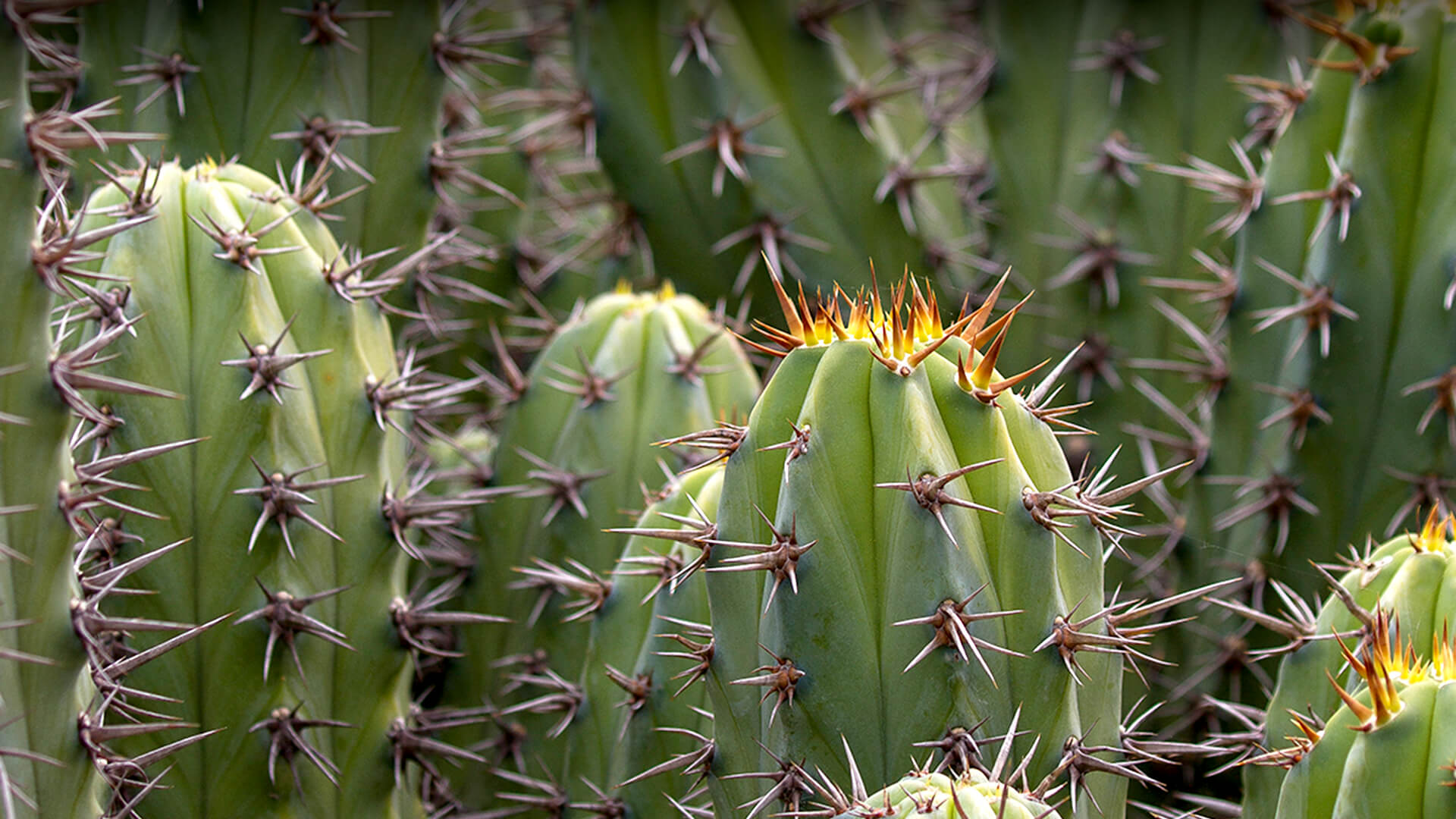
Within the sprawling Cactaceae family, the Sclerocactus genus stands apart due to its squat, barrel-like bodies wrapped in a labyrinth of robust spines and tubercles. Unlike many cacti that soar skyward, Sclerocactus species prefer a more compact, almost armored appearance—a natural fortress forged by evolution. This morphology is not merely for show; it shields these plants from herbivorous desert dwellers and minimizes water loss under relentless sun exposure.

These cacti are often dubbed “fishhook cacti” because some species feature sharply curved spines reminiscent of tiny hooks. Such anatomical quirks contribute not only to defense but also to a distinctive aesthetic appreciated by collectors and desert fans alike.
Native Habitats: The Rugged Homes of Sclerocactus Species
Where would you expect to find such tenacious plants? Predominantly scattered across the Great Basin and Colorado Plateau, these species are adapted to alpine deserts, rocky slopes, and gravelly alluvial plains. The conditions here test the limits of life: extreme temperatures, poor soils, and scant rainfall. Interestingly, Sclerocactus species favor soils rich in calcium, sometimes thriving exclusively on gypsum or limestone outcrops where competition is fewer and survival is a game of specialization.
Such specificity of habitat renders some species remarkably rare and ecologically sensitive. Navigating their natural ranges requires patience and respect for fragile ecosystems, an attribute any enthusiast quickly learns the hard way.
Distinctive Species Spotlight: From Sclerocactus polyancistrus to Sclerocactus parviflorus
Diving deeper, the genus boasts several standouts that captivate with their peculiar charm:
- Sclerocactus polyancistrus – Often dubbed the “Redspine Fishhook Cactus,” this species enchants with its dense clusters of reddish spines which curve elegantly and protect its bluish-green body. It’s a master of camouflage among sagebrush flats.
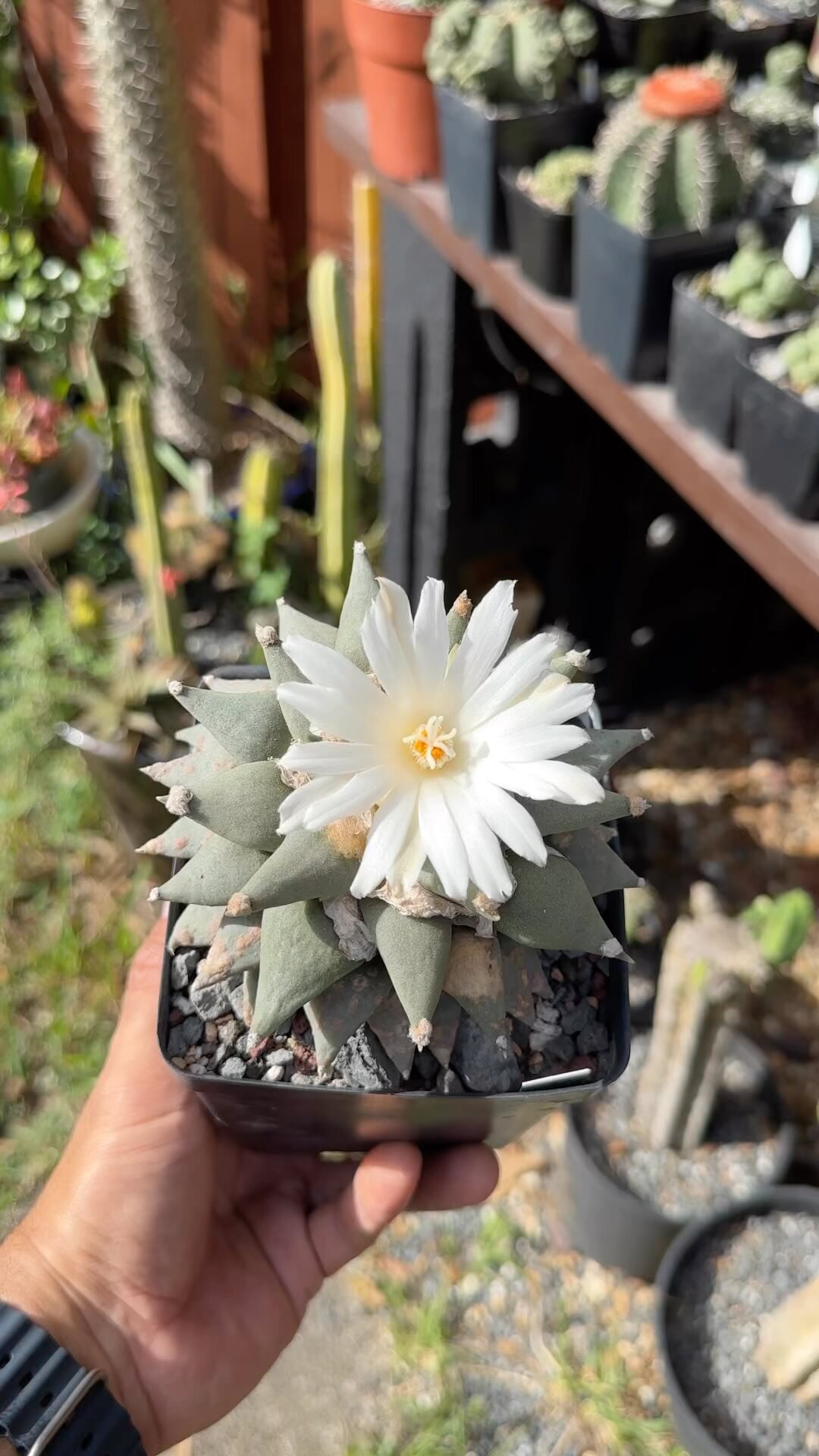
- Sclerocactus parviflorus – Smaller and more cryptic, this species sports delicate, cream-colored flowers that appear almost out of nowhere in spring, offering fleeting beauty in an unforgiving environment.
- Sclerocactus whipplei – Known as the “Whipple’s Fishhook Cactus,” it lives up to its name with formidable hooked spines, a real challenge for anyone daring to handle it without care.

Each species not only tells the story of survival but also of exquisite adaptation and elegance in desolation.
Reproduction and Growth: The Art of Desert Survival
How do these miniature desert warriors reproduce under such forbidding conditions? Their reproductive cycle is a masterpiece of timing and precision. Sclerocactus flowers emerge in early spring, often coinciding with rare desert rainfalls and the activity of specific pollinators, such as native bees and beetles. The flowers’ shapes, sizes, and colors vary between species, indicating specialized ecological relationships.
Seed dispersal is another intricate tale. Adaptations often rely on gravity and occasional animal interaction to relocate seeds to microhabitats with slightly better moisture retention. Growth is notably slow—a response to the unpredictability of water availability. Some individuals may remain dormant for years, pushing the boundary between survival and dormancy.
Threats and Conservation Challenges: Can They Withstand the Future’s Trials?
The main question looms: How vulnerable are these species in a rapidly changing world? Many Sclerocactus populations face threats from habitat disturbance, illegal collection, and climate shifts. The narrow endemic ranges of several species mean that even minor ecological disruptions can have disastrous consequences.
Conservation efforts blend habitat preservation, seed banking, and cultivation attempts. Yet, raising these cacti outside their native environment is notoriously challenging. Their strict soil requirements, coupled with their slow metabolism and susceptibility to fungal diseases if overwatered, make cultivation a high-stakes endeavor.

These challenges highlight the critical need for educational outreach and responsible stewardship if these desert diamonds are to persist into the future.
Appreciating Sclerocactus: Beyond the Desert’s Harsh Facade
Could a cactus be considered a work of art? With Sclerocactus, the answer is a resounding yes. Their intricate spination, subtle coloration, and delicate flowers make them living sculptures of desert resilience. From botanical gardens to private collections, they inspire admiration and curiosity.
Yet, they serve as reminders: Even the toughest-looking life forms rely on delicate balances. They teach patience, adaptability, and an appreciation for nature’s quieter dramas. Encountering these species awakens a profound respect for the deserts they call home.
So, next time you imagine the desert as merely a barren wasteland, think again. Somewhere among the sandy expanse, a Sclerocactus stands its ground, whispering tales of endurance, beauty, and the relentless pulse of life in extremis.
FAQ
What are Sclerocactus species?
Sclerocactus species are a unique group of cacti known for their squat, barrel-like shapes and resilient adaptations to harsh desert conditions.
Where are Sclerocactus species primarily found?
They are predominantly found in the Great Basin and Colorado Plateau, thriving in rocky and calcareous soils.
What are the main threats to Sclerocactus populations?
Key threats include habitat disturbance, illegal collection, and the impacts of climate change.

Leave a Reply