
Short Answer
Cacti, with their unmistakable silhouettes and remarkable adaptations, are far more than just desert adornments. These resilient succulents play pivotal roles in a multitude of ecosystems, simultaneously anchoring biodiversity and sustaining a delicate balance in their arid habitats. From providing refuge and nourishment to a variety of organisms to influencing ecological processes, cacti reveal an intricate narrative of survival and symbiosis. Exploring the multifaceted roles of cacti illuminates their indispensable contributions to ecosystem stability and biodiversity conservation.
The Ecological Significance of Cacti in Arid Landscapes
Arid and semi-arid ecosystems often appear sparse and desolate to the casual observer, yet these landscapes teem with subtle, interwoven life networks. Cacti serve as keystone species within these environments, fundamentally shaping the structure and function of their ecosystems. Their succulent tissues are adept at storing water, which not only allows them to endure prolonged droughts but also provides critical hydration to a host of organisms during dry periods.
Many desert animals rely on cacti as a water source, particularly during harsh seasons when standing water is scarce. The fruit, flowers, and even the flesh of various cacti species serve as vital nutrition nodes for birds, mammals, and insects. This dynamic trophic relationship underscores cacti’s role as ecological hubs, sustaining fauna diversity and facilitating energy flow in desert biomes.

Diverse Morphologies and Their Functional Roles
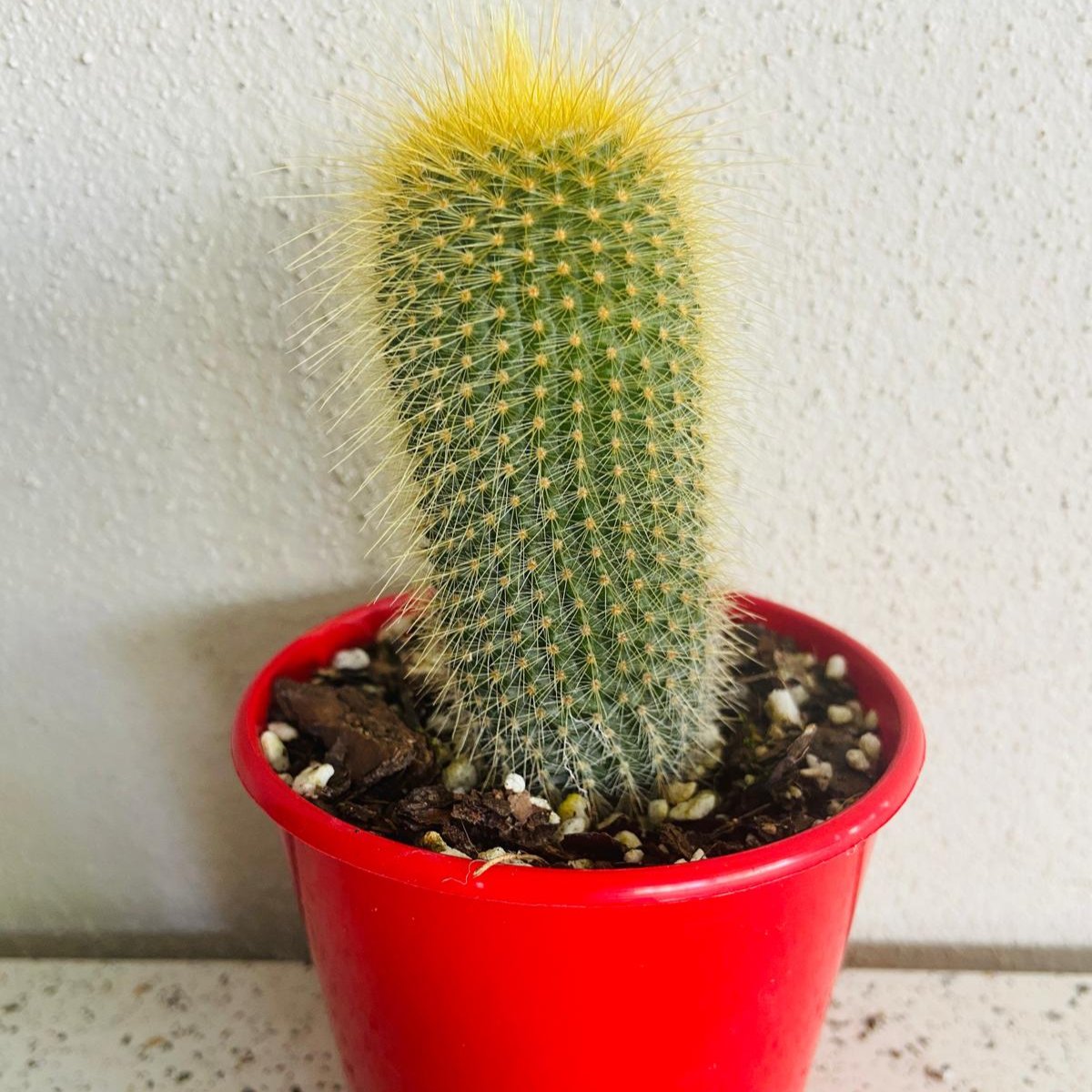
Cacti are represented by an astonishing variety of forms and sizes—ranging from the towering saguaro to the modest prickly pear pads. These morphological variations are not merely aesthetic but signal diverse adaptative strategies and ecological functions. For example, the massive saguaros of the Sonoran Desert act as vertical sanctuaries, providing nesting sites for birds such as the Gila woodpecker and elf owl. Their towering stature also offers shade that moderates the microclimate beneath, fostering other plant species’ survival.
In contrast, smaller, ground-hugging cacti species often engage in specialized mutualisms. They create microhabitats with moderated temperatures and moisture levels, enabling invertebrates and seedlings of other plants to establish themselves. This microhabitat provisioning is especially crucial during extreme weather events, underlining the buffering role cacti play in biodiversity maintenance.
Cacti and Pollination Networks
Flowering cacti exhibit a spectacular range of blooms, often boasting vivid colors and enticing fragrances. These floral displays are not simply for show—they orchestrate complex pollination networks integral to ecosystem vibrancy. Many cacti species rely on specific pollinators, such as nocturnal bats, hummingbirds, or solitary bees, creating highly specialized mutualisms that bolster reproductive success for both parties.
The nocturnal flowers of some cacti have evolved to attract bats using strong scents and pale colors, opening exclusively at night when these mammals forage. Meanwhile, bright, tubular flowers lure hummingbirds by showcasing an energetic red hue aligned with their vision. By supporting these pollinators, cacti contribute indirectly to the health of broader biodiversity, as many pollinators serve critical functions beyond the cacti themselves.
Seed Dispersal and Regeneration Dynamics
Successful seed dispersal is a cornerstone of cacti population persistence and habitat colonization. Fruits produced by cacti are often succulent and nutrient-rich, attracting a wide variety of frugivores including birds, rodents, and even larger mammals. As these animals consume the fruit and traverse the landscape, they effectively transport seeds to new locations, facilitating genetic flow and promoting plant diversity.
Moreover, the times at which cacti fruit are available can stagger resource distribution across seasons, ensuring a sustained food supply for dispersers. This temporal heterogeneity supports wildlife survival during resource-scarce intervals, reinforcing the integral nature of cacti in ecosystem continuity and resilience.
Cacti as Indicators of Environmental Health
Given their sensitivity to environmental variables such as rainfall patterns, temperature extremes, and soil conditions, cacti populations serve as valuable bioindicators. Shifts in their distribution, phenology, or vitality often presage broader ecological transformations occurring within their habitats. Scientists and conservationists thus monitor cacti as sentinels, extracting insights into climate change impacts and habitat degradation.
Through this ecological barometer function, cacti contribute to the early detection of environmental stresses, informing conservation strategies that aim to safeguard fragile desert and semi-desert ecosystems and the myriad species they support.
Conservation Challenges and the Role of Cacti in Biodiversity Preservation
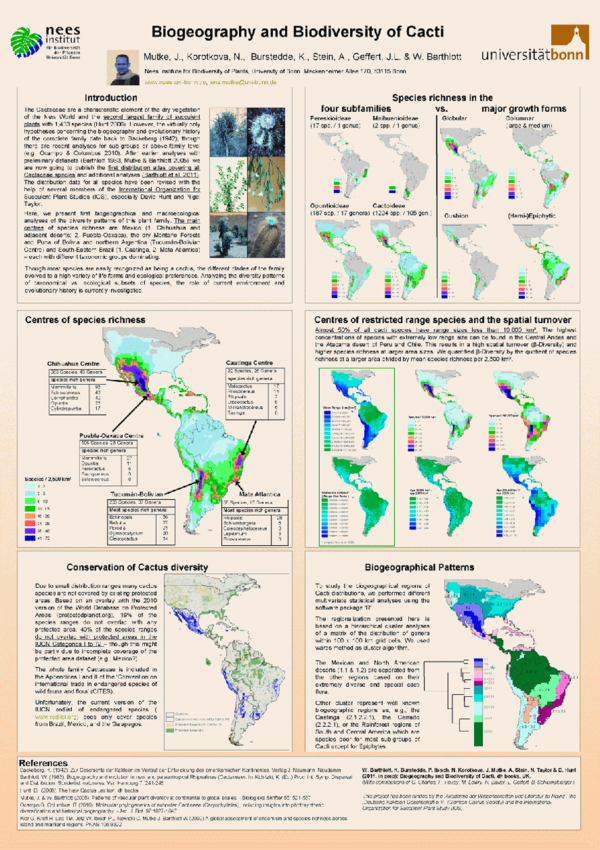
Despite their resilience, cacti face mounting threats from habitat loss, illegal collection, and climate change. Their role in sustaining biodiversity is jeopardized when populations decline, leading to cascading effects throughout dependent ecological networks. Efforts to conserve cacti habitats—through protected areas, restoration projects, and regulation of trade—are crucial for maintaining biodiversity integrity.
Furthermore, restoring cactus populations can serve as a keystone approach to reassembling fragmented ecosystems. Their ability to modulate microhabitats, provide resources, and support specialized fauna makes them invaluable allies in ecosystem recovery and biodiversity enhancement initiatives.
Cultural and Economic Contributions Underpinning Ecosystem Roles
Integral to many indigenous cultures and local economies is the multifaceted utility of cacti. Beyond ecological functions, cacti contribute to human wellbeing via food sources, traditional medicine, and materials. This anthropogenic connection frequently fosters conservation-minded stewardship, intertwining cultural heritage with ecological preservation.
The sustainable harvesting and cultivation of cacti further underscore the importance of integrating human use within biodiversity maintenance strategies. This synergy supports not only ecosystem functions but also the livelihoods and cultural identities of communities inhabiting cactus-rich regions.
In summation, cacti epitomize nature’s ingenuity in harmonizing survival with ecological stewardship. Their roles ripple through water cycles, trophic dynamics, symbiotic partnerships, and cultural landscapes—affecting the vitality and diversity of life in some of the world’s most challenging environments. Understanding and honoring these roles paves the way for robust conservation and celebrates the extraordinary complexity embedded within the humble yet majestic cactus.
FAQ
What roles do cacti play in ecosystems?
Cacti serve as keystone species, provide water and food sources for various organisms, and contribute to the stability of arid ecosystems.
How do cacti contribute to biodiversity?
Cacti support diverse animal species by offering nourishment and habitats, thereby maintaining ecological balance.
What are the main threats to cactus populations?
Cacti face threats from habitat loss, climate change, and illegal collection, which can disrupt the ecosystems that depend on them.





Leave a Reply