
Short Answer
Delving into the realm of cacti is akin to uncovering a secret treasure chest hidden within arid landscapes, where survival blends with artistry. Among the myriad of spiny wonders, Thelocactus species stand out like ancient sculptures carved by time itself. These enigmatic cacti weave together robust form, delicate floral displays, and an unyielding spirit that captivates botanical enthusiasts and collectors. With their bold ribs and vibrant blooms, Thelocactus embody the paradox of harshness intertwined with elegance. This guide unveils the most unique types of Thelocactus, exploring their distinctive traits and captivating appeal, inviting you to journey through their fascinating world.
The Thelocactus Genus: Nature’s Arid Masterpiece
Envision a mosaic of sun-baked stones, each with a story etched in its crevices. Thelocactus, belonging to the vast Cactaceae family, paint their narratives through robust ribs and majestic spines. Native primarily to Mexico and the southwestern United States, these globular or short columnar cacti have evolved a symphony of adaptations. Their stout, ribbed bodies not only serve as anchors to parched soil but act as natural sun shields, folding and unfolding like accordion pleats as they stretch towards the sun. This structural ingenuity conserves precious water, transforming them into living fortresses of resilience. Their spines, sharp as nature’s sentinels, provide both defense and a unique aesthetic, catching the light in ways that shimmer like armor forged by desert winds. The genus is a testament to evolution’s artistry, blending protection and allure in equal measure.
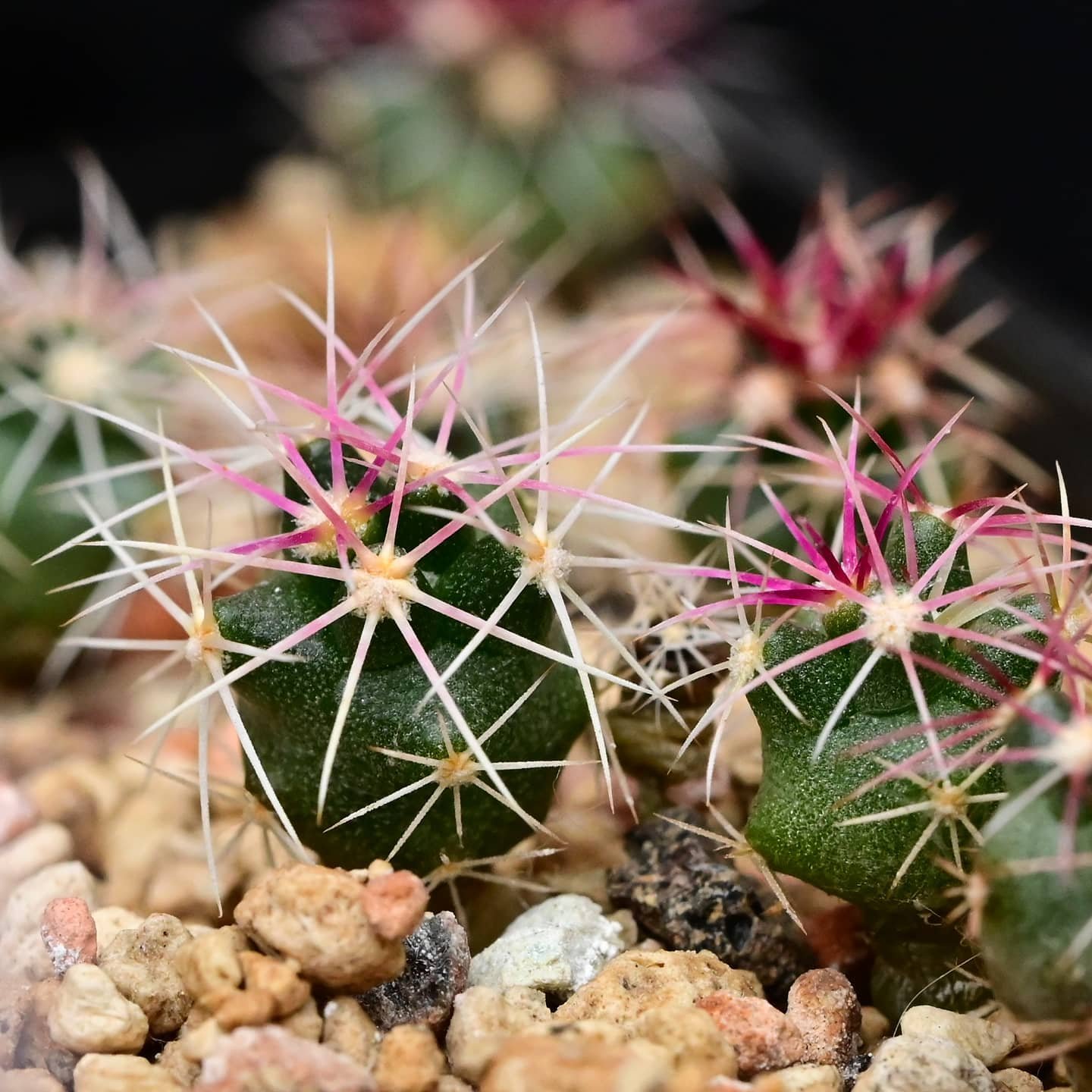
Thelocactus Bicolor: The Jewel of Contrast
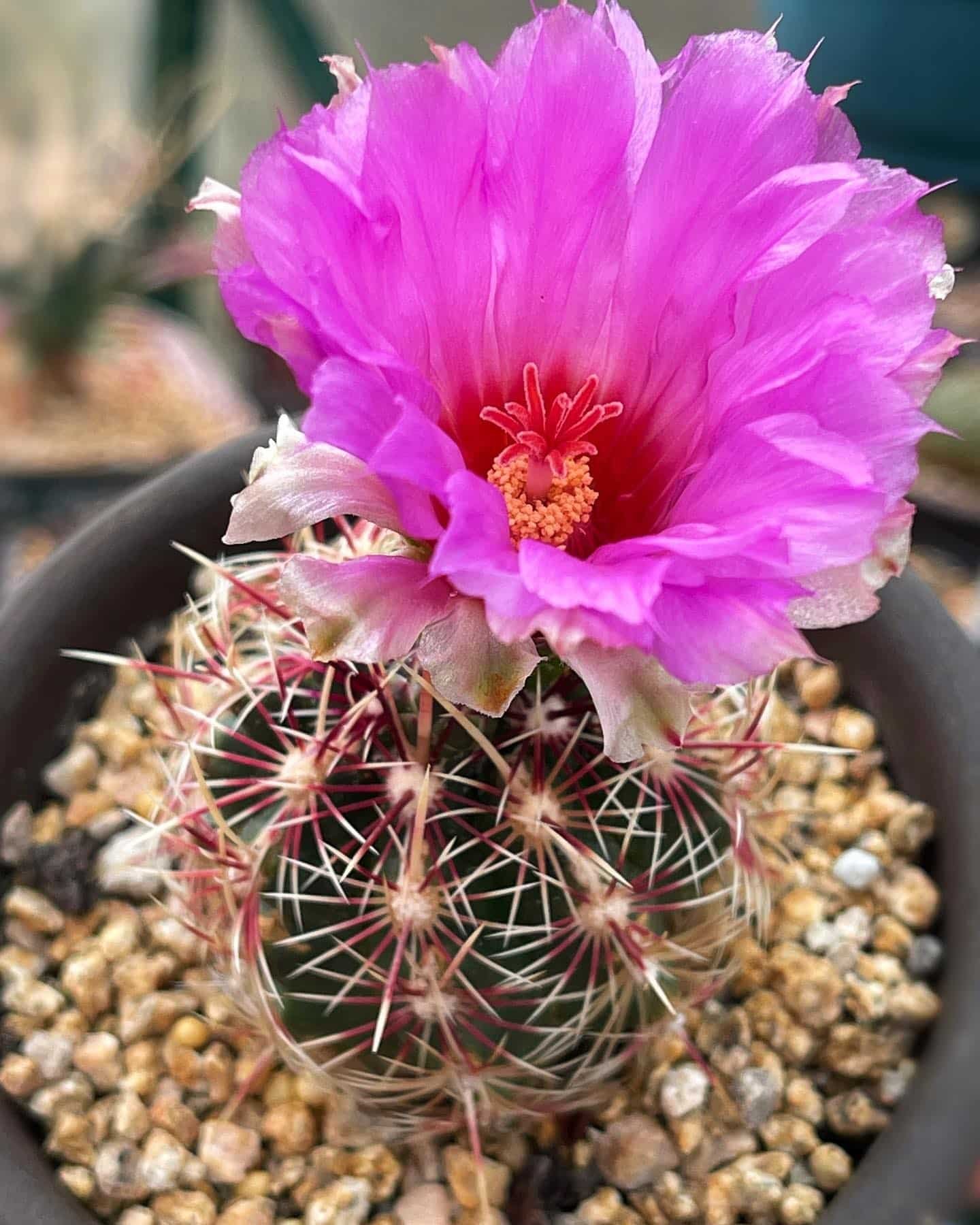
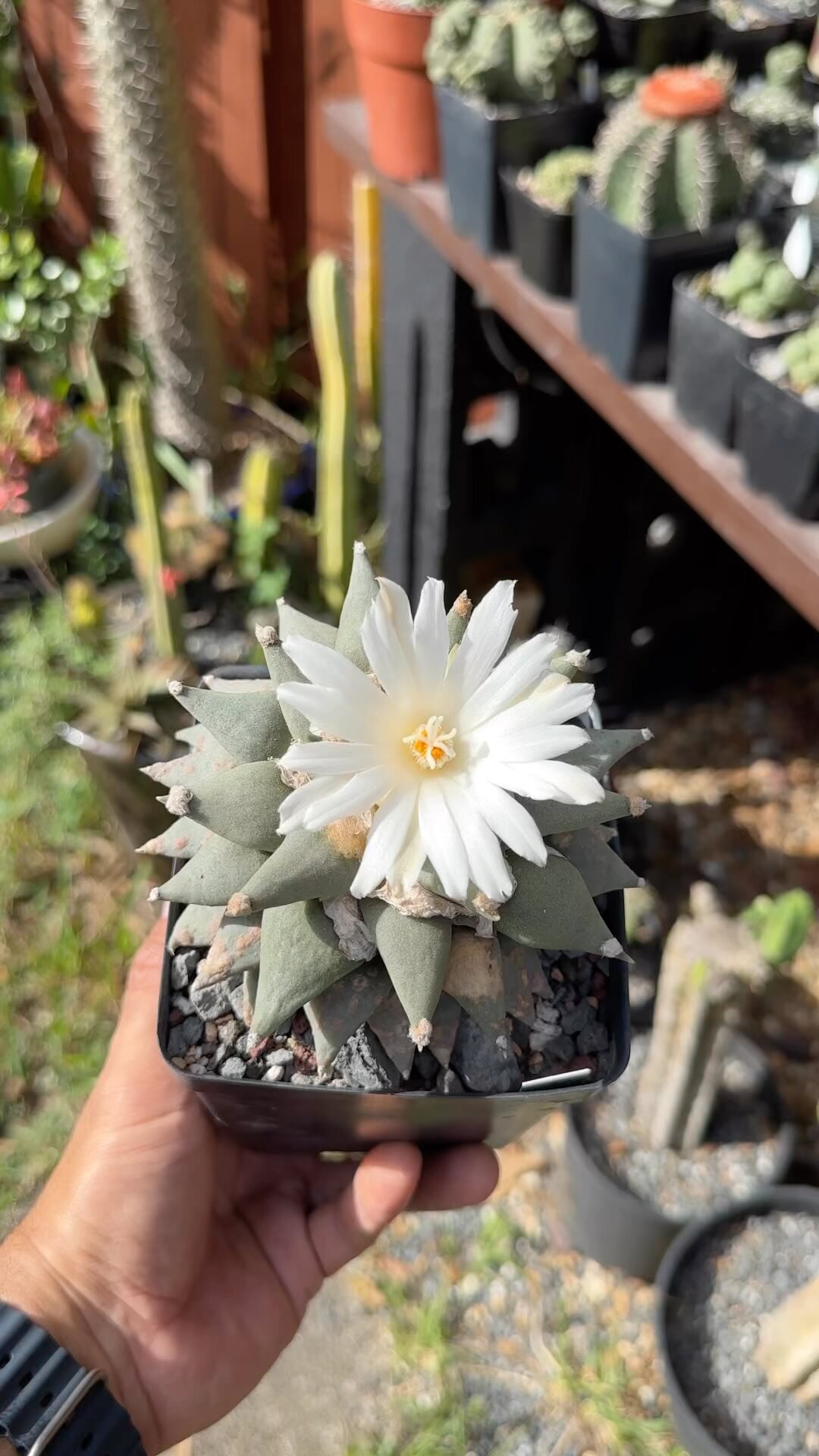
Among these desert marvels, Thelocactus bicolor reigns supreme with an almost theatrical flair. Aptly named for its striking dual coloration, this species flaunts a barrel-shaped body whose spines shift from creamy white to radiant brown tips. These spines burst forth from large, tuberculate ribs like bristles on an ancient brush, each one telling a story of survival in an unforgiving environment. But the true spectacle lies in its floral crown. When in bloom, Thelocactus bicolor unleashes flowers that span vibrant to soft hues—bright pinks and deep magentas—lasting but for a fleeting moment yet etching indelible memories in the observer’s mind. It is as if this cactus wears a crown of flames atop a fortress, a reminder that beauty can thrive even in the harshest arenas.
Thelocactus Matudae: The Desert’s Delicate Sentinel
Stepping into the realm of the more elusive, Thelocactus matudae presents a subtler narrative, like a whispered secret beneath the roaring desert sun. Smaller and more compact, this species forms clusters that resemble ancient dunes sculpted by persistent winds. Its spines are thinner, almost lace-like, offering a softer counterpoint to the more aggressive armor of its kin. Its flowers are a delicate spectacle of pale pinks and muted purples, blooming in the cooler dawn hours and retreating before the sun’s highest ascent. This ephemeral display adds an air of mystique, as though the plant is playing hide and seek with curious pollinators and passersby alike. Thelocactus matudae reminds us that in nature, quiet resilience is equally captivating.
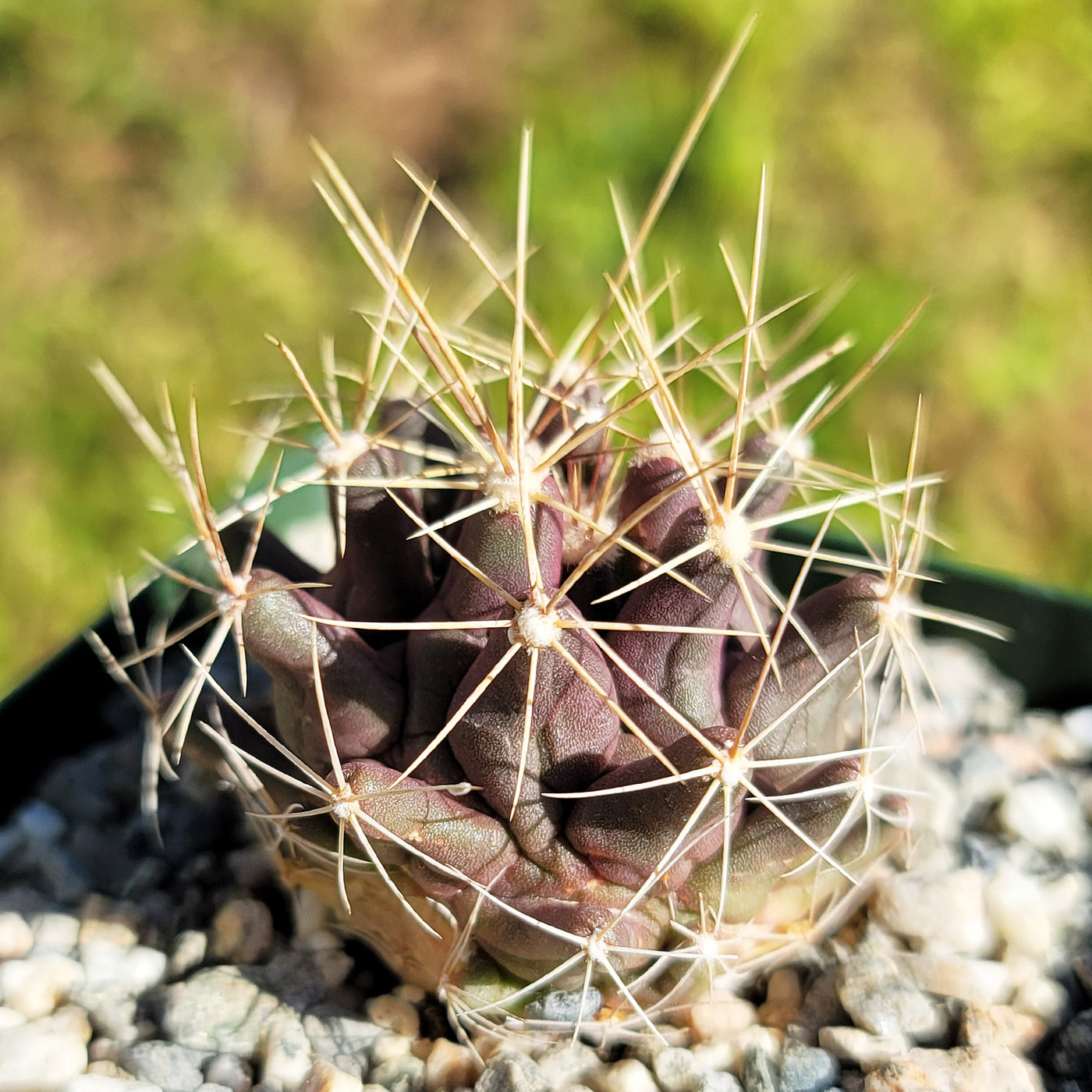
Ribs, Spines, and the Geometry of Survival
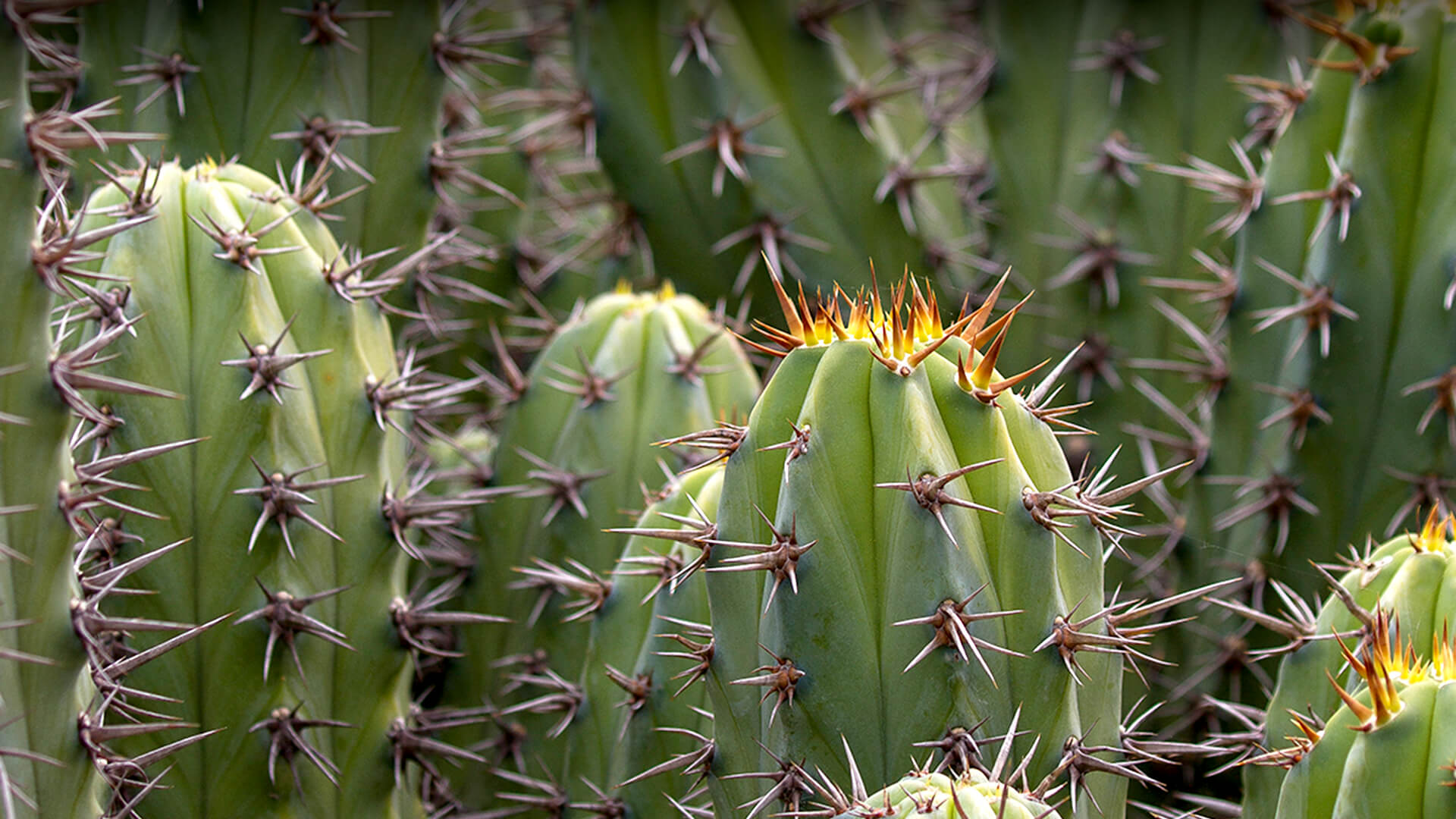
The architecture of Thelocactus is nothing short of geometric poetry. Their ribs are far more than mere structural supports. Acting like the facets of a gemstone, these ridges expand and contract with moisture availability, allowing the plant to maximize water retention with grace. Spines radiate from areoles positioned along the ribs, each spine aligned methodically to create patterns that baffle even seasoned botanists. These spiny arrays serve as microclimate regulators, casting shadows that lower surface temperature while deterring herbivores. Among Thelocactus species, the diversity of spine arrangement and coloration is astounding—ranging from dense mats of silvery needles to sparser clusters tinged with cinnamon hues—each design a survival manifesto written in form and function.
Thelocactus in Cultivation: From Arid Wilds to Botanical Collections
Capturing the essence of Thelocactus in cultivation is akin to bottling a desert sunset—challenging yet rewarding. These species demand an emulation of their native habitat’s extremes: blazing light, well-draining soil, and minimal water. Patience is paramount, as growth can be deliberate, almost meditative. Yet, the moment a flower unfurls, the gardener is rewarded with nature’s ephemeral art. Thelocactus thrive in rock gardens, succulent collections, and xeriscapes where their sculptural forms serve as both focal points and textural contrast. Their rugged beauty coupled with striking blooms ensures they occupy a cherished niche in horticultural circles. Enthusiasts often argue that no other cactus quite captures the spirit of the desert so eloquently.
The Unique Appeal: More Than Just a Cactus
To gaze upon a Thelocactus is to witness a botanical paradox—a creature both armored and delicate, ancient and alive. Its presence commands respect, an enduring testament to the silent poetry etched by deserts over millennia. Whether it is the dazzling, ephemeral flowers cresting robust barrels or the meticulous rib and spine geometry, Thelocactus embodies more than survival; it is a symphony of evolution’s subtle touches. The appeal lies not only in their visual spectacle but in the stories they tell—of perseverance, adaptability, and the eloquence found in nature’s most rugged corners. These species beckon us to look closer, to appreciate complexity on a scale both minute and monumental. Through every spine and every bloom, Thelocactus whispers an ancient invitation: to marvel, to protect, and to celebrate the intricate wonders tucked within the sun-soaked sands.
FAQ
What are some popular Thelocactus species?
Popular species include Thelocactus bicolor and Thelocactus matudae, each known for their unique characteristics and flowering patterns.
Can Thelocactus be grown indoors?
Yes, Thelocactus can be grown indoors as long as they receive adequate sunlight and proper care.

Leave a Reply