
Short Answer
There’s something quietly unsettling about watching a cactus—once a vibrant sentinel of the desert—begin to lose its verdant glow, its once-firm flesh softening into a dull, brownish hue. It’s as if the plant itself is whispering a secret, one that speaks of imbalance, neglect, or an unseen struggle beneath the soil. When a cactus turns brown, it’s rarely a simple cosmetic issue; it’s a distress signal, a plea for attention from a creature that thrives on resilience. But what does this discoloration truly mean? Is it a sign of overwatering, a fungal invasion, or perhaps an environmental mismatch? The answers lie not just in the visible symptoms but in the hidden rhythms of a plant that has adapted to endure the harshest conditions on Earth.
The Silent Language of Browning: What Your Cactus is Trying to Tell You
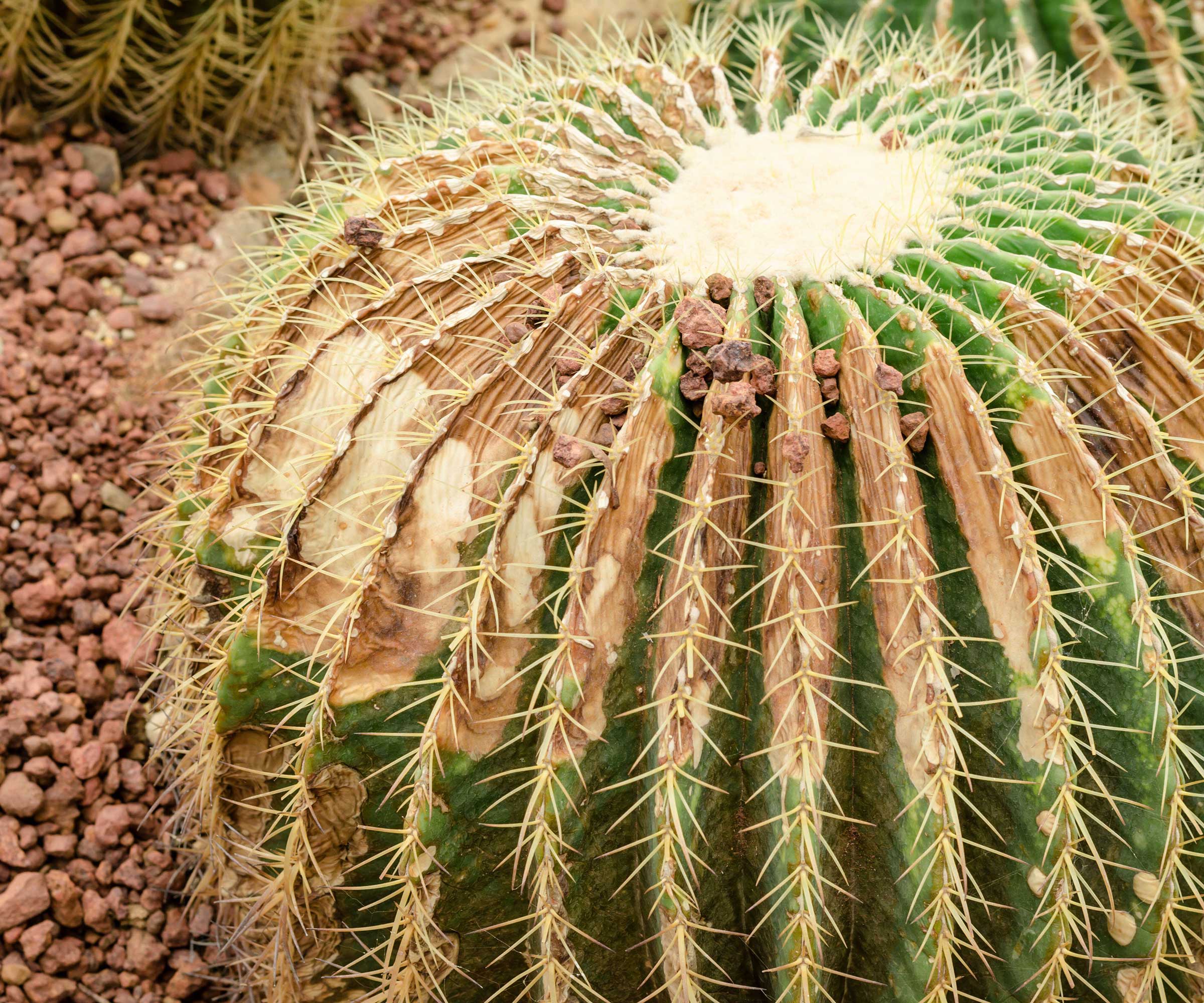
A cactus doesn’t turn brown overnight without reason. This discoloration is often the first visible symptom of a deeper imbalance, a disruption in the delicate equilibrium between water, light, and nutrients. Think of the brown patches as hieroglyphs etched into the plant’s flesh, each one a clue to a specific stressor. Overwatering, for instance, causes the cells to swell and burst, leading to a mushy, translucent brown decay—a stark contrast to the firm, opaque green of a healthy specimen. Conversely, underwatering may cause the cactus to desiccate, its once-plump body shriveling into a leathery brown husk. But the story doesn’t end there. Environmental factors like poor drainage, sudden temperature drops, or even an excess of direct sunlight can trigger this chromatic shift. The key lies in observing not just the color but the texture and location of the browning. Is it soft and spreading? Likely rot. Is it dry and localized? Probably sun damage or dehydration. The cactus, in its silent way, is narrating its own tale of survival—or struggle.
Root Rot: The Invisible Menace Beneath the Soil
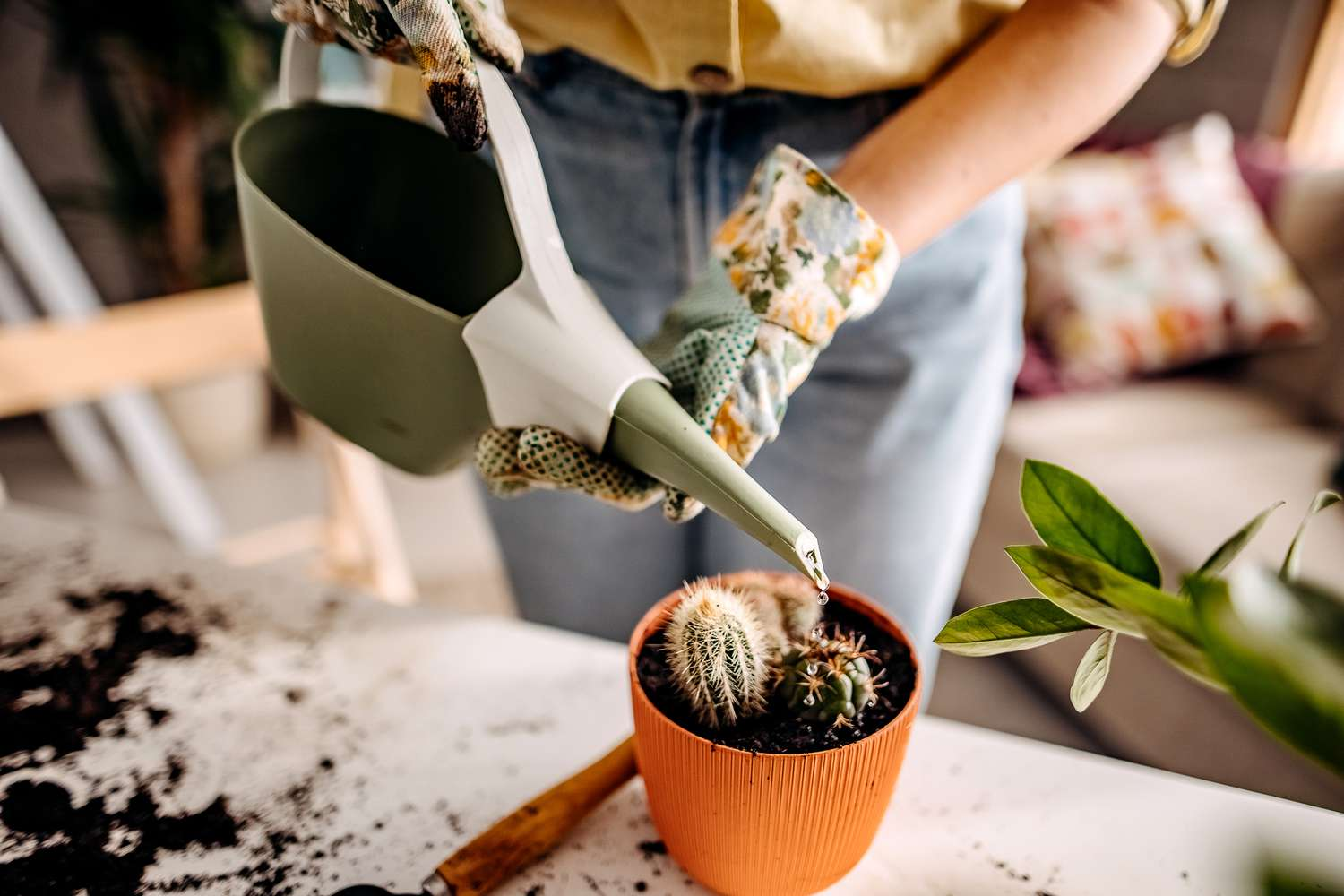
Few things are as insidious as root rot, a stealthy killer that begins its work underground before the first brown spot appears above. This condition arises when excess moisture lingers in the soil, suffocating the roots and creating a breeding ground for fungi and bacteria. The cactus, unable to absorb nutrients or water efficiently, starts to starve. The initial signs are subtle: a slight yellowing of the lower spines, followed by a softening of the stem. As the rot progresses, the brown discoloration spreads upward, accompanied by a foul, musty odor emanating from the soil. The irony is cruel—this plant, evolved to thrive in arid conditions, is drowning in its own environment. Prevention is the only cure. Ensure your cactus resides in a well-draining soil mix, preferably one amended with perlite or coarse sand. Water only when the soil is completely dry to the touch, and always use pots with drainage holes. If root rot has already set in, act swiftly: trim away the affected roots with sterilized shears, repot the cactus in fresh soil, and withhold water for at least a week. The cactus may look battered, but with time, it can recover its former vigor.
Sunburn: When the Desert’s Embrace Becomes a Scorching Grasp
Cacti are sun-worshippers, but even they have their limits. Too much direct sunlight—especially after a long period of indoor dormancy—can scorch their delicate epidermis, leaving behind unsightly brown patches. This is particularly common in species like the Echeveria or Mammillaria, which are accustomed to partial shade in their natural habitats. The damage often appears as dry, papery spots that feel rough to the touch, a stark contrast to the smooth, supple skin of a well-adapted plant. The solution? Gradual acclimatization. If you’ve moved your cactus outdoors or increased its light exposure, do so over the course of several weeks, allowing it to build a natural sunscreen in the form of a waxy cuticle. For indoor plants, ensure they receive bright, indirect light, or supplement with grow lights if necessary. Remember, the sun’s intensity varies by season and location; what’s tolerable in spring may be devastating in peak summer. A cactus’s ability to endure the desert’s glare is a testament to its resilience, but even the hardiest specimens need a little shade now and then.
Pests and Pathogens: The Unseen Invaders
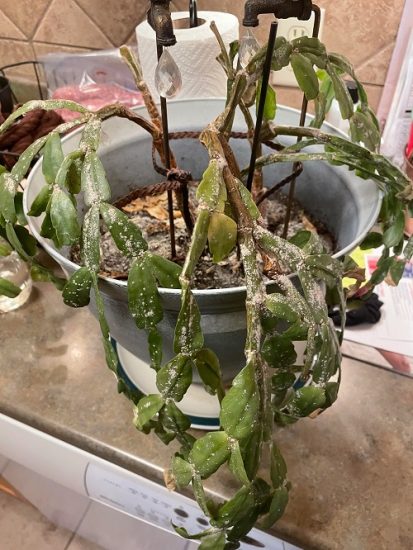
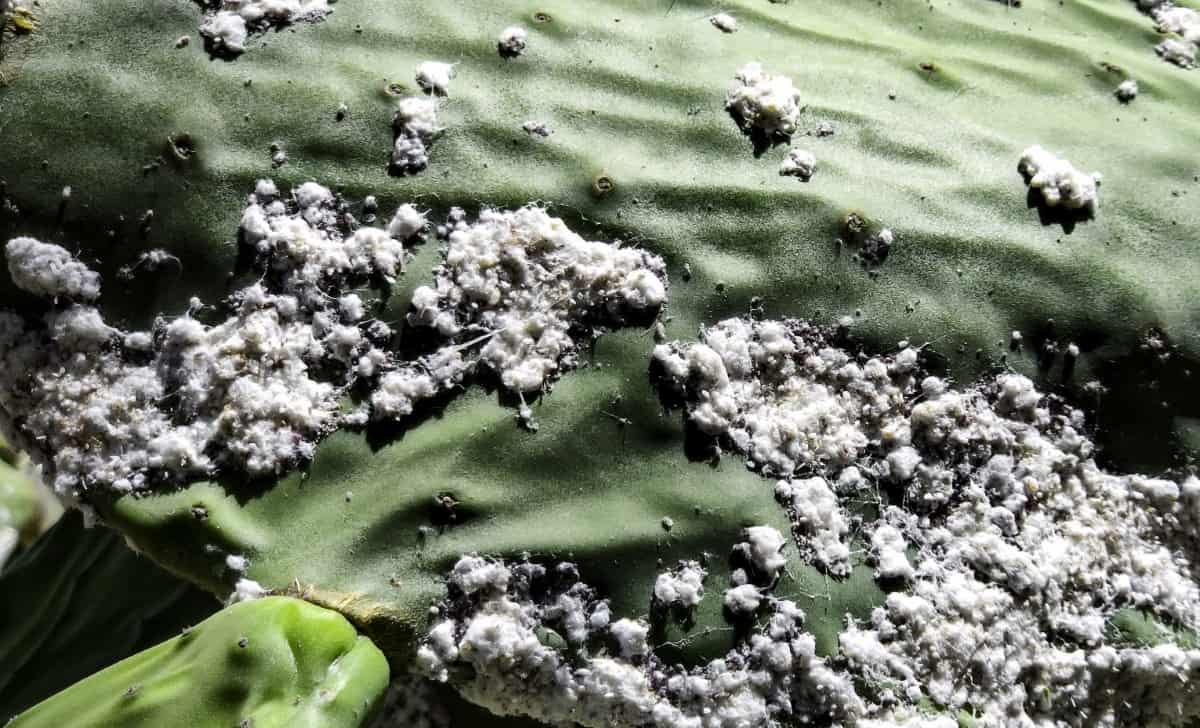
Not all threats to a cactus’s health are environmental; some come in the form of tiny, relentless predators. Mealybugs, scale insects, and spider mites are among the most common culprits, each leaving their own distinct mark. Mealybugs, for instance, appear as cottony white clusters nestled in the spines or crevices of the cactus, their feeding causing localized tissue death and brown discoloration. Scale insects, meanwhile, secrete a protective shell that blends into the plant’s surface, slowly sapping its vitality. Fungal infections, such as those caused by Phytophthora or Fusarium, can also turn the cactus’s flesh brown, often accompanied by a fuzzy or powdery growth. The battle against these invaders begins with vigilance. Inspect your cactus regularly, paying close attention to the undersides of leaves and the base of the stem. If pests are detected, isolate the plant immediately and treat it with a solution of neem oil or insecticidal soap, repeating the application weekly until the infestation subsides. For fungal issues, remove the affected areas with sterilized tools and apply a copper-based fungicide. The cactus may be resilient, but it’s not invincible—early intervention is the difference between recovery and decline.
Nutritional Deficiencies: The Hidden Hunger of a Desert Dwellers
A cactus’s diet is as austere as its environment, but it still requires a balanced intake of nutrients to maintain its vibrant hue. A deficiency in essential minerals like magnesium, nitrogen, or potassium can manifest as brown spots, yellowing, or stunted growth. For example, a lack of magnesium often leads to interveinal chlorosis, where the tissue between the veins turns brown while the veins themselves remain green. Nitrogen deficiency, on the other hand, causes the cactus to lose its lush green color, turning a sickly yellow-brown. The solution lies in a carefully curated feeding regimen. Use a balanced, water-soluble fertilizer diluted to half-strength, applied only during the growing season (spring and summer). Avoid over-fertilizing, as this can lead to salt buildup in the soil, further stressing the plant. Organic amendments like worm castings or compost can also provide a slow-release source of nutrients, mimicking the cactus’s natural diet in the wild. Think of it as a gourmet meal for a plant that thrives on simplicity—just enough to keep it thriving, but never so much that it overwhelms.
Prevention and Long-Term Care: Cultivating Resilience
The best defense against a browning cactus is a proactive approach to its care. Start with the foundation: soil. A cactus’s roots need to breathe, so opt for a gritty, well-draining mix that mimics the rocky terrain of its native habitat. Watering should be a deliberate act, not a routine. Let the soil dry out completely between waterings, and always err on the side of underwatering—cacti are far more forgiving of drought than they are of excess moisture. Light is another critical factor. Most cacti prefer bright, indirect light, with some species requiring partial shade to prevent scorching. Rotate your plant regularly to ensure even growth, and watch for signs of etiolation (stretching toward the light), which indicates a need for more sunlight. Finally, observe your cactus like a detective solving a mystery. Note changes in color, texture, and growth patterns, and don’t hesitate to adjust care routines as needed. A cactus’s ability to bounce back from adversity is nothing short of remarkable, but it relies on you to provide the right conditions. With patience and attentiveness, your browned cactus can reclaim its former glory, standing tall once again as a testament to nature’s tenacity.
FAQ
What causes a cactus to turn brown?
A cactus can turn brown due to overwatering, underwatering, root rot, sunburn, pest infestations, or nutritional deficiencies.
How can I prevent my cactus from turning brown?
Ensure proper watering, provide adequate light, use well-draining soil, and regularly inspect for pests.
What should I do if my cactus is showing signs of root rot?
Trim affected roots, repot in fresh soil, and avoid watering for a week to help recovery.


Leave a Reply