
Short Answer
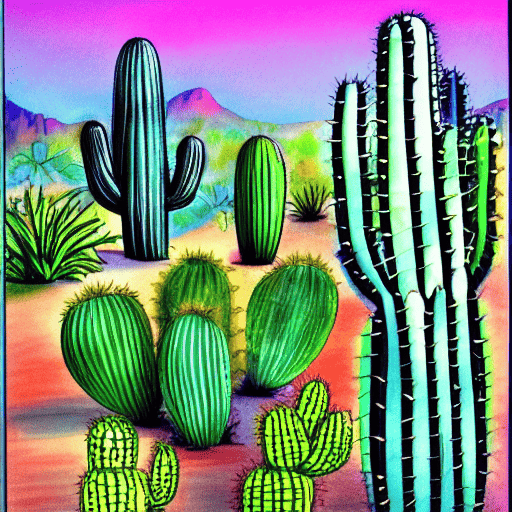
In the evolving world of sustainable agriculture and ecological landscaping, permaculture design stands out as a holistic approach to creating resilient and thriving ecosystems. Among the many plants that permaculturists can harness, cacti emerge as fascinating and highly adaptable allies. Their unique physiology, diverse forms, and ecological functions make them invaluable for water-wise gardening, soil conservation, and biodiversity enhancement. This guide explores the multifaceted ways cacti can be integrated strategically into permaculture design, elevating the vitality and sustainability of cultivated landscapes.
Understanding the Role of Cacti in Permaculture Systems
Cacti possess an innate ability to conserve water, thrive in nutrient-poor soils, and withstand harsh climatic conditions. These attributes align perfectly with permaculture principles that emphasize working with nature rather than against it. Within a permaculture system, cacti act as natural barriers, microhabitat creators, and living water tanks. Their spiny architecture offers protection from grazing animals, while their dense root networks help stabilize soil and reduce erosion. Moreover, many species flower vibrantly, attracting pollinators and fostering biodiversity.

Selecting Suitable Cacti Species for Your Climate and Soil
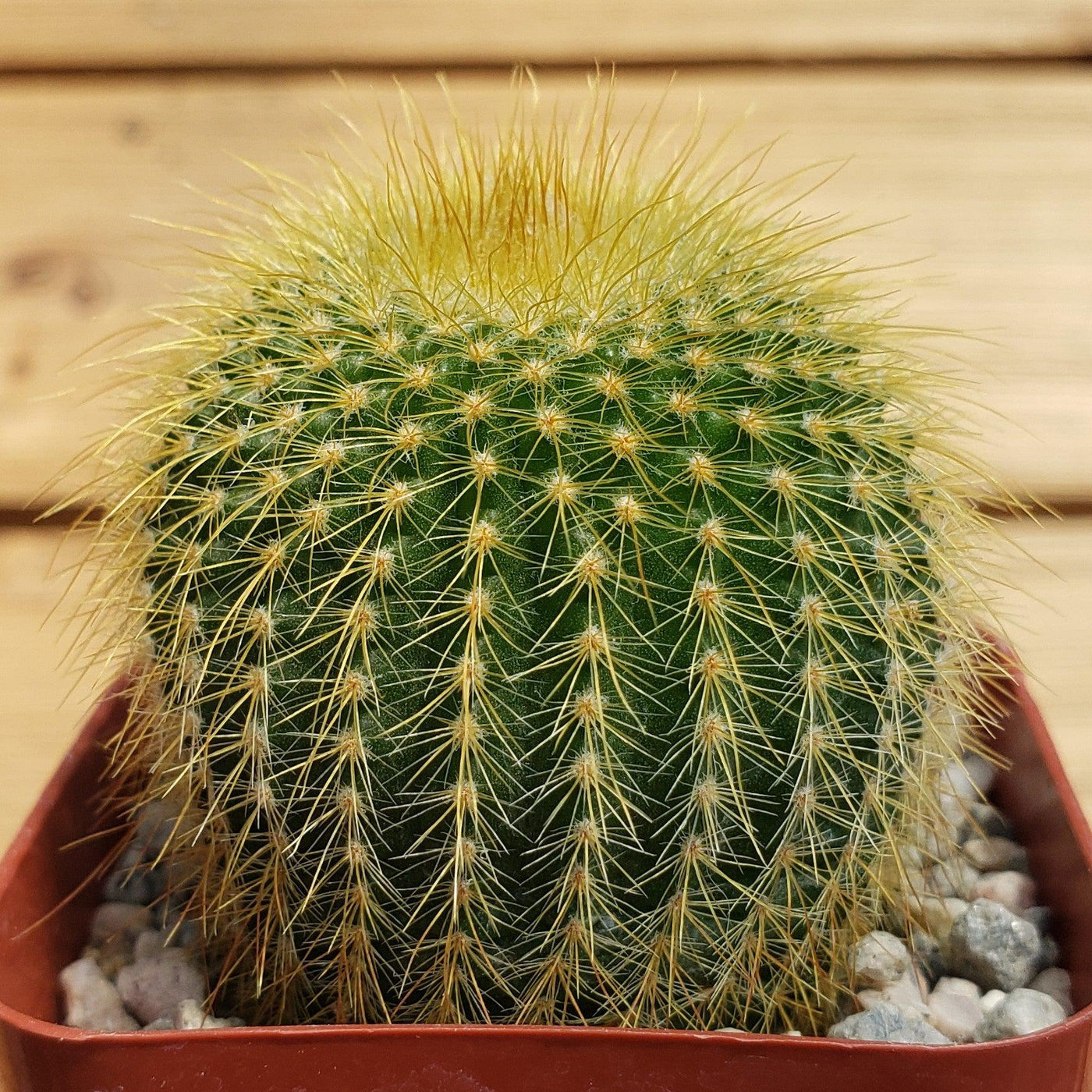
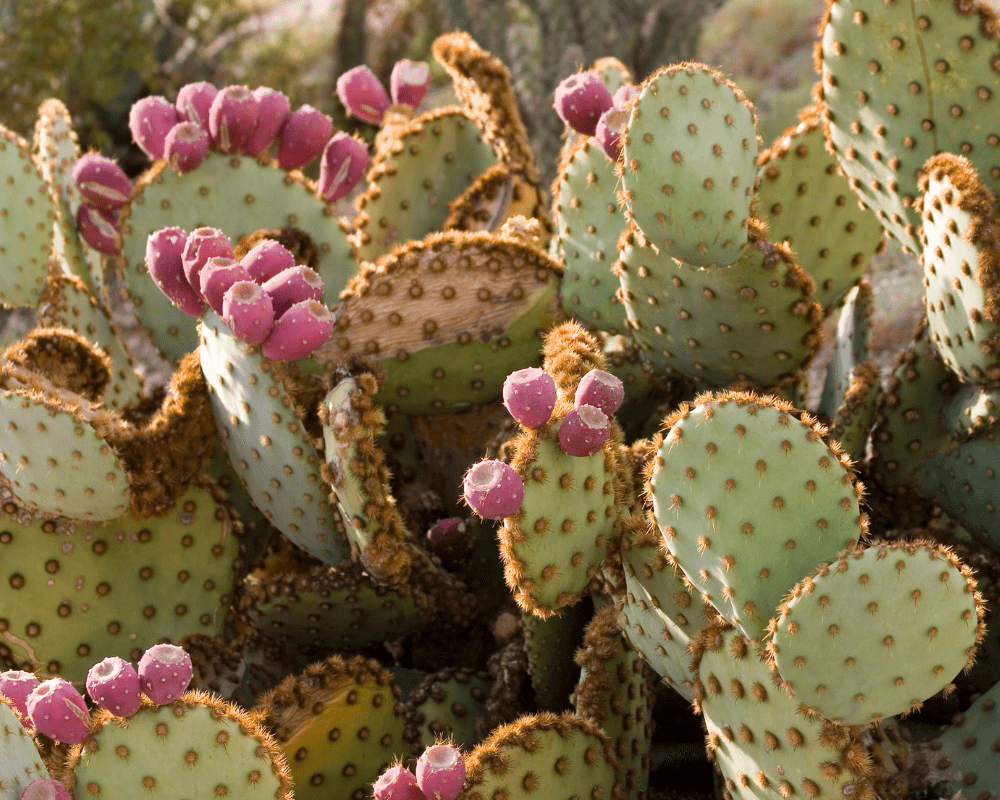
Permaculture thrives on diversity and localization. Choosing the right species of cactus can profoundly impact the success of your design. For arid and semi-arid zones, species like Opuntia (Prickly Pear) and Echinopsis are excellent for their robustness and edible qualities. In slightly more temperate regions, smaller cacti with intricate forms, such as Mammillaria or Ferocactus, can be introduced as accent plants or for microclimate modulation. Soil drainage and pH also guide species selection, as cacti generally prefer sandy, well-drained substrates with a neutral to slightly acidic pH.

Incorporating Cacti into Water Management Strategies
Water scarcity plagues many agricultural settings, making efficient water use a cornerstone of permaculture. Cacti, with their succulent tissues and Crassulacean Acid Metabolism (CAM) photosynthesis, minimize water loss and can act as living reservoirs. Strategically placed, they can intercept rainwater and reduce surface runoff, redirecting moisture deeper into the soil. Integrating cacti in swales, keyline patterns, or beside drip irrigation systems maximizes their water retention benefits while supporting neighboring plants with microclimate amelioration, such as shading and wind buffering.
Using Cacti for Soil Enhancement and Erosion Control
The root systems of cacti, often shallow but widespread, bind the soil effectively, guarding against erosion on slopes and degraded lands. In permaculture, they are valuable for rehabilitating fragile terrains and preserving topsoil integrity. Certain cacti also contribute organic matter through leaf and flower litter, gradually enriching the soil. When paired with nitrogen-fixing companion plants, they help create fertile guilds, enhancing overall soil health and promoting nutrient cycling.
Designing Cacti Guilds for Biodiversity and Yield
Guilds are fundamental in permaculture: groups of plants that support each other in a mutually beneficial network. Cacti can act as central figures in such guilds, offering shelter and resources to various organisms. For example, planting cacti alongside pollinator-friendly herbs and ground covers can amplify flower visitation while suppressing weeds. Additionally, some cacti produce edible fruits or pads which contribute to food security. Integrating them with perennials like agave, yucca, or drought-tolerant legumes creates multifaceted layers of productivity and resilience.

Enhancing Microclimates with Cacti Placement
Temperature extremes and strong winds can stress many plants; however, cacti are adept at moderating microclimates. Their structural mass can absorb daytime heat and release it at night, stabilizing temperature fluctuations. Planting cacti as windbreaks or sunshades can create hospitable niches for more delicate species. The varied heights and densities of cacti can be used to sculpt light and airflow patterns, crafting harmonious microenvironments within the permaculture site. This nuanced control fosters plant diversity and boosts ecosystem function.
Harvesting and Utilizing Cacti in Permaculture
Beyond their ecological functions, cacti are valuable for their practical uses. Many cacti offer edible fruits, seeds, and pads rich in nutrients and dietary fiber. Their waxes and juices have been traditionally used in cosmetics, medicines, and water purification. When harvesting, sustainability is essential—only taking what the plant can regenerate preserves ecosystem balance. Additionally, cacti cuttings propagate easily, enabling gardeners to expand plantings without depleting wild populations. Integrating these uses adds economic and nutritional dimensions to permaculture designs.
Maintaining and Propagating Cacti in Permaculture Landscapes
Once established, cacti require minimal input, but thoughtful maintenance ensures their continued contribution to the ecosystem. Mulching around base areas conserves moisture and deters weeds, while occasional pruning encourages healthy growth. Propagation is straightforward via seeds or stem cuttings, making it accessible for both beginners and experienced permaculturists. Monitoring for pests or diseases is important, as early detection allows for organic management interventions. Through careful stewardship, cacti become enduring pillars of resilient permaculture systems.
Integrating Aesthetic and Cultural Dimensions
Cacti also enrich the landscape aesthetically and culturally. Their sculptural forms and vibrant blooms provide visual interest and seasonal dynamism. Used in garden design, they evoke desert beauty and invite contemplation of natural processes. Moreover, cultural associations of cacti with endurance, protection, and adaptability inspire permaculture practitioners to embrace these philosophies in their work. The fusion of function and artistry with cacti deepens the emotional and spiritual connection to the land, a cornerstone of regenerative agriculture.
Incorporating cacti into permaculture design weaves together ecological, practical, and cultural threads that create a tapestry of sustainability. From water-wise gardening and soil regeneration to enhancing biodiversity and harvesting unique resources, cacti stand as resilient stewards in the evolving dialogue between humans and nature. With an eye toward diversity, context, and thoughtful management, these extraordinary plants can transform permaculture landscapes into thriving, harmonious ecosystems.
FAQ
What are the benefits of using cacti in permaculture design?
Cacti help conserve water, enhance soil health, provide habitats for wildlife, and can serve as edible plants, making them valuable in sustainable agricultural practices.
How do I select suitable cacti species for my climate?
Choose species based on local climate conditions, soil type, and desired ecological functions. For arid areas, consider robust species like Opuntia, while more temperate regions can accommodate smaller varieties.
What role do cacti play in water management?
Cacti can minimize water loss through CAM photosynthesis and act as living reservoirs, helping to intercept rainwater and support adjacent plants.




Leave a Reply