

Short Answer
Delving into the botanical world often unravels hidden gems that redefine our understanding of plant beauty and resilience. Among cactus aficionados and succulent enthusiasts alike, the genus Acanthocereus stands as a testament to nature’s artistry—offering species that challenge conventional perceptions with their unique structures and intriguing adaptations. Journey through a spotlight on the most captivating Acanthocereus varieties, where wild forms and enigmatic growth patterns promise to shift your perspective on desert flora forever.
The Acanthocereus Genus: A Prelude to Exotic Elegance
Within the sprawling family of Cactaceae, Acanthocereus asserts a distinct presence characterized by its robust, often sprawling shrubs or small tree-like forms. Native primarily to tropical and subtropical regions of the Americas, these cacti break the mold of typical columnar or globular cacti with their elongated, often sinuous branches. The name itself, derived from Greek roots meaning “thorny candle,” hints at their slender, ribbed stems adorned with formidable spines. But beyond mere aesthetics, these plants embody remarkable ecological strategies to thrive in fluctuating climates—from coastal dry forests to arid deserts.

Acanthocereus tetragonus: The Triangle Pillar Captivating Collectors
Arguably the most renowned species within the genus, Acanthocereus tetragonus, often referred to as the “Triangle Cactus,” defies ordinary symmetry with its unmistakable three-sided stems. Each facet runs longitudinally, lined with clusters of spines that form geometric patterns reminiscent of indigenous art. Beyond its captivating morphology, this species exhibits astonishing vigor—its vigorous cascading habit enables it to scale walls or trail dramatically from hanging containers.
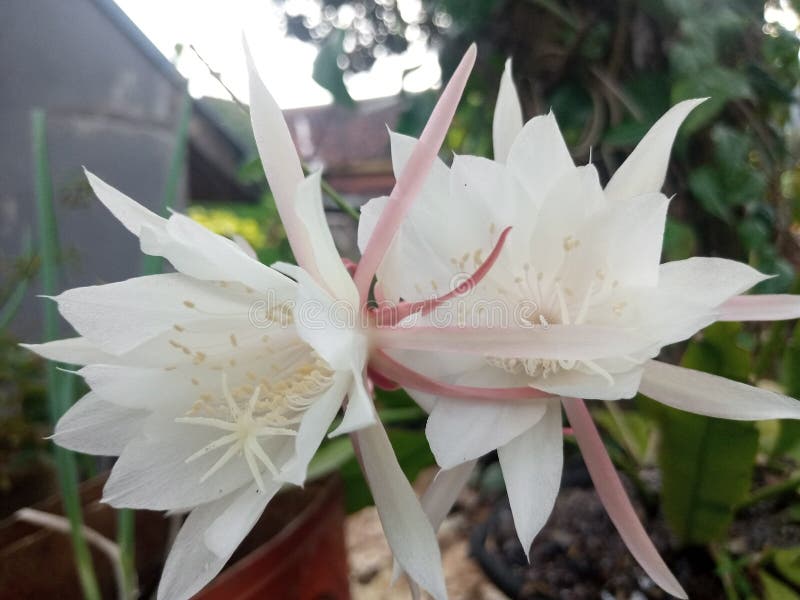
Seasonally, the cactus produces sizable nocturnal flowers infused with subtle fragrances, enticing nocturnal pollinators like moths. These blossoms are ephemeral, lasting only a night, yet they are striking in size and pure white hue—a luminous beacon in the desert twilight. The dichotomy of harsh spines and delicate blooms embodies a paradox that invites wonder and admiration.
Acanthocereus brasiliensis: The Coastal Sentinel of Brazil
Venturing into the Brazilian coastline reveals Acanthocereus brasiliensis, a species whose robust, segmented stems embody the raw power of Atlantic coastal deserts. This variety’s thicker ribs and longer, more formidable spines provide a fortress-like defense against herbivores and harsh seaside winds. What distinguishes this species is not merely its form but its habitat adaptation—thriving in rocky, saline conditions where less tolerant flora wither.
Its floral display is equally riveting. The creamy white blossoms open under the cloak of night, offering nectar to a specialized cadre of pollinators adapted to coastal ecosystems. Gardeners who cultivate this species laud its resilience, especially in xeriscapes where salty sea breezes and sporadic droughts test plant endurance relentlessly.
Acanthocereus subinermis: The Almost-Spineless Enigma
The epithet “subinermis,” meaning “almost unarmed,” perfectly encapsulates the curious nature of this variety. Unlike its more aggressively spined relatives, Acanthocereus subinermis exhibits a radical shift towards minimal ornamentation in the form of reduced spines, or in some cases, virtually absent thorn defenses. This aberration intrigues botanists and collectors alike as a compelling study in evolutionary plasticity—how a cactus can afford to shed one of its principal deterrents while maintaining ecological viability.
Its stems maintain the typical ribbed profile, yet their soft appearance belies a latent fortitude. The species’ less intimidating visage makes it particularly appealing in indoor or ornamental settings where child and pet safety is a concern without sacrificing aesthetic uniqueness. Flowering is less dramatic but no less essential, completing an evolutionary story still being deciphered.
The Ecological and Horticultural Promises of Acanthocereus
Exploring the diversity of Acanthocereus species is not just an exercise in botanical appreciation; it reveals profound insights into adaptation and survival in variable environments. Their morphological variety stretches from rigid, spine-studded ramparts to more subtle, almost gentle forms—each a chapter in a larger narrative of environmental resilience. They thrive where many cacti falter, making them invaluable trial subjects for researchers studying drought tolerance, water use efficiency, and pollination biology.
For horticulturists, they offer more than just curiosity; they present versatility. From sculptural landscape elements to container plants that trail and climb, these cacti adjust well to cultivation, responding positively to pruning and propagating readily from cuttings. Their nocturnal blooms, though fleeting, invite a nocturnal garden experience, encouraging enthusiasts to rethink when and how to appreciate botanical beauty.
Fostering Curiosity Beyond the Familiar: Why Acanthocereus Deserves a Spotlight
When most envision cacti, the image that springs to mind is often stereotypical—stout, prickly, perhaps monotonously green. Yet Acanthocereus species disrupt this cliché with their unmistakable silhouettes and ecological narratives. They invite onlookers and gardeners into a world where form meets function in extraordinary fashion, where the line between desert endurance and botanical artistry blurs.
Spanning sprawling thorny arms that mimic sculptural chandeliers to delicate nocturnal flowers shimmering under moonlight, these species implore us to reconsider the usual definitions of beauty and resilience. Let the Acanthocereus genus be a catalyst to expand your botanical curiosity—a vivid reminder that the plant kingdom holds many more stories than the ones commonly told.
FAQ
What is Acanthocereus?
Acanthocereus is a genus of cacti known for their unique shapes and adaptations, primarily found in tropical and subtropical regions.
What are the characteristics of Acanthocereus tetragonus?
Acanthocereus tetragonus, commonly known as the Triangle Cactus, has three-sided stems and produces large nocturnal flowers.

Leave a Reply