
Short Answer
Embarking on the journey to start a cactus nursery is an exciting endeavor, one that combines passion, patience, and a touch of botanical artistry. Cacti are not only remarkably resilient plants; they also have a unique aesthetic that captivates enthusiasts around the globe. This beginner’s guide will illuminate the essential steps needed to cultivate a thriving cactus nursery, focusing on different types of knowledge and content you will encounter along the way. From understanding diverse cactus varieties to mastering propagation techniques, and even creating visually appealing displays, this guide provides a comprehensive roadmap to help you grow both your cactus collection and your business.
Understanding Different Cactus Varieties
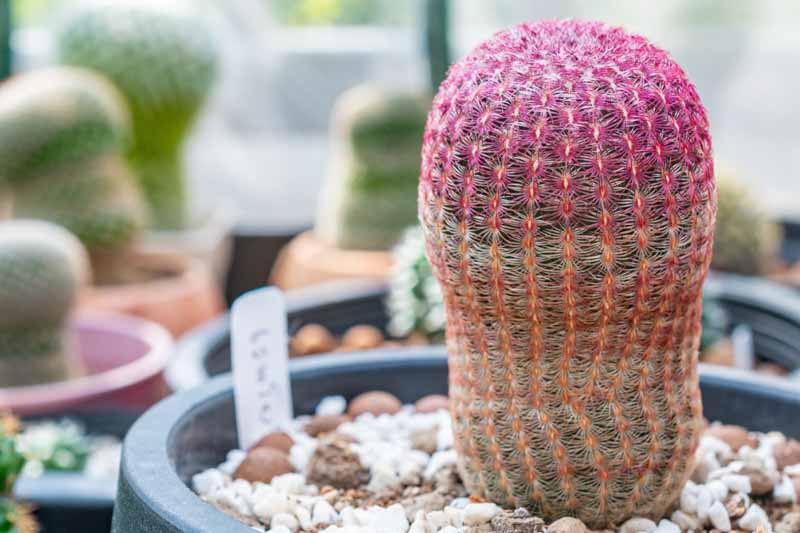
The foundation of a successful cactus nursery lies in knowing the myriad species and cultivars you will be working with. Cacti come in a dazzling array of shapes, sizes, and colors—from the spherical globular forms to the towering, columnar giants. Some, like the popular Golden Barrel or the exuberant Bunny Ear cactus, offer striking visual appeal. Others, such as the Peanut Cactus or the exotic Moon Cactus, provide intriguing textures and colors that entice collectors.
Exploring the taxonomy, native habitats, and growth habits of your chosen species allows you to tailor your nursery environment specifically to their needs. It’s not just about picking attractive plants; it’s about understanding the nuanced care each species requires — including light exposure, soil type, and watering frequency.

This knowledge empowers you to curate a diverse yet harmonious collection, bolstering your nursery’s reputation as an expert supplier in the cactus market.
Setting Up the Ideal Growing Environment
The microclimate of your nursery is critical to cactus health and growth. Cacti flourish in bright, arid conditions with well-draining substrates. Selecting a location with ample natural light or investing in horticultural grow lights can simulate the intense sunlight cacti crave. Ensure proper ventilation to prevent humidity build-up, which can wreak havoc on these drought-adapted plants.
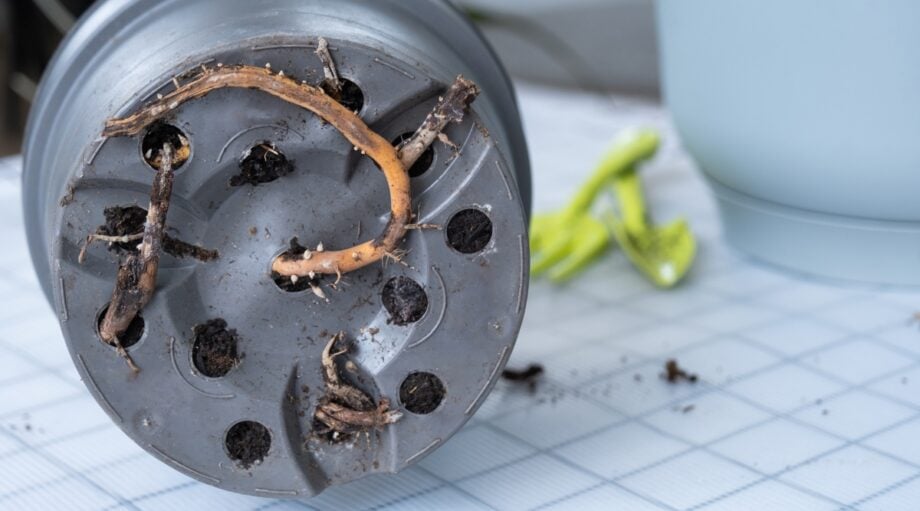
The potting mix is equally pivotal. A custom blend of sand, perlite, and organic material encourages rapid drainage and prevents root rot. Equipping your nursery with the right containers—ranging from small propagation trays to decorative pots—provides structure for the plants and ease for their movement and display.
Climate control, irrigation systems, and shading mechanisms may require adjustment seasonally to mimic a plant’s native environment. Mastery in these areas guards against common pitfalls and fosters vigorous, healthy specimens.
Propagation Techniques: From Seed to Clone
Propagation is where your cactus nursery begins to grow exponentially. You’ll encounter various methods such as seed sowing, offsets (pups), grafting, and cuttings. Each technique demands patience and careful technique.
Seed sowing is an intricate but rewarding process. Seeds must be sown in sterile, well-draining media and kept humid yet aerated. Germination times vary widely, sometimes taking weeks or even months, requiring consistent monitoring.
Offsets or pups, which are small clones produced by mature cacti, can be delicately detached and replanted to produce genetically identical plants. This method is quicker than seed propagation and offers certainty about the progeny’s traits.
Grafting
Each propagation type teaches different sets of skills, and embracing these will elevate your nursery’s production capabilities and variety.
Essential Care and Maintenance Practices
Once your cactus collection begins to flourish, diligent care is paramount. Watering must be timely but sparing; overwatering is the most common cause of failure in cactus cultivation. A deep soak followed by weeks of dryness mimics the desert environment.
Fertilization can be introduced sparingly during the growing season with specialized cactus fertilizers containing balanced micronutrients. Regular inspection for pests such as spider mites, mealybugs, and fungal infections is crucial. Implementing organic or chemical controls promptly minimizes damage.
Pruning dead or damaged growth encourages vitality and helps maintain an aesthetically appealing nursery. Monitoring growth patterns and adjusting plant positions ensures uniform exposure to light, preventing etiolation—a condition where cacti become elongated and weak due to insufficient light.
Creating Attractive Nursery Displays
A nursery is not only a production space but also a marketplace and showroom. Presentation dramatically influences sales and customer experience. Integrating decorative elements such as rustic wooden shelves, stone accents, and thematic pots can highlight the natural beauty of cacti.
Grouping cacti by type, size, or color palettes helps customers navigate your nursery with ease and find plants that best suit their tastes. Displaying informative signs or care tags educates buyers and enriches their connection to the plants.

Seasonal arrangements, gift sets, and DIY cactus planting kits add layers of attraction and sales possibilities, encouraging repeat visits and expanding your customer base. Thoughtful merchandising transforms your nursery into a vibrant community hub for cactus enthusiasts.
Marketing and Growing Your Cactus Nursery Business
With a healthy stock and beautiful displays, the next frontier is sharing your passion with the world. Developing an online presence through an informative website, social media channels, and engaging content can build a loyal following. Tutorials on care, propagation, and styling—offered as blog posts, videos, or infographics—position you as a trusted authority.
Participating in plant fairs, farmers markets, and collaborations with local garden centers spreads awareness and builds relationships. Consider offering workshops or membership programs to foster community involvement around cacti.
Tracking sales trends, customer preferences, and popular varieties guides inventory decisions and marketing strategies. Combining horticultural expertise with savvy business acumen ensures your cactus nursery flourishes in the competitive green industry landscape.
Starting a cactus nursery is not merely about growing plants. It is about cultivating knowledge, mastery, and an irrepressible enthusiasm for these extraordinary succulents. Each stage—from understanding species diversity to charming buyers—imparts valuable lessons and unparalleled satisfaction. With dedication and imagination, your cactus nursery can thrive and become a beacon for both novice gardeners and seasoned collectors alike.
FAQ
What types of cacti are best for beginners?
Beginners often find cacti like Golden Barrel and Bunny Ear cactus easy to care for due to their resilience.
How do I propagate cacti?
Cacti can be propagated through seeds, offsets (pups), grafting, and cuttings, each requiring specific techniques.
What conditions do cacti need to thrive?
Cacti thrive in bright, arid conditions with well-draining soil and proper ventilation.

Leave a Reply