
Short Answer
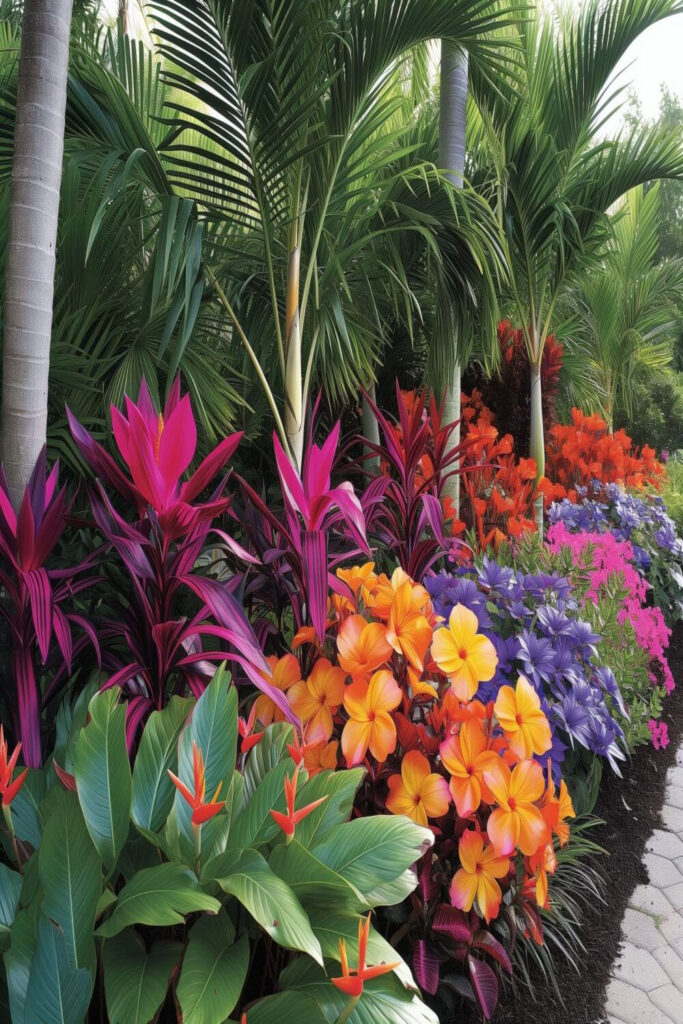
Imagine a garden that effortlessly blends rugged desert charm with lush tropical vibrancy. Welcome to the world of Acanthocereus, a cactus genus that defies the usual expectations of tropical landscapes. These striking plants invite you to rethink what tropical gardening can be. Far from the delicate fronds and soft blossoms traditional to tropical gardens, Acanthocereus introduces bold structure, architectural intrigue, and a touch of the exotic that enhances any verdant paradise. Dive into an exploration of how this charismatic cactus can elevate your tropical garden with its unique personality and unparalleled adaptability.
The Bold Allure of Acanthocereus: A Tropical Game-Changer
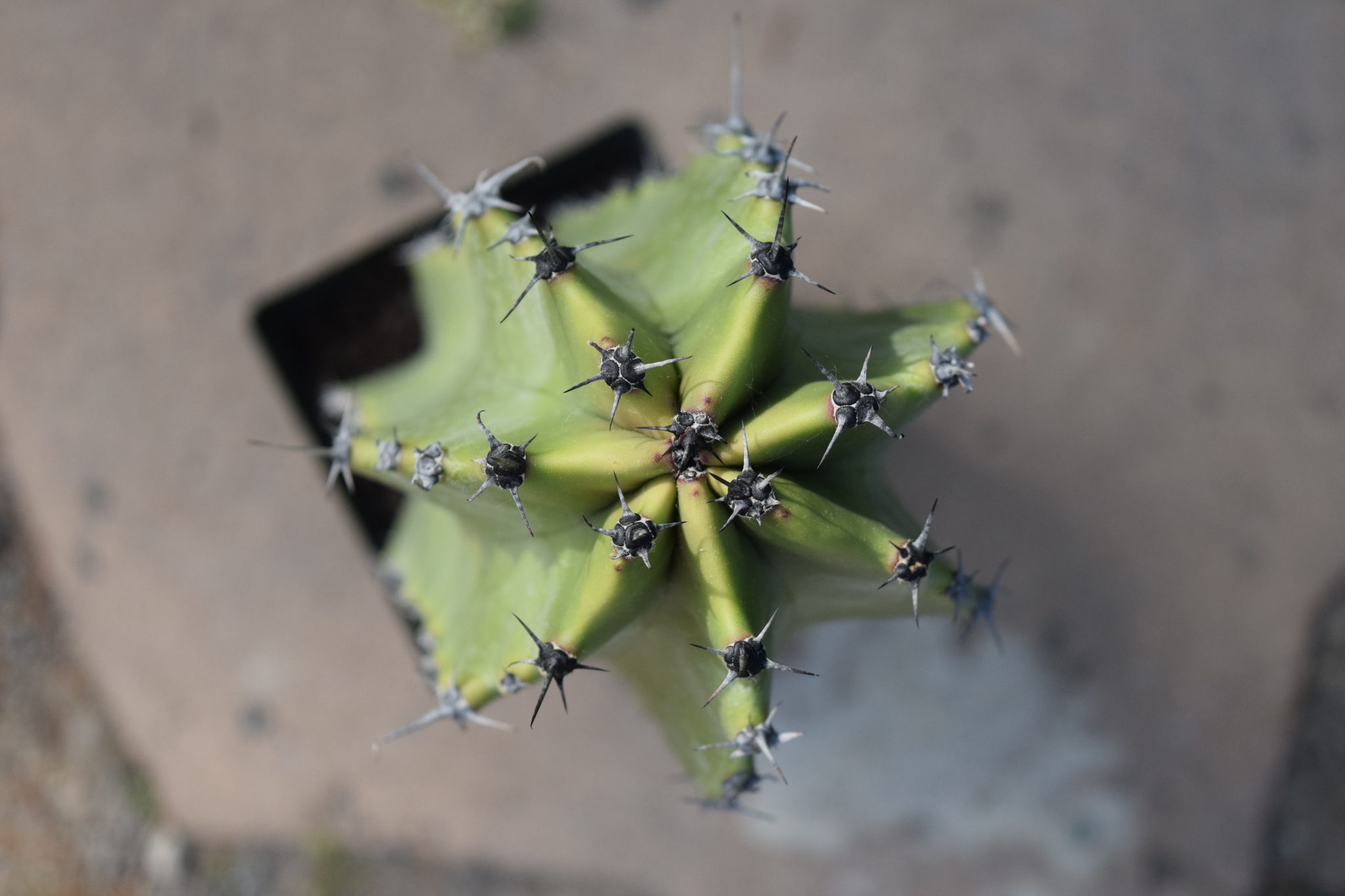
Acanthocereus, often known as the night-blooming cereus, stands apart with its towering stature and segmented, ribbed stems. Unlike the soft, flowing foliage common in tropical gardens, it offers an arresting verticality that creates dramatic silhouette effects at dawn and dusk. Its nocturnal blooms—delicate, fragrant, and breathtakingly ephemeral—infuse the night air with a mysterious charm, encouraging evening garden strolls that awaken the senses.
These cacti promise a shift in perspective. They inspire gardeners to move beyond conventional tropical aesthetics and embrace a landscape that intertwines stark desert elegance with lush vitality. In doing so, they pique curiosity and invite introspection on what it truly means to design with nature’s contrasts.

Integrating Acanthocereus into Lush Tropical Landscapes
When integrating Acanthocereus into tropical gardens, the juxtaposition of textures and shapes creates a rich sensory tapestry. Pairing its angular form with broad-leafed plants like banana palms or bird-of-paradise amplifies both contrast and harmony. The Acanthocereus’s upright growth habit serves as a natural vertical accent, breaking up sprawling beds of soft greenery and injecting architectural sophistication.
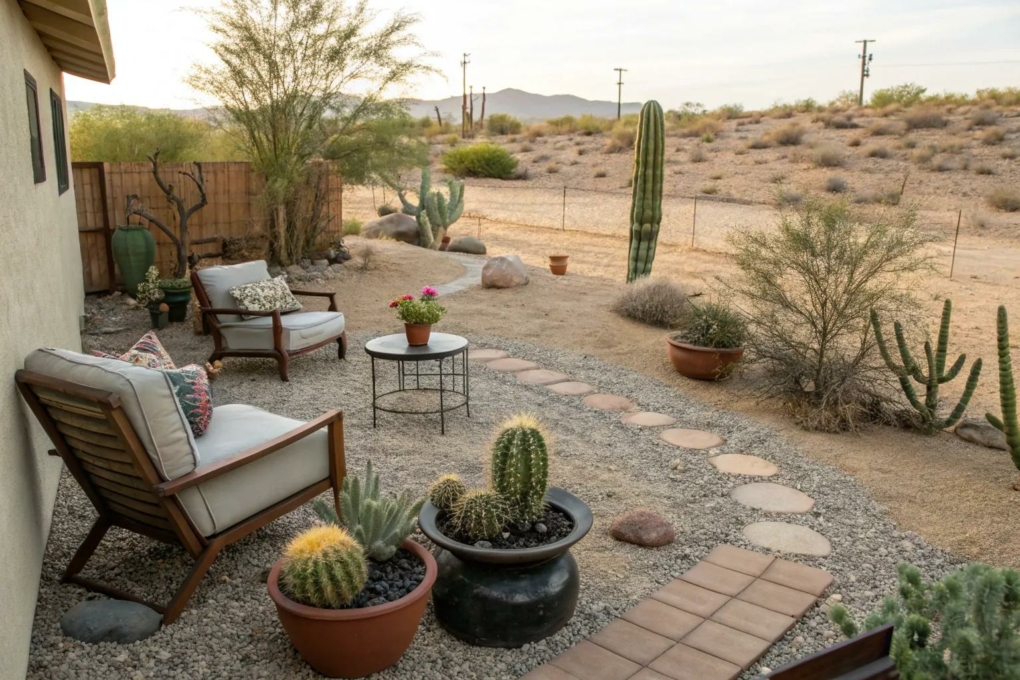
Because of its drought tolerance, it excels in microclimates within tropical regions where water conservation is prudent or seasonal dryness occurs. This resilience offers an eco-friendly angle to tropical landscaping, where water-hungry plants are typically prevalent. Furthermore, it acts as a living skeleton—providing structural backbone to mixed planting schemes without compromising lushness. Acanthocereus can be the sculptural centerpiece or a framing element around patios and pool areas, enhancing outdoor living spaces with a touch of avant-garde flair.
Nocturnal Magic: The Night-Blooming Phenomenon
One of the most captivating attributes of the Acanthocereus is its stunning night-blooming flowers. As twilight descends, these blooms unfurl, releasing a captivating fragrance that travels softly on warm tropical breezes. These ethereal flowers last only hours, typically closing by dawn, which imbues the garden with a fleeting, enchanted quality.
This nocturnal spectacle encourages a dimension of garden interaction rarely explored—nighttime emergence. Imagine garden paths illuminated by moonlight, guiding visitors toward clusters of Acanthocereus hushed in bloom. This fleeting beauty ensures that the garden is not just a daytime escape but also a nocturnal sanctuary that deeply engages with the rhythms of nature.
Cultivation Tips for Tropical Garden Success
Thriving with minimal fuss, Acanthocereus embraces the tropical sun yet demands respect for its environmental preferences. Optimal planting involves well-drained soil enriched with sandy or rocky components to mimic its native arid habitats. While tolerant of full sun, partial shade can soften its appearance and protect it from intense midday heat, particularly in ultrahumid tropical climates.
Watering should be judicious—allowing soil to dry between deep soakings prevents root rot and encourages robust growth. Fertilization can be scheduled sparingly with a high-phosphorus blend to promote those magnificent night blooms. Pruning is a creative endeavor with Acanthocereus; sculptural shaping enhances architectural form and can control size for tailored landscape design.
Design Inspirations: Crafting Tropical Oasis with Acanthocereus
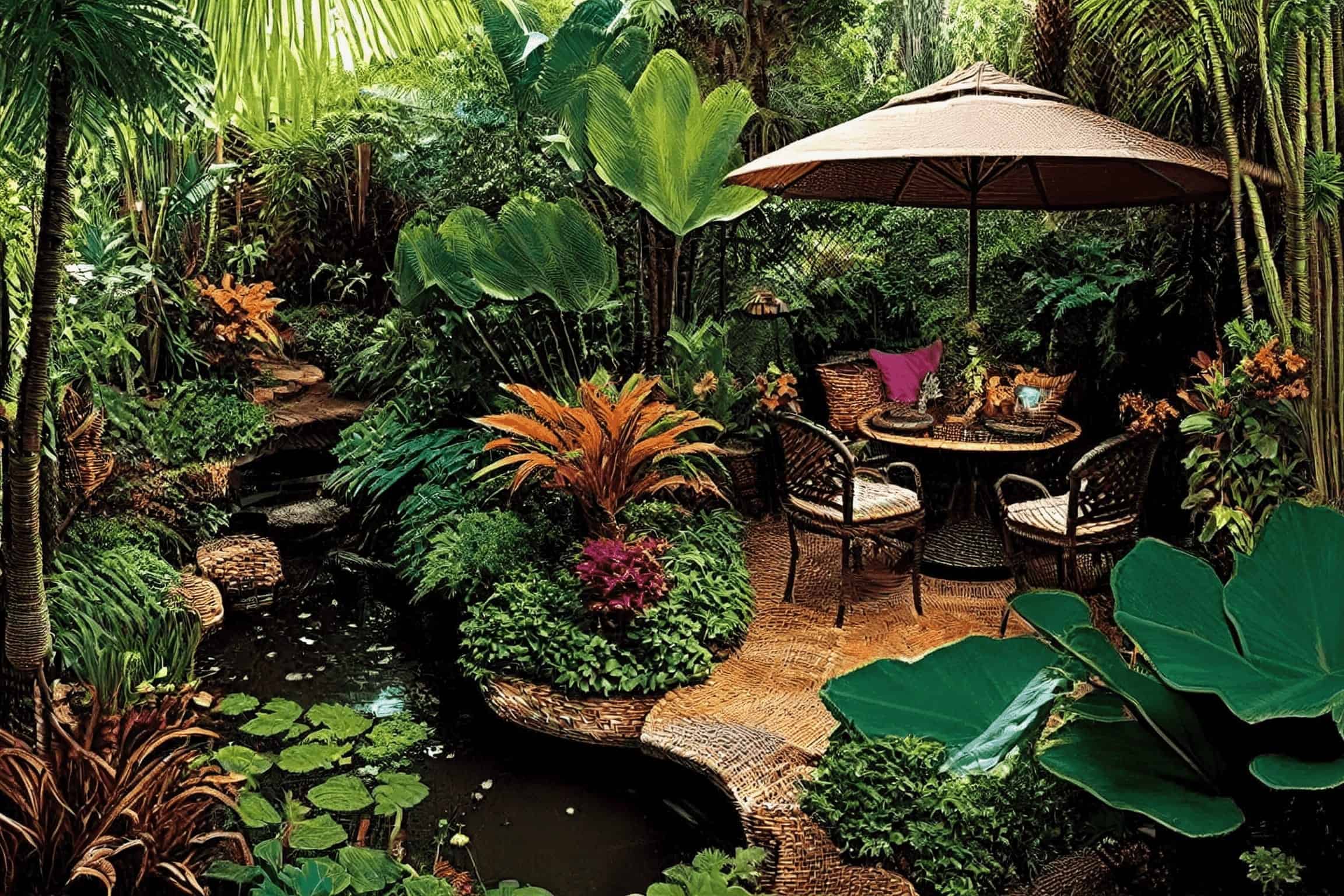
Designers are increasingly captivated by the visual poetry that Acanthocereus brings to tropical garden settings. Imagine a courtyard framed by towering Acanthocereus columns, their contours softened by cascading ivies or flowering vines—an evocative nod to ancient ruins reclaimed by nature. Or consider interspersed groupings amidst tropical ferns and heliconias, where the rigid cactus forms contrast with the flora’s softness, generating a compelling dynamic of tension and balance.
Incorporating textured elements like volcanic stone or reclaimed wood complements Acanthocereus’s bold presence, offering a harmonious yet unexpected material palette. This approach advocates for a multi-sensory tropical experience—one that blends sight, scent, and touch.

Conclusion: Embracing the Unexpected in Tropical Gardening
The inclusion of Acanthocereus in tropical landscapes promises a transformative opportunity. It invites gardeners and designers to explore the intriguing intersection of desert resilience and tropical exuberance. This cactus, with its bold form and elusive night blooms, disrupts traditional garden narratives—stimulating curiosity, encouraging innovation, and celebrating nature’s multifaceted artistry.
By embracing Acanthocereus, tropical gardens take on a new dimension, one that welcomes contrasts and complexity with open arms. It’s an invitation to reimagine your outdoor space, cultivating a garden that is not only a refuge of greenery but a stage for nature’s most poetic and unexpected performances.
FAQ
What is Acanthocereus?
Acanthocereus is a genus of night-blooming cacti known for its tall, ribbed, segmented stems and fragrant nocturnal flowers.
How do you care for Acanthocereus in tropical gardens?
Plant in well-drained soil, water sparingly, provide full sun to partial shade, and fertilize occasionally with a high-phosphorus fertilizer.
Why are Acanthocereus flowers considered special?
They bloom at night, releasing a fragrant aroma and lasting only a few hours, adding a magical aspect to gardens.
Can Acanthocereus be used in water-wise tropical landscaping?
Yes, due to its drought tolerance, it is well-suited for microclimates with seasonal dryness and promotes water conservation.

Leave a Reply