
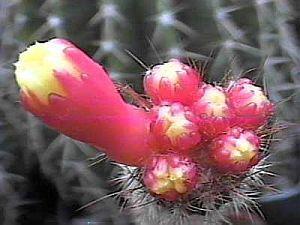
Short Answer
In the realm of exotic cacti, few plants captivate gardeners and collectors quite like the Arrojadoa. This slender, columnar marvel enchants with its delicate, radiant blooms, holding the promise of transforming any collection into a spectacle of botanical artistry. Yet unlocking the full floral potential of Arrojadoa is a nuanced pursuit — one that invites a fresh outlook on cactus cultivation. What if you could coax breathtaking flowers from seemingly unassuming stems? Journey along to discover how to encourage your Arrojadoa to unveil its most vibrant and abundant blossoms, unraveling an intriguing world of care, environment, and patience.
Understanding the Enigmatic Beauty of Arrojadoa
Before delving into the intricacies of coaxing blooms, it is essential to grasp the unique nature of the Arrojadoa. This genus of cacti, native to the arid regions of Brazil, stands apart with its slender, spiny columns and slender, almost fragile appearance. While it may not boast the robust bulk of its desert cousins, Arrojadoa promises exquisite star-shaped flowers that can bathe your garden in surprising hues of pink, purple, or crimson.

The flowering habit of Arrojadoa is not merely an aesthetic delight; it is a revelation that challenges common perceptions of what a flowering cactus should look like. The blooms often emerge along the stems, punctuating the compact spine clusters with ephemeral bursts of color — a botanical spectacle for those who learn its language.
Optimal Light Conditions: The Key to Awakening Blooms
Light is the maestro in the symphony of floral induction for Arrojadoa. Unlike many succulents that demand brutal, unfiltered sunlight, this cactus craves a more nuanced spectrum of light — intense yet diffused. Placing your Arrojadoa in an east or west-facing window that invites the gentle embrace of morning or late afternoon sun can stimulate flowering without risking sunscald.
Year-round exposure to this balanced light encourages the plant’s energy to shift from mere survival to reproduction. Shade or inconsistent light patterns often spell dormancy with no promise of blooms. The secret lies in replicating its native understory habitat, where filtered sunlight permeates through sparse canopy cover.
Watering Regimen: Mastering the Art of Moderation
Watering Arrojadoa demands a zen-like discipline. Overwatering is the arch-nemesis of bloom formation, smothering the delicate roots and fostering rot that can stunt or kill the cactus. Instead, embrace a cyclical pattern that mimics the plant’s natural desert rhythm. Water sparingly during spring and summer—only when the top inch of soil feels parched to the touch.
Come autumn, gradually reduce watering frequency to induce a dormancy phase essential for flower development. In winter, watering should almost cease, maintaining only enough moisture to keep the skeleton from shriveling. This hydration dance helps the cactus conserve energy and marshal reserves for the grand floral display.
Soil Composition and Drainage: The Foundation of Floral Success
Arrojadoa’s roots thrive in a substrate that is both gritty and fast-draining. A custom blend of coarse sand, perlite, and a modest amount of organic matter will replicate the gravelly soils of its native range. This careful balance prevents water retention that can suffocate roots and invites just enough moisture to sustain growth.
Equally critical is the use of pots with multiple drainage holes. Elevated drainage complements the soil mixture, ensuring no puddles form to stagnate and rot. Quality soil and drainage not only protect the roots but provide the vital oxygen exchange necessary to trigger healthy flower buds.
The Role of Temperature and Humidity: Crafting a Microclimate
Temperature acts as an invisible hand guiding Arrojadoa’s lifecycle. This cactus flourishes when exposed to warm daytime temperatures between 70°F and 85°F, cooling down to roughly 50°F to 60°F at night. These diurnal swings simulate the desert’s natural fluctuations, signaling to the plant that conditions are right for flowering.
High humidity levels prove detrimental, increasing the risk of fungal infections and inhibiting blooming. Instead, it thrives in low to moderate humidity environments. For indoor growers, maintaining good air circulation and avoiding damp corners is paramount, enticing the cactus out of vegetative repose and into a flowering frenzy.
Fertilization: Nourishing Blooms without Excess
Feeding is the understated catalyst in the quest for spectacular Arrojadoa flowers. However, over-fertilization can backfire, promoting lush, green growth at the cost of prized blossoms. A balanced, low-nitrogen fertilizer applied sparingly during the active growing season will provide essential nutrients without overwhelming the plant.
During spring and summer, opt for a fertilizer with a formula such as 5-10-10 to encourage flower bud formation rather than excessive foliage. Feeding intervals of once a month are sufficient, always followed by a thorough watering to prevent root burn. In the fall and winter, hold off fertilizing to allow the plant to rest and prepare for the bloom cycle ahead.
Patience and Pruning: Encouraging Vigorous, Branching Growth
Arrojadoa’s flowering is a long-term engagement that rewards patient cultivation. Flowers tend to emerge at the tips of branches, so encouraging healthy branching can mean more blooming sites. Light pruning during mid-summer helps thin overcrowded stems and stimulates new growth.
Pruning should be undertaken with sanitized tools to minimize infection risks. Removing dead or weak branches invigorates the overall health of the cactus, redirecting energy towards robust blooms. The transformational pruning journey embodies the philosophy of ‘less is more,’ inviting nature to express its beauty on a refined canvas.
Overwintering: Setting the Stage for Next Season’s Blooms
How you overwinter your Arrojadoa can make all the difference between an abundant floral display and an uninspiring dormant period. Cool temperatures and minimal watering during the winter months put the cactus into a restful state, which primes it for vigorous blooming once warmth and light return.
Ideally, keep the plant in a cool but frost-free location, such as an unheated room with ample natural light. Avoid sudden temperature drops or drafts, as these shocks can impair bud formation. This stage is a quiet prelude to the forthcoming show — a vital interlude where the potential for spectacular blooms silently consolidates.
The Thrill of Blooming: Witnessing Arrojadoa’s Floral Spectacle
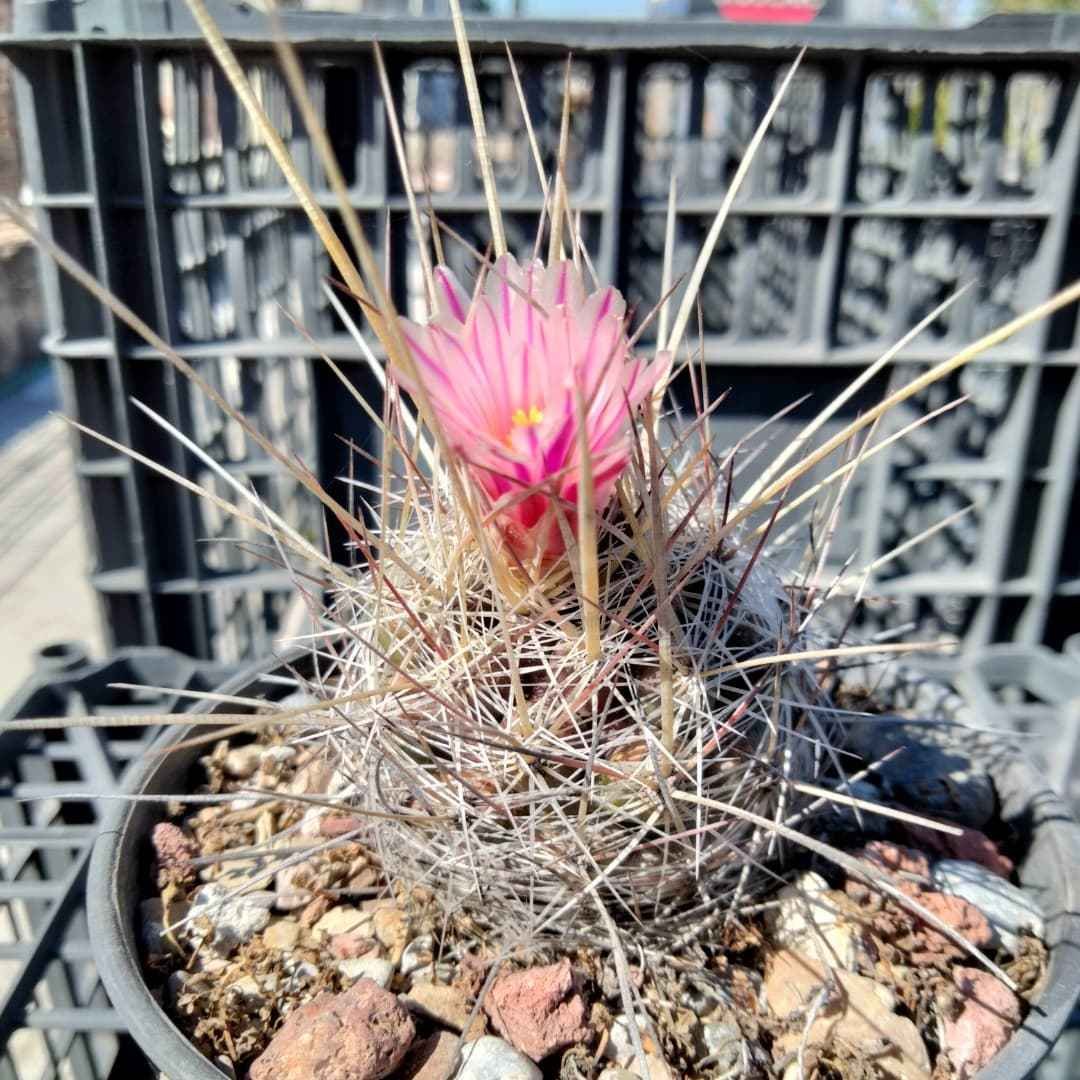
When all elements harmonize—the light, water, soil, temperature, and care—the Arrojadoa rewards with its ethereal flowers. The blooms often hold a delicate fragrance and unfurl predominantly in the evening, adding a touch of enchantment to twilight hours. Capturing this moment feels like witnessing a closely guarded secret of the desert come to life.
:max_bytes(150000):strip_icc()/plants-with-big-flowers-4138211-03-0a748cea615643c89567e218eebac7d4.JPG)
Each flower is a fleeting masterpiece, often lasting mere days but leaving an indelible impression. They invite a reevaluation of what a cactus’s bloom can be: not just a survival mechanism but a celebration of perseverance, patience, and exquisite natural artistry.
FAQ
What light conditions are ideal for Arrojadoa flowering?
Arrojadoa thrives under intense but diffused light, best provided by morning or late afternoon sun from an east or west-facing window.
How often should I water my Arrojadoa to encourage blooms?
Water sparingly during spring and summer only when the top inch of soil is dry, reduce watering in autumn, and almost stop watering in winter.
What soil mix is best for Arrojadoa to bloom well?
A fast-draining, gritty mix with coarse sand, perlite, and a small amount of organic matter is best to prevent root rot and support flowering.
Can I fertilize Arrojadoa to improve blooming?
Yes, use a low-nitrogen fertilizer such as 5-10-10 once a month during the growing season to encourage flower buds without excessive foliage growth.
How should I overwinter Arrojadoa?
Keep it in a cool, frost-free area with minimal watering and good light to induce dormancy and prepare the plant for the next blooming cycle.
Leave a Reply