
Short Answer
Amidst the rugged landscapes of the American Southwest, a silent sentinel reaches skyward—its arms outstretched in timeless vigil against cerulean backdrops. The Carnegiea gigantea, universally revered as the saguaro cactus, punctuates the deserts with its iconic silhouette, an emblem of endurance and mystery. Yet, to truly grasp its grandeur, one must embark beyond mere admiration, delving into the wild realms where these towering cacti tell stories etched in centuries of survival. Prepare to shift your perspective and venture into the heart of the saguaro’s domain, unveiling the secret locations across the U.S. where this majestic cactus reigns supreme.
The Enigmatic Majesty of Carnegiea gigantea
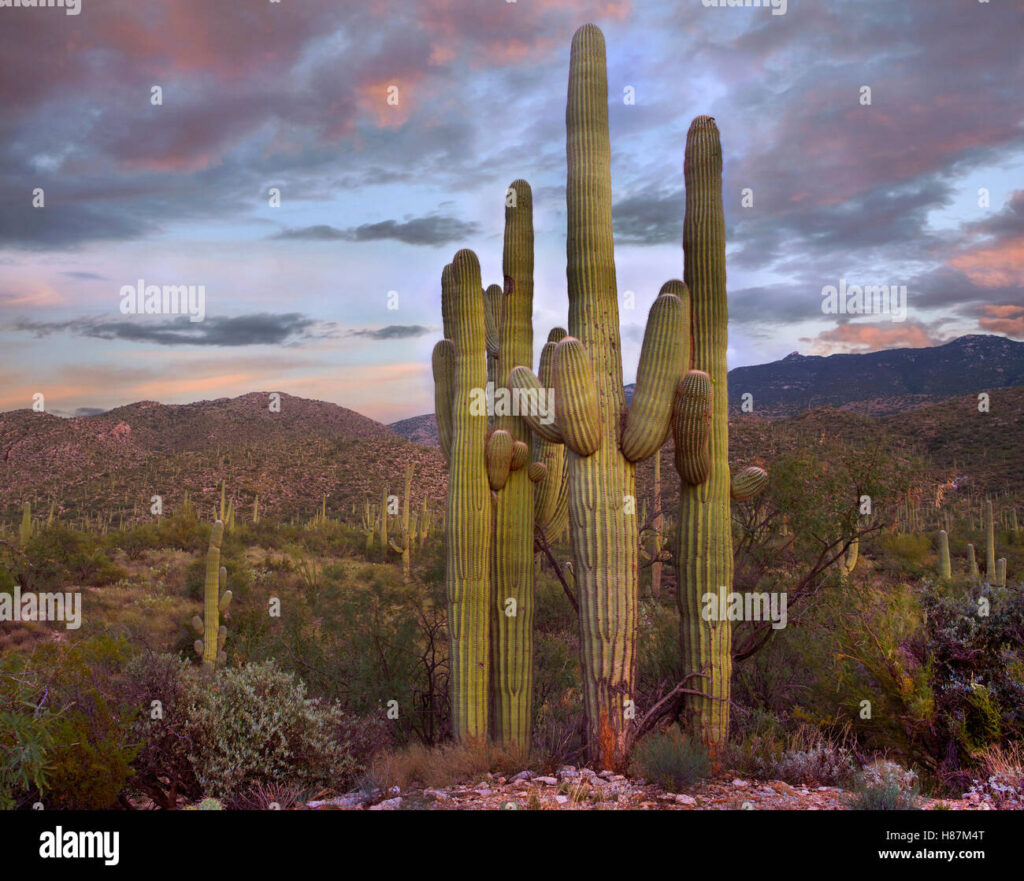
Before immersing in the geographic tapestry of saguaro sightings, consider the cactus not only as a biological marvel but as a cultural and ecological cornerstone. Its presence transcends botany, embodying resilience in some of the harshest environments on the continent. With heights soaring beyond 40 feet and lifespans stretching over 150 years, the saguaro’s arms curve elegantly like arms raised in exaltation—symbols of an ecosystem finely tuned to arid extremes.

Yet the saguaro’s allure isn’t solely its size or iconic form. It stands as a living archive of the desert’s pulse. Its pleated trunk expands with each soak of rain, its white flowers burst with ephemeral brilliance, inviting pollinators on a nocturnal quest. This cactus patiently captures the science and spirituality of the Sonoran Desert.
Sonoran Desert: The Cradle of the Saguaro
There is no better place to witness Carnegiea gigantea in all its glory than its native habitat—the Sonoran Desert. Spanning parts of southern Arizona, southeastern California, and northwestern Mexico, this desert’s unique bimodal rainfall pattern nurtures these cacti like no other environment can. Here, saguaros dominate the landscape with their dramatic structure, grouped in groves or standing sentinel alone against the horizon.
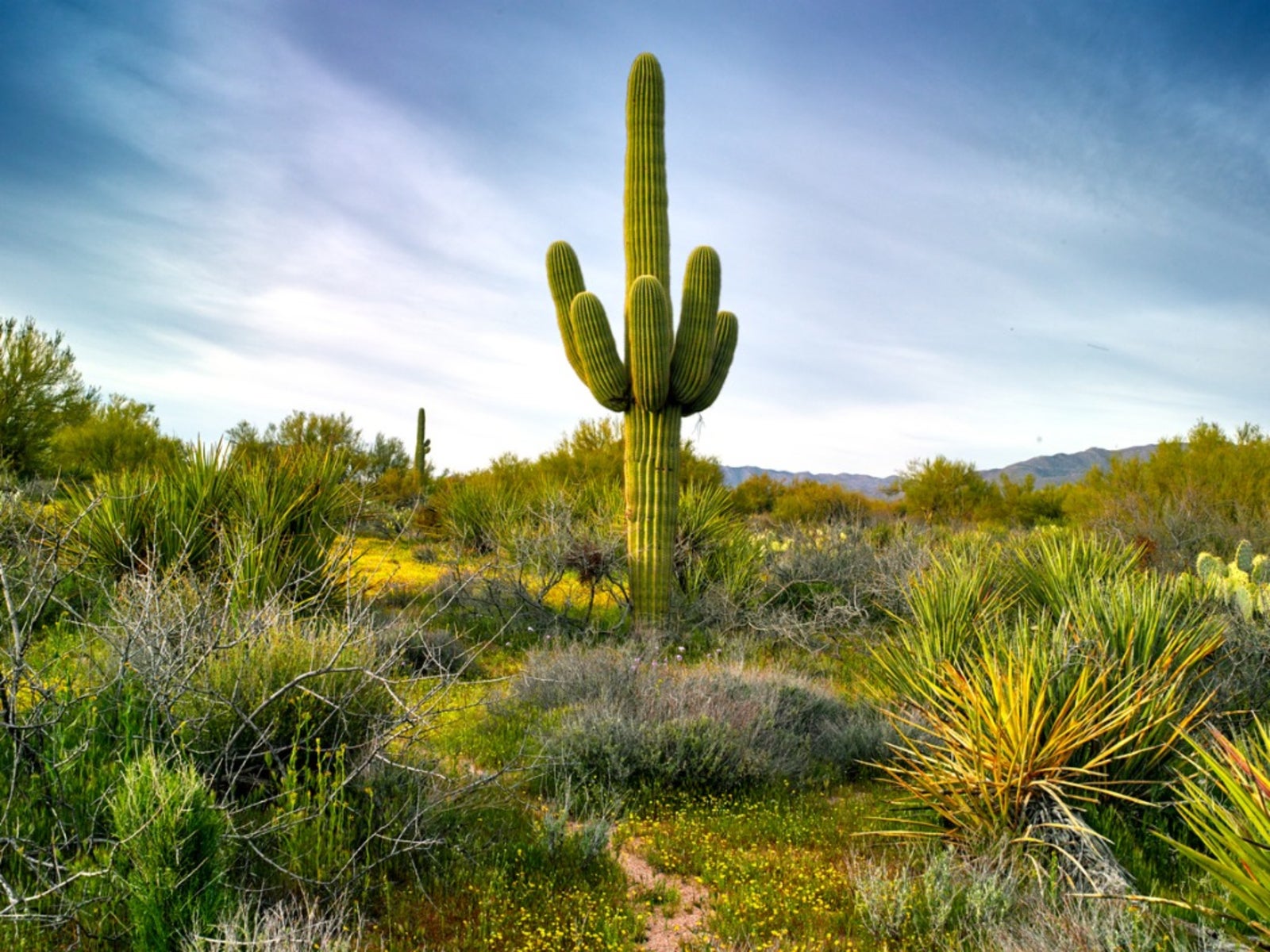
Locations like Saguaro National Park, near Tucson, beckon explorers with vast forests of these giants. Trails wind past these towering marvels, each cactus narrating tales of desert adaptation and coexistence with wildlife. Observe the Gila woodpecker’s nests hewn into the flesh of cacti, or catch glimpses of the lesser long-nosed bat, drawn by the nocturnal blooms. The desert breathes a living tale chronicled by these sprawling cacti.
Beyond Arizona: Surprising Saguaro Habitats
While Sonoran Desert is synonymous with saguaros, their range surprises many beyond state borders. Eastern California’s Colorado Desert, a subregion of the Sonoran, hosts saguaro populations with subtle variations. These outliers adapt to slightly different microclimates, revealing the species’ flexibility and tenacity.
In these less-frequented pockets, the saguaro might grow in isolated clumps, creating hauntingly beautiful spectacles—an oasis of life in seemingly barren landscapes. These areas provide a unique opportunity to appreciate the cactus away from the typical crowds, inviting contemplative encounters with the desert’s silent giants.
Ecological Significance: More than Just a Cactus
The saguaro is not merely a desert ornament; it is the epicenter of a fragile ecosystem. Its towering structure offers nourishment and shelter for diverse species. Its nectar feeds bees, bats, and birds, while its fruits sustain mammals and humans alike. The cactus exemplifies interdependence, a living monument to biodiversity amidst environmental extremes.
In wild settings where saguaros abound, the ecological rhythm is palpable. From ground to sky, each element partakes in an intricate dance facilitated by these cacti. Understanding their distribution thus unlocks broader insights into the health and complexity of desert habitats across the U.S.

Preservation Efforts and Responsible Exploration
Spotting a saguaro in the wild is a privilege mingled with responsibility. These colossal cacti face threats from urban expansion, climate change, and invasive species. Conservation initiatives are pivotal to safeguarding their legacy. Protected areas such as national parks and reserves offer sanctuaries where these species can thrive with minimal human intrusion.
When venturing into saguaro habitats, an ethos of reverence and minimal impact is essential. Respect marked trails, resist the temptation to touch or collect parts of the cactus, and recognize that these living icons are vulnerable despite their stoic appearance. Responsible tourism not only preserves these wonders but enriches the visitor’s experience with profound connection rather than casual observation.
Conclusion: A Call to Discover and Protect
The journey to witness Carnegiea gigantea in its natural splendor is more than sightseeing—it is a voyage into the resilient heart of the American desert. From the vibrant clusters of Saguaro National Park to the quiet fringes of the Colorado Desert, these cacti stand as guardians of heritage, nature, and wonder. Their grandeur prompts us to reevaluate the seemingly austere desert, revealing it as a landscape thriving with life, complexity, and stories waiting to be uncovered. Step into their realm with curiosity and care, and the saguaros will undoubtedly inspire a new, more profound appreciation of the wild American Southwest.
FAQ
Where can I see saguaro cacti in the wild?
Saguaro cacti can be seen primarily in the Sonoran Desert, particularly in locations like Saguaro National Park in Arizona and parts of Eastern California’s Colorado Desert.
What is the ecological significance of the saguaro cactus?
The saguaro cactus serves as a crucial component of its ecosystem, providing food and shelter for various species, including birds, bats, and insects.
How long do saguaro cacti live?
Saguaro cacti can live for over 150 years, growing up to 40 feet tall.


Leave a Reply