
Short Answer
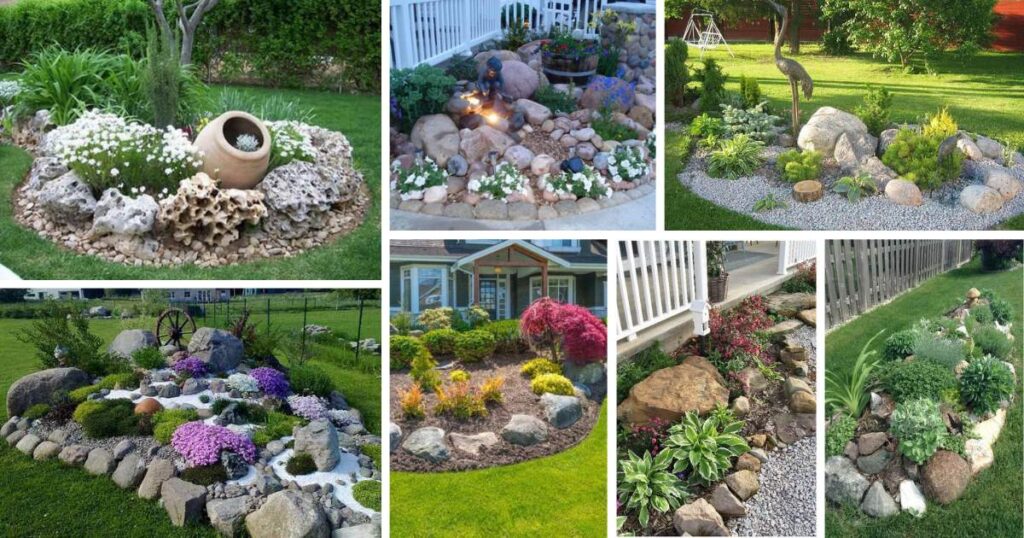
The Copiapoa genus, with its unmistakable sculptural form and enigmatic beauty, has long captivated both novice gardeners and seasoned horticulturists alike. Nestled naturally within the harsh, sun-baked regions of Chile’s Atacama Desert, these resilient cacti exhibit not only an intriguing architectural presence but also provoke a deep-seated fascination that transcends mere aesthetics. This allure is amplified when Copiapoa plants are thoughtfully incorporated into rock gardens, where their striking silhouettes harmonize with rugged stones to create living compositions that evoke arid landscapes and timeless endurance. Exploring the design and placement of Copiapoa in rock gardens reveals not only practical strategies but a profound appreciation for their singular charm and the creative possibilities they ignite.
The Allure of Copiapoa: Why Rock Gardens Embrace Their Unique Form
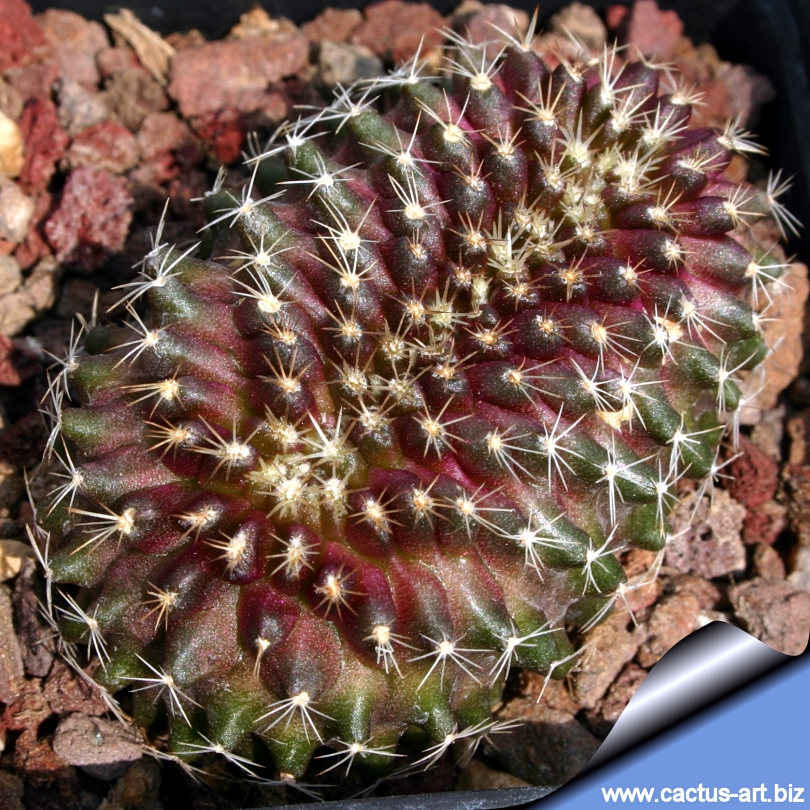
There is an undeniable magnetism in Copiapoa’s form that distinguishes them within any botanical ensemble. These globular or columnar cacti, often adorned with dense spination or woolly tufts, possess a sculptural quality that makes them stand out as natural works of art. Their slow, deliberate growth imbues them with an aura of ancient wisdom—a silent testimony to survival against the brutal elements.
In rock gardens, this allure is accentuated. The interplay of textures—the rugged stone juxtaposed with the cactus’ smooth or ribbed surfaces—creates a dynamic visual tension. The minimalist palette of Copiapoa’s often muted greens and grayish hues complements the earthy tones of rocks, making every garden a contemplative space. This pairing speaks to a deeper human fascination with resilience: nature’s ability to flourish amid adversity, echoing themes we instinctively admire and strive to replicate in our own environments.
Site Selection: Emulating Native Conditions for Optimal Growth
To successfully integrate Copiapoa into a rock garden, careful attention to environmental factors is paramount. Native to some of the driest habitats on earth, these cacti demand conditions that prevent excess moisture and promote excellent drainage. Selecting a site that mimics their natural arid surroundings is the foundation of thriving specimens.
Sunlight exposure is crucial—Copiapoa typically thrive in full sun or light shade. Positioning them where they bask in early morning rays yet receive some respite from the harshest midday sun can prevent discoloration and stress. Temperature fluctuations between day and night also closely replicate their desert environment, enhancing physiological vigor.
Substrate and Drainage: Crafting the Perfect Rocky Bed
The foundation of any successful rock garden housing Copiapoa is the substrate. A gritty, porous mix that promotes swift drainage is essential. Incorporating coarse sand, pumice, or crushed granite ensures water does not linger around roots, which could otherwise lead to rot.
A layered approach often works best: starting with a base of larger rocks to facilitate drainage, followed by a mixture of mineral-rich soil and rock fragments. This not only replicates the natural gradient found in desert screes but also provides the cactus with necessary anchorage. The choice of stones surrounding Copiapoa can further enhance visual appeal. Rough, angular rocks evoke ruggedness, whereas smooth river stones lend a more subdued, harmonious ambiance.
Design Principles: Balancing Form, Scale, and Texture
Beyond horticultural necessities, design considerations shape how Copiapoa transform a rock garden into a captivating narrative. Scale plays a pivotal role. Smaller species, like Copiapoa calderana, lend themselves well to foreground placement, drawing immediate attention with their intricate spines and compact forms. Larger species or specimens with columnar growth habits make dramatic focal points or punctuation marks within the garden’s layout.
Texture contrast enhances engagement. The tactile spines and woolly cephaliums juxtaposed with different rock textures invite close inspection and tactile curiosity. Grouping Copiapoa with other xerophytic companions—such as agaves or lithops—can create textural symphonies that celebrate arid biodiversity.
Consider asymmetry to invoke natural randomness. Instead of rigid rows, clusters placed with deliberate irregularity evoke the sense of a natural oasis found amid barren rock. This approach allows for seasonal variability and new growth to alter the garden’s character over time.
Placement Techniques: Guiding the Viewer’s Eye Through Layered Vignettes
Effective placement is akin to telling a visual story. Positioning Copiapoa at varying levels, either nestled in rock crevices or perched on slight mounds, can introduce a dynamic topography with multiple focal depths. Rock ledges or terraces become ideal platforms where these cacti can catch the light at different angles, emphasizing their contours and casting enchanting shadows.
Pairing Copiapoa with complementary succulents that share similar water and light requirements can reinforce ecological harmony and reduce maintenance demands. Avoid overcrowding; ample space around each cactus allows their distinct silhouettes to breathe and be appreciated fully.
Seasonal interest should never be overlooked. Copiapoa bloom infrequently yet spectacularly, so placing specimens where flowers can be easily viewed enhances appreciation during these special moments. Their flowers often contrast vividly with the subdued whole-plant coloration, offering bursts of ephemeral brilliance.
Maintenance Nuances: Ensuring Longevity and Aesthetic Integrity
Although Copiapoa are remarkably tough, they still ask for mindful care to maintain their sculptural integrity and health. Light watering during growing seasons suffices—overwatering is a common pitfall. During dormant periods, water sparingly or not at all to mimic natural rain scarcity.
Regularly inspect cacti for pests such as mealybugs or spider mites, which can compromise their delicate tissues. Cleaning rock surfaces from debris and ensuring soil aeration support root health and overall garden hygiene.
In colder climates, providing protection from frost through rock placements that retain heat or temporary covers can shield these desert natives without disturbing their naturalistic setting.
Capturing the Spirit: Beyond Mere Gardening
What makes cultivating Copiapoa in rock gardens so compelling is more than the pragmatic aspects—it is the chance to forge a living connection with the enigmatic forces of nature they symbolize. These cacti embody resilience, endurance, and quiet majesty, standing as sentinels of a harsh yet captivating wilderness.
To design with Copiapoa is to engage in a dialogue with time and place, to craft spaces that echo desolation and beauty simultaneously. Each placement decision, each rock chosen, works toward a greater narrative of survival and artistry. The result is a garden that invites contemplation, inspiring us to marvel at nature’s austere elegance and to find solace in its enduring spirit.



FAQ
What are the best conditions for growing Copiapoa cacti?
Copiapoa cacti thrive in full sun or light shade with excellent drainage and minimal moisture.
How should I design a rock garden with Copiapoa?
Incorporate Copiapoa at varying levels, use contrasting textures, and group them with similar succulents for a dynamic visual effect.
What are common pests that affect Copiapoa cacti?
Mealybugs and spider mites are common pests that can compromise the health of Copiapoa.



Leave a Reply