
Short Answer
In the vibrant world of cacti, Coryphantha stands out as a genus that captivates both novice enthusiasts and seasoned botanists alike. Its distinctive appearance often draws curious gazes, sparking questions about what sets these spiny wonders apart from their desert-dwelling cousins. The intrigue surrounding Coryphantha is not merely due to their striking visual appeal but also the subtle botanical nuances that define their identity. Unraveling these key features and characteristics reveals a fascinating story of adaptation, evolution, and natural artistry.
Distinctive Morphology: Understanding the Coryphantha Structure
One of the foremost ways to identify Coryphantha lies in observing its unique morphological features. Unlike many cacti that present a solitary, columnar form, Coryphantha typically manifests as globular or short cylindrical stems. These stems are often segmented into distinct tubercles — the fleshy, rounded protuberances that serve as the plant’s growth modules. Each tubercle is uniquely shaped, offering a somewhat geometric texture that sets Coryphantha apart.
The tubercles of Coryphantha tend to be arranged spirally, a characteristic feature within the genus. This intricate spiral pattern not only maximizes exposure to sunlight for photosynthesis but also creates an aesthetically pleasing rhythm that hints at the marvels of natural design. When touching these plants, one can feel that they are more than just ordinary cacti; there is a deliberate architectonic elegance embedded in their form.

Areoles and Spine Configuration: The Signature Markers
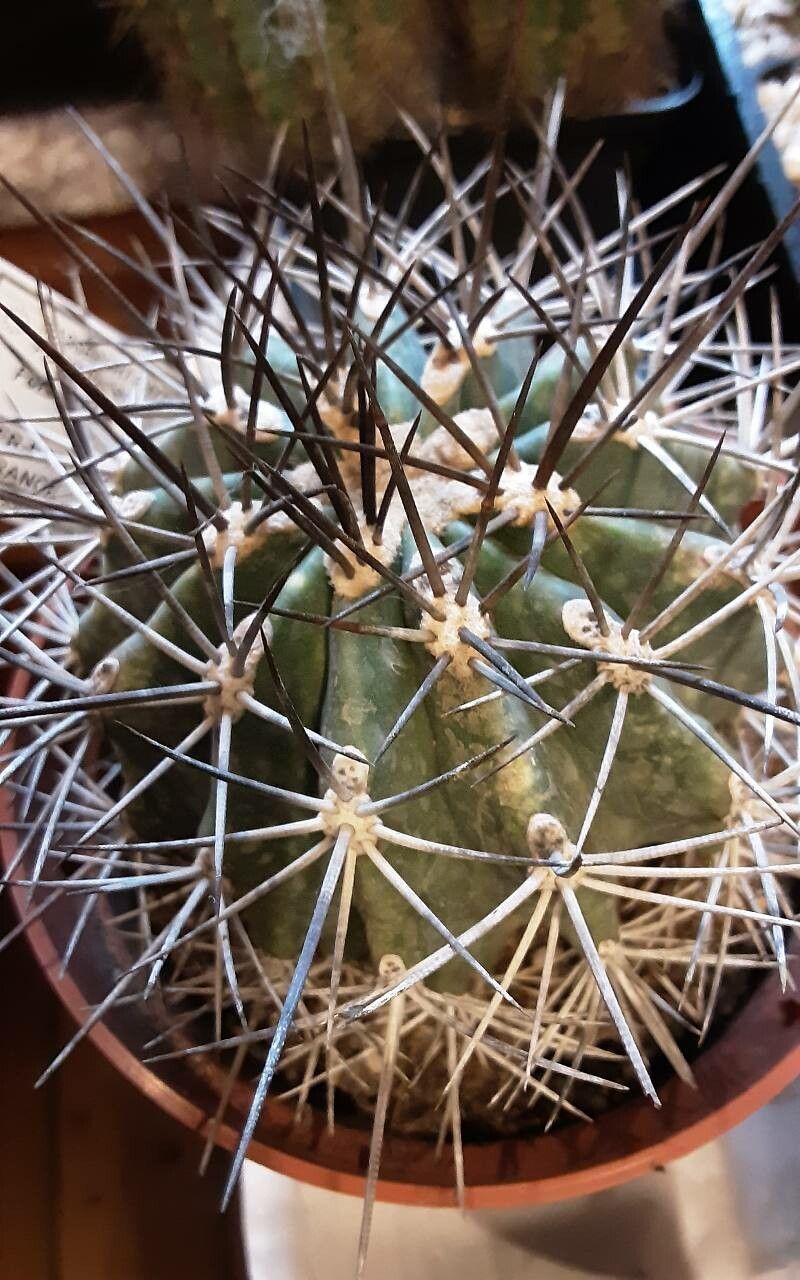
Another hallmark of Coryphantha’s identity is its specialized areoles — small, cushion-like structures from which spines, flowers, and sometimes woolly tufts emerge. In Coryphantha, the areoles are located at the apex of each tubercle rather than at its base, a trait that differentiates it from similar genera such as Mammillaria. Observing the placement of these areoles is crucial; it’s this subtle spatial difference that underscores the plant’s classification.
Within each areole, spines appear in fascinating arrays. Coryphantha species often possess a combination of central spines and radial spines, which vary in length, thickness, and color depending on the species and environment. Some have fierce, needle-like spines designed for defense, while others exhibit softer, hair-like spines that may serve more subtle functions like shading the plant’s surface.
These spines aren’t merely mechanical deterrents; they are a study in ecological adaptation. Their shape, density, and angle can reveal how the plant conserves moisture and protects itself from harsh sunlight and herbivores. Watching how these spines interact with light and shadow adds yet another layer to their visual magnetism.
Floral Phenomena: The Blooming Secrets of Coryphantha
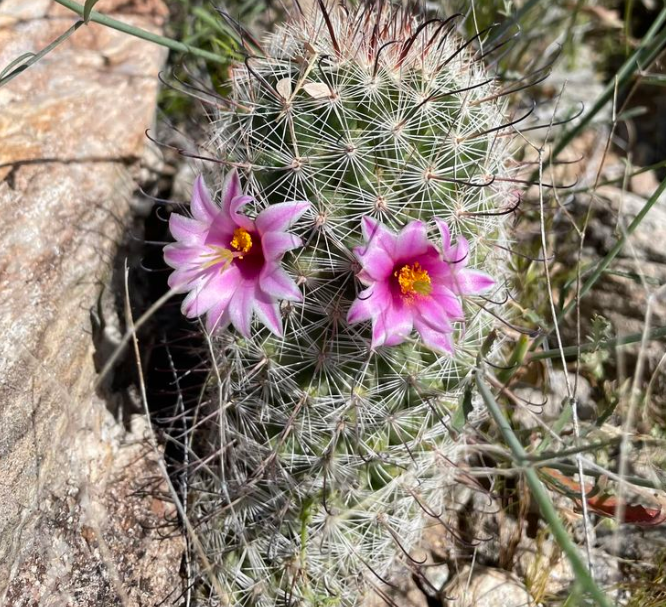
Few things capture the heart of a cactus lover like witnessing a Coryphantha flower unfurl. The genus is renowned for its ethereal blossoms, often appearing in a striking palette of yellows, pinks, and whites. These flowers typically emerge from the apex of the plant, amidst or just above the areoles, further aiding in species identification.
The flowers of Coryphantha are usually cup-shaped, with numerous delicate petals that open wide to attract pollinators. Blooming generally occurs in the spring or early summer, turning the cactus into a vibrant spectacle amid the arid landscape.
Beyond their aesthetic appeal, these flowers offer clues into the reproductive strategies of Coryphantha. Their timing, color, and form are finely tuned to the availability of pollinators such as bees and butterflies, hinting at an intricate symbiosis between plant and insect. In fact, the fleeting nature of these blossoms adds a poignant element to observing Coryphantha—a reminder of desert life’s transient beauty.

Seed Capsules and Fruiting Traits
After the ephemeral flowers fade, Coryphantha produces seed capsules that provide yet another identifying characteristic. These capsules are typically fleshy and may have specialized structures like ridges or areole remnants attached. Their size and shape can vary widely, offering an additional criterion to differentiate species within the genus.
The seed capsules often serve as indicators of the plant’s survival strategies. Their robustness aids in the protection of seeds from the harsh desert elements, while some species have devised mechanisms to release seeds only under favorable conditions, like after rainfall. Observing the presence and nature of these fruiting bodies can deepen one’s understanding of both the plant’s life cycle and its interaction with the surrounding environment.
Ecological Adaptations: Survival in Demanding Habitats
One cannot fully appreciate Coryphantha without acknowledging the harsh ecosystems it calls home. Found predominantly in North American deserts, these cacti have evolved a suite of adaptations suited for extreme temperatures, limited water availability, and nutrient-poor soils.
The compact shape reduces surface area, minimizing water loss. The spiral arrangement of tubercles optimizes photosynthesis, and the spine coverings serve as sunshades and barriers against herbivores. Additionally, the plant’s root system spreads thinly but broadly, capturing any moisture from scarce rainfall or dew.
Understanding these ecological strategies not only aids identification but also fosters a respect for the resilient beauty shaped by millennia of desert challenges.
Cultivation Clues: How Identification Guides Care
For those enchanted enough to grow Coryphantha, identification is more than a curiosity—it’s a cornerstone of effective cultivation. Knowing the precise species or key features helps tailor watering regimes, sunlight exposure, and soil composition.
For instance, some species thrive with more sunlight and slightly more frequent watering than others, which prefer drier, shadier niches. Recognizing the tubercle formation and spine arrangement can also guide pruning and repotting techniques to maintain plant health and vigor.
Incorporating proper identification into cultivation practices transforms caretaking into an informed dialogue with nature, elevating the connection between grower and plant.
The Deeper Fascination: Why Coryphantha Captivates Us
At a glance, Coryphantha may simply seem like another cactus among many. Yet, the more one observes, the more layers reveal themselves—complex patterns, subtle adaptations, fleeting floral displays, and the sheer tenacity of life in harsh climes. This intricate interplay between form and function, beauty and survival, stirs a deep fascination.
The way Coryphantha embodies resilience in exquisite form offers something almost poetic. It invites us to pause, to look closer, and to appreciate the silent stories told by nature’s artistry. This magnetic allure is why learning to identify Coryphantha isn’t just a botanical exercise; it’s an exploration into the wonder of life itself.
FAQ
What are the key identifying features of Coryphantha?
Coryphantha can be identified by their globular or cylindrical stems, distinct tubercles arranged spirally, specialized areoles at the apex of each tubercle, and vibrant cup-shaped flowers.
How do ecological adaptations benefit Coryphantha?
Coryphantha’s compact shape and spiral tubercle arrangement minimize water loss and optimize photosynthesis, while their spines provide shade and protection from herbivores.




Leave a Reply