
Short Answer
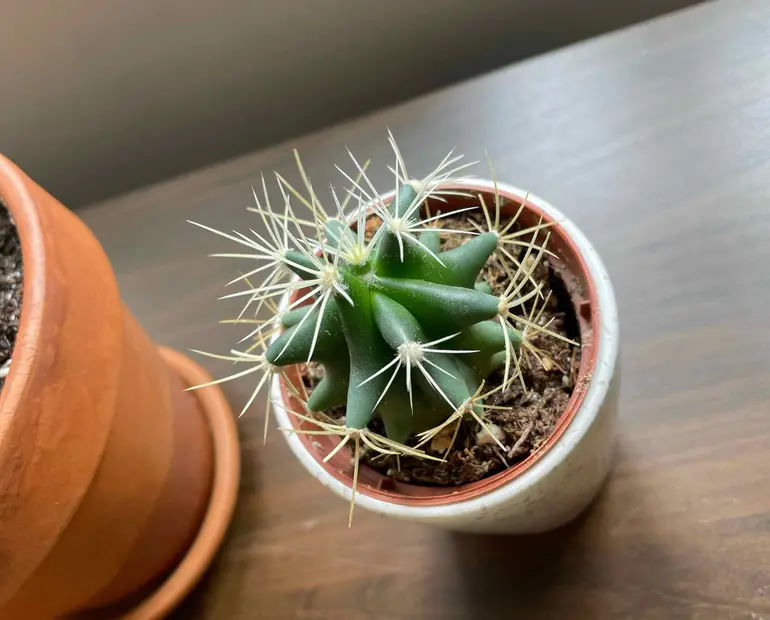
At first glance, the Echinocactus may appear as nothing more than a spiny bulbous green sentinel, quietly thriving in its soil. But beneath its armored facade lies a remarkable story of resilience and adaptability, whispered through its roots. Repotting this stoic cactus is not just a routine gardening task—it is a transformative ritual that holds the key to unlocking vigorous growth and enduring health. The process breathes new life into your plant, encouraging robust roots to expand and anchor deeper. If you’ve ever wondered how to care for Echinocactus beyond the basics, prepare to shift your perspective with expert insights and nuanced techniques that celebrate the plant’s unique biology.
Understanding the Unique Root System of Echinocactus
Before you even lift your Echinocactus from its pot, it’s essential to appreciate the nature of its root system. Unlike many traditional houseplants with delicate fibrous roots, the Echinocactus sports a compact, often thickened root ball designed for water storage and anchorage in arid environments. This succulent root network is adapted to absorb moisture efficiently but is susceptible to rot if overwatered.
The roots are surprisingly resilient but need careful handling during repotting—damaging even a few can stunt growth or invite fungal infections. An expert’s approach involves delicately loosening the soil around the edges while inspecting roots for signs of rot or desiccation, a process that reveals the plant’s overall health.


When Is The Optimal Time to Repot Your Echinocactus?
Timing is paramount. The natural growth cycle of Echinocactus dictates the best windows for repotting—typically during early spring or late winter, just before active growth resumes. Repotting during dormancy or peak summer heat can stress the cactus, causing shock or root damage.
Watch for warning signs that your cactus needs more space: roots emerging from drainage holes, stunted growth, or soil that dries out incredibly fast. These subtle indicators whisper that your plant craves a roomier home to thrive.
Choosing the Perfect Pot and Soil Blend
Not all pots are created equal when it comes to Echinocactus. Favor containers made from breathable materials like terracotta, which allow excess moisture to evaporate, preventing waterlogged roots. The pot size should be just slightly larger than the existing root ball—too large invites rot by retaining moisture.
Equally vital is the soil composition. Craft your mix with a high percentage of inorganic materials like pumice, perlite, or coarse sand for enhanced drainage, combined with organic components that retain minimal moisture. This delicate balance imitates the cactus’s native desert substrate, ensuring roots receive oxygen while avoiding saturation.
The Art of Repotting: Step-by-Step Guide
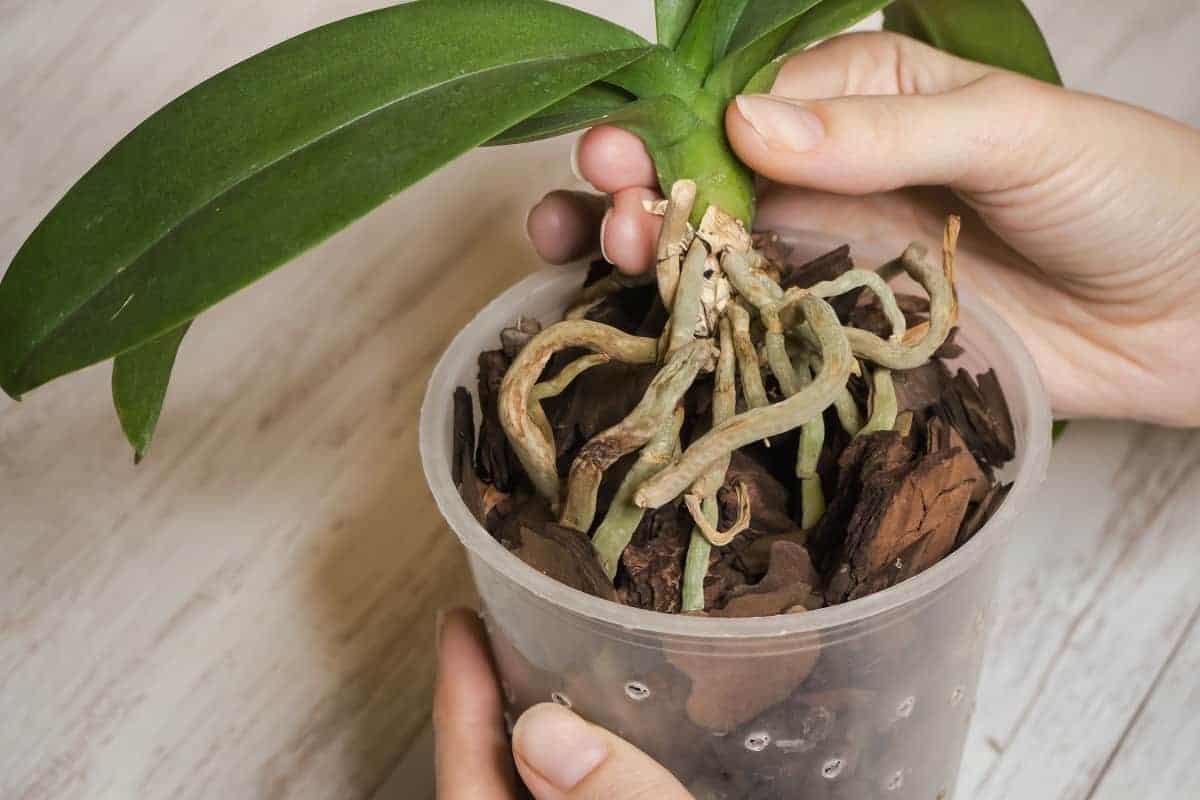
Repotting Echinocactus is a botanical dance demanding patience and precision. Begin by gently loosening the existing soil, preferably wearing thick gloves or using tongs to protect yourself from the cactus’s formidable spines. Tilt the pot and coax the plant out without yanking at the stem—roots should remain intact.
Inspect the roots meticulously. Trim away any mushy, darkened, or fragile roots with sterilized scissors. Dust pruning cuts with cinnamon powder or a natural fungicide to inhibit infection—a secret weapon often overlooked.
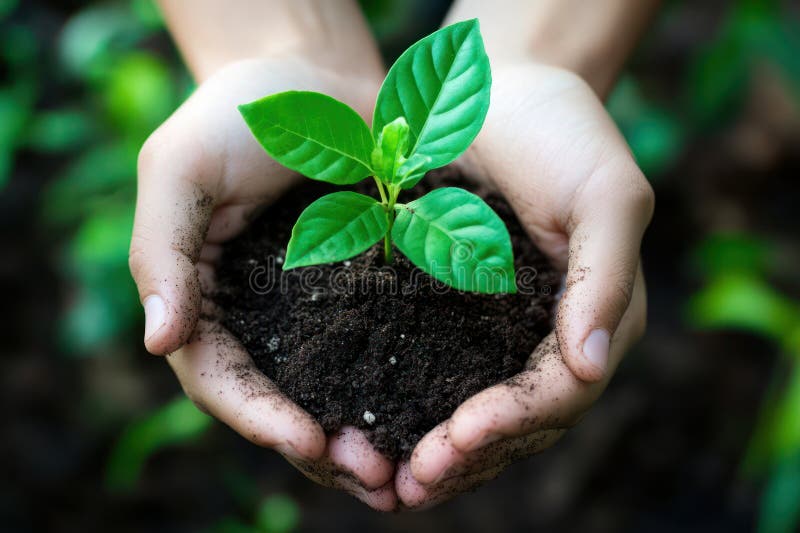
Position the cactus in the new pot at the same depth as before. Fill surrounding spaces with your carefully prepared soil mix, tamping lightly to avoid air pockets but not compacting excessively. This ensures the roots maintain easy expansion paths while anchoring firmly.
Post-Repotting Care: Encouraging Vigorous Root Recovery
After repotting, your Echinocactus enters a delicate phase. Watering should be deferred for at least a week to allow root wounds to callous over. Overzealous watering at this stage invites rot and undermines recovery.
Place the cactus in bright but indirect sunlight initially to minimize stress. Gradually reintroduce direct light as the plant acclimates. Temperature stability is also crucial—avoid drafts or sudden temperature fluctuations.
Use the waiting period to observe any changes: new root growth often manifests subtly at the soil surface or through more vigorous stem growth. Healthy, plump tubercles indicate the cactus is poised to bounce back stronger than before.
Common Pitfalls to Avoid During Repotting
Many enthusiasts unintentionally sabotage their Echinocactus by rushing or overcorrecting. Avoid these traps:
- Overwatering: Resist the urge to water immediately after repotting or frequently thereafter. Let the soil dry sufficiently between waterings.
- Too Large a Pot: Oversized pots hold excessive moisture and inhibit drying cycles.
- Damaging Roots: Rough handling can cause irreversible root trauma.
- Ignoring Signs of Stress: If the cactus appears shriveled or discolored weeks after repotting, reassess lighting and watering conditions promptly.
Unlocking the Potential of Your Echinocactus Through Repotting
Repotting does more than just make room for root expansion—it redefines the relationship between plant and caretaker. Through this mindful practice, you become an architect of vitality, shaping not only the physical environment but nurturing the unseen root architecture that underpins every needle and bloom.
Approach each repotting session as an intimate dialogue with your cactus’s subtle needs. With every careful scoop of soil and tender positioning, you rekindle a cycle of renewal, imbuing your Echinocactus with the vigor to withstand challenges and flourish splendidly on your windowsill or patio. The secret lies not just in moving soil—but in understanding, respecting, and coaxing robust roots to grow deep and strong.
FAQ
When is the best time to repot Echinocactus?
The best time to repot Echinocactus is during early spring or late winter, just before active growth resumes.
What type of pot should I use for Echinocactus?
Use a breathable pot made of terracotta that is slightly larger than the existing root ball to prevent waterlogging.
How do I care for Echinocactus after repotting?
After repotting, avoid watering for at least a week and place the cactus in bright but indirect sunlight to minimize stress.

Leave a Reply