
Short Answer
In the secretive world of nocturnal blossoms, where shadows stretch and the veil of night whispers mysteries, there thrives a genus that defies ordinary botanical expectations. The Epiphyllum species, often cloaked in myth and nocturnal allure, are far more than mere plants; they are living enigmas that announce their presence with breathtaking spectacle and beguiling charm. Journey into the realm of the Epiphyllum—from the queenly “Night Blooming Cereus” to the uniquely shaped “Dutchman’s Pipe”—and prepare for an enchanting perspective shift that challenges how you perceive cacti and their floral prowess.
The Enigmatic Epiphyllum Genus: A Prelude to Nocturnal Wonders
Native to the tropical forests of Central and South America, Epiphyllums are epiphytes—plants that grow upon other plants, basking in dappled light and drawing moisture from the humid atmosphere. Unlike their arid desert cactus cousins, these epiphytic marvels navigate life perched high in the canopy, thriving under conditions of filtered sunlight and ample moisture. Their flattened, leaf-like stems are more than evolutionary quirks; they serve as an exquisite adaptation allowing these plants to capture limited resources with fascinating efficiency.
More than just functional adaptations, Epiphyllums possess a visual mystique that captivates those lucky enough to witness their rare floral display. Their succulent stems often unfurl intricately ribbed structures adorned with vibrant, pendulous flowers. But the crowning glory is their night-blooming phenology—an extraordinary botanical strategy that seemingly conjures magic from darkness itself.

Queen of the Night: The Epiphyllum Oxypetalum’s Nocturnal Pageantry
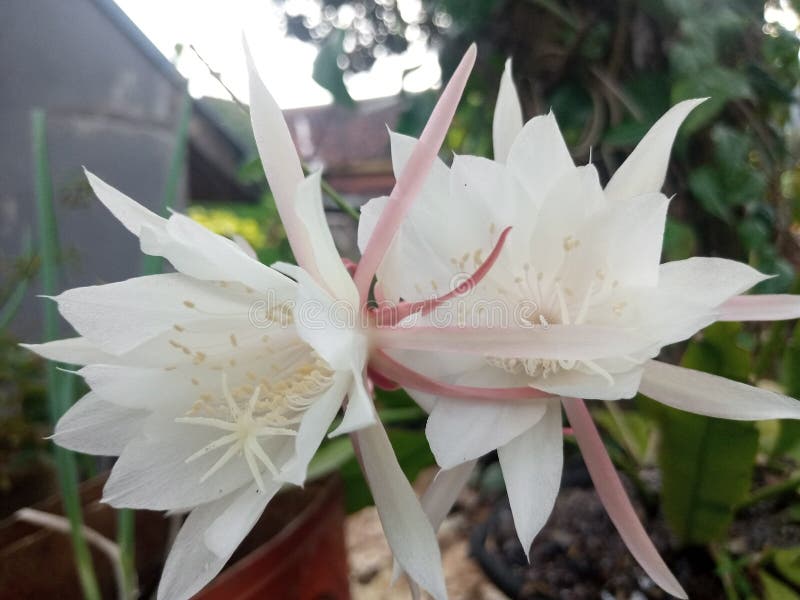
Among the many species within Epiphyllum, Epiphyllum oxypetalum reigns supreme in romantic lore and botanical fascination. Known popularly as the “Queen of the Night,” this nocturnal luminary only reveals its resplendent beauty under the cloak of darkness. The flower’s alabaster petals unfurl in a delicate choreography, releasing an intoxicating fragrance that serenades nocturnal pollinators—moths and bats that navigate by scent.
The ephemeral quality of the Queen of the Night’s bloom adds layers of yearning and mystique: its flowers typically last for a single night, wilting by first light. This transient but intense spectacle has inspired poetry, art, and folklore, elevating the plant from a mere botanical specimen into a symbol of fleeting beauty and quiet grandeur. Viewing this rare nocturnal event feels almost sacramental—an intimate communion with nature’s secret rhythms.

The Dutchman’s Pipe Cactus: Form and Function Intertwined
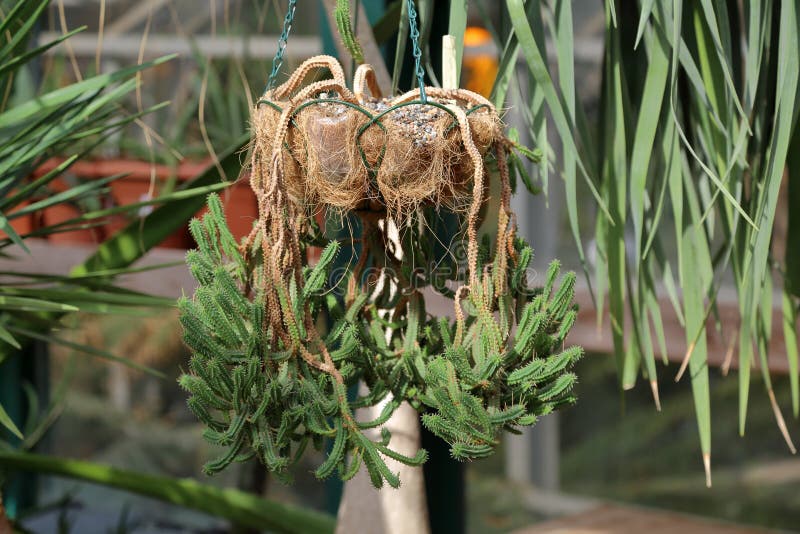
The moniker “Dutchman’s Pipe” conjures an image as distinctive as the plant itself. Epiphyllum species with this nickname bear ribbed, curved stems reminiscent of antique smoking pipes. These contorted, sculptural formations don’t merely please the eye; they illustrate nature’s ability to intertwine form and function seamlessly.
These cacti grow in dense canopies, their sinuous stems sprawling outward to capture as much ambient light as possible. Adapted to epiphytic living, their stems store water and nutrients, a survival tactic embodied in their thickened, succulent tissues. The Dutchman’s Pipe cactus challenges preconceived notions of what a cactus can be—dispelling desert-centric views with its lush, forest-dwelling identity and extravagant blooms.

Pollination Strategies: An Ecological Dance in Moonlight
The nocturnal blooming habits of Epiphyllum species align perfectly with their ecological partners. The fragrant, white flowers emit subtle olfactory signals that penetrate the nighttime air, attracting specialized pollinators adapted to darkness. This interplay is a refined evolutionary strategy: by flowering when diurnal pollinators are inactive, the plants mitigate competition and enhance reproductive success.
Bats, in particular, play a pivotal role. Their sonar and keen sense of smell guide them to the luminescent flowers, enabling effective pollen transfer across the landscape. Moths also share in this nocturnal partnership, their delicate wings brushing against stamens in a silent ballet beneath the stars. Such ecological synchrony underscores the profound interconnectedness of life cycles entwined across species and time.
Epiphyllum in Cultivation: Embracing the Exotic at Home
Epiphyllum species have long captivated horticulturists and enthusiasts who yearn to witness their ethereal blooms firsthand. Cultivating these cacti requires a nuanced understanding of their natural habitats. They prefer indirect light, mimicking the dappling sun of forest canopies, and a growing medium that offers excellent drainage while retaining some moisture—often enriched with organic matter to replicate their arboreal substrate.
Nurturing an Epiphyllum from vegetative stem cuttings to a flowering spectacle is a journey filled with anticipation and eventual reward. The plants may lie dormant for months, only to erupt in radiant, fragrant blossoms when conditions align perfectly. This slow reveal cultivates patience and reverence, transforming gardening from a routine chore into a meditative practice—a testament to the subtle majesty these plants embody.
Unraveling the Mystique: Cultural Symbolism and Botanical Legacy
The Epiphyllum genus carries not just biological significance, but cultural resonance across continents. In various folklore traditions, their blooms symbolize ephemeral beauty, spiritual awakening, and the delicate balance between light and darkness. The “Princess of the Night” or “Wijayakusuma” holds esteemed status in Southeast Asian cultures, celebrated during nocturnal festivals and revered as a botanical treasure.
Such layered symbolism elevates Epiphyllum beyond horticulture into the realm of poetic metaphor. They remind us to cherish moments of fleeting beauty and to acknowledge the silent, hidden rhythms that pulse beneath everyday life. Simply put, these species inspire us to look beyond the obvious—to discover wonder in places where it is least expected.
A Fresh Perspective: Epiphyllum as Botanical Revolutionaries
To know Epiphyllum is to embrace a paradigm shift. They carve a niche between the expected and the extraordinary, between desert spines and rainforest grace. Their nocturnal blooms force us to reconsider common narratives about cacti, urging a deeper appreciation for diversity in form, function, and ecological role. Far from the hardened desert survivor stereotype, these epiphytes thrive in humid canopies, painting the night with fleeting strokes of floral brilliance.
Embedding the Epiphyllum into your botanical consciousness means cultivating curiosity and wonder. They act as living reminders that nature’s creativity is boundless and that beauty often resides in the interplay between light and shadow, permanence and impermanence. In their blooming, these species issue an invitation—to witness, to marvel, and to forever change how we see the botanical world.
FAQ
What is the Epiphyllum species?
Epiphyllum species are a genus of epiphytic cacti known for their stunning, nocturnal flowers and adaptations to humid forest environments.
How do you care for Epiphyllum?
Epiphyllum requires indirect light, well-draining soil, and a humid environment to thrive, mimicking their natural tropical habitat.
What are some notable species of Epiphyllum?
Notable species include Epiphyllum oxypetalum, known as the ‘Queen of the Night,’ and the ‘Dutchman’s Pipe,’ both famous for their unique blooms.


Leave a Reply