
Short Answer
Embarking on the journey of cultivating Lophophora, commonly known as the sacred Peyote cactus, is both a rewarding and spiritually enriching endeavor. Revered for centuries by indigenous communities for its sacred qualities, this slow-growing cactus harbors a mystical aura that captivates horticulturists and enthusiasts alike. Beyond its symbolic significance, Lophophora requires a delicate balance of environmental conditions and thoughtful care. This guide delves deep into the nuances of growing Peyote, guiding you through its history, varieties, optimal cultivation techniques, and maintenance rituals to ensure thriving growth in your collection.
Understanding the Sacred Significance of Peyote
Before delving into cultivation, it’s essential to appreciate the cultural and spiritual reverence of Lophophora williamsii. Known predominantly as Peyote, this succulent has been an integral component of Native American rituals for thousands of years. It symbolizes a connection to the divine, healing, and introspection. This context adds a profound layer of respect and responsibility for those who wish to nurture this extraordinary plant. Cultivating Peyote is not merely horticulture; it is nurturing a living emblem of sacred tradition.

Species Variations and Identifying Features
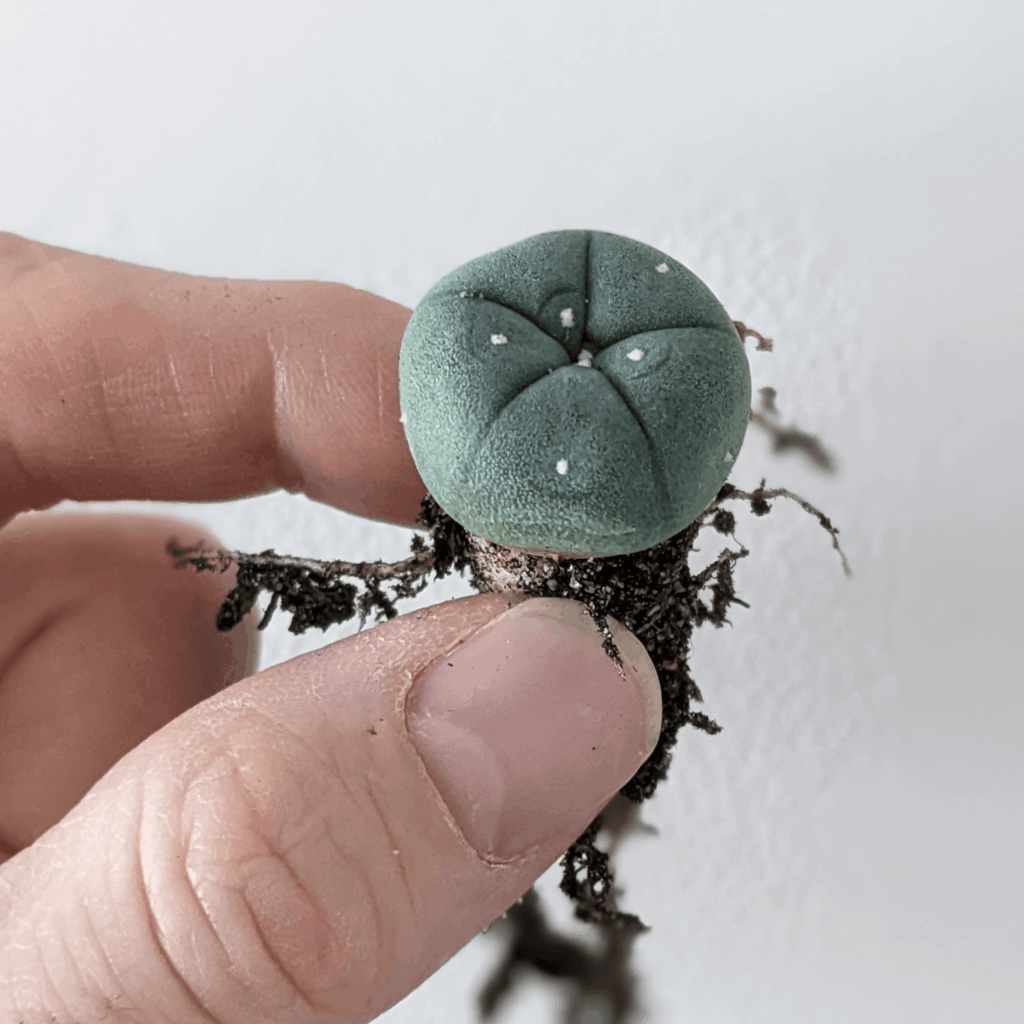
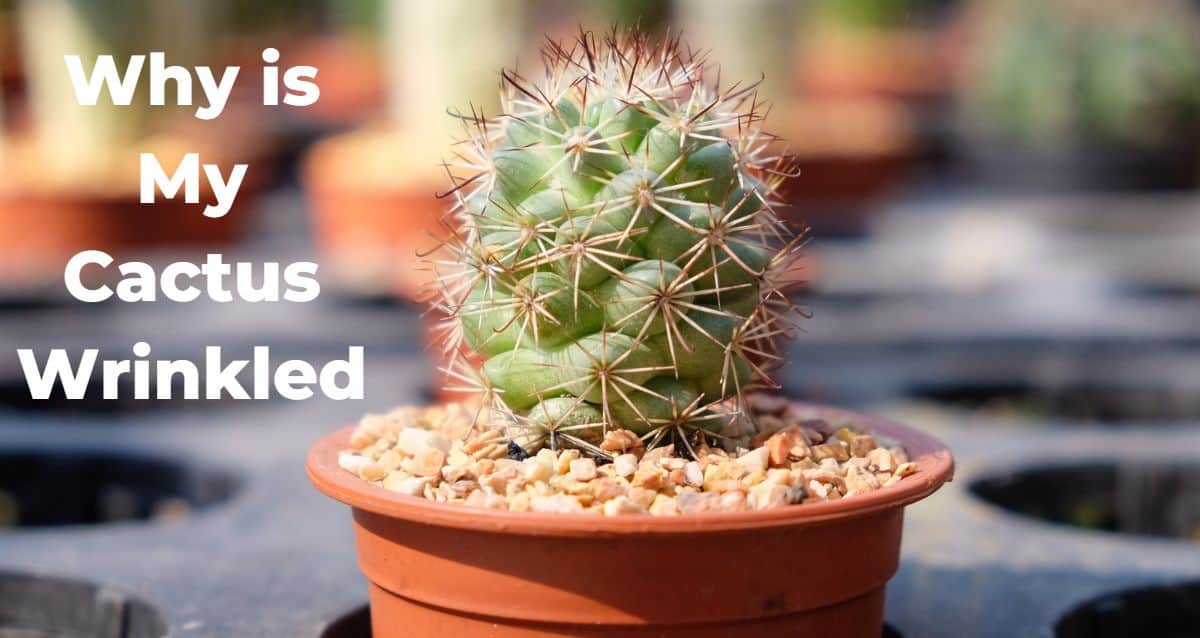
While Lophophora williamsii is the most widely known species of Peyote cactus, there are several notable varieties within the genus Lophophora. Each variant possesses subtle differences in morphology, size, and growth rate. Most Peyote cacti present with a petite, round body adorned with soft, woolly tufts and subtle ribbing. Colors may range from light green to blue-gray. Some rare variants exhibit unique colorations and surface textures that fascinate collectors worldwide. Recognizing these nuances aids in tailoring care specific to the plant’s needs and enhances appreciation of the botanical diversity within the genus.

Selecting the Right Substrate for Optimal Growth
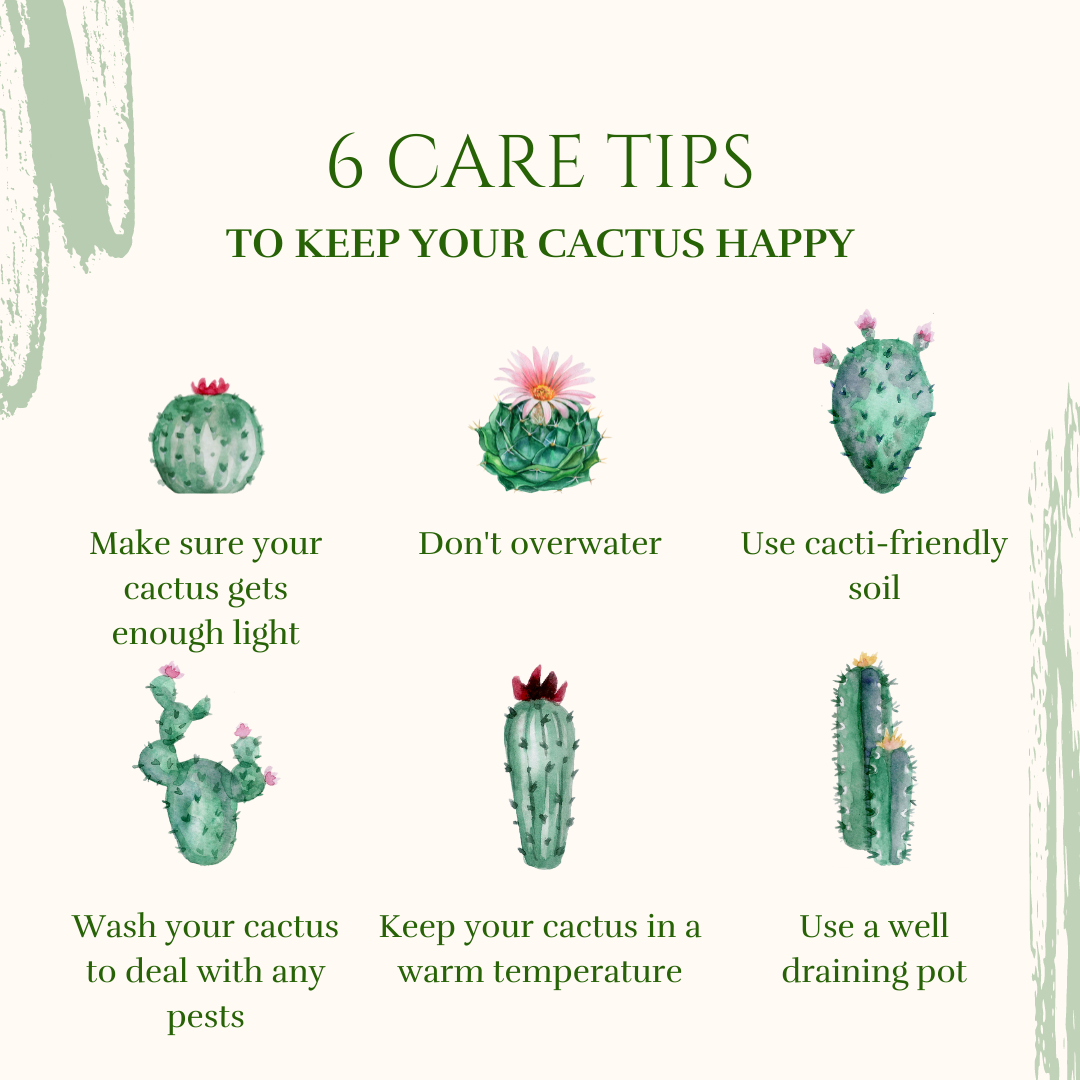
Peyote cacti thrive in substrates that imitate their arid and rocky native environment. A well-draining soil mix is paramount for their survival and vigor. Specialists recommend using a blend composed of mineral components such as pumice, volcanic rock, coarse sand, and crushed gravel, amalgamated with a minimal portion of organic matter like cactus potting mix or composted bark. This substrate combination ensures excellent aeration, prevents waterlogging, and replicates the gritty desert floor essential for Peyote’s root health. Additionally, the soil’s pH should remain slightly acidic to neutral, fostering optimal nutrient uptake.
Lighting: Mimicking the Desert Sun
Exposure to light dramatically influences Peyote’s health and growth rate. These cacti flourish with ample bright light but possess sensitivity to intense, unfiltered sunlight typical of midday desert conditions. Therefore, the ideal environment offers bright, indirect sunlight or filtered light for several hours each day. Positioning near an east or west-facing window is preferable for indoor cultivation. Outdoors, providing partial shade during the hottest part of the day prevents stress and sunburn. Cultivators using artificial growth lights should choose full-spectrum bulbs that replicate natural sunlight around 12-14 hours daily to simulate Peyote’s native photoperiod.
Watering Regimen: The Art of Moderation
Watering Peyote is a delicate art requiring practiced restraint. Root rot is an ever-present threat if the soil remains saturated for prolonged periods. During the active growing season—primarily spring and early summer—water the cactus moderately, allowing the soil to dry entirely between watering sessions. Curtail watering drastically as the plant enters dormancy in late summer and fall. In this period, minimal moisture is necessary, equivalent to once a month or less, depending on ambient humidity. Over-watering remains the most common culprit in Peyote cultivation failure, so adopting a “less is more” philosophy proves vital.
Temperature and Humidity Preferences
Lophophora prefers warm daytime temperatures ranging between 70-90°F (21-32°C) complemented by cooler nights that never drop below 50°F (10°C). This diurnal temperature fluctuation mimics its natural desert environment and supports healthy metabolic function. Although Peyote is adapted to arid climates, it tolerates modest ambient humidity levels but struggles in persistently damp atmospheres. Employing fans or maintaining an airy growing space helps prevent fungal diseases and encourages robust cactus health.
Propagation Techniques: Growing Your Collection
Expanding a Peyote collection can be achieved primarily through seed propagation given the plant’s slow growth and conservation considerations. Seeds require patience, as germination may take several weeks to months under controlled warm and moist conditions. Using a fine, sandy seed medium kept consistently warm (70-80°F / 21-27°C) greatly improves germination rates. Alternatively, propagation via grafting onto faster-growing cactus rootstocks accelerates growth but requires technical skill. Each propagation path offers rewarding challenges and deepens the cultivator’s bond with this sacred cactus.
Dealing with Pests and Diseases
Despite its hardy desert origins, Peyote is susceptible to a handful of pests like mealybugs, spider mites, and root aphids. Vigilant monitoring is essential, especially in indoor environments where pest outbreaks can escalate rapidly. Employing gentle insecticidal soaps or neem oil treatments can mitigate infestations without harming the cactus. Preventative measures include maintaining cleanliness, adequate airflow, and avoiding overwatering. Root rot and fungal infections represent the most critical health threats; they manifest as discoloration, softening, or unusual growth patterns. Prompt removal of affected tissue and adjustment of watering practices are crucial interventions.
Flowering and Maturation: A Patient Reward
One of the most enchanting milestones in Peyote cultivation is witnessing the emergence of its delicate, pinkish-white flowers. These blossoms typically appear after several years of slow growth, often around 5 to 10 years, symbolizing maturity. Flowers usually sprout at the top or near the areoles and last for a few days, attracting specialist pollinators in their native setting. Encouraging flowering indoors requires optimal care, including appropriate lighting, watering, and nutrient access. While patience is essential, the payoff is a profound connection to one of nature’s most captivating succulents.
Preserving Peyote With Ethical Cultivation
Ethical stewardship transcends simple horticultural practice when growing Peyote. Given its cultural importance and conservation concerns, responsible cultivation avoids wild harvesting and instead prioritizes propagation from legally sourced seeds or nursery specimens. By cultivating Peyote with reverence and careful ecological consideration, growers contribute to sustaining this extraordinary species for future generations. Advocating knowledge-sharing and respectful practices fosters a community that honors both the cactus’s spiritual heritage and its biological survival.

FAQ
What is Lophophora?
Lophophora is a genus of cacti, the most famous species being the sacred Peyote cactus, known for its psychoactive properties and cultural significance.
How often should I water Peyote?
Water Peyote moderately during the growing season, allowing the soil to dry completely between watering sessions. Reduce watering during its dormant phase.
What type of soil is best for Peyote?
A well-draining soil mix is ideal, combining mineral components like pumice and coarse sand with a minimal amount of organic matter.

Leave a Reply