
Short Answer
Imagine embarking on a journey to cultivate a plant that embodies resilience, mystery, and ancient beauty—a plant that thrives where many hesitate to tread. Growing Sclerocactus from seed is not merely gardening; it is an adventurous dance with patience, strategy, and the captivating quirks of desert flora. This step-by-step guide will unlock the secrets to successfully nurturing these magnificent cacti from mere seeds, promising a transformative experience that will forever alter your perspective on plant cultivation and desert biodiversity.
Understanding the Enigmatic Sclerocactus
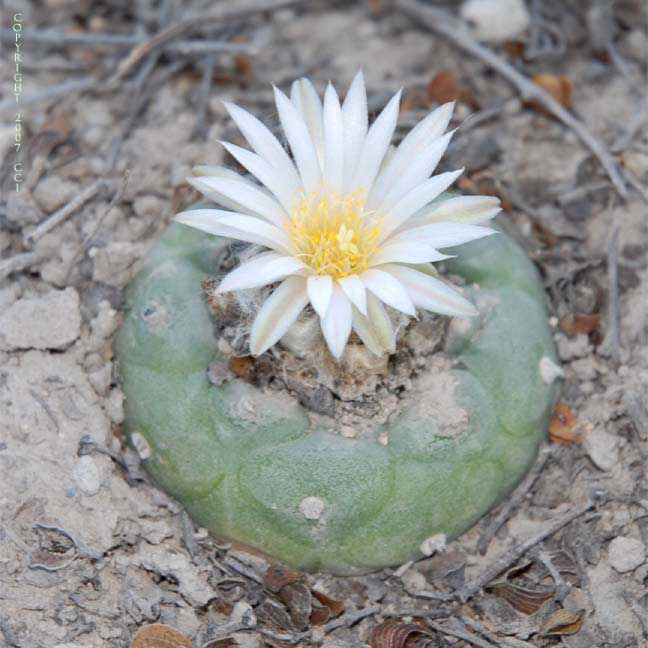
Before sinking your hands into the soil, it’s vital to gain insight into Sclerocactus, also known as the “little barrel cacti.” These hardy survivors are native to arid regions of the southwestern United States, flourishing where sunlight blazes and water is scarce. Their imposing spines and stout forms aren’t just for show—they are evolutionary adaptations honed over millennia to withstand extremes of heat, drought, and rocky terrain.
Appreciating their natural habitat shifts your approach from casual gardening to a mindful replication of nature’s blueprint. Growing Sclerocactus from seed is a delicate exercise in mimicking their desert origins while providing the controlled environment necessary for young seedlings to thrive.
Gathering Quality Seeds: The First Crucial Step
All successful cultivation journeys commence with exceptional seeds. Sourcing your Sclerocactus seeds from reputable suppliers or dedicated collectors ensures genetic vitality and authenticity. These seeds are often tiny, dust-like, possessing a fragile outer coat that demands careful handling.
Never underestimate the importance of freshness. Older seeds can lie dormant or fail to germinate, testing your patience. Store them in a cool, dry place until you are ready to begin the process, avoiding moisture and extreme temperatures that might diminish their viability.

Preparing the Ideal Growing Medium
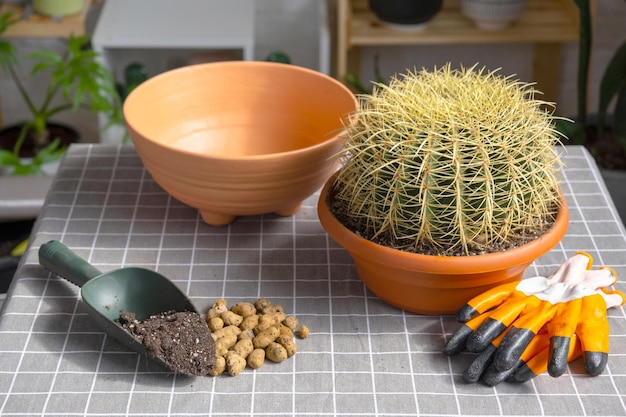
Sclerocactus seeds demand a substrate that mimics their desert terrain—fast-draining, mineral-rich, and devoid of organic clutter that can harbor fungal growth. A specialized cactus mix augmented with extra perlite, pumice, or coarse sand is best. This provides essential aeration and prevents the irritating “damp-off” disease that commonly afflicts vulnerable seedlings.
Sterilizing the soil mix adds a layer of protection, eradicating fungal spores and pathogens lurking within. You can do this by baking the soil in the oven at 180°F for about 30 minutes, a step often overlooked by novice growers but critical for success.
Seed Treatment and Stratification: Unlocking Dormant Potential
Many desert cacti, including Sclerocactus, possess seeds with inherent dormancy—an evolutionary safeguard ensuring germination occurs only under optimal conditions. To coax these seeds into awakening, a carefully timed pretreatment is often necessary.
Soaking the seeds in warm water for 12 to 24 hours can soften the seed coat, improving water absorption. Some species benefit from stratification, where seeds experience a period of cold, mimicking winter’s chill. Refrigerate the seeds in a moist paper towel inside a sealed plastic bag for 2 to 4 weeks.
These steps recalibrate the seed’s internal clock, elevating germination rates and mirroring the natural cues that desert seasons provide.
Sowing Seeds with Precision and Patience
With prepared medium and treated seeds in hand, the art of sowing begins. Scatter the seeds gently on the soil surface—do not bury them deeply. A light dusting of fine sand or grit can be sprinkled over to anchor them but keep them within sight of light, which is crucial for some cactus species.
Maintaining a warm, stable environment at around 70–80°F encourages sprouting. Using a humidity dome or covering the seed tray with clear plastic helps retain moisture without waterlogging the soil. Be vigilant; excess moisture invites mold, while desiccation halts development.

Watering Strategies: Balancing Moisture with Desert Wisdom
Watering your precious seedlings requires a fine balance—a dance between hydration and drought tolerance. Use a spray bottle or bottom-watering method to gently moisten the soil, avoiding washing away tiny seeds or causing saturation.
At this stage, err on the side of keeping the medium just barely damp. Allow the surface to dry slightly between watering cycles. Once seedlings emerge, reduce frequencies, mimicking the sporadic rains of their native habitats. This will toughen the plants and prepare them for harsher realities.
Lighting Requirements: Harnessing the Sun’s Power Indoors
Light is the lifeblood of photosynthesis and ultimately the vigor of your Sclerocactus. Place your seedlings where they can soak up abundant indirect sunlight, such as a south-facing window. Alternatively, use grow lights with full-spectrum bulbs positioned a few inches above the seedlings.
Too little light leads to leggy, weak growth; too intense can scorch tender young plants. A gradual acclimation to brighter conditions over several weeks promotes sturdy development and spiny defenses emblematic of mature cacti.
Transplanting Seedlings: When and How
Patience is paramount here. Allow seedlings to develop 3 to 5 true spines before considering transplantation—a signal they have established root strength. Use individual pots filled with similar cactus mix, ensuring excellent drainage.
Handle seedlings with tweezers or gloves to avoid damage to fragile roots and skin prickles. Transplant during spring or early summer in controlled conditions that replicate their desert environment, facilitating rapid adaptation.
Long-Term Care and Cultivation Tips
Growing Sclerocactus from seed is only the beginning of a rewarding saga. As plants mature, gradually reduce watering frequency, exposing them to more sunlight and airflow. Fertilize sparingly with diluted cactus fertilizer during the growing season to avoid stimulating overly fast, unhealthy growth.
Keep an eye out for pests such as spider mites or scale insects. These can be controlled organically through insecticidal soaps or neem oil but early detection is essential.
Embracing the Journey: The Rewards of Growing Sclerocactus
Watching a minuscule, dust-like seed transform into a spiny symbol of endurance is profoundly satisfying. The challenges overcome teach invaluable lessons about patience, attentiveness, and reverence for nature’s complexity.
Each Sclerocactus you nurture is a living testament to life’s rigidity and grace amid adversity. Whether you’re a seasoned collector or a curious novice, growing these cacti from seed guarantees not only botanical success but a narrative of personal growth intertwined with the stark beauty of the desert.
FAQ
What is Sclerocactus?
Sclerocactus, also known as little barrel cacti, are hardy plants native to the arid regions of the southwestern United States.
How long does it take for Sclerocactus seeds to germinate?
Germination can vary, but typically Sclerocactus seeds can take from a few weeks to a few months depending on the conditions.

Leave a Reply