
Short Answer
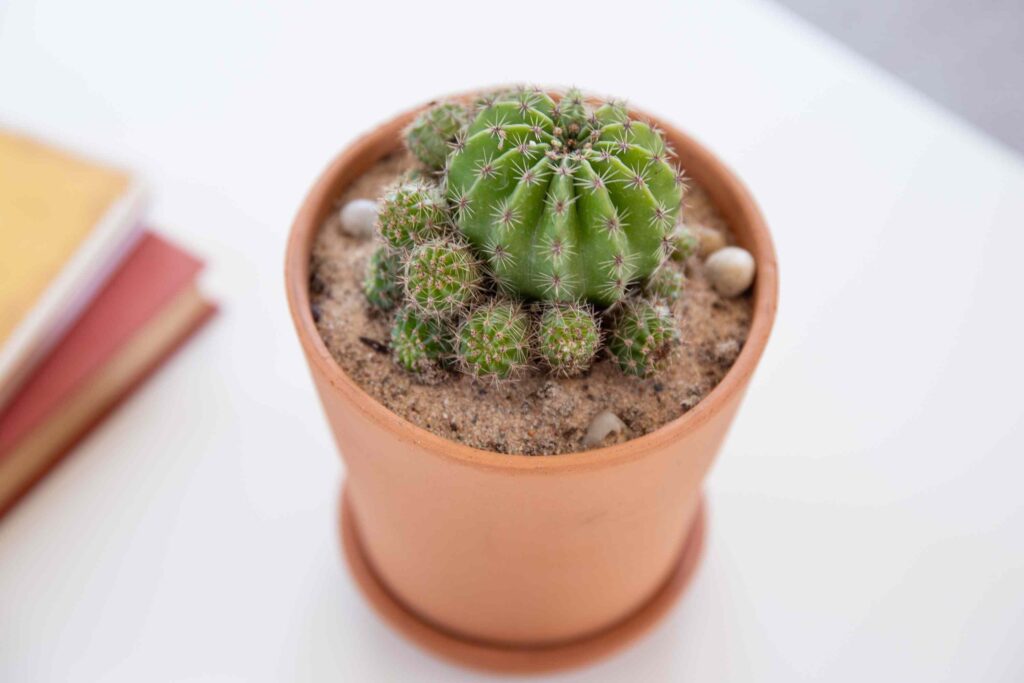
Imagine holding a piece of the desert’s enigmatic soul in the palm of your hand. The Ball and Barrel cacti—collectively known under the genus Parodia—are living sculptures carved by nature’s most meticulous artisan. Their globular and ribbed forms evoke a timeless elegance, embodying resilience and quiet beauty. Growing these botanical marvels is a journey into the heart of xerophytic wonder, an ode to the art of patience fused with precise care.
The Botanical Allure of Parodia
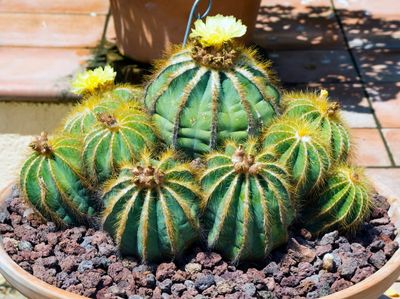
Parodia cacti captivate the eye not merely for their shape, but for the poetry etched in their spines. Often compared to living gemstones, these cacti present a tactile contrast between their plush, woolly areoles and the sharp, formidable spines guarding them. Most striking are their vibrant blooms—bursts of fiery yellows, rich pinks, or dazzling reds—that unfurl like desert fireworks. This exquisite interplay between austere geometry and flamboyant color appeals to both seasoned horticulturists and curious novices alike.
/ball-cactus--parodia--in-garden-927924804-5adfd2c6ae9ab800372c5fed.jpg)
Choosing the Ideal Environment
To nurture a Parodia cactus is to replicate an oasis of desert luxury. These cacti thrive in locations flushed with bright, yet indirect sunlight. Direct, scorching beams may scorch their delicate epidermis, while dim corners stunt their glorious flowering. Indoors, a south-facing window is akin to a sunlit altar, providing the golden hour light without the rigors of desert harshness.
Temperature plays a symphonic role. Parodia cacti favor warmth, basking joyously in temperatures ranging from 70°F to 85°F during the growing season. Come winter, they require a cool rest between 45°F and 55°F, a dormancy that encourages flowering the following year. This delicate balance of warmth and cool rest embodies their desert rhythm—a seasonal breathing that underpins their health.
Watering Zen: The Art of Hydration
Watering a Parodia cactus is a dance of discretion and timing, a ritual that embodies the desert’s whispered wisdom. These cacti store water like nature’s keepers of liquid gold, demanding watering sparingly. Overwatering is their nemesis—like attempting to drown a jewel.
During the spring and summer, watering once every two to three weeks suffices. The soil should dry out completely between soaks, ensuring the roots don’t languish in soggy imprisonment. As autumn’s chill approaches, taper watering gradually, halving amounts until you cease completely in winter. During this dormancy, the cactus draws upon its reserves, hibernating patiently until spring’s warm coaxing.
Soil: The Desert’s Bedrock
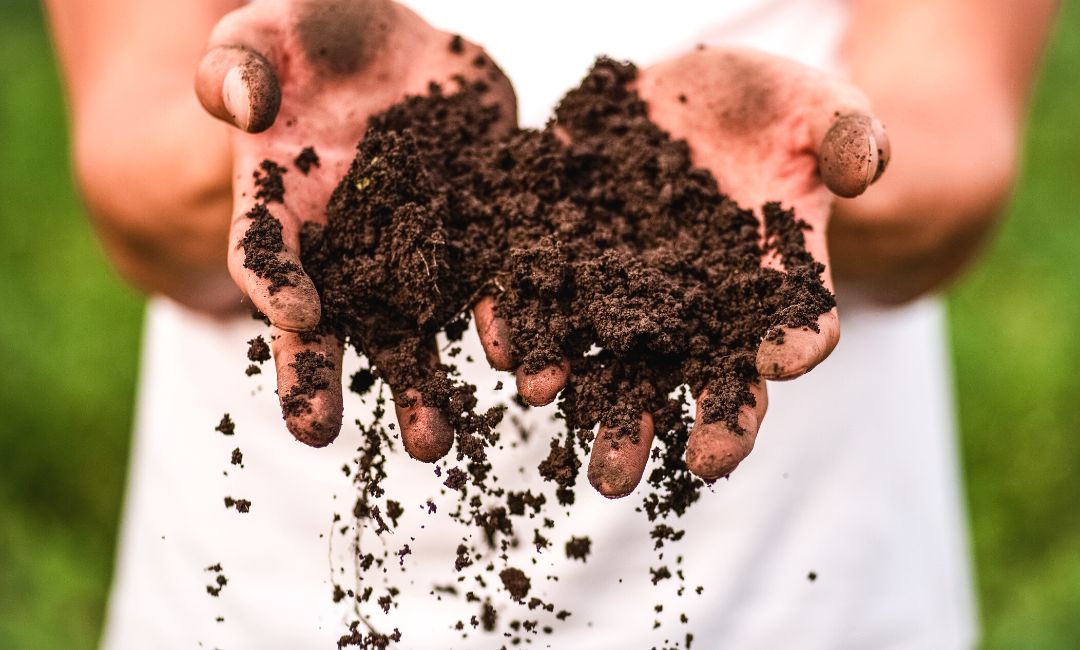
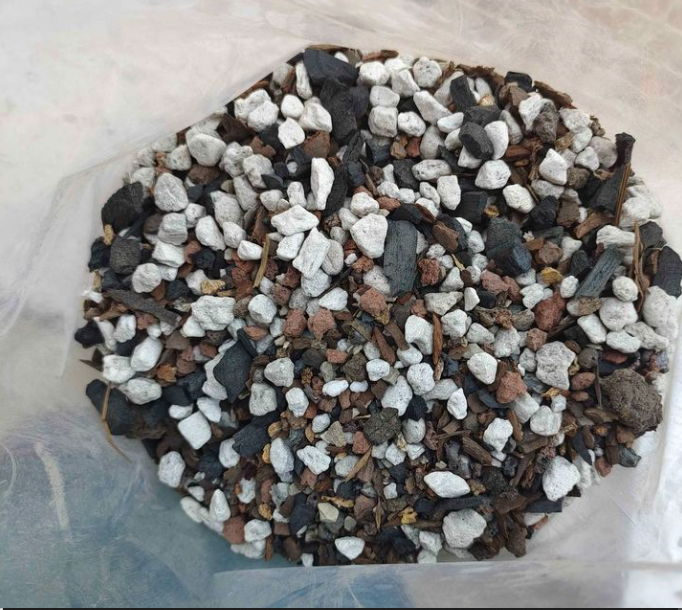
The substrate in which Parodia cacti are planted must mimic the arid, fast-draining soils of their native habitat. A rich loam is their enemy, inviting rot and despair. Instead, the ideal soil combines mineral grit and organic matter: typically a mix of cactus potting soil blended with pumice, coarse sand, or perlite. This gritty mélange facilitates swift drainage, preventing the insidious creep of root rot.
Positioning your cactus in a pot with ample drainage holes completes this foundational necessity. The absence of proper drainage is akin to burying a living gem beneath a mound of quicksand.
Feeding and Fertilizing: The Subtle Nourishment
Though hardy, Parodia cacti appreciate occasional fortification. A diluted, balanced fertilizer (such as 10-10-10) provided once a month during the growing season can stimulate lush growth and vivacious blooms. Never fertilize during dormancy; it’s a restful hibernation period rather than a time for excess indulgence.
Employing a liquid fertilizer formulated for cacti ensures both nutrient availability and safety from “burning.” The subtle act of feeding is less about copious amounts and more about consistent, gentle encouragement—like whispering encouragement to an artist struggling to perfect their craft.
Repotting: Giving Space to Evolve
Parodia cacti are slow but steady growers. Repotting is seldom required annually but becomes necessary every two to three years, or when roots begin to crowd their container as if constricted. Fresh soil reinvigorates the plant, providing renewed minerals and aeration.
Select a pot only slightly larger than the current one, maintaining the charm of their compact form. When repotting, handle the cactus with great care—using tongs or thick gloves to protect from the needle-like spines—and gently loosen root balls without damage. After repotting, refrain from watering for a week to allow root wounds to callous, preventing rot.
Pests and Diseases: Guardians Against Invaders
Though resilient, Parodia cacti can fall prey to common succulent foes like mealybugs, spider mites, and fungal infections. Vigilance is indispensable. Regularly inspect the plant’s crevices, areoles, and soil surface.
Mealybugs appear as cottony white blobs; spider mites manifest as minuscule webs and speckled foliage. Quick removal can be accomplished with a cotton swab dipped in isopropyl alcohol. For fungal diseases, ensuring proper air circulation and avoiding late-day watering mitigates risk. Should infestations persevere, horticultural oils or insecticidal soaps provide safe, effective recourses.
Encouraging Blossoms: The Crown Jewel
The parade of flowers amply rewards those who master Parodia care. To coax these blossoms—symbols of vitality and heritage—emulate the natural environment’s cycles. Foster strict watering routines that mirror seasonal shifts, maintain cooler winter temperatures, and ensure at least six hours of indirect sunshine.
Patience is the true virtue here; some Parodia specimens may take several years before flowering. Yet when the first flower unfurls its petals, it is as if the cactus unveils a secret that generations of desert winds have whispered to it. This ephemeral spectacle is the apotheosis of your dedicated care.
/grow-parodia-cacti-indoors-1902591-2-4dc216d2fc7743f598b97b9f617c6867.jpg)
Propagation: Sharing the Desert’s Legacy
Propagation is the loving act of conjuring new life from the parent plant. Parodia primarily propagates from seeds, a process that demands patience akin to nurturing an infant star. Seeds require warmth, constant moisture, and light but no direct sun. Germination may take weeks, with seedlings needing delicate care to avoid fungal rot.
Offsets or pups also occasionally appear, especially in barrel-type species. These can be gently separated once they reach adequate size, then potted individually. Whether by seed or pup, propagation is a testament to your bond with your Parodia—passing on a desert treasure to another eager caretaker.
Integrating Parodia into Your Space
Beyond horticulture, Parodia cacti serve as living focal points—enigmatic and sculptural—in homes and gardens alike. Their compact size makes them perfect ambassadors for urban dwellers who yearn for a slice of wilderness in their apartments. Grouping several varieties can evoke an intriguing desert tableau, a microcosm of arid elegance.
Placed on a sunny windowsill, a minimalist shelf, or within a Mediterranean-style garden, these cacti invite contemplation, reminding us that even the harshest environments fashion enduring beauty. Their presence in your space becomes a daily meditation on resilience, artistry, and the slow, deliberate dance of life.
FAQ
What is the ideal soil for Parodia cacti?
Parodia cacti thrive in fast-draining soil that mimics their native arid habitat, typically a mix of cactus potting soil with pumice, coarse sand, or perlite.
How often should I water my Parodia cactus?
Water your Parodia cactus every two to three weeks during the growing season, allowing the soil to dry out completely between watering.
Do Parodia cacti need fertilizer?
Yes, they benefit from a diluted, balanced fertilizer applied once a month during the growing season, but should not be fertilized during dormancy.

Leave a Reply