
Short Answer
There is an undeniable allure in the delicate, almost ethereal nature of Rhipsalis — a genus of epiphytic cacti that seem to dance between worlds. Unlike their desert-dwelling cousins, these jungle dwellers carry an enchanting mystique that captivates plant enthusiasts across the globe. Their slender, cascading stems resemble strands of green beads or fairy tassels, inviting a closer look and kindling a desire to multiply their exotic charm. Propagating Rhipsalis is a fascinating ritual, a blend of art and science, where patience meets the innate vitality of a tropical marvel. This guide delves into the two most effective propagation techniques — cuttings and division — unlocking the secrets to expanding your verdant collection with ease and confidence.
Understanding the Unique Growth Habit of Rhipsalis
Before embarking on propagation, it’s crucial to appreciate the singular growth patterns of Rhipsalis. Unlike most cacti, Rhipsalis thrive as epiphytes, meaning they naturally cling to tree branches in rainforests, absorbing moisture directly from humid air and filtered light. Their segmented, cylindrical or flattened stems grow in a sprawling, pendulous fashion. This growth habit doesn’t just lend aesthetic grace; it also directly influences the propagation process. Each segment possesses latent regenerative potential, a botanical safety net evolved for survival in the wild. This adaptability lays the foundation for propagation success — every node can give birth to new roots and shoots under the right conditions.
Propagation by Cuttings: The Quintessential Method
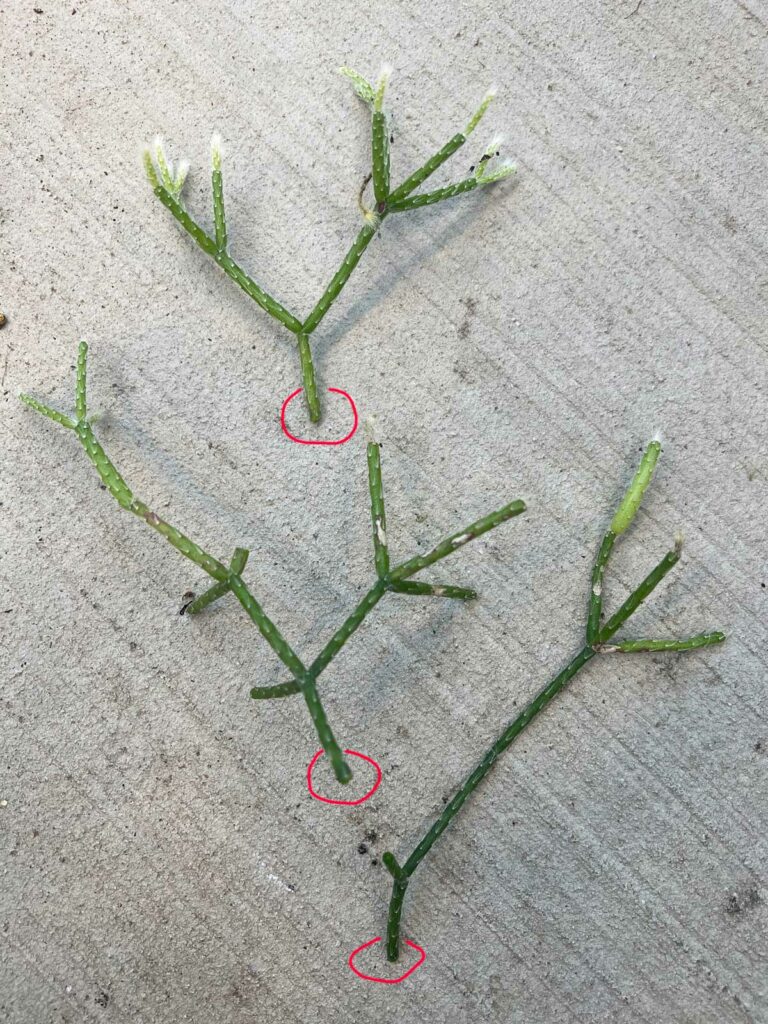
Cuttings represent the most accessible and gratifying approach to multiplying Rhipsalis. This method involves severing a healthy, mature stem segment and encouraging it to root independently, effectively cloning the parent plant. Here’s why this technique resonates with gardeners: it honors the natural vegetative regenerative abilities of the plant and allows rapid proliferation.
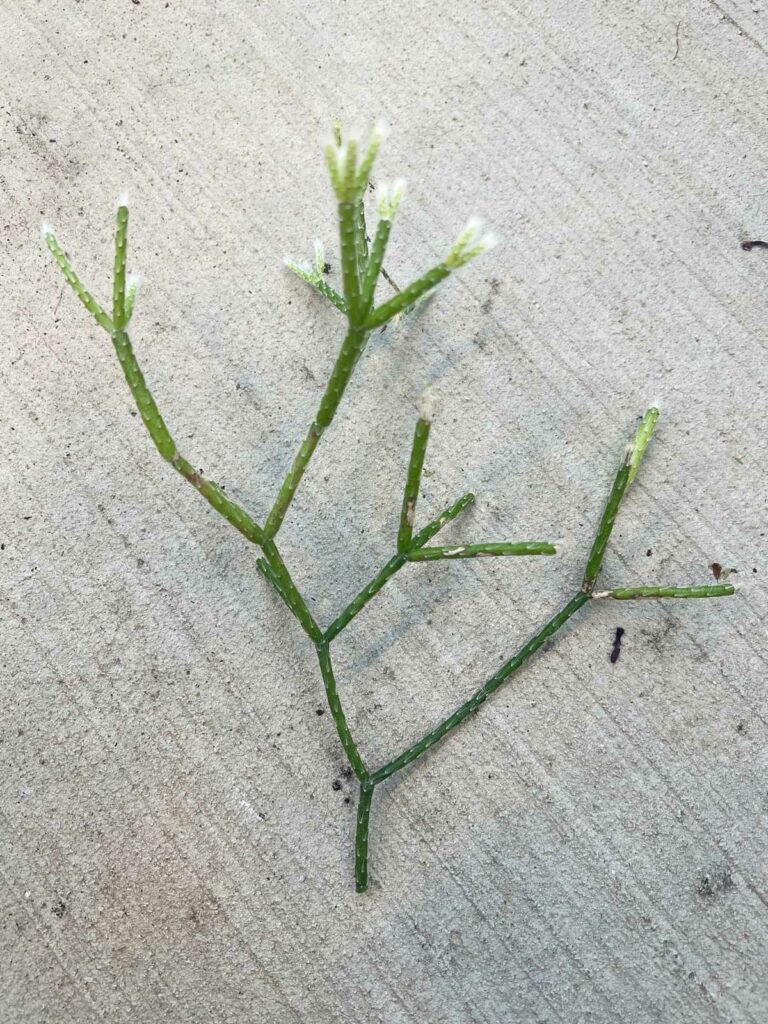
To start, select a vigorous segment of the Rhipsalis that is firm and free from blemishes or disease. Using sterilized, sharp scissors or pruning shears, snip a piece approximately 4 to 6 inches long, ensuring several joints or segments are included. The magnificence of Rhipsalis lies in the ease with which these cuttings develop roots from any node, so there’s a forgiving margin for error.
Post-cutting, it’s advisable to let the segment rest in a shaded, ventilated area for a few days. This “callusing” phase allows the cut end to dry and form a protective barrier against pathogens—a step often overlooked by beginners.
Rooting the cutting can be achieved via two common methods: water propagation or direct soil insertion. Submerging the cutting’s base in distilled water stimulates root emergence within two to six weeks, but be vigilant for rot. Alternatively, planting the cutting in a moist, well-draining cactus mix harnesses the plant’s natural substrate preferences, promoting robust root systems.
Whichever method you choose, maintain a warm, humid environment with indirect light—conditions reminiscent of their native under-canopy realm. The marriage of warmth, moisture, and light whispers life into these fragile cuttings, coaxing roots to unfurl below.

Division: A Symphony of Renewal
While cuttings capture the essence of asexual reproduction, division offers an equally fascinating alternative — one that respects the complexity of mature plants. Division involves separating an established Rhipsalis clump into smaller segments, each capable of independent growth. This method not only multiplies plants but also rejuvenates overgrown specimens, reviving their vigor and architectural balance.
Begin by gently removing the plant from its pot, carefully untangling the wiry roots to scrutinize the clumping structure. The roots tend to weave tightly around the substrate, a durable matrix providing stability. Using clean, precise tools, sever the plant at natural branching points, ensuring each division includes a healthy portion of roots and stems.
Division emphasizes minimal stress to each portion, which means handling the delicate root structures with reverence. After separation, repot each division into fresh, aerated soil dominated by organic material and perlite or orchid bark to mimic the epiphytic growing conditions.
Post-division recovery mirrors that of cuttings—maintain indirect light, high humidity, and stable temperatures. The divisions benefit from a gentle misting regimen to compensate for temporarily reduced root absorption, encouraging swift acclimatization and renewed growth.
Common Challenges and How to Overcome Them
Propagating Rhipsalis, while rewarding, is not without nuances. One common observation among cultivators is the occasional reluctance of cuttings to root or the slow establishment of divisions. Understanding why this happens can transform frustration into triumph.
Often, inadequate humidity and fluctuating temperature are silent antagonists. Rhipsalis demand stable tropical conditions; allowances for rapid desiccation can halt root initiation abruptly. Another challenge is overwatering, especially during the rooting phase. The thin, fleshy stems are susceptible to rot when saturated.
To mitigate these issues, employ well-draining mediums and avoid standing water. Using a propagation dome or placing cuttings near a humidifier can replicate native humidity levels effectively. Patience and observation are paramount—the symbiosis between plant and grower flourishes through attentive care.
The Innate Fascination: Why Propagating Rhipsalis Captivates
Beyond the technical steps and horticultural details lies a deeper, almost poetic reason enthusiasts gravitate toward propagating Rhipsalis. These plants embody resilience and elegance in an unlikely form. Each successful cutting or division symbolizes a triumph of life, a miniature unfolding saga of growth and adaptation.
The fascination also stems from the act itself — propagation becomes a meditative liaison with nature’s subtle rhythms. Watching tiny nodal roots burst forth or witnessing a once dormant segment awaken fuels an almost primal satisfaction. It’s a reminder that within the fragile, the ephemeral, lies an astounding capacity for renewal. Rhipsalis, with their distinctive charm, invite us to partake in this miraculous cycle, cultivating not just plants but patience, care, and wonder.
FAQ
What is the best method for propagating Rhipsalis?
The best methods for propagating Rhipsalis are through cuttings and division, both of which respect the plant's natural growth habits.
How long does it take for Rhipsalis cuttings to root?
Rhipsalis cuttings typically root within two to six weeks, depending on the conditions provided.




Leave a Reply