

Short Answer
In the vast, sun-scorched expanses where the earth meets the sky in a dance of endurance and resilience, few botanical wonders command attention like the Opuntia cactus. This unassuming yet extraordinary plant, with its paddle-like cladodes and vibrant blooms, is not merely a survivor of the desert—it is a living testament to the indomitable spirit of life in the harshest of environments. The Opuntia, often dismissed as a mere prickly nuisance, reveals itself upon closer inspection as a masterpiece of evolutionary artistry, a sculptural marvel that transforms barren landscapes into breathtaking tapestries of color and form.
The Opuntia as a Sculptor of the Desert Canvas
The desert is a place of stark contrasts, where the absence of water and the relentless glare of the sun forge an environment that is both unforgiving and awe-inspiring. Yet, within this austere setting, the Opuntia thrives, not in spite of the conditions, but because of them. Its segmented pads, or cladodes, are not mere leaves but architectural marvels—flattened, fleshy structures that store water with the precision of a reservoir, allowing the plant to endure months of arid stillness. These cladodes, often adorned with a constellation of spines, create a visual rhythm across the landscape, their geometric patterns echoing the angular shadows cast by the sun. They are the brushstrokes of a desert painter, each stroke deliberate, each line a testament to survival.
Consider the Opuntia’s ability to thrive in the most inhospitable soils, from the sandy dunes of the Sonoran Desert to the rocky outcrops of the Chihuahuan. Its roots spread like a spider’s web, anchoring it to the earth while its pads rise in defiance, capturing the faintest whisper of moisture from the air. This adaptability is not just a biological triumph but a metaphor for resilience—a reminder that beauty often flourishes where it is least expected. The Opuntia does not beg for attention; it commands it, its presence a bold declaration that life, in all its forms, will find a way.
The Blooming Spectacle: A Fleeting Masterpiece
Few sights in the natural world are as arresting as the Opuntia in full bloom. For most of the year, it stands as a silent sentinel, its green pads blending into the muted palette of the desert. But when the rains come—those precious, infrequent gifts from the sky—the Opuntia awakens. Its buds swell with anticipation, and then, in a sudden burst of color, it erupts into a riot of flowers. The blooms, often in shades of fiery orange, radiant yellow, or delicate pink, are not mere decorations; they are declarations of triumph. They are the desert’s answer to the fleeting nature of life, a reminder that even in the most barren of places, beauty can bloom with astonishing ferocity.
The Opuntia’s flowers are ephemeral, lasting only a few days, yet their impact lingers like the afterimage of a sunset. They attract pollinators with the promise of nectar, a lifeline in a land where every drop of water is precious. Bees, hummingbirds, and even the occasional desert lizard become unwitting participants in the Opuntia’s reproductive dance, their movements choreographed by the plant’s evolutionary genius. The flowers, with their delicate petals and vibrant hues, are not just a feast for the eyes; they are a symphony of survival, a fleeting yet unforgettable spectacle that underscores the desert’s capacity for wonder.
The Opuntia’s Dual Nature: Beauty and Defense
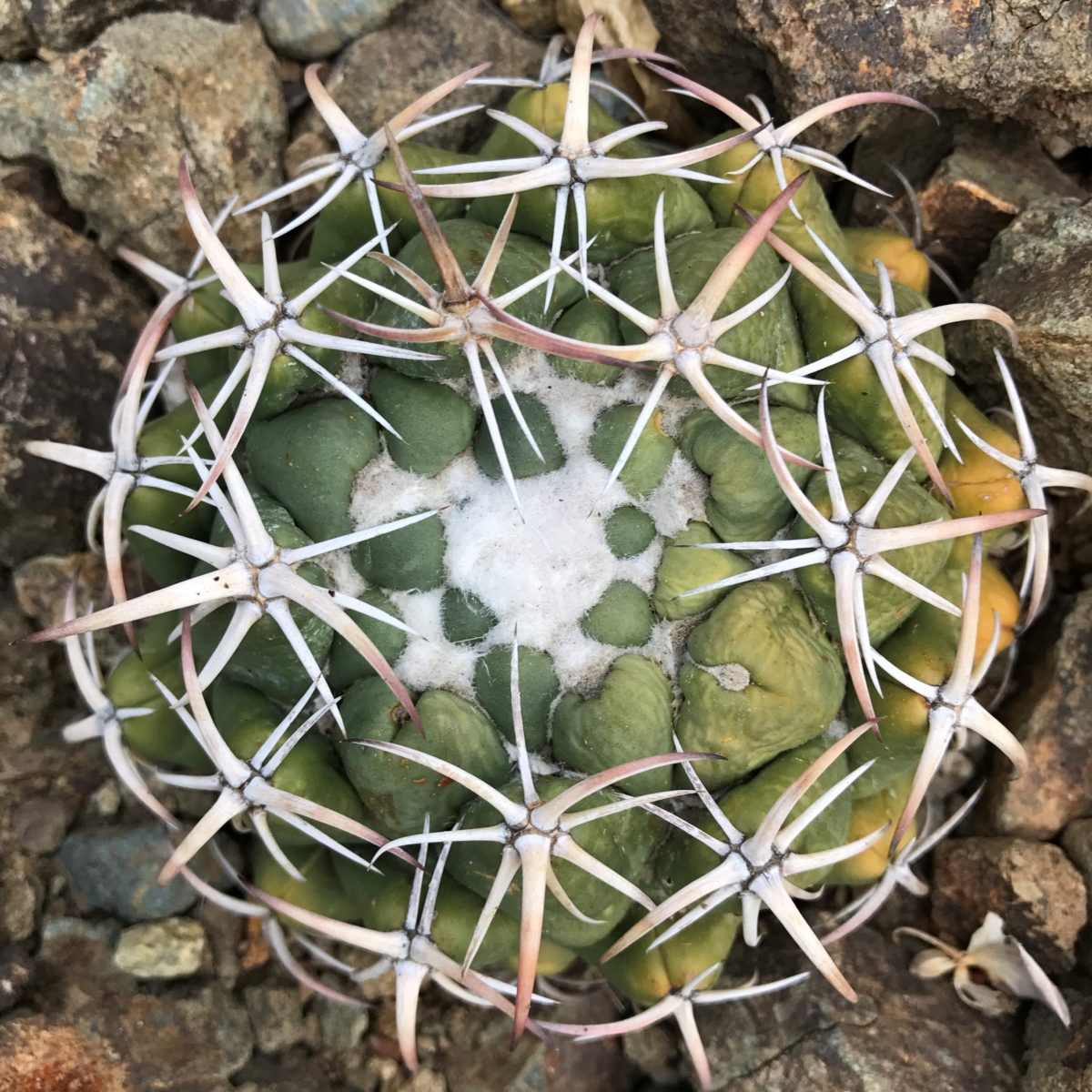
To speak of the Opuntia is to acknowledge its paradoxical nature—a plant that is both alluring and formidable, a symbol of both fragility and strength. Its spines, often sharp and menacing, serve as a deterrent to predators, a reminder that even the most delicate-seeming life forms can wield formidable defenses. Yet, these spines are not merely weapons; they are also works of art. Some species of Opuntia bear spines in hues of gold, red, or even translucent white, their colors shimmering in the sunlight like the spines of mythical creatures. They transform the plant into a living sculpture, a fusion of beauty and utility that challenges our perceptions of what it means to be both delicate and resilient.
Consider the Opuntia’s role in the ecosystem. Its fruits, known as tunas, are a vital food source for desert wildlife, from coyotes to tortoises. The plant’s pads, once shed, decompose into nutrient-rich mulch, enriching the soil for future generations of flora. In this way, the Opuntia is not just a survivor but a benefactor, a keystone species that sustains the delicate balance of the desert ecosystem. Its dual nature—both nurturing and protective—makes it a symbol of the interconnectedness of all life, a reminder that even the most seemingly solitary plants play a vital role in the grand tapestry of nature.
The Opuntia in Culture and Myth
The Opuntia’s striking presence has not gone unnoticed by human cultures, which have woven its image into their myths, legends, and traditions. In Mexican folklore, the Opuntia, or *nopal*, is a sacred plant, its pads and fruits appearing in stories as symbols of sustenance, protection, and even divine intervention. The Aztecs revered the Opuntia as a plant of the gods, its image etched into the founding myth of Tenochtitlan, where an eagle perched on a cactus signaled the site of their future capital. This myth, now immortalized in the Mexican flag, speaks to the Opuntia’s role as a harbinger of life and civilization in the midst of desolation.
In the American Southwest, the Opuntia has been both a practical resource and a spiritual symbol. Native tribes such as the Navajo and the Hopi used its pads for food, medicine, and even as a canvas for their intricate sand paintings. The plant’s resilience mirrored the resilience of their people, a living metaphor for endurance in the face of adversity. Even in modern times, the Opuntia continues to inspire artists and writers, its striking forms appearing in everything from desert landscapes to abstract art. It is a plant that transcends its environment, its image a bridge between the natural world and the human imagination.
The Opuntia’s Enduring Legacy
To stand in a desert where Opuntia cacti dot the landscape is to witness a silent revolution—a testament to the power of adaptation, the beauty of resilience, and the unyielding spirit of life. The Opuntia is more than a plant; it is a storyteller, its pads and blooms whispering tales of survival, its spines a shield against the harshness of the world. It is a reminder that even in the most unforgiving of environments, life finds a way to flourish, to bloom, to thrive.
The next time you encounter an Opuntia, take a moment to look beyond its spines. See the architectural elegance of its cladodes, the fleeting brilliance of its flowers, the intricate dance of its defenses. Recognize in it a mirror of our own capacity for resilience, for beauty, for endurance. The desert may be a place of scarcity, but it is also a place of abundance—a place where life, in all its forms, refuses to be diminished. And in the heart of that abundance stands the Opuntia, a living masterpiece, a striking display of nature’s unbreakable will.
FAQ
What is the Opuntia cactus?
The Opuntia cactus, also known as prickly pear, is a plant characterized by its flat pads and colorful blooms, thriving in arid environments.
How does the Opuntia survive in the desert?
It has adapted to store water in its pads and can extract moisture from the air, allowing it to endure long dry periods.
What is the cultural significance of the Opuntia?
The Opuntia holds symbolic value in many cultures, such as being revered in Aztec mythology and used by Native American tribes for food and medicine.


Leave a Reply