
Short Answer
There is an undeniable allure in the rugged beauty of Sclerocactus, a genus of cacti revered not only for their striking forms but also for the mystique of their rarity and endangered status. This fascination goes beyond mere plant care; it speaks to a deeper human connection with resilience, survival, and the preservation of nature’s most extraordinary gifts. Observers often find themselves captivated by the intricate spines, sculptural shapes, and the profound stories these cacti silently tell about adaptation and ecological fragility. To nurture a Sclerocactus is to participate in a delicate dance of patience, respect, and attentive care—one that honors both the plant’s heritage and its future.
Understanding the Unique Biology of Sclerocactus
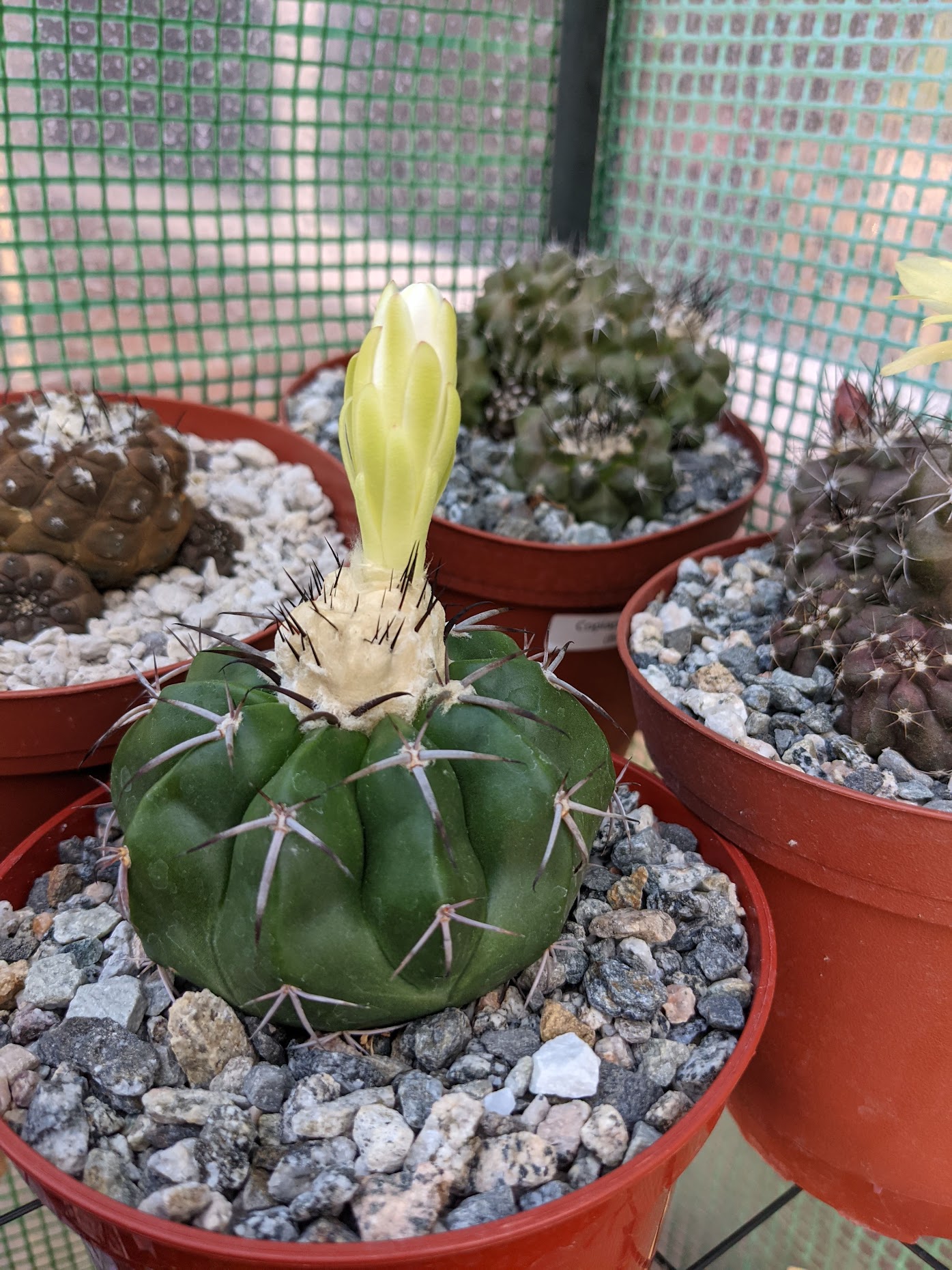
Sclerocacti, often called “blue barrels” or “fishhook cacti” due to their distinctive hooked spines, exhibit remarkable adaptations that enable them to thrive in harsh desert environments. Unlike many succulents, their tuberculate stems are densely packed with tough, woody tissue—hence the name “Sclero,” meaning hard. This offers protection against desiccation and predatory animals alike.
Each species within this genus manifests a slightly different morphology, but all share a compact, often globe-like form that minimizes surface area exposed to sun—an ingenious survival tactic in intensely arid habitats. Their spines can vary from dense clusters to sparse, rigid hooks, serving roles in shading, moisture retention, and defense.

But this biological marvel extends beyond physiology; it is a portrait of evolutionary finesse. Their life cycles are slow and deliberate, growth measured in millimeters per year, imbuing their care with a slow rhythm that rewards patience and meticulous attention.
Habitat and Conservation Status: Why They Are Endangered
The endemic habitats of Sclerocacti range primarily across the arid southwest of the United States, flourishing in rocky outcrops and alkaline soils where few other plants dare to root. These microhabitats are incredibly fragile. Urban expansion, off-road vehicle traffic, illegal collection, and climate change pose existential threats.
Because many species occupy incredibly specialized niches, even minimal environmental disruption can jeopardize their populations. This ecological niche specificity is part of what makes Sclerocacti so compelling—each plant is a unique repository of environmental history and specialized adaptation.

Conservation efforts frequently involve cultivating these cacti in controlled environments, but replicating their natural soil, temperature, and moisture conditions is a formidable challenge. Each conservation success story is a testament to human dedication intersecting with botanical expertise.
Optimal Growing Conditions for Sclerocactus
To cultivate Sclerocactus at home or in a greenhouse demands a nuanced understanding of their native conditions. These cacti require substrates that mimic the gritty, mineral-rich soils of their desert origins. A tailored media comprising porous constituents such as pumice, coarse sand, and a small fraction of organic matter supports drainage while preventing root rot.
Light, unsurprisingly, is paramount. Intense, unfiltered sunlight is indispensable for photosynthesis and healthy development. Yet, during peak summer heat, minimal shading can prevent scorching—a delicate balance must be maintained.
Watering is another critical facet. Sclerocacti endure prolonged droughts, so infrequent but deep watering during their active growing season is essential. Overwatering is their nemesis, leading to root necrosis and irreversible decline. During winter dormancy, water should be withheld entirely, allowing the plant to rest.
Propagation: From Seeds to Mature Specimens
One of the most enthralling aspects of caring for Sclerocactus is their propagation, often undertaken from seed. Seed germination is notoriously slow but deeply rewarding, reflecting the patient pace of these desert denizens’ natural growth. Seeds require stratification mimicking cold desert nights, occasionally needing light exposure to trigger sprouting.

Success demands sterile conditions, consistent moisture without saturation, and judicious temperature control around 70°F (21°C). The young cacti often appear fragile and vulnerable but their survival instincts, honed over millennia, manifest as they mature into robust plants.
Grafting is rarely employed with Sclerocacti due to their specific root systems, but micropropagation in laboratories is emerging as a technique to bolster conservation efforts.
Common Challenges and Disease Management
Despite their toughness, Sclerocacti can fall prey to several challenges in cultivation. Root rot, caused by excessive moisture and poor drainage, remains the most frequent and fatal problem. Ensuring soil dryness between watering sessions is crucial.
Mealybugs and spider mites sometimes attack, especially in greenhouse conditions. Vigilant inspection and prompt treatment with horticultural oils or insecticidal soaps minimize damage and preserve plant health.
Fungal infections, although less common, can occur in humid conditions. Providing ample air circulation and avoiding water contact with the stem’s base helps prevent these maladies.
Why the Fascination with Sclerocactus Persists
Perhaps what draws horticulturists and botanists alike to Sclerocactus is more than their dramatic spines or subtle flowering displays; it is the narrative embedded in their existence. These cacti embody endurance against desolation, a botanical metaphor for tenacity. Each plant is a living heirloom, holding ecological secrets and evolutionary triumphs.
There is an almost meditative quality to observing their slow growth and intricate patterns, an invitation to slow down and appreciate nature’s measured pace. Caring for these rare and endangered cacti creates a profound linkage to the landscapes they originated from, raising awareness and igniting passion for conservation.
Conclusion: Cultivating Patience and Preservation
In embracing the challenge of growing Sclerocactus, one does more than tend a plant. A keeper of Sclerocactus becomes a steward of botanical heritage, a participant in a quiet yet vital struggle against extinction. This journey demands diligence, respect for nature’s rhythms, and a willingness to witness growth on a temporal scale that defies modern haste.
Ultimately, Sclerocactus care illuminates the delicate balance between horticulture and conservation, inspiring a deeper appreciation for the rare and endangered wonders of the botanical world.
FAQ
What is a Sclerocactus?
Sclerocactus is a genus of rare and endangered cacti characterized by their unique spines and adaptations to harsh desert environments.
How do I care for Sclerocactus?
Sclerocactus requires well-draining soil, bright sunlight, and infrequent watering, especially during its dormancy in winter.
Why is Sclerocactus endangered?
Sclerocactus is endangered due to habitat loss from urban expansion, illegal collection, and climate change.
FAQ
What are Sclerocactus?
Sclerocactus are a genus of rare and endangered cacti known for their unique morphology and adaptations to harsh desert environments.
How do you care for Sclerocactus?
Sclerocactus require well-draining soil, infrequent deep watering during their growing season, and full sunlight, with careful attention to avoid overwatering.

Leave a Reply