

Short Answer
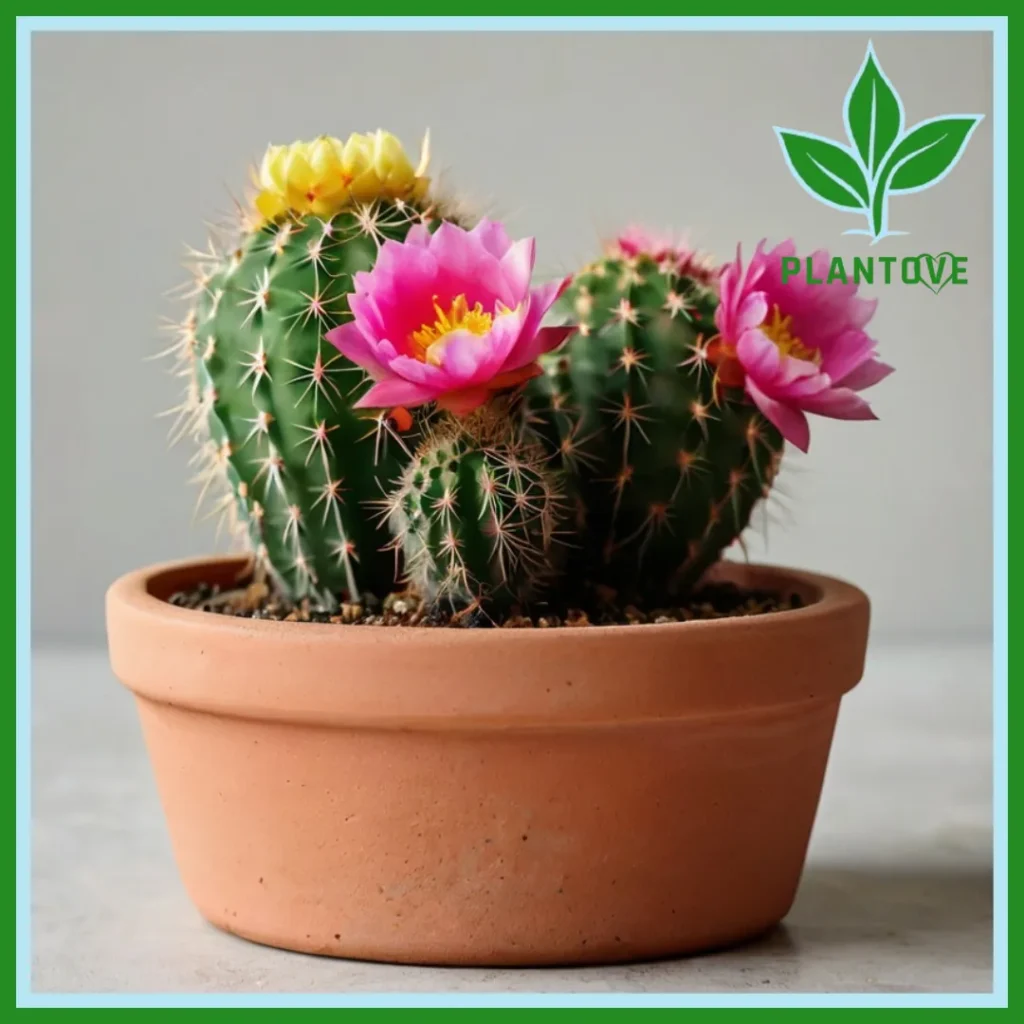
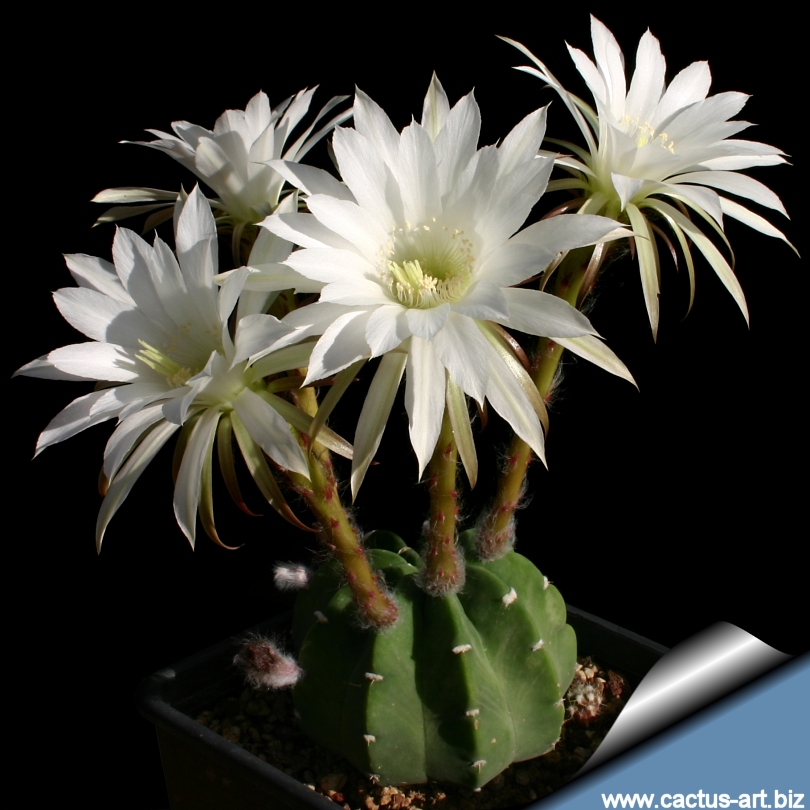
Have you ever wondered why some Stenocactus specimens burst into dazzling blooms while others remain stubbornly flowerless? This playful puzzle can have many hidden twists, turning your quest for the perfect flowering cactus into an intriguing botanical adventure. Achieving the best blooms from your Stenocactus isn’t merely a stroke of luck; it requires a nuanced understanding of its unique growing demands and an attentive hand. Dive into this vibrant journey to unlock the secrets behind coaxing those radiant flowers from your resilient desert jewel.
Understanding the Stenocactus: A Botanical Gem
Stenocactus, often admired for its intricate ribbed form and sculptural beauty, is more than an ornamental oddity. Its genus, hailing from arid regions, exhibits remarkable adaptations that challenge gardeners to synchronize cultural care with natural inclinations. Unlike more common flowering cacti, the timing and exuberance of Stenocactus blooms depend heavily on mimicking its native environment. At every stage, from seedling to mature plant, appreciating its lifecycle nuances sets a foundation for rewarding floral displays.

Seasonal Rhythms: When Does Stenocactus Flower?
Do you know that Stenocactus has an internal clock synced intricately with seasonal cues? Their stunning blossoms generally appear in late spring to early summer, contingent on the plant having experienced a period of cooler temperatures and limited watering during winter dormancy. This latent rest phase is crucial—without it, the cactus may remain hermetically sealed in vegetative mode. It’s almost as if the plant needs to ‘rest and recharge,’ like a desert dweller preparing for a blooming festival. Timing your care to honor these rhythms elevates your chances of witnessing a dramatic floral crescendo.
Light: The Illuminating Elixir for Vivid Blooms
Basking in the sun is not just about survival for your Stenocactus; it is the clarion call that ignites flowering. These cacti thrive under bright, direct sunlight, simulating the searing desert rays they evolved beneath. Position them near south or west-facing windows where they can soak up as many hours of light as possible. Filtered light is tolerable, but the intensity and duration of exposure directly correlate with bloom frequency and vibrancy. An underlit Stenocactus is akin to a shy performer hiding backstage—its full potential obscured.

Watering Wisdom: Walking the Fine Line
Could overwatering be the clandestine saboteur of your cactus blooms? Stenocactus thrives on a delicate balance of moisture—too much, and the roots rot; too little, and growth stagnates. During active growth months (spring through summer), water sparingly but consistently, allowing the soil to almost dry out between sessions. Come autumn and winter, drastically reduce irrigation to simulate natural drought conditions. This cyclical hydration not only conserves plant health but also acts as a key trigger for flower initiation. Patience and precision in watering cultivate an environment where buds can prosper.
Substrate Secrets: Crafting the Perfect Growing Medium
One must not underestimate the role of soil in coaxing blossoms from Stenocactus. The substrate must be expertly designed to replicate the gritty, fast-draining desert terrain. Incorporate components like pumice, perlite, coarse sand, and decomposed granite to ensure excellent aeration and drainage. Rich organic matter may seem beneficial but can trap moisture, inviting root diseases that preclude flowering. The right substrate not only nurtures robust root systems but also fosters the subtle stress conditions that encourage blooming—a paradox where a little hardship yields magnificent beauty.
Temperature Dance: Finding the Blooming Sweet Spot
Temperature regimes sway wildly in desert origins, and Stenocactus uses these fluctuations as floral signposts. During winter, exposure to cooler temperatures—ideally between 45°F and 55°F—is essential to induce dormancy. In contrast, warmer days in the growing season stimulate metabolic activity and flower development. Maintaining this thermal choreography indoors can pose a challenge but rewarding one. Avoid sudden temperature shocks and drafts, as they stress the plant unnecessarily. Mastering this dance ensures your cactus performs its floral symphony at the perfect crescendo.
Fertilization: Nourishing Without Overindulgence
While Stenocactus isn’t a glutton for fertilizer, strategic feeding can amplify its flowering potential. Opt for a low-nitrogen, high-phosphorus formulation, favoring bloom stimulation over lush foliage. Feed sparingly during the active growing season—once every 4 to 6 weeks is ample. Avoid fertilizing during dormancy to prevent promoting unwarranted growth that hinders flowering readiness. Like a gourmand savoring just the right amount, the cactus responds best when offered subtle, thoughtful nourishment.
Pest Vigilance and Careful Monitoring
Scouting for pests such as aphids, mealybugs, and spider mites is essential, as infestations can dampen the plant’s vitality and deter bloom production. Early detection and natural interventions—like neem oil or insecticidal soaps—preserve the cactus’ health without overwhelming it with chemicals. Moreover, closely observing your Stenocactus empowers you to adjust care protocols in response to subtle signs of stress, ensuring it remains in prime condition to flaunt its floral treasures.
Propagation and Patience: Cultivating the Next Generation of Bloomers
Starting Stenocactus from seed or offsets is a long-term commitment but an unparalleled way to indulge in the full lifecycle of bloom development. Young plants take several years before flower maturity, making patience a gardener’s best virtue. During this time, maintaining the ideal environment and care regimen sets the stage for a spectacular floral debut. Witnessing the first bloom after years of meticulous cultivation brings a profound sense of accomplishment and deepens one’s appreciation for this enigmatic cactus.
Conclusion: Embracing the Journey Toward Stenocactus Blooming Excellence
In pursuit of the Stenocactus’ elusive blooms, every step—illumination, watering, soil, temperature, and care—interlocks like a delicate mosaic. The challenge lies not only in meeting the plant’s specific needs but reveling in the nuances of its responses. Each flower that unfurls is a triumphant reward for the keen observer and dedicated cultivator alike. With patience, insight, and a sprinkle of botanical finesse, you can transform your Stenocactus into a radiant beacon of desert flowering elegance.
FAQ
How much sunlight does Stenocactus need?
Stenocactus thrives under bright, direct sunlight for optimal growth and flowering.
What is the ideal temperature range for Stenocactus?
The ideal temperature range is between 45°F and 55°F during winter dormancy and warmer during the growing season.
Leave a Reply