
Short Answer
There’s something utterly captivating about plants that defy expectations through their diminutive size yet boast a grandeur of character. Turbinicarpus, a genus of tiny, rare cacti, invites plant enthusiasts and collectors alike to embark on a journey into the world of miniature botanical marvels. These cacti are not merely small—they encapsulate a universe of complex forms, textures, and resilience wrapped into petite botanical sculptures. Caring for Turbinicarpus transcends conventional cultivation; it is an intimate dance with nature’s intricacies, demanding attention, patience, and reverence. Join this exploration and allow your perspective to shift—from viewing cacti as mere desert dwellers to appreciating them as exquisite masterpieces of evolutionary art.
Understanding Turbinicarpus: The Essence of Rarity
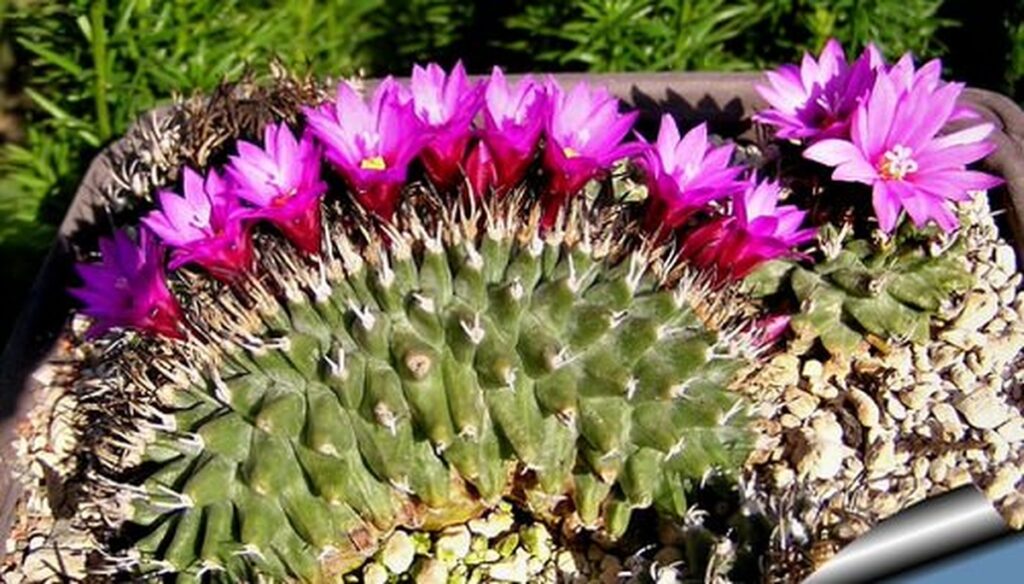
Before delving into the specifics of care, it’s essential to grasp what sets Turbinicarpus apart. These cacti are native primarily to arid regions in Mexico, thriving in microhabitats where survival is an intricate balance of moisture, sunlight, and soil composition. Unlike more ubiquitous cacti varieties, Turbinicarpus species exhibit an extraordinary variability in morphology: some appear as tiny globes cloaked with delicate spines, while others form intricate ribs or bizarrely patterned tubercles. This genus embodies rarity not just in its scarcity but in the sheer elegance and subtlety of its design.

This fascinating variety presents a challenge to even experienced growers, as it refuses to fit into broad-brush gardening advice. Recognizing its distinct origins and unique ecological niche kindles curiosity and primes you to embrace specialized care strategies.
Lighting: Channeling Natural Sunlight without Burns
One of the most critical aspects of cultivating Turbinicarpus is mastering its light requirements. Despite their desert heritage, these delicate entities are not sun-worshippers in the simplistic sense. They crave abundant light but with a gentleness that mimics the dappled illumination filtering through rocky crevices in their native habitat. Direct midday sun can scorch their tender epidermis, causing irreversible damage. Morning or late afternoon light is ideal—imbuing the plant with energy but sparing it from harsh ultraviolet intensity.
A practical technique is to situate your Turbinicarpus near east-facing windows or under the shade of a sheer curtain that diffuses sunlight. This subtle modulation not only safeguards their vibrant coloration but also stimulates natural growth rhythms. Remember: less is often more when it comes to harsh light with these miniature beauties.
Soil Mix: Crafting the Perfect Substrate Equation
The soil medium is more than just a mechanical foundation; it’s the life-giving matrix that determines water retention, aeration, and root health. Turbinicarpus thrive in an ultrawell-draining substrate meticulously crafted to replicate their native lithophytic environment. A blend consisting predominantly of gritty materials—such as pumice, perlite, or crushed granite—complements a modest share of organic matter to provide subtle nutrients without suffocating the roots.
The goal is explicit: prevent water accumulation that could lead to root rot, while affording your Turbinicarpus just enough moisture to sustain metabolic processes. The result is an elegant equilibrium where the soil breathes, and roots explore with confidence.
Within this granular labyrinth, roots anchor—and the plant rewards your diligence with slow but steady flourishing.
Watering Protocols: The Art of Subtle Hydration
To those accustomed to generous watering regimes, Turbinicarpus offers a humbling lesson in restraint. Overwatering is the nemesis of all cacti aficionados, but with Turbinicarpus, the margin for error narrows further. Water sparingly, allowing the soil to dry out completely between irrigations. The frequency fluctuates seasonally: in growing months (spring to early autumn), a measured soak every two to three weeks is often sufficient. During dormancy (winter), water is best withheld or delivered in minuscule amounts if the plant’s epidermis begins to wrinkle.
Using rainwater or distilled water, which is free from mineral build-up, further promotes longevity and vibrant health. Each watering event should be deliberate; slow, allowing moisture to penetrate the substrate fully without lingering puddles. This method respects the plant’s natural rhythms, encouraging robust root systems and minimizing fungal threats.
Temperature and Humidity: Recreating an Alpine Desert Microclimate
The subtle interplay of heat and humidity governs the well-being of Turbinicarpus. These cacti hail from regions of extreme fluctuation—scorching days cooled by brisk desert nights, and generally low atmospheric humidity. Emulating these conditions indoors necessitates vigilant monitoring. Ideally, maintain daytime temperatures between 70°F and 85°F (21°C to 29°C), allowing nighttime drops to the mid-50s°F (around 13°C) to replicate natural thermal variation.
Humidity should remain low; excess moisture in the air invites mold and pests to take hold. Utilize ventilation and avoid misting the plant’s surface. Instead, focus on the substrate’s dryness and temperature control to achieve a harmonized ecosystem. It is within these specific climatic confines that Turbinicarpus reveals its full aesthetic and physiological potential.
Fertilization: Minimalist Nourishment for Maximum Impact
In nature, Turbinicarpus survives on sparse nutrients. Replicating this scarcity indoors is vital for preventing overstimulation, which can distort growth patterns or exhaust the plant. Employ a diluted, specialized cactus fertilizer once or twice during the growing season. Opt for formulations low in nitrogen but rich in phosphorous and potassium to encourage root development and flower production.
Avoid fertilizing during dormancy; this pause respects the plant’s annual growth cycle and prevents unnecessary metabolic strain. A minimalist approach not only respects the species’ inherent adaptation but also results in healthier, more resilient specimens.
Propagation Techniques: Multiplying the Marvels
For those seeking to expand their collection or share these botanical rarities, propagation offers both a challenge and reward. Turbinicarpus propagate primarily through seeds, which demand patience and precision. Seeds require sterilized soil, warm temperatures around 70°F to 76°F (21°C to 24°C), and consistent humidity without waterlogging.
Sowing seeds is a slow voyage; germination may take several weeks to months, and seedlings demand protection from direct sunlight initially. While offsets are rare in some species, others, like the twin-headed Turbinicarpus, may naturally produce pups that can be carefully separated and rooted.

Successful propagation introduces new opportunities for study and admiration, enabling these miniature wonders to flourish beyond their natural range.
Pest and Disease Management: Vigilance in the Miniature Realm
Even the tiniest succulents are not immune to aggressors. Mealybugs, spider mites, and fungal infections constitute common adversaries in Turbinicarpus cultivation. Early detection is crucial—inspect plants regularly for subtle discoloration, webbing, or sticky residues. Quarantine new specimens to preempt infestations.
Natural remedies, such as neem oil or insecticidal soaps, applied with meticulous care minimize chemical exposure and support long-term plant health. Maintaining optimal environmental conditions also mitigates pest colonization; stressed plants are more vulnerable, underscoring the interconnectedness of care aspects.
The Aesthetic and Emotional Reward of Growing Turbinicarpus
Growing Turbinicarpus is an exercise in patience, precision, and deep appreciation for subtle beauty. As these tiny cacti unfurl their spines and occasionally gift you with delicate flowers, they transform a simple space into a microcosm of resilience and artistry. Their rarity imbues a sense of guardianship, and their enigmatic presence shifts the gardener’s role from mere caretaker to collaborator.
Each specimen, in its minute form, whispers stories of geological epochs and climatic extremes, inviting an intimate connection that broadens appreciation for the quieter wonders of the plant kingdom. Whether nestled on a sunlit windowsill or arranged amongst other succulents, Turbinicarpus demands a closer look—and rewards that attention with enduring fascination.
FAQ
What are Turbinicarpus cacti?
Turbinicarpus are a genus of tiny, rare cacti known for their intricate forms and unique care requirements, primarily found in arid regions of Mexico.
How often should I water Turbinicarpus?
Water sparingly, allowing the soil to dry out completely between irrigations, typically every two to three weeks during the growing season.
What type of soil is best for Turbinicarpus?
An ultrawell-draining soil mix, predominantly made of gritty materials like pumice and perlite, is ideal for Turbinicarpus.

Leave a Reply