
Short Answer
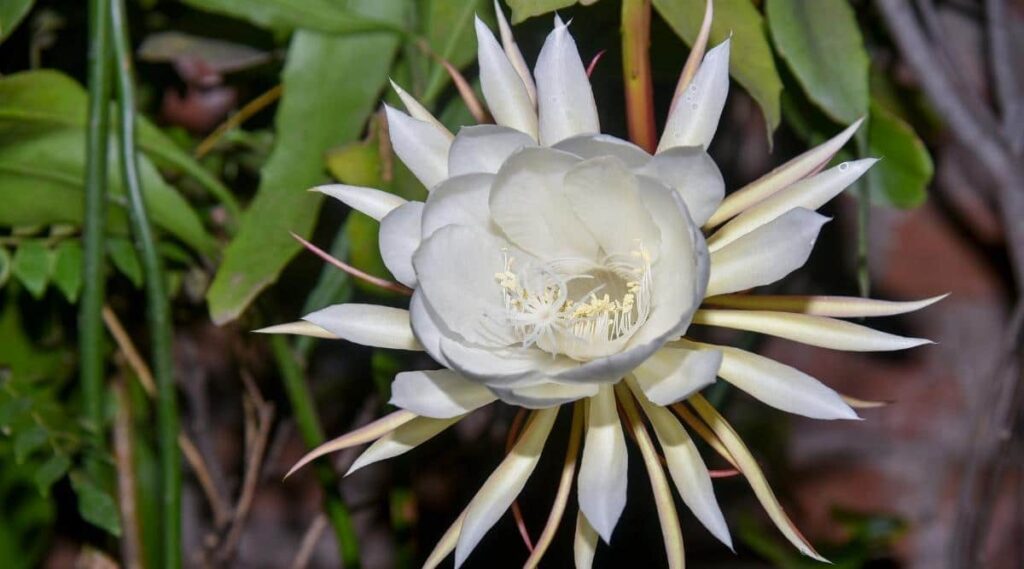
In the vast symphony of the natural world, few spectacles are as enchanting and ephemeral as the elusive blooming of the Night-Blooming Cereus. Often called the “Queen of the Night,” this mysterious cactus unleashes its regal white blossoms under the cloak of darkness, captivating those patient enough to witness its fleeting grandeur. Like a whispered secret revealing itself only to the moon and stars, the Night-Blooming Cereus dances briefly between shadows and light, offering an otherworldly spectacle imbued with quiet magic and whispering tales of nocturnal beauty. To behold these ghostly flowers in their full glory is to experience a moment suspended between dream and reality, a rare communion with nature’s most delicate marvel.
The Enigmatic Night-Blooming Cereus: A Botanical Marvel
The Night-Blooming Cereus is not merely a flower; it is a nocturnal revelation wrapped in stems of succulent green and adorned with ephemeral white petals. Originating from desert regions and tropical zones, it belongs to a group of cacti that defy common desert stereotypes. While most cacti shout their survival through spines and austere forms, this species whispers through its delicate blossoms that bloom only once a year—and only at night. It is as if the plant conserves its energy through months of dormancy, only to burst forth with radiant beauty under the moon’s watchful eye.
This ethereal cactus thrives in conditions that mimic its native arid and semi-arid habitats, displaying a rugged resilience cloaked in fragile grandeur. Each flower’s bloom is a poetic event: petals unfold like pure white flames, exuding a floral perfume that is both intoxicating and surreal. This is not a flower that demands attention; instead, it rewards quiet observance with its breathtaking spectacle. The ephemeral nature of its bloom evokes the feeling of chasing stardust or catching a lightning bug–an experience both rare and unforgettable.

Understanding the Blooming Cycle: Timing is Everything
The Night-Blooming Cereus’ bloom is a crown jewel of botanical timing, orchestrated with the precision of a celestial clock. The flowers typically open after sunset, thriving in the cool embrace of the night air, and wither away before dawn breaks. For this brief nocturnal window—sometimes just a few hours—the cactus transforms into a luminous apparition. The bloom’s brevity adds layers to its mystique; it compels enthusiasts and botanists alike to synchronize their lives with this natural phenomenon.
Blooming often occurs only once annually, typically during the warmer months ranging from late spring to early autumn, depending on climate and species variation. Many describe the anticipation leading up to the bloom as a blend of suspense and reverence. Plant owners vigilantly monitor their cereus cacti, knowing the moment when buds begin to swell signals an imminent bloom. This patient wait culminates in an almost theatrical unveiling, akin to watching a rare comet blaze across the night sky.
Creating the Perfect Environment: Cultivation and Care
Recreating the Night-Blooming Cereus’ natural environment is both an art and a science. Xerophytic at heart, these plants thrive when given a balance between arid conditions and occasional moisture. Whether grown indoors or outdoors, they require well-draining soil rich in organic matter but not heavy in moisture. Overwatering is the arch-nemesis of these nocturnal beauties, often leading to root rot—the silent killer of many a hopeful gardener’s collection.
Lighting plays a pivotal role as well. While the cactus enjoys bright indirect light during the day, exposure to direct sunlight should be carefully moderated to prevent scorching. In winter months or cooler climates, bringing the cactus indoors or into a greenhouse can extend its vitality and encourage blooming. Patience is paramount, as these plants can take several years to mature and produce their iconic flowers.
Fertilization with a balanced, diluted cactus fertilizer during the growth season encourages robust stems and eventual flower production. Pruning dead or damaged stems helps maintain plant health and aesthetics. Cultivating a Night-Blooming Cereus is a journey—one that rewards persistence with moments of dazzling twilight glory.
Witnessing the Bloom: Tips for the Ultimate Experience
Observing the bloom is an exercise in mindfulness and reverence. Because the flowers open after dusk, the ideal viewing requires dedication and preparation. Begin by positioning your plant in an accessible and quiet location where you can luxuriate in its transformation without distraction.
Night-blooming flowers often emit a heady, sweet fragrance that permeates the air, inviting night pollinators such as moths and bats. This scent, subtle yet potent, adds to the sensory experience and serves as an olfactory beacon to the natural world. For those fortunate enough to witness the bloom, it evolves from a mere display to a multi-sensory encounter that tantalizes sight, scent, and even a sense of stillness.
For photographers and nature lovers, capturing this bloom requires skill and patience. Low light conditions and the flower’s delicate nature demand careful use of flash or ambient light sources to preserve the natural ambiance. Watching the petals unfurl is akin to unfolding a silk tapestry; every minute detail tells a story of nature’s ephemeral artistry.

The Symbolism and Cultural Resonance of Night-Blooming Cereus
Beyond its botanical allure, the Night-Blooming Cereus harbors deep symbolic significance across cultures. Often associated with mystery, purity, and fleeting beauty, it embodies the paradox of life’s transient moments that scintillate with profound meaning. In some traditions, the bloom is considered an omen of good fortune or spiritual awakening—its brief illumination reflecting life’s rare and precious opportunities.
Artists and poets have long drawn inspiration from this nocturnal blossom, using it as a metaphor for hidden potential, secret desires, and the transformative power of patience. Much like the flower itself, its symbolism unfolds beneath the cover of darkness, reminding us that sometimes the most extraordinary experiences lie just beyond the veil of daylight and the obvious.
Conclusion: Embracing the Night’s Floral Enigma
The Night-Blooming Cereus implores us to slow down, to tune in to rhythms beyond the ordinary, and to embrace the sublime beauty of fleeting moments. It reminds us that in the orchestra of nature, there are solos performed just for the attentive, sung quietly beneath the stars. To witness its bloom is to be touched by wonder—a rare communion with enchantment that lingers long after the petals fade.
This floral marvel transforms engage our senses and stir our souls, blending science and art into a single luminous event. Whether you are a seasoned gardener, a curious naturalist, or a seeker of the extraordinary, the Night-Blooming Cereus invites you into a world where night itself is a canvas, painted with petals of purest white.

FAQ
What is the Night-Blooming Cereus?
The Night-Blooming Cereus is a cactus species known for its stunning white flowers that bloom at night, creating a magical display.
When does the Night-Blooming Cereus bloom?
It typically blooms once a year during warmer months, with flowers opening after sunset and lasting only a few hours.
How should I care for a Night-Blooming Cereus?
Provide well-draining soil, bright indirect light, and avoid overwatering to ensure healthy growth.

Leave a Reply