
Short Answer
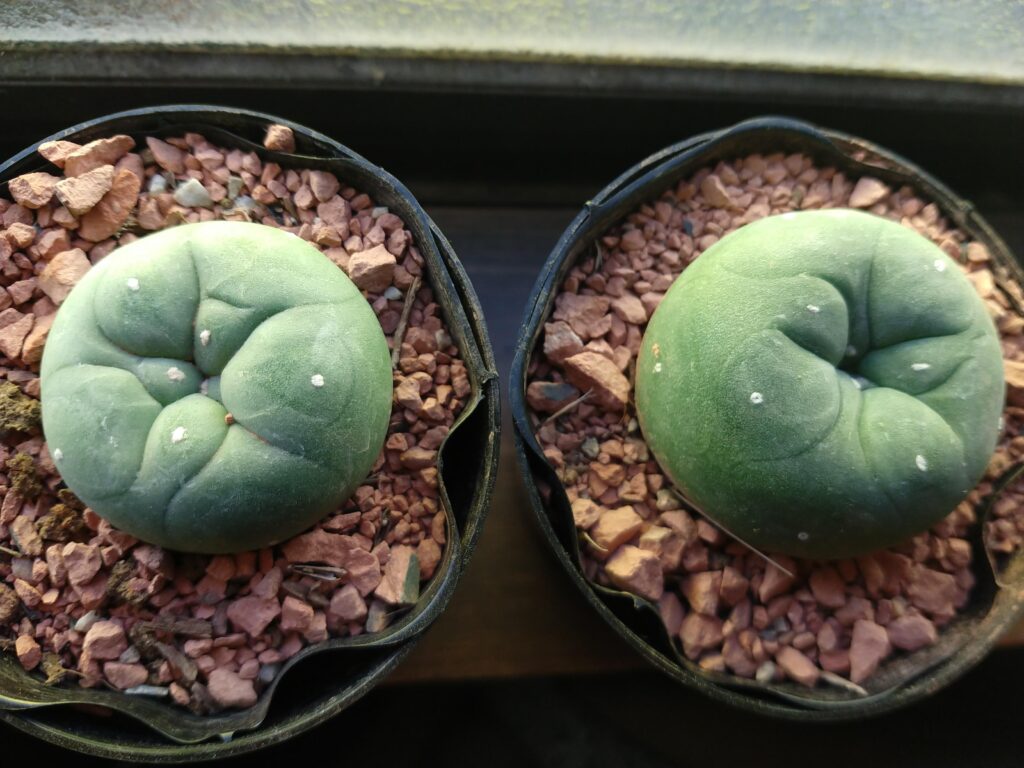
In the vast, sun-scorched landscapes of the Chihuahuan Desert, where the earth meets the sky in a dance of resilience, a small, spineless cactus thrives against all odds. Lophophora williamsii, more commonly known as peyote, is not just a plant—it is a living relic of ancient traditions, a botanical enigma, and a subject of fierce debate. Its legal status teeters on the edge of contradiction, caught between cultural reverence and regulatory scrutiny. Meanwhile, conservationists sound alarms as its natural habitats dwindle under the weight of human encroachment. To truly understand peyote is to peel back layers of history, law, and ecology—each revealing a story far more intricate than the last.
The Sacred Cactus: A Cultural and Spiritual Beacon
Peyote is far more than a plant; it is a sacred symbol woven into the fabric of indigenous cultures across the Americas. For centuries, the Huichol, Navajo, and other Native American tribes have revered Lophophora williamsii as a divine messenger, a conduit to the spirit world. Consumed in rituals, peyote’s mescaline-rich buttons induce visions that guide healers, warriors, and seekers alike. This cactus is not merely a tool—it is a teacher, a healer, and a bridge between the mundane and the mystical. Yet, as its fame spreads beyond tribal circles, the line between sacred use and recreational exploitation blurs, igniting a global conversation about ownership, tradition, and respect.
The peyote’s cultural significance is not confined to the past. Today, it remains a cornerstone of modern psychedelic exploration, drawing researchers, psychonauts, and wellness advocates into its orbit. Its alkaloids, particularly mescaline, have become subjects of scientific inquiry, promising breakthroughs in mental health treatment. But with this newfound attention comes a paradox: the more the world learns about peyote, the more it risks losing sight of its soul. How do we honor its sacred roots while navigating its modern-day allure?
Legal Labyrinth: The Patchwork of Peyote Regulations
The legal status of peyote is a patchwork quilt of contradictions, stitched together by centuries of cultural, political, and scientific evolution. In the United States, peyote is classified as a Schedule I controlled substance under the Controlled Substances Act—placing it alongside heroin and LSD. Yet, this blanket prohibition is riddled with exceptions. Native American tribes with federally recognized status are legally permitted to use peyote in religious ceremonies, thanks to the American Indian Religious Freedom Act and its amendments. This exemption underscores a glaring question: Why is a plant sacred to one group criminalized for others?
Beyond the U.S., the legal landscape shifts dramatically. In Mexico, peyote’s natural habitat, the cactus is protected under environmental laws, but its use in indigenous rituals is tolerated. Meanwhile, countries like Canada and the UK classify peyote as illegal, with no cultural exemptions. This disparity reveals a deeper tension: the clash between universal drug policies and the rights of indigenous peoples. As global psychedelic reform gains momentum, peyote stands at the crossroads—will it remain a forbidden fruit, or will its sacred status pave the way for a new era of understanding?
Conservation Crisis: The Vanishing Peyote
Beneath the legal debates and cultural reverence lies a harsh ecological reality: peyote’s survival is under siege. The Chihuahuan Desert, its sole natural home, is shrinking. Urban sprawl, agricultural expansion, and climate change erode its delicate habitat. Overharvesting, driven by both indigenous needs and black-market demand, further threatens its existence. Unlike many cacti, peyote grows excruciatingly slowly—taking up to 13 years to mature and reproduce. This makes every harvest a gamble against extinction.
Conservation efforts are underway, but they are fraught with challenges. Cultivation projects aim to reduce pressure on wild populations, yet the art of growing peyote is still in its infancy. Some conservationists advocate for controlled, sustainable harvesting, while others push for stricter protections. The dilemma is stark: how do we preserve a plant that is both a cultural lifeline and an ecological treasure? The answer may lie in collaboration—bridging indigenous knowledge with scientific innovation to ensure peyote’s legacy endures.
Ethical Harvesting: Balancing Need and Sustainability
The ethics of peyote harvesting are as complex as the cactus itself. For indigenous communities, peyote is not a commodity—it is a living relative, deserving of respect and reciprocity. Traditional harvesting methods, passed down through generations, emphasize sustainability: taking only what is needed, and giving thanks to the earth. Yet, as demand grows, these practices are increasingly strained. Black-market exploitation looms large, with poachers stripping deserts bare for profit, leaving behind barren landscapes.
Sustainable peyote farming offers a glimmer of hope. Controlled environments, such as greenhouses, can produce mescaline-rich buttons without depleting wild stocks. However, the challenge lies in scaling these efforts while maintaining the plant’s spiritual integrity. Can a cactus grown in a lab ever carry the same sacred weight as one plucked from the desert floor under a full moon? The answer may depend on how we redefine sustainability—not just for the plant, but for the cultures that revere it.
The Future of Peyote: A Call to Action
The story of Lophophora williamsii is far from over. It is a tale of resilience, adaptation, and the enduring power of nature. As we stand at the precipice of a psychedelic renaissance, peyote’s fate hangs in the balance. Will it be relegated to the shadows of prohibition, or will it emerge as a symbol of harmony between tradition and progress? The path forward demands more than legal reform or conservation strategies—it requires a fundamental shift in perspective.
We must ask ourselves: What do we owe to the plants that have shaped human consciousness for millennia? How do we honor the sacred while embracing the scientific? The answers lie not in rigid laws or exploitative practices, but in a collective commitment to respect, sustainability, and reverence. Peyote is not just a cactus. It is a teacher, a healer, and a reminder of our interconnectedness with the natural world. Its survival is not just an ecological imperative—it is a moral one.
As the sun sets over the Chihuahuan Desert, casting long shadows across the land, peyote continues to thrive—quietly, persistently, defiantly. Its story is ours to write. Will we listen?
FAQ
What is Lophophora williamsii?
Lophophora williamsii, commonly known as peyote, is a small spineless cactus revered in various indigenous cultures for its psychoactive properties and spiritual significance.
What is the legal status of peyote?
In the U.S., peyote is classified as a Schedule I controlled substance, but exceptions exist for federally recognized Native American tribes using it in religious ceremonies.
What are the conservation concerns for peyote?
Peyote faces threats from habitat loss, overharvesting, and climate change, making its conservation critical for both ecological and cultural reasons.



Leave a Reply