
Short Answer
As the sun climbs higher and the mercury soars, your cacti—those stoic sentinels of the desert—face a silent but formidable foe: heat stress. While these resilient plants thrive in arid climates, prolonged exposure to scorching temperatures can push them to their limits, causing dehydration, sunburn, and even irreversible damage. But fear not, intrepid plant parent! With the right knowledge and a dash of desert wisdom, you can shield your spiky companions from the worst of summer’s wrath. Whether you’re a seasoned succulent whisperer or a fledgling cactus enthusiast, this guide will arm you with the tools to keep your plants cool, hydrated, and thriving through the hottest months.
The Perils of Heat Stress: What Happens When Cacti Overheat?
Cacti are masters of adaptation, but even they have their breaking points. When temperatures soar above 90°F (32°C), these desert dwellers begin to protest. The first sign? A subtle shift in color—once vibrant greens may fade to a duller hue, a desperate attempt to reflect excess light. Next comes the wilting, a slow sagging of stems that belies their usual rigidity. In severe cases, the outer tissue may blister or turn white, a telltale sign of sunburn. But the most insidious threat is dehydration. Despite their water-storing prowess, cacti can still lose moisture faster than they can replenish it, leading to a shriveled, deflated appearance. Understanding these symptoms is the first step in becoming a vigilant guardian of your prickly charges.
Shade: The Unsung Hero of Summer Cactus Care
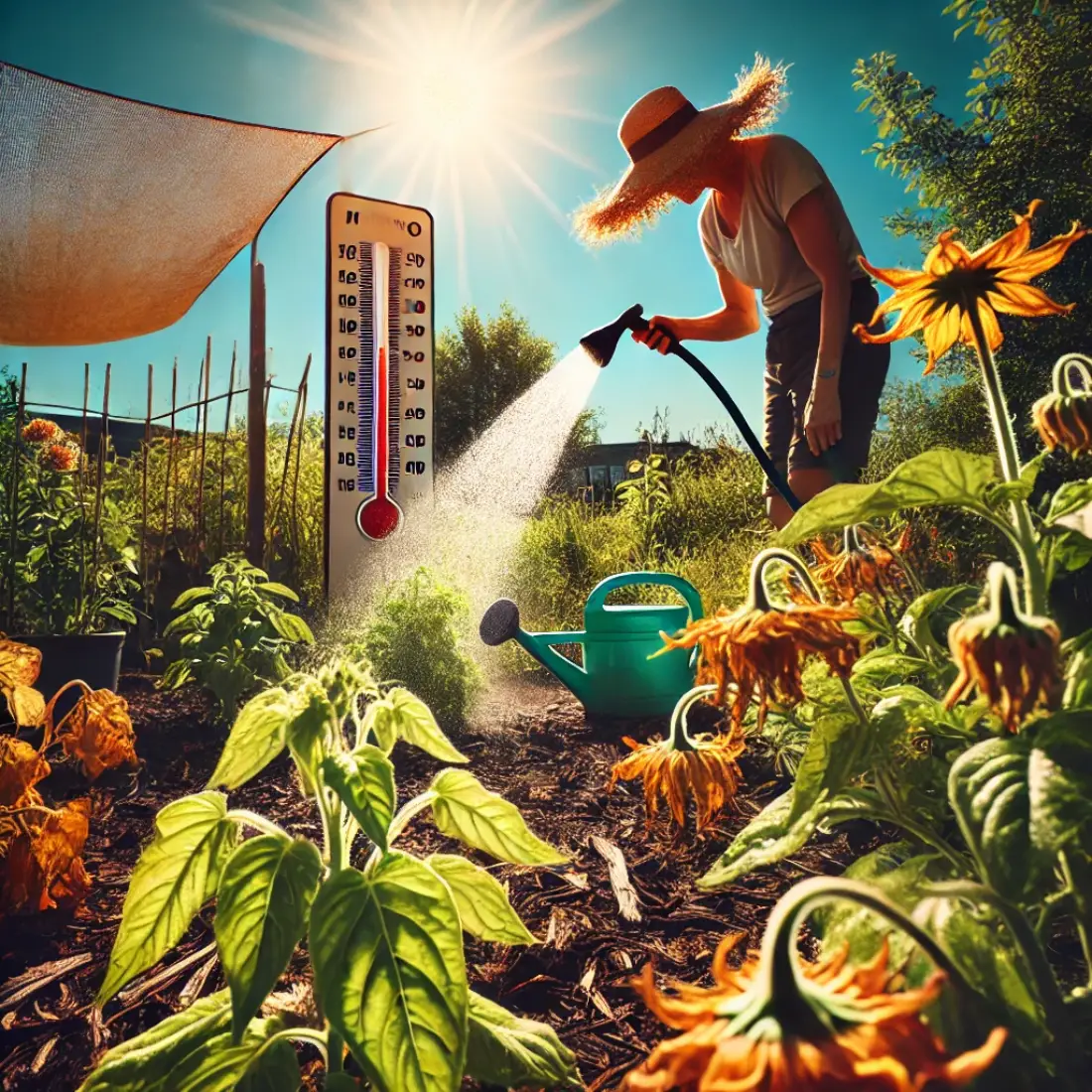
If you’ve ever watched a cactus bake in the midday sun, you know it’s a recipe for disaster. The solution? Strategic shading. While many cacti adore full sun, they need respite during peak heat. A sheer curtain, a shade cloth, or even the dappled shade of a tree can work wonders. For outdoor specimens, consider a movable shade structure that can be adjusted as the sun’s angle shifts. Indoors, a sheer curtain or a sheer blind can filter harsh rays without plunging your plants into darkness. Remember, the goal isn’t to deprive them of light but to mimic the dappled shade of their natural habitats. Think of it as giving your cactus a cozy siesta spot rather than a forced hibernation.
Watering Wisdom: Quenching Thirst Without Drowning
Watering a cactus in summer is a delicate dance. Too little, and they’ll wither; too much, and they’ll rot. The key? Timing and technique. Water deeply but infrequently—aim for early morning or late evening when evaporation is minimal. A good rule of thumb is to let the soil dry out completely between waterings. Stick your finger an inch into the soil; if it’s bone-dry, it’s time to hydrate. For potted cacti, ensure your containers have drainage holes to prevent waterlogging. And here’s a pro tip: misting is a no-go. Cacti despise humidity, and damp foliage can invite fungal invaders. Instead, focus on the roots—the true lifeline of your plant.
Soil Secrets: The Foundation of Heat Resilience
A cactus’s survival hinges on its soil. Standard potting mix won’t cut it—you need a gritty, well-draining blend that mimics the rocky, sandy soils of their native habitats. Look for a mix labeled for cacti and succulents, or create your own by combining potting soil with perlite, coarse sand, and a handful of pumice. This concoction ensures water drains swiftly, preventing the dreaded root rot. For outdoor beds, amend the soil with gravel or crushed granite to improve aeration. And don’t forget the power of mulch—though not the organic kind. A layer of pebbles or gravel reflects heat and keeps the soil temperature stable, a trick borrowed from the desert itself.
Pots and Placement: Choosing the Right Home for Your Cactus
Not all pots are created equal, especially when summer’s heat is on the rise. Terracotta pots are a cactus’s best friend—they’re porous, allowing excess moisture to evaporate and keeping roots cool. Plastic pots, while lightweight, can trap heat, so opt for lighter colors to reflect sunlight. Size matters too. A pot that’s too large holds excess moisture, while one that’s too small stifles root growth. Aim for a snug fit, with just an inch or two of space between the plant and the pot’s edge. And placement? Avoid hot surfaces like concrete patios or metal railings, which can turn into heat traps. Instead, elevate your cacti on a shelf or a stand to encourage airflow.
Humidity Hacks: Keeping the Air Dry and the Plants Happy
Cacti are desert purists—they thrive in dry air and wilt in humidity. If your summer days are sticky, your cactus may protest with mushy stems or black spots. Combat this by increasing airflow with a gentle fan or by spacing plants apart to prevent a stuffy microclimate. Dehumidifiers can help in extreme cases, but a simple open window or a cross-breeze often suffices. And here’s a quirky trick: place a tray of pebbles filled with water near your cacti. As the water evaporates, it cools the air slightly without raising humidity—a clever workaround for those sweltering afternoons.
Feeding Finesse: Nutrients to Fortify Against Heat
While cacti are low-maintenance, they still need a nutritional boost to withstand stress. A balanced, diluted fertilizer (think half-strength) applied in early summer can bolster their defenses. Avoid high-nitrogen feeds, which promote lush growth that’s vulnerable to sunburn. Instead, opt for a formula rich in phosphorus and potassium, which strengthen cell walls and improve drought tolerance. And timing is everything—never fertilize a stressed plant. Wait until it’s perked up and showing signs of new growth before introducing nutrients. Think of it as a preemptive strike against heat fatigue.
Emergency Protocols: Reviving a Heat-Stressed Cactus
Even the best-laid plans can go awry. If your cactus shows signs of heat stress, act fast. Move it to a shadier spot immediately and withhold water for a week to let it recover. Prune away any severely damaged tissue with a sterilized knife, and avoid repotting until the plant is stable. For sunburned patches, a light dusting of sulfur can prevent infection. And if the worst happens—your cactus collapses into a sad, shriveled heap—don’t despair. Some species can bounce back with proper care. Trim away the dead tissue, repot in fresh soil, and wait. Patience is the cactus keeper’s greatest virtue.
Long-Term Strategies: Building a Heat-Resilient Cactus Collection
Prevention is the ultimate power move. Start by selecting heat-tolerant species like the Echinocactus grusonii (Golden Barrel) or Ferocactus varieties, which are built to endure scorching temperatures. Group your cacti together to create a microclimate of shared shade and humidity. And don’t forget to rotate pots regularly to ensure even light exposure—stagnation leads to lopsided growth. Over time, you’ll develop an intuitive sense for your plants’ needs, turning summer care from a chore into a rewarding ritual. After all, a thriving cactus collection is a testament to your dedication and a little desert magic.
FAQ
What are the signs of heat stress in cacti?
Signs include color fading, wilting, blistering, and dehydration.
How often should I water my cactus in summer?
Water deeply but infrequently, allowing the soil to dry out completely between waterings.



Leave a Reply