
Short Answer
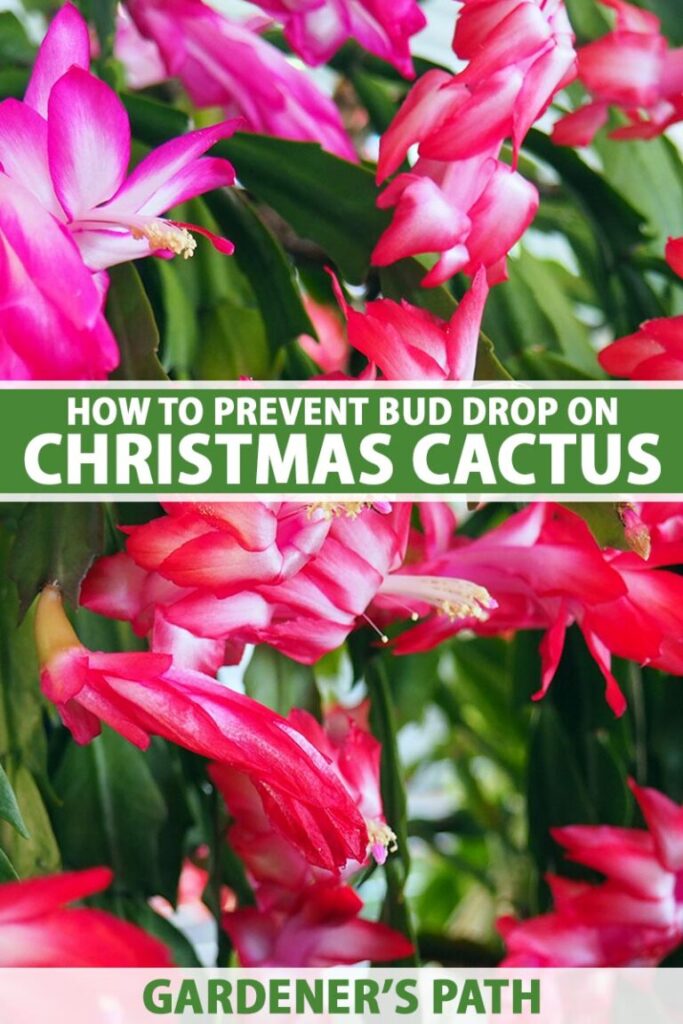
There’s something almost magical about watching a Christmas cactus burst into vibrant blooms just as the holiday season arrives. Those cascading pink, red, or white flowers seem to defy the chill in the air, offering a burst of life when most plants retreat into dormancy. Yet, for all their resilience, these holiday cacti can be surprisingly finicky. One moment, your plant is brimming with plump, promising buds—only to witness them wither and drop before ever unfurling. This phenomenon, known as bud drop, is a source of frustration for many gardeners, but it’s also a fascinating glimpse into the intricate dance between plant biology and environmental cues.
The Enigma of Bud Drop: When Holiday Cheer Fades Prematurely
Bud drop isn’t just a minor inconvenience; it’s a silent protest from your cactus, a sign that something in its environment—or care routine—has gone awry. At its core, bud drop occurs when the plant aborts its flowers before they can fully develop, often triggered by abrupt changes in temperature, light, or water. But why does this happen? The answer lies in the cactus’s evolutionary adaptations. Unlike desert-dwelling succulents, holiday cacti (Schlumbergera spp.) hail from the misty, epiphytic forests of Brazil, where they cling to trees in humid, shaded conditions. Their buds are finely tuned to specific cues—consistent cool nights, stable light cycles, and a delicate balance of moisture. When these cues are disrupted, the plant may perceive the environment as inhospitable, prompting it to shed its buds as a survival mechanism.
Consider the delicate timing of bud formation. These cacti typically begin setting buds in early fall, requiring a period of shorter daylight hours and cooler temperatures (around 50–60°F at night) to trigger blooming. If your thermostat is set too high, or if you’ve recently moved the plant to a sunnier spot, the cactus may interpret these changes as a signal to abort its reproductive efforts. It’s as if the plant is saying, “This isn’t the right time,” and retreating to conserve energy. The mystery deepens when you realize that even the slightest draft—a gust from an open window or a blast of air conditioning—can send the cactus into a state of stress, causing buds to plummet like autumn leaves.
Light: The Invisible Puppeteer of Bud Development
Light is the unseen conductor of your cactus’s blooming symphony, and its role in bud drop cannot be overstated. Holiday cacti are short-day plants, meaning they require a specific photoperiod to initiate flowering. In their native habitat, they experience longer nights as autumn approaches, which signals the plant to start forming buds. Indoors, however, artificial lighting can easily disrupt this process. Even a few hours of extra light in the evening—from a lamp, streetlight, or even the glow of a digital clock—can trick the cactus into delaying or aborting bud formation.
But it’s not just the duration of light that matters; its quality plays a role too. Fluorescent bulbs, for instance, emit a spectrum that can mimic daylight, potentially confusing the plant’s internal clock. If you’re growing your cactus near a window, be mindful of how sunlight shifts throughout the day. A south-facing window might provide too much direct light in the afternoon, while a north-facing one could leave the plant in perpetual shade. The solution? Mimic the natural light cycle by ensuring your cactus receives 12–14 hours of darkness each night during the bud-setting phase (typically late summer to early fall). Blackout curtains or a simple cardboard box can create the perfect dark sanctuary for your plant to work its floral magic undisturbed.
Temperature: The Delicate Thermostat of Bloom Time
Temperature is another silent saboteur of holiday cactus blooms. These plants thrive in a narrow thermal range, where nighttime temperatures dip to a crisp 50–60°F while daytime highs hover around 70°F. Any deviation—whether a sudden heatwave or a chilly draft—can send the cactus into a state of shock, causing buds to wither before they’ve had a chance to shine. The key word here is consistency. A cactus that’s used to stable conditions will happily set buds, but one exposed to fluctuating temperatures may panic and drop them instead.
Think of your cactus as a finicky guest at a dinner party. It expects the room to be at a comfortable temperature, not too hot or too cold, and it won’t tolerate sudden changes. For instance, placing your cactus near a heating vent or a drafty window can create microclimates that stress the plant. Similarly, moving it from a cool porch to a warm living room without acclimating it first can trigger bud drop. The solution? Treat your cactus to a cozy, stable environment. If you’re overwintering it outdoors, bring it inside before the first frost and place it in a spot where temperatures remain steady. A basement with a south-facing window or a cool spare room can work wonders. And if you’re growing it indoors year-round, avoid placing it near appliances that emit heat, like televisions or computers.
Water: The Goldilocks Principle of Hydration
Watering a Christmas cactus is less about quantity and more about timing. These plants despise soggy roots but also abhor drought. The trick is to strike a balance—keeping the soil evenly moist during the growing season (spring and summer) and reducing water slightly as fall approaches to encourage bud formation. Overwatering, especially in the weeks leading up to blooming, can cause buds to abort as the plant redirects its energy to survival rather than reproduction. Conversely, underwatering can leave the cactus too stressed to set buds at all.
But here’s the twist: even the method of watering matters. Holiday cacti prefer to be watered from below, allowing the roots to absorb moisture as needed without wetting the foliage. Pouring water directly onto the soil surface can lead to uneven hydration, where some roots get too much water while others remain parched. This imbalance can trigger a stress response, causing buds to drop. To avoid this, place your cactus in a saucer filled with water for 10–15 minutes, then remove it to drain. This technique ensures the roots get a thorough drink without the risk of waterlogging.

Nutrition: The Unsung Hero of Floral Abundance
Fertilizer might not be the first thing that comes to mind when troubleshooting bud drop, but it plays a crucial role in the cactus’s ability to produce and sustain blooms. Holiday cacti are light feeders, meaning they don’t require heavy doses of nutrients. In fact, over-fertilizing—especially with high-nitrogen formulas—can lead to lush foliage at the expense of flowers. The plant may channel its energy into growth rather than bud formation, resulting in a green but budless cactus.
The ideal fertilizer for a Christmas cactus is one that’s balanced (e.g., 10-10-10) but diluted to half strength. Apply it every 4–6 weeks during the growing season (spring and summer), then taper off in early fall as the plant prepares to bloom. A lack of phosphorus, in particular, can stunt bud development, so opt for a fertilizer that’s slightly higher in phosphorus (e.g., 5-10-5) during the bud-setting phase. And remember: always water your cactus before fertilizing to prevent root burn. A well-fed cactus is a resilient one, far less likely to drop its buds at the slightest provocation.
Stress: The Invisible Culprit Behind Bud Abortion
Beyond the tangible factors of light, temperature, water, and nutrients, holiday cacti are also highly sensitive to psychological stress. Yes, plants can experience stress—and for a Christmas cactus, even minor disruptions can trigger a cascade of reactions leading to bud drop. Repotting, for instance, is a significant event in a cactus’s life. While it may seem like a routine task, the process of disturbing the roots can send the plant into a state of shock, causing it to shed its buds as it focuses on recovery. Similarly, moving the cactus to a new location—even within the same room—can disrupt its sense of equilibrium.
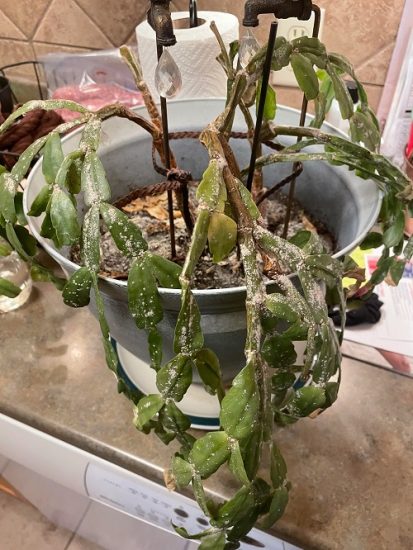
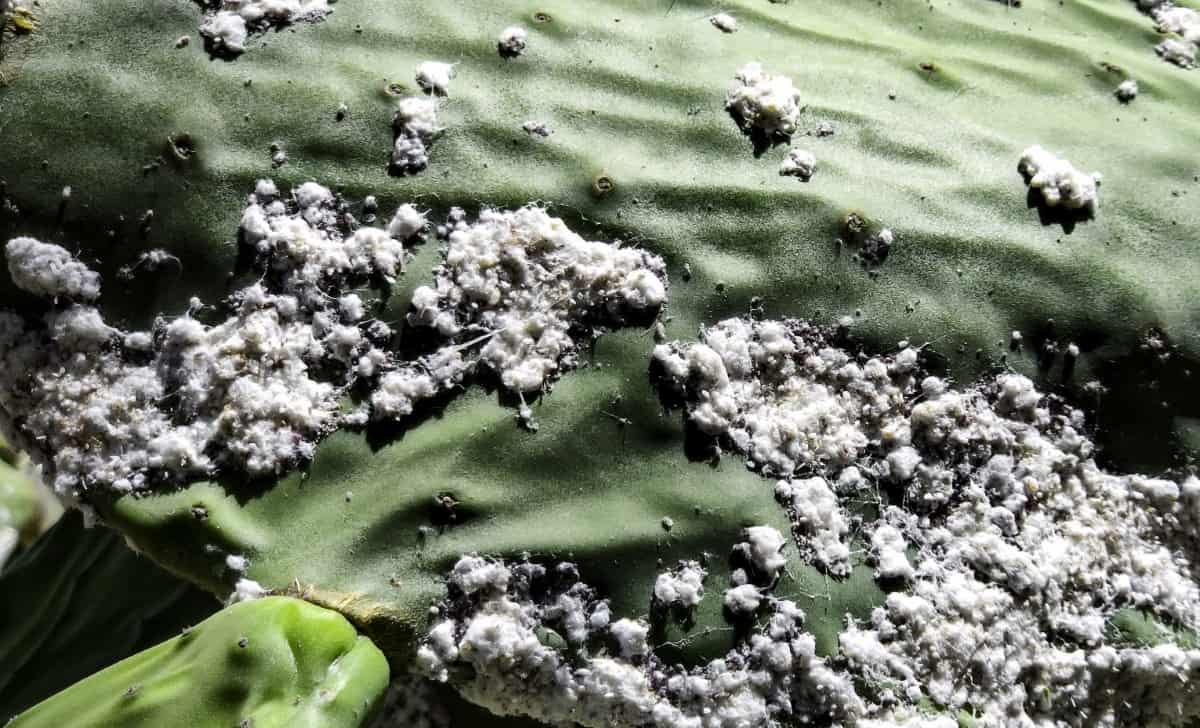
Pests and diseases are another source of stress. Mealybugs, spider mites, and fungal infections can weaken the plant, making it more susceptible to bud drop. Inspect your cactus regularly for signs of infestation, such as white cottony masses or tiny webs, and treat promptly with neem oil or insecticidal soap. Even physical damage, like bruised stems or broken leaves, can trigger a stress response. Handle your cactus with care, and avoid placing it in high-traffic areas where it might get jostled.
Prevention: Crafting the Perfect Bloom Sanctuary
Preventing bud drop isn’t about following a rigid set of rules; it’s about creating a harmonious environment where your Christmas cactus feels safe, stable, and nurtured. Start by observing your plant’s natural rhythms. Does it prefer bright, indirect light or a bit of shade? Does it thrive in cooler temperatures or a slightly warmer spot? Once you understand its preferences, replicate those conditions as closely as possible. Consistency is your greatest ally—whether it’s in light cycles, temperature, or watering habits.
Consider the cactus’s surroundings. Is it near a drafty window, a heat source, or a frequently opened door? Even the hum of an air conditioner can disrupt its delicate balance. If you’re growing multiple cacti, ensure they’re spaced apart to allow for airflow and prevent overcrowding. And don’t forget the power of patience. Holiday cacti are not instant gratification plants; they require time to adjust to their environment and set buds. Rushing the process—whether by overwatering, over-fertilizing, or moving the plant too often—can backfire spectacularly.
Finally, embrace the mystery. Gardening is as much about intuition as it is about science. Sometimes, despite your best efforts, a cactus will still drop its buds. When this happens, take it as a lesson rather than a failure. Observe what changed in the environment, adjust your care routine, and try again. The resilience of these plants is part of their charm, a reminder that nature is full of surprises. And when those buds finally burst into bloom, the reward is all the sweeter for the journey.
FAQ
What causes bud drop in Christmas cacti?
Bud drop can be caused by abrupt changes in temperature, light, or water, which stress the plant and lead it to abort its flowers.
How can I prevent my cactus from dropping buds?
Ensure stable temperatures, provide the correct light conditions, and maintain proper watering practices to prevent stress and bud drop.
FAQ
What is bud drop in Christmas cacti?
Bud drop is when a Christmas cactus loses its flower buds before they can bloom, often due to environmental stress.
How can I prevent bud drop in my cactus?
To prevent bud drop, maintain stable temperatures, provide appropriate light, and ensure proper watering.
FAQ
What is bud drop in Christmas cacti?
Bud drop refers to the premature shedding of flower buds in Christmas cacti, often caused by environmental stressors.
How can I prevent bud drop in my cactus?
To prevent bud drop, maintain stable light, temperature, and watering conditions, and avoid sudden environmental changes.
FAQ
What causes cactus bud drop?
Cactus bud drop can be caused by abrupt temperature changes, inconsistent light, improper watering, and psychological stress.
How can I prevent my cactus from dropping buds?
To prevent bud drop, maintain stable temperatures, provide adequate but not excessive light, water appropriately, and ensure the cactus is not stressed by repotting or sudden environmental changes.

Leave a Reply