
Short Answer
What if the smallest guardians of biodiversity held the keys to some of Earth’s most pressing ecological puzzles? Meet Turbinicarpus, a genus of cacti so diminutive yet so resilient that they thrive in the harshest corners of Mexico’s arid landscapes. These tiny titans, often no larger than a thumbnail, are more than just botanical curiosities—they are living emblems of nature’s tenacity and a poignant reminder of the fragility of our planet’s ecosystems. But here’s the twist: their survival is under siege, and the battle to preserve them is as intricate as the spines on their own bodies.
The Enigmatic World of Turbinicarpus: A Study in Miniature Grandeur
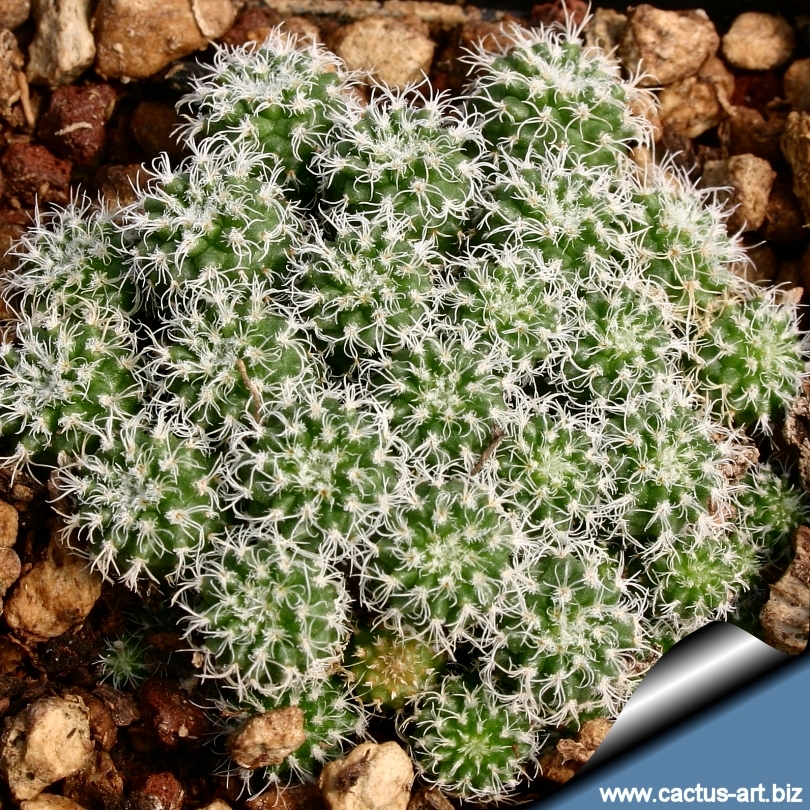
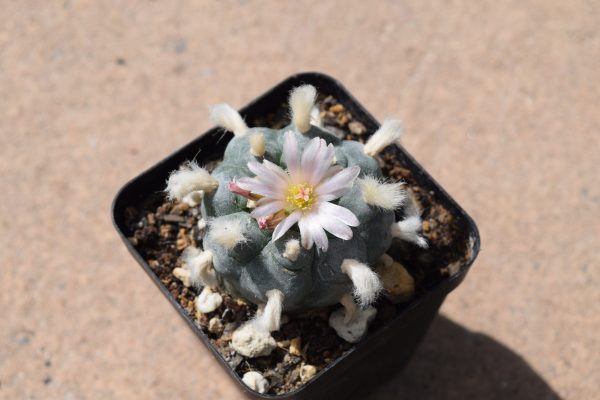
Nestled within the sun-scorched soils of central and northern Mexico, Turbinicarpus species are the unsung heroes of the cactus world. These plants, often measuring just a few centimeters in height, boast a mesmerizing array of shapes and textures. Their globular or cylindrical forms, adorned with spiraled ribs and delicate, hooked spines, resemble miniature works of art crafted by an unseen sculptor. But don’t let their size fool you—these cacti are architectural marvels, each species a testament to evolutionary ingenuity.
What truly sets Turbinicarpus apart is their ability to endure extreme conditions. With roots that delve deep into the parched earth and stems that store water like liquid gold, they have mastered the art of survival in environments where most life would wither. Their flowers, often bursting forth in vibrant hues of pink, purple, or white, are fleeting but breathtaking, a fleeting spectacle that rewards the patient observer.
Symbolism: The Cactus as a Metaphor for Resilience and Fragility
Beyond their ecological significance, Turbinicarpus species carry profound symbolic weight. In many cultures, cacti represent endurance, adaptability, and the quiet strength that thrives in adversity. The genus Turbinicarpus, in particular, embodies this symbolism with a poetic twist. Their diminutive stature serves as a humbling reminder that greatness often lies not in size but in tenacity. They are the underdogs of the plant kingdom, proving that even the smallest beings can leave an indelible mark on the world.
Yet, their symbolism is a double-edged sword. While they inspire admiration for their resilience, they also serve as a stark warning about the fragility of life in the face of environmental degradation. The same traits that allow them to survive—slow growth, specific habitat requirements, and limited reproductive windows—make them particularly vulnerable to human encroachment. In this way, Turbinicarpus becomes a living metaphor for the delicate balance between strength and susceptibility.
The Looming Threat: Why These Tiny Titans Are in Peril
The story of Turbinicarpus is not just one of beauty and symbolism—it is a cautionary tale. Habitat destruction, illegal collection, and climate change are conspiring to push these species toward the brink. The very traits that make them so fascinating—their slow growth and specialized needs—also make them easy targets for poachers and difficult to cultivate in captivity. In the wild, their populations are dwindling, and some species are teetering on the edge of extinction.
Consider the challenges they face: urban sprawl devours their natural habitats, climate change alters the delicate balance of their ecosystems, and the black market for rare cacti fuels illegal trade. The irony is palpable. These plants, which have survived for millennia through sheer adaptability, now struggle to endure the consequences of human activity. It’s a paradox that underscores the urgent need for conservation efforts tailored to their unique vulnerabilities.
Conservation Strategies: Can We Save the Unseen Guardians?
Saving Turbinicarpus is no small feat. Conservationists are employing a multi-pronged approach, blending scientific innovation with community engagement. One promising strategy is ex-situ conservation, where seeds and tissue samples are preserved in seed banks and botanical gardens. This ensures that even if wild populations collapse, the genetic diversity of the genus can be maintained for future restoration efforts.
Another critical component is habitat protection. By establishing and enforcing protected areas, conservationists can shield Turbinicarpus from the bulldozers and illegal collectors that threaten their existence. Community-based conservation programs are also proving effective, as they involve local populations in the protection of their natural heritage. When people see these tiny cacti as more than just curiosities—when they recognize their ecological and cultural value—they become allies in the fight for survival.
But perhaps the most innovative approach is the use of technology. Drones and satellite imagery are being deployed to monitor remote habitats, while DNA barcoding helps track illegal trade routes. These tools, though still in their infancy, offer a glimmer of hope in an otherwise grim landscape.
The Role of Hobbyists and Collectors: A Delicate Dance
Here’s a thorny question: Can the passion of cactus enthusiasts coexist with the survival of Turbinicarpus species? The answer is a resounding yes—but only if done responsibly. Ethical collectors and hobbyists play a vital role in conservation by supporting nurseries that cultivate these plants sustainably. By choosing nursery-grown specimens over wild-collected ones, they help reduce the demand for poached plants.
Moreover, enthusiasts can contribute to citizen science projects, documenting sightings and sharing data with conservation organizations. Their knowledge and dedication can bridge the gap between scientific research and public awareness, turning casual observers into stewards of biodiversity. The challenge, however, lies in ensuring that this passion does not morph into exploitation. The line between admiration and appropriation is thin, and it’s up to the community to tread carefully.
Looking Ahead: A Future for the Tiny but Mighty
The fate of Turbinicarpus hangs in the balance, but the story is far from over. With concerted effort, innovation, and a shift in how we perceive these tiny titans, there is still time to rewrite their narrative. Imagine a world where Turbinicarpus species flourish in protected reserves, where their symbolism inspires not just awe but action, and where their survival becomes a testament to humanity’s capacity for stewardship.
This is not just a story about cacti. It’s a story about our relationship with the natural world, about the choices we make today and the legacy we leave for tomorrow. The tiny but mighty Turbinicarpus may be small, but their message is vast: every life, no matter how seemingly insignificant, has a role to play in the grand tapestry of existence. The question is, will we listen?

FAQ
What makes Turbinicarpus cacti unique?
They are among the smallest cacti but exhibit remarkable adaptations to survive extreme arid conditions with distinctive shapes and flowers.
Are Turbinicarpus plants endangered?
Many species are vulnerable or endangered due to slow growth, habitat specificity, and threats like illegal poaching and climate change.
What role do local communities play in Turbinicarpus conservation?
Local communities help protect habitats and participate in conservation programs that preserve these cacti as part of their natural heritage.
Can Turbinicarpus be grown by hobbyists?
Yes, but responsible cultivation using nursery-grown plants is essential to avoid contributing to wild population declines.
Leave a Reply