
Short Answer
The deserts of the world are not barren wastelands—they are vibrant ecosystems teeming with life, where resilience is etched into every spine and every bloom. Among the most iconic inhabitants of these arid realms are the cacti, botanical sentinels that have evolved over millennia to thrive in conditions that would extinguish most other life forms. Yet, these silent guardians now face an existential crisis. Habitat destruction, climate change, and unchecked human expansion threaten to erase entire genera from the planet’s tapestry. This is not merely a loss of flora; it is a severing of cultural heritage, a disruption of ecological balance, and a diminishment of Earth’s irreplaceable biodiversity. To understand the urgency of their plight, we must first appreciate the extraordinary adaptations, cultural significance, and ecological roles of these cacti—before they vanish like whispers in the wind.
The Silent Architects: How Cacti Shape Desert Ecosystems
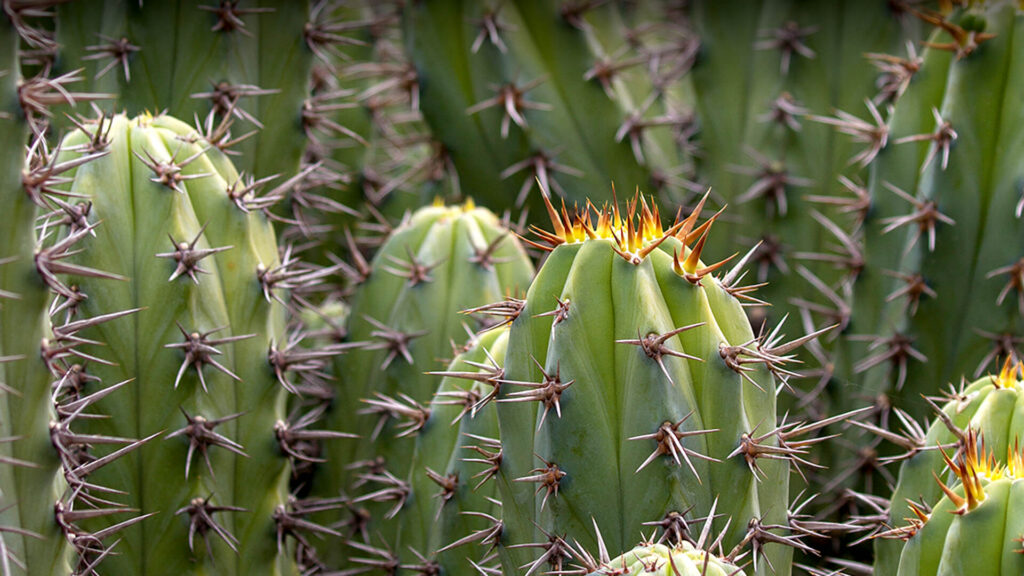
Cacti are not passive survivors; they are ecosystem engineers, sculpting the very landscapes they inhabit. Their shallow, widespread root systems act as nature’s water harvesters, capturing scarce rainfall and funneling it into the soil, nourishing neighboring plants. Species like the saguaro (*Carnegiea gigantea*) create microhabitats within their towering trunks, offering refuge to birds, insects, and even small mammals. The spines of a barrel cactus (*Ferocactus* spp.) deter herbivores while casting delicate shadows that protect delicate soil crusts—vital for preventing erosion in fragile desert soils. Even their flowers, often overlooked in favor of more flamboyant blooms, are crucial nectar sources for pollinators like bats and hummingbirds during the harshest seasons. To lose these cacti is to unravel the intricate web of life that depends on their presence. Their decline doesn’t just signal a botanical tragedy; it heralds the collapse of entire desert communities.

Cultural Tapestry: The Spiritual and Historical Role of Cacti
Long before cacti became symbols of arid resilience in Western botany, they held sacred significance in the cosmologies of Indigenous peoples across the Americas. The peyote cactus (*Lophophora williamsii*), revered by the Huichol and other Native American tribes, is not merely a plant but a divine intermediary, its psychoactive properties facilitating communion with the spirit world. Similarly, the San Pedro cactus (*Echinopsis pachanoi*), used in Andean shamanic traditions, is believed to bridge the gap between the earthly and the celestial. These cacti are woven into creation myths, healing rituals, and rites of passage, their very existence intertwined with human history. Yet, their sacred status has not shielded them from exploitation. Overharvesting for the black market trade in psychoactive plants has pushed some species to the brink. The loss of these cacti isn’t just ecological—it’s a cultural erasure, a fading of millennia-old wisdom that once guided entire civilizations.
The Vanishing Giants: Endangered Cactus Genera and Their Plight
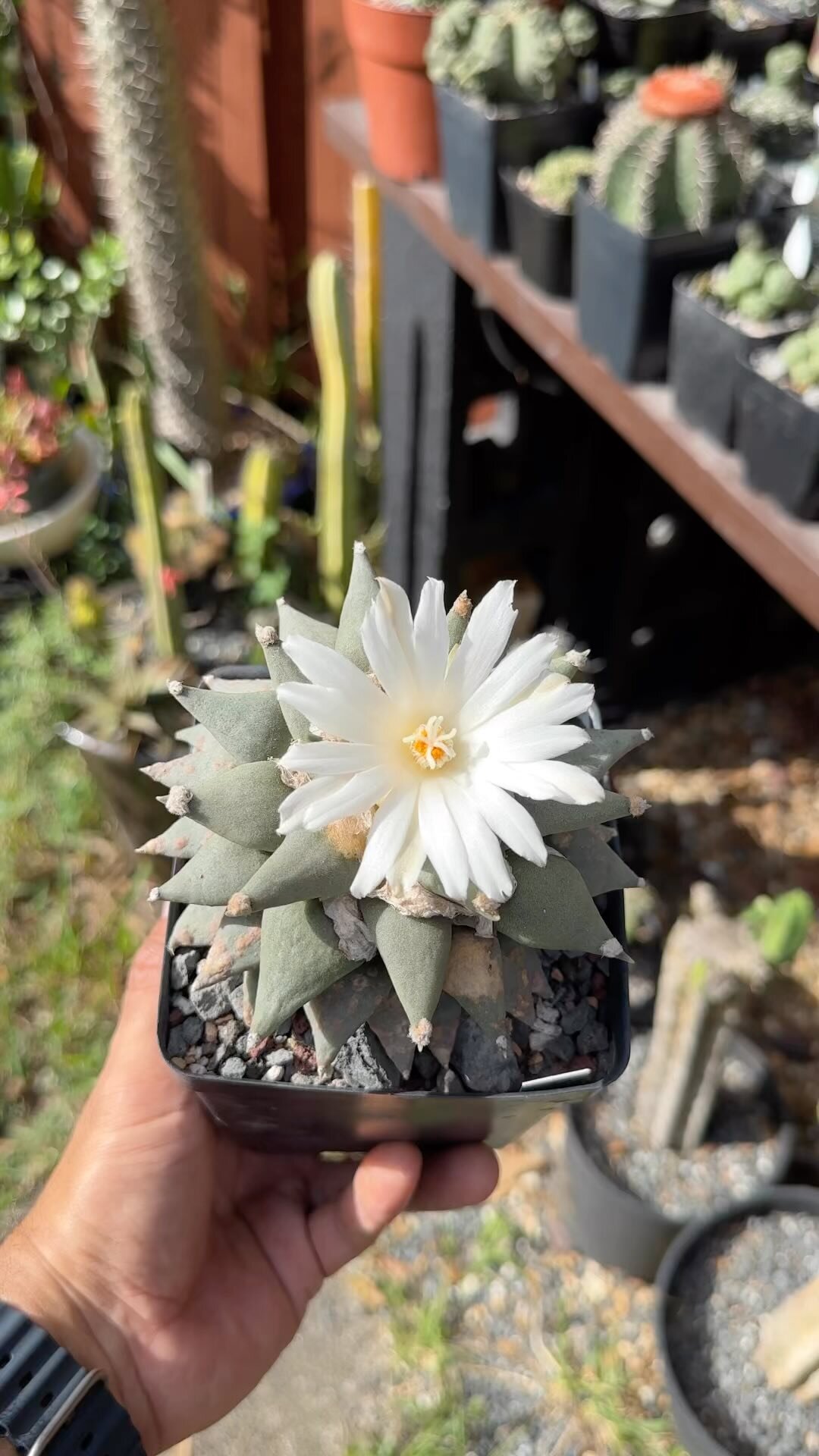
Among the most imperiled are the towering sentinels of the Sonoran Desert. The saguaro, with its slow growth rate of less than an inch per decade, can live for over 150 years—yet its future is precarious. Rising temperatures and prolonged droughts, exacerbated by climate change, are stunting its growth and reducing seedling survival rates. Meanwhile, the Mexican giant cardon (*Pachycereus pringlei*), a relative of the saguaro, faces habitat fragmentation from agricultural expansion and urban sprawl. In South America, the *Eulychnia* genus, known as the “candelabra cacti” for their branching forms, is being decimated by mining operations that strip away their rocky habitats. Even the diminutive *Ariocarpus* species, with their geometric, almost alien shapes, are targeted by collectors who prize their rarity. These cacti are not just plants; they are living fossils, relics of a time when deserts were wetter and more hospitable. Their extinction would be a geological tragedy as much as a biological one.

Climate Change: The Invisible Threat to Cactus Survival
The specter of climate change looms larger than any other threat to cacti. While these plants are adapted to heat and drought, the pace of environmental change is outstripping their evolutionary capacity. Prolonged heatwaves, such as those that scorched the Mojave Desert in 2020, can cause cacti to abort their flowers or fail to produce fruit, disrupting reproductive cycles. Shifts in precipitation patterns are equally devastating; some cacti rely on specific rainfall triggers to bloom, and when those triggers disappear, entire generations may fail to germinate. The *Turbinicarpus* genus, native to Mexico, is particularly vulnerable to these changes, with some species already experiencing population crashes. Moreover, rising CO₂ levels, while initially seeming beneficial for photosynthesis, can alter soil chemistry and reduce the nutritional quality of cactus tissues, making them less appealing to herbivores—and thus disrupting food chains. The irony is stark: the very adaptations that allowed cacti to conquer the desert may now be their undoing in an era of rapid climate shifts.
Human Encroachment: When Progress Tramples the Prickly
Industrial agriculture, urban sprawl, and infrastructure development are carving through cactus habitats at an alarming rate. In Chile, the *Copiapoa* genus, with its globular, ribbed forms, is being smothered by copper mining operations that leave behind toxic tailings and barren landscapes. In the United States, the construction of solar farms in the Sonoran Desert has led to the destruction of thousands of acres of cactus-rich land, despite the presence of endangered species like the Arizona hedgehog cactus (*Echinocereus arizonicus*). Even well-intentioned conservation efforts can backfire; fencing off cactus populations to protect them from herbivores sometimes traps them in microclimates that become too hot or too dry. The border wall between the U.S. and Mexico, for instance, has fragmented habitats and disrupted the migratory paths of pollinators that rely on cacti for sustenance. These cacti are not just casualties of progress—they are collateral damage in a war against nature’s quiet persistence.
Conservation in Action: Hope Blooms in the Desert
Amidst the gloom, glimmers of hope emerge from the dedication of conservationists, Indigenous communities, and scientists. In Mexico, the *Cactaceae* family is the focus of community-led reforestation projects, where local groups cultivate and replant endangered species in degraded areas. The *Ferocactus* genus, known for its vibrant flowers, is being propagated in botanical gardens and reintroduced into the wild, with some success in restoring dwindling populations. Meanwhile, legal protections are tightening; the Convention on International Trade in Endangered Species (CITES) has placed strict regulations on the trade of rare cacti like the *Ariocarpus* and *Lophophora* species. Innovative techniques, such as cryopreservation of seeds and tissue culture propagation, are being developed to preserve genetic diversity. Even citizen science plays a role—apps like iNaturalist allow hikers and desert enthusiasts to document cactus sightings, helping researchers track population trends. These efforts prove that with concerted action, the tide can be turned. The question is whether humanity will act swiftly enough.
What You Can Do: Becoming a Guardian of the Prickly
Protecting endangered cacti is not the sole responsibility of governments or scientists; it is a collective endeavor that begins with individual choices. Start by educating yourself and others about the ecological and cultural importance of these plants. Support organizations like the Cactus and Succulent Society of America or local desert conservation groups that work to restore habitats and lobby for policy changes. When purchasing cacti, opt for nursery-grown specimens rather than wild-harvested ones, and ensure they are ethically sourced. Reduce your carbon footprint to mitigate climate change—every degree matters for these heat-loving plants. Advocate for sustainable land-use policies that prioritize biodiversity over short-term profit. Even something as simple as leaving cacti undisturbed during hikes, avoiding the temptation to take cuttings or disturb their roots, can make a difference. Remember, these plants have survived for millennia without human intervention; it is our turn to ensure they endure for millennia more.
The fate of endangered cacti is a litmus test for humanity’s relationship with the natural world. These plants are not merely survivors; they are teachers, healers, and silent witnesses to the passage of time. To lose them would be to lose a chapter of Earth’s story—a chapter written in spines and blooms, in resilience and grace. The deserts may seem harsh, but they are not empty. They are alive, and they are calling out to us. Will we listen before it’s too late?
FAQ
Why are cacti important to desert ecosystems?
Cacti play crucial roles as ecosystem engineers, providing water, shelter, and food for various desert species, and supporting the ecological balance.
What are the main threats to endangered cactus genera?
The main threats include climate change, habitat destruction from agriculture and urbanization, and overharvesting for the black market.
How can individuals help in cactus conservation?
Individuals can support conservation organizations, educate others about cactus importance, and participate in local habitat restoration efforts.



Leave a Reply