

Short Answer
Imagine walking into a bustling garden center, where every shelf brimming with succulents whispers untapped potential. Cacti, with their striking silhouettes and resilient charm, aren’t just plants—they’re conversation starters, aesthetic anchors, and, when strategically placed in retail spaces, profit multipliers. But how do you, as a grower or supplier, transform these desert jewels into must-have inventory for retailers? The answer lies in a meticulously crafted B2B strategy that marries horticultural expertise with savvy salesmanship. Whether you’re pitching to boutique nurseries or sprawling home improvement chains, the key is to present cacti not as mere products, but as solutions to a retailer’s perennial quest: offering customers irresistible, low-maintenance greenery that thrives in modern living spaces. This guide will dissect the art of selling cacti to retailers, from understanding their pain points to crafting irresistible pitches and nurturing long-term partnerships.
The Retailer’s Dilemma: Why Cacti Are the Unsung Heroes of Inventory
Retailers face a paradox: they crave products that captivate customers yet demand minimal upkeep. Enter cacti—a genus that embodies low-maintenance luxury. Unlike finicky tropicals that wilt under inconsistent care, cacti thrive on neglect, making them ideal for busy shoppers and forgetful plant parents alike. But their appeal extends beyond durability. Cacti are visual storytellers, their geometric forms and textured spines offering instant curb appeal. A single statement piece, like a towering Saguaro or a cascading String of Pearls, can transform a barren shelf into a desert oasis. Moreover, cacti align with sustainability trends; their drought tolerance reduces water waste, a selling point that resonates with eco-conscious consumers. For retailers, stocking cacti isn’t just about adding greenery—it’s about curating an experience that merges beauty with practicality, all while future-proofing their inventory against shifting consumer preferences.
Know Your Audience: Tailoring Your Pitch to Retailer Types
Not all retailers are created equal, and neither should your approach be. A high-end boutique nursery, for instance, prioritizes exclusivity and aesthetic cohesion. Here, your pitch should highlight rare cultivars, like the Moon Cactus or Echeveria ‘Lola’, and emphasize their photogenic qualities—perfect for Instagram-worthy displays. In contrast, a big-box home improvement chain like Home Depot or Lowe’s values scalability and turnover. Your strategy here revolves around hardy, fast-growing species such as Prickly Pear or Barrel Cactus, which require minimal care and can be merchandised in bulk. Meanwhile, specialty garden centers catering to collectors may be drawn to your propagation expertise or custom potting options, like hand-painted ceramic pots or eco-friendly soil mixes. The golden rule? Research your target retailer’s brand ethos, customer demographics, and sales cycles. A tailored pitch isn’t just persuasive—it’s a demonstration of your commitment to their success.
Packaging That Sells: The Silent Salesperson on the Shelf
In the world of retail, packaging is the first—and sometimes only—opportunity to make an impression. For cacti, this means ditching generic plastic pots in favor of designs that tell a story. Consider biodegradable planters crafted from coconut coir or recycled paper, which appeal to eco-minded shoppers. Alternatively, sleek, modern ceramic vessels with matte finishes can elevate a cactus from a mere plant to a design object. Labels matter too. Instead of generic botanical tags, opt for ones that highlight the cactus’s unique traits—“Drought-Proof,” “Pet-Friendly,” or “Thrives in Low Light.” For retailers with display space constraints, stackable, modular packaging allows for creative vertical merchandising, turning a simple shelf into a living sculpture. Remember, your packaging isn’t just a vessel; it’s a silent ambassador that communicates quality, sustainability, and care—qualities that retailers and customers alike will pay a premium for.

The Art of the Pitch: Crafting a Compelling B2B Proposition
A successful pitch to retailers hinges on three pillars: education, exclusivity, and ROI. Start by framing cacti as a solution to a retailer’s core challenges. For example, “Our Golden Barrel Cactus requires 70% less water than traditional houseplants, reducing your overhead costs while satisfying eco-conscious shoppers.” Next, emphasize exclusivity—limited-edition varieties or seasonal bloomers like the Christmas Cactus can create urgency. Finally, quantify the return on investment. Provide data on average markup percentages, turnover rates, and customer feedback from similar retailers. A sample pitch deck might include:
- Problem: “Retailers report that 40% of their plant inventory wilts within a month due to inconsistent care.”
- Solution: “Our cacti boast a 95% survival rate, ensuring minimal waste and maximum profit.”
- Call to Action: “Join our pilot program and receive your first shipment with a 20% discount on orders over 100 units.”
But don’t rely solely on data. Share testimonials from other retailers, or better yet, invite them to visit your greenhouse to see your growing practices firsthand. A pitch that blends logic with emotion—backed by tangible proof—is far more persuasive than a generic sales spiel.
Pricing Strategies: Balancing Profit and Perceived Value
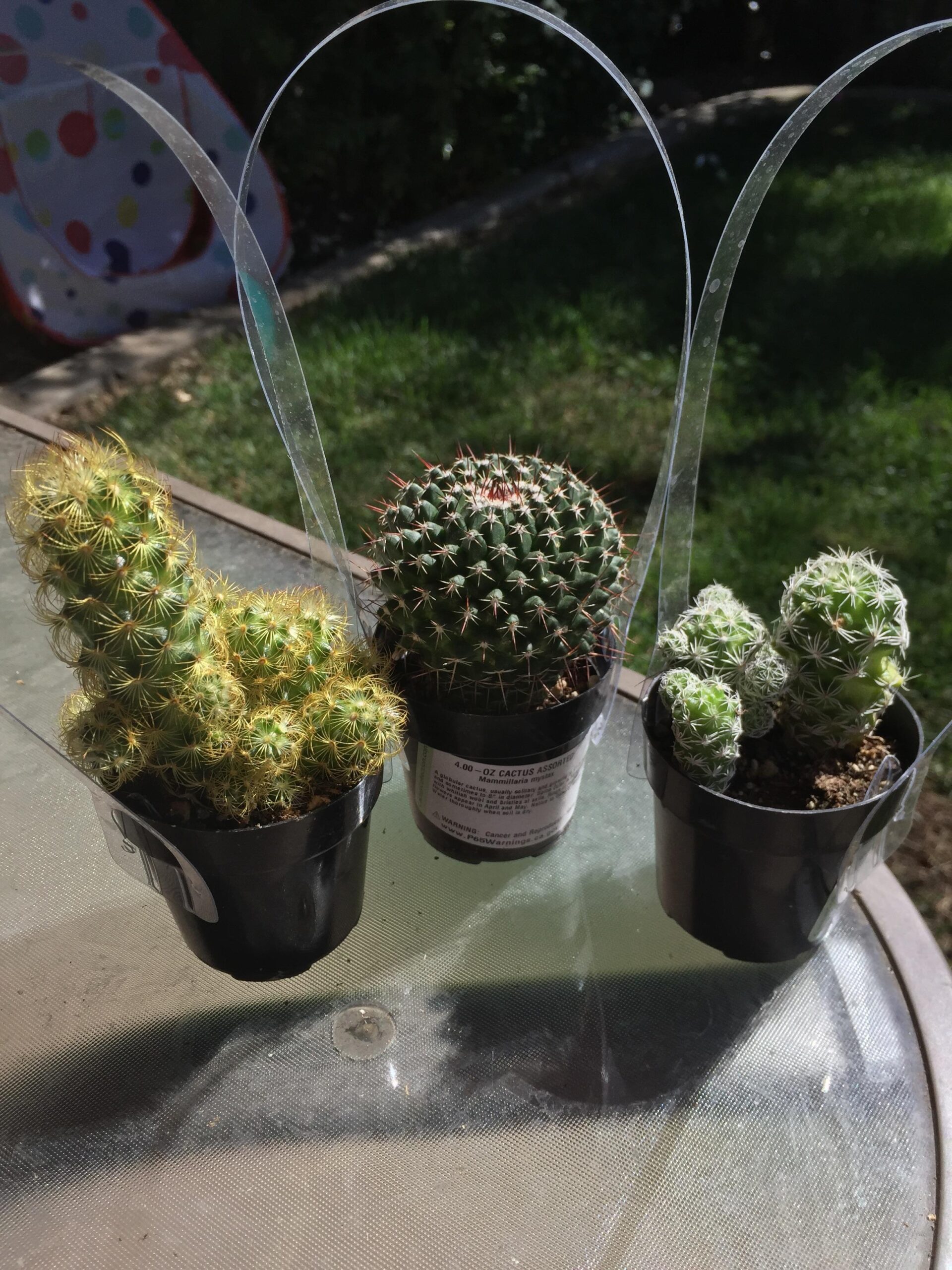
Pricing cacti for retail is a delicate dance between profitability and market expectations. At the entry level, small species like Haworthia or Mammillaria can be priced at $5–$10, appealing to impulse buyers and gift shoppers. Mid-tier varieties, such as Snake Plant hybrids or larger Echeverias, command $15–$30, positioning them as premium yet accessible options. For high-end collectors, rare or variegated cacti—think Monstrose Cereus or Echeveria ‘Perle von Nurnberg’—can fetch $50 or more, especially when paired with artisanal packaging. To maximize margins, consider tiered pricing based on size, rarity, or care requirements. For example, a Saguaro seedling might retail for $15, while a mature specimen in a designer pot could sell for $120. Additionally, offer bulk discounts to retailers, but set minimum order quantities to ensure you’re not undercutting your own profits. Transparency is key: provide a breakdown of your pricing structure, including production costs, shipping, and markup, to build trust with your retail partners.
Logistics and Merchandising: Ensuring Your Cacti Thrive Beyond the Sale
Even the most stunning cactus will gather dust if it arrives at a retailer’s store in poor condition. Logistics, therefore, are the backbone of your B2B success. Start with sturdy, insulated packaging to protect plants during transit, especially for delicate species. Include care cards with each shipment, offering simple tips like “Water sparingly—once a month is plenty!” to reduce post-purchase complaints. Once the cacti reach the store, merchandising becomes critical. Retailers with high foot traffic benefit from eye-level displays near checkout counters, where impulse buys thrive. For garden centers, create themed sections—“Desert Oasis,” “Modern Minimalism,” or “Pet-Friendly Plants”—to guide customers through their shopping journey. Train retail staff on basic cactus care, or provide QR codes linking to video tutorials, turning employees into brand ambassadors. Finally, monitor sales data to identify which varieties perform best, and adjust your offerings accordingly. A proactive approach to logistics and merchandising ensures your cacti aren’t just sold—they’re celebrated.
Building Long-Term Partnerships: The Power of Collaboration
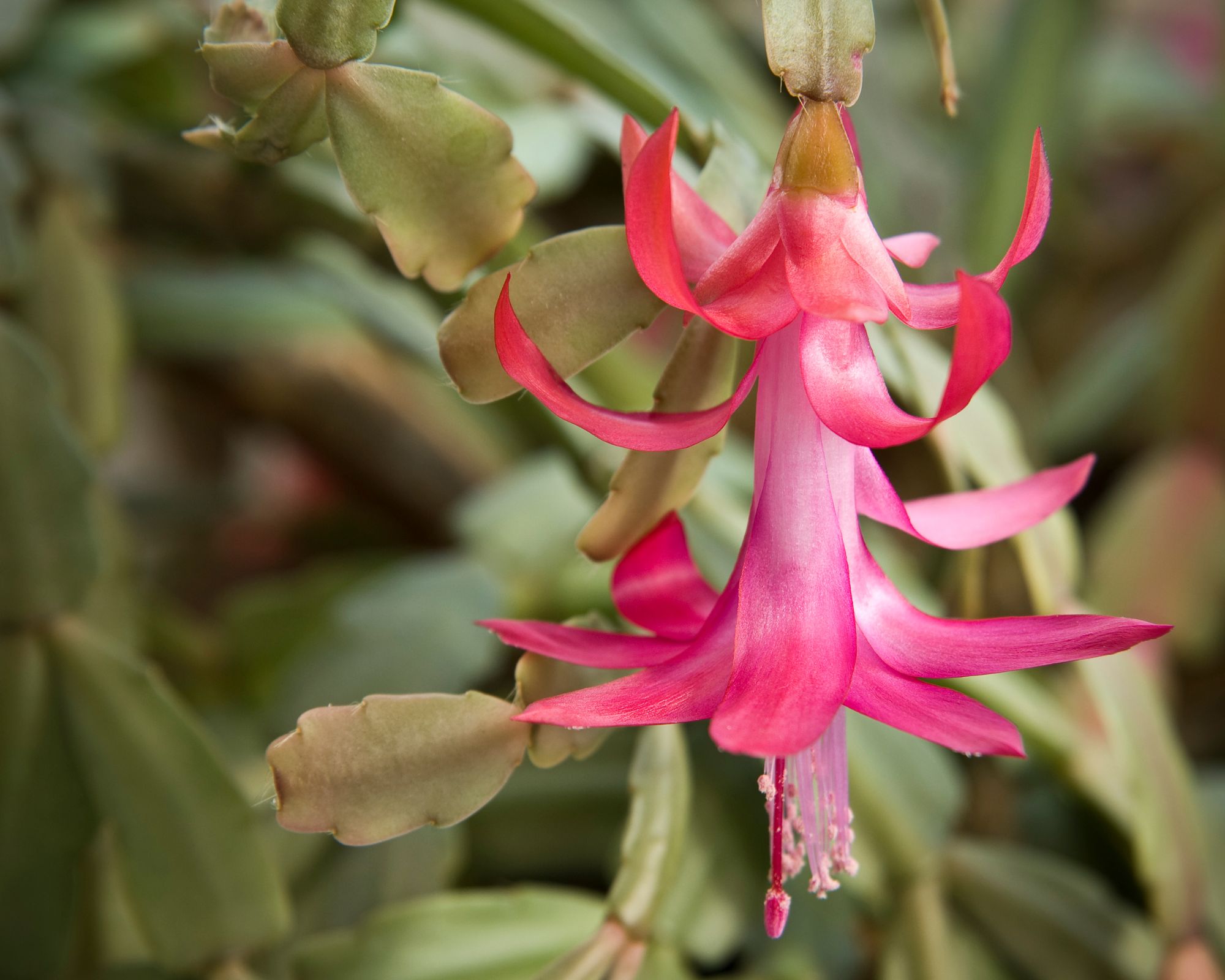
Selling to retailers isn’t a one-time transaction—it’s the beginning of a relationship. To foster loyalty, offer value-added services such as co-branded marketing materials, seasonal promotions, or exclusive previews of new varieties. For example, collaborate on a “Cactus of the Month” feature, where retailers receive marketing assets like social media templates or in-store signage to promote your plants. Host workshops or webinars for their staff, teaching them how to care for cacti or style them in home decor. Additionally, gather feedback from retailers to refine your offerings. Are they struggling with a particular species? Do they need smaller pots for urban apartments? By acting as a partner rather than just a supplier, you position yourself as an indispensable resource. Remember, retailers are more likely to reorder from suppliers who make their lives easier—and their stores more profitable.
Overcoming Objections: Turning “No” into “Yes”
Even the most polished pitch will encounter objections. Common ones include concerns about cacti being “too prickly” for customers, worries about slow sales, or skepticism about your reliability as a supplier. Address these head-on with data and empathy. For the prickliness concern, highlight species with minimal spines, like Haworthia attenuata, or offer pre-packaged “kid-friendly” kits with kid-safe gloves. To counter slow sales, provide retailers with turnkey marketing materials, such as email templates or social media posts, that they can customize and deploy immediately. If reliability is questioned, offer a trial period with flexible return policies or consignment options, where retailers pay only for what sells. The goal isn’t to dismiss objections but to reframe them as opportunities to demonstrate your expertise and commitment. A retailer who says “no” today might become a loyal partner tomorrow—if you give them a reason to say “yes.”
The Future of Cactus Retail: Trends to Watch
The cactus market is evolving, and retailers who stay ahead of the curve will reap the rewards. One emerging trend is the rise of “plant subscriptions,” where customers receive a curated cactus each month, complete with care guides and styling tips. Partnering with retailers to offer these subscriptions can drive recurring revenue and customer loyalty. Another trend is the integration of technology, such as augmented reality (AR) apps that let shoppers visualize a cactus in their home before purchasing. Additionally, the demand for “pet-safe” plants is surging, creating opportunities for non-toxic cacti like Parodia species. Finally, sustainability continues to dominate, with retailers seeking suppliers who prioritize organic growing methods or carbon-neutral shipping. By aligning your business with these trends, you position yourself not just as a supplier, but as a visionary in the cactus industry. The retailers who embrace these innovations will not only sell more cacti—they’ll shape the future of plant retail.
FAQ
What are the key factors to consider when selling cacti to retailers?
Understanding your audience, tailoring your pitch, effective packaging, and providing logistics support are crucial for B2B sales success.
Why are cacti appealing to retailers?
Cacti require minimal care, align with sustainability trends, and offer unique aesthetic qualities that attract customers.

Leave a Reply