

Short Answer
Ever wondered why a cactus looks like it’s wearing a spiky green suit of armor? Or how this desert dweller survives where most plants would throw in the towel? Cacti aren’t just prickly oddities—they’re botanical marvels packed with surprises that make them perfect for curious young minds. Whether you’re a budding botanist, an adventurous explorer, or simply someone who loves a good trivia challenge, prepare to dive into the prickly, fascinating world of cactus facts for kids. And here’s a playful twist: imagine trying to hug a cactus—how would you even begin? The answer might surprise you!
The Spiky Survivors: How Cacti Thrive Where Others Faint
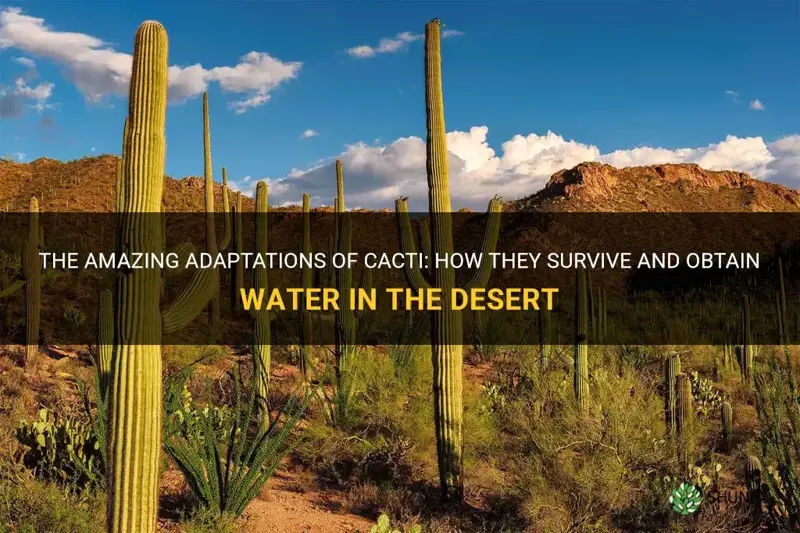
Picture this: a plant that laughs in the face of drought, basks in blistering sun, and still manages to look stylish while doing it. That’s the cactus for you! Unlike your average houseplant, which wilts at the slightest neglect, cacti have evolved some seriously clever tricks to conquer harsh environments. Their secret? Water storage superpowers. Imagine a plant with a built-in camel hump—except instead of storing fat, it hoards water in its thick, fleshy stems. This adaptation allows cacti to go months, even years, without a single drop of rain. Some species, like the saguaro, can soak up over 200 gallons of water in a single downpour, swelling like a green water balloon. Talk about hydrating in style!
But water isn’t the only challenge. Cacti also face scorching daytime heat and chilly desert nights. To beat the heat, many cacti have a waxy coating on their skin, which acts like a natural sunscreen, reflecting sunlight and locking in moisture. Others, like the barrel cactus, grow ribs that expand and contract like an accordion, helping them regulate temperature and expand when water is plentiful. It’s like having a built-in HVAC system made of plant tissue!

The Shape-Shifters: Why Cacti Come in All Sizes and Styles
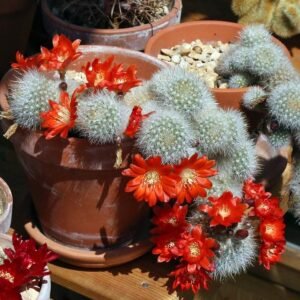
If cacti were a fashion line, they’d be the most avant-garde collection on the runway. From the towering, column-like sentinels of the saguaro to the squat, round buttons of the mammillaria, each cactus has a silhouette that’s uniquely its own. But why the diversity? Blame it on evolution’s wild creativity. Some cacti, like the prickly pear, grow flat pads that sprawl across the ground, maximizing surface area for photosynthesis while minimizing water loss. Others, like the Christmas cactus, have trailing stems that drape elegantly over pots, perfect for hanging baskets. It’s as if nature decided to turn cacti into a botanical art exhibit!
And let’s not forget the spines—oh, the spines! These aren’t just for show; they’re a cactus’s first line of defense. But here’s a fun fact: not all spines are created equal. Some are stiff and needle-like, while others are soft and hairy, like the bunny ears cactus. A few even glow in the dark! (Okay, that last one’s a myth—but wouldn’t it be cool if it were true?) The shape and arrangement of spines can also help identify different cactus species. It’s like a botanical fingerprint, unique to each plant.
The Blooming Beauties: When Cacti Put on a Flower Show
Think cacti are all about the spines and no glamour? Think again! When the time is right, many cacti burst into breathtaking blooms that would make even the most seasoned florist swoon. Take the saguaro, for example. After decades of slow growth, it finally rewards patience with creamy white flowers that open at night, luring in bats and moths as pollinators. The barrel cactus, on the other hand, dazzles with vibrant red or yellow flowers that blanket its ribs like a crown. And the Christmas cactus? Its delicate, tubular blooms arrive just in time for the holidays, proving that cacti can be festive too!
But here’s a challenge for you: can you guess how long some cacti take to bloom? The queen of the night cactus, for instance, waits a whopping 30 years before its first flower appears. That’s longer than some people wait to buy their first house! And when it finally does bloom, the flower only lasts for a single night. Talk about a fleeting moment of glory. It’s a reminder that patience and timing are everything in the world of cacti.
The Cactus Conundrum: Fun Trivia to Stump Your Friends
Ready to impress your friends with some cactus trivia? Let’s start with this: did you know that cacti are native only to the Americas? That’s right—while deserts span the globe, cacti call the Western Hemisphere home. From the towering giants of the Sonoran Desert to the tiny, hidden jewels of the Andes, these plants have carved out a niche in some of the most unforgiving landscapes on Earth. And here’s another brain-bender: some cacti can live for over 200 years! The oldest known cactus, a saguaro, was estimated to be 220 years old. That’s older than your great-grandparents!
Now, let’s talk about the cactus’s role in pop culture. Ever seen a cartoon character with a cactus for a sidekick? Or a video game where a spiky adversary blocks your path? Cacti have infiltrated our imaginations as symbols of resilience and quirkiness. Even the word “cactus” has a fun linguistic twist—it comes from the Greek word “kaktos,” which means “spiny plant.” So next time you see a cactus in a movie or a book, you’ll know it’s not just a prop—it’s a silent hero of the plant kingdom.
The Cactus Care Challenge: Can You Keep a Cactus Alive?
Here’s where things get interesting. While cacti are famously low-maintenance, they’re not completely indestructible. In fact, keeping a cactus happy can be a fun (and slightly tricky) challenge. The key? Mimic their natural habitat as much as possible. That means plenty of sunlight—think six hours a day of direct rays. But beware: too much sun can scorch their skin, leaving them with unsightly brown patches. It’s like giving them a sunburn, and nobody wants that!
Watering is another balancing act. Overwatering is the number one killer of cacti, leading to rot and a sad, mushy demise. The golden rule? Water only when the soil is completely dry. And when you do water, give them a thorough soaking—just like a desert downpour—then let them dry out again. It’s a rhythm that mimics their natural environment, where rain is rare but intense. If you’re up for the challenge, try growing a cactus from seed. It’s a slow process, but watching a tiny sprout emerge from the soil is like witnessing a miracle in miniature.
So, are you ready to take on the cactus care challenge? Grab a pot, some well-draining soil, and a sunny windowsill. With a little patience and a lot of love, you might just grow a cactus that thrives for decades. And who knows? Maybe one day, it’ll even bloom for you.
FAQ
What is a cactus?
A cactus is a type of plant that is adapted to survive in dry, arid environments, known for its spines and ability to store water.
How long can cacti live?
Some cacti can live for over 200 years, with the oldest known saguaro estimated to be 220 years old.
Do all cacti have flowers?
Yes, many cacti bloom beautiful flowers, often after many years of growth.




Leave a Reply