
Short Answer
The desert is not a wasteland. It is a crucible of resilience, where life clings to existence with tenacious grace. In this harsh expanse, where the sun scorches the earth and the wind carves the dunes into shifting sculptures, a silent revolution is underway. The cactus, that prickly sentinel of the arid realms, is not merely surviving—it is thriving, and in doing so, it is rewriting the rules of ecological endurance. These botanical marvels are not just plants; they are the unsung architects of a greener future, the vanguard in the battle against desertification.
The Cactus: A Paragon of Arid Adaptation
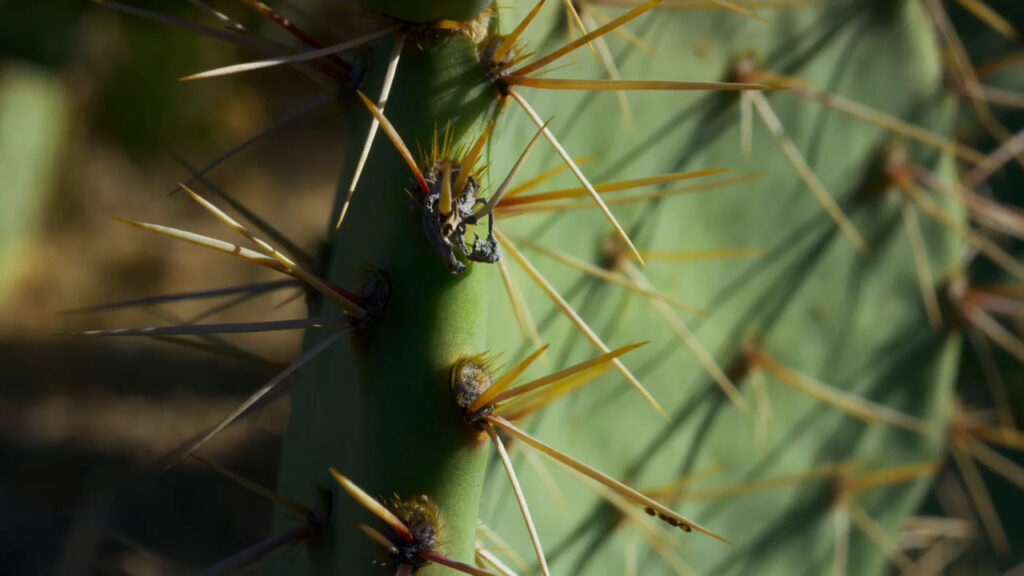
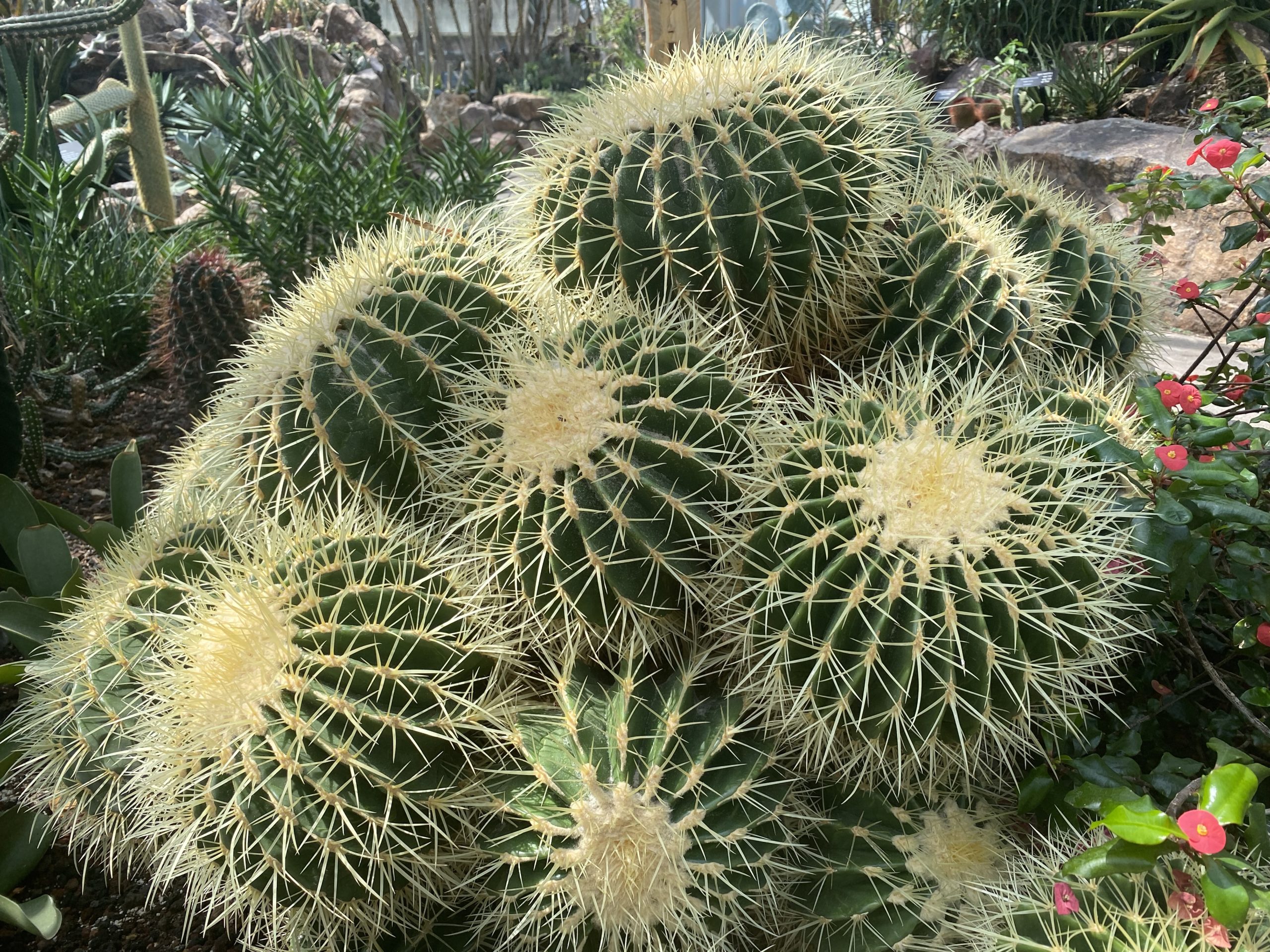
To understand how cacti combat desertification, one must first marvel at their extraordinary adaptations. These plants are the epitome of evolutionary ingenuity, having perfected the art of water conservation to an almost supernatural degree. Their thick, waxy skins minimize transpiration, while their spines—far from mere adornments—serve as multifunctional tools: deterring herbivores, diffusing sunlight, and even collecting dew. Some species, like the saguaro, store water in their ribbed trunks, swelling like water towers after rare desert rains. Others, such as the barrel cactus, can survive years without a single drop, their internal moisture locked away like a precious secret. This is not mere survival; it is a masterclass in thriving against the odds.
Their root systems are another marvel. Unlike most plants, which sprawl shallowly in search of surface water, cacti deploy deep, far-reaching roots that tap into underground aquifers or spread laterally to capture the fleeting moisture of desert storms. Some, like the prickly pear, even form symbiotic relationships with mycorrhizal fungi, which extend their reach into the soil, unlocking nutrients that would otherwise remain out of grasp. In this way, cacti do not just endure—they engineer their own ecosystems, creating microclimates where other life can flourish.
Soil Stabilization: The Cactus as Earth’s Armor
Desertification is, at its core, a story of erosion. The wind and rain strip away the thin, fragile layer of soil that sustains life, leaving behind a barren canvas where nothing can grow. Here, the cactus steps in as an unlikely but formidable ally. Its sprawling root systems bind the soil together, anchoring it against the relentless forces of wind and water. The spines, too, play a role, breaking the force of raindrops before they can dislodge precious topsoil. In regions where cacti dominate, the land becomes less prone to the devastating cycles of erosion that turn fertile earth into dust.
But the cactus’s influence extends beyond mere physical stabilization. As these plants grow, they contribute organic matter to the soil through fallen spines, decaying pads, and the slow decomposition of their own bodies. This organic input enriches the soil, fostering the growth of other hardy plants that further stabilize the land. In this way, cacti are not just passive defenders of the soil—they are active architects, rebuilding the very foundation of life in the desert.
Biodiversity: The Cactus as Keystone Species
A desert without cacti is a desert in name only. These plants are the linchpins of their ecosystems, supporting a web of life that extends far beyond their own species. Birds nest in their spines, insects shelter in their crevices, and mammals graze on their fruits and pads. The Gila woodpecker, for instance, carves its nest in the saguaro’s flesh, creating cavities that later become homes for owls, kestrels, and even bees. The cactus wren weaves its nest among the spines of the cholla, a fortress against predators. Even the humble desert tortoise relies on cacti for sustenance and hydration.
This biodiversity is not a trivial matter. In a world where deserts are expanding at an alarming rate, the presence of cacti can mean the difference between a thriving ecosystem and a wasteland. They provide food and shelter for creatures that, in turn, pollinate other plants, disperse seeds, and aerate the soil. Without cacti, the desert would lose its pulse, its rhythm, its very soul. They are the keystone species that holds the entire structure together.
Carbon Sequestration: The Cactus as Climate Warrior
In the global fight against climate change, every plant counts. And while cacti may not be the first species that comes to mind when one thinks of carbon sequestration, they are far more effective than they appear. Their slow growth and water-storing tissues mean that carbon is locked away for decades, even centuries, in their woody stems and roots. Some species, like the cardón, can live for over a thousand years, their massive trunks acting as carbon vaults. As deserts expand due to climate change, the role of cacti in sequestering carbon becomes ever more critical.
Moreover, cacti thrive in conditions where other plants would wither and die. As temperatures rise and rainfall becomes more erratic, traditional crops and trees struggle to survive. Cacti, however, are built for these extremes. By planting cacti in degraded lands, we can not only restore the soil but also create carbon sinks that will endure for generations. They are the silent soldiers in the battle against climate change, working tirelessly in the background to heal the planet.
Cultural and Economic Resilience: The Cactus as Lifeline
Beyond their ecological roles, cacti hold immense cultural and economic value. For centuries, indigenous communities across the Americas have relied on these plants for food, medicine, and shelter. The prickly pear, for instance, yields nutritious fruits and pads that are a staple in many diets. The sap of the agave is fermented into tequila, a global commodity that supports entire economies. Even the spines of the cactus have been repurposed as tools, needles, and even musical instruments.
In regions where desertification threatens livelihoods, cacti offer a lifeline. They can be cultivated in marginal lands where traditional agriculture fails, providing income and food security for local communities. In Mexico, the nopal cactus is farmed on a large scale, its pads harvested for human consumption and its mucilage used in cosmetics and pharmaceuticals. In Africa, the prickly pear is being planted to combat soil erosion and provide fodder for livestock. The cactus is not just a plant; it is a catalyst for economic resilience, a symbol of hope in the face of adversity.
The Future: Planting the Seeds of Change
The fight against desertification is one of the great challenges of our time. But as we look to the future, the cactus stands as a beacon of hope. Its resilience, its adaptability, and its multifaceted roles in the ecosystem make it an invaluable ally in the restoration of degraded lands. By planting cacti, we are not just restoring the land—we are restoring balance, biodiversity, and resilience.
Yet, the cactus’s potential remains largely untapped. In many parts of the world, these plants are still seen as mere obstacles, their spines a nuisance rather than a blessing. It is time to shift our perspective. The cactus is not a weed; it is a wonder. It is not a hindrance; it is a helper. By embracing these prickly guardians, we can reclaim the desert, one spine at a time.
So let us plant cacti. Let us nurture them, protect them, and learn from them. For in their quiet, unassuming way, they are teaching us the most profound lesson of all: that life, even in the harshest of environments, can not only survive but thrive. And if we listen closely, we might just hear the desert whispering its gratitude.
FAQ
How do cacti help combat desertification?
Cacti help combat desertification by stabilizing soil, conserving water, and supporting diverse ecosystems.
What are the adaptations of cacti?
Cacti have thick, waxy skins, deep root systems, and spines that help in water conservation and soil stabilization.
Why are cacti considered keystone species?
Cacti support various forms of wildlife, providing food and habitat, thus maintaining the ecological balance of desert environments.
Leave a Reply