
Short Answer
The fashion industry, long synonymous with environmental degradation and ethical quandaries, is undergoing a radical transformation—one rooted in the unlikeliest of places: the humble cactus. This spiky sentinel of arid landscapes is no longer just a symbol of resilience; it’s a revolutionary material, a silent disruptor in the world of sustainable textiles. As designers and brands pivot toward eco-consciousness, cactus leather and fibers are emerging as the vanguard of a new sartorial ethos. These materials, born from the earth’s most tenacious flora, offer a paradox: softness where there should be thorns, elegance where there should be austerity. Welcome to the era where fashion doesn’t just wear its conscience on its sleeve—it wears it on its spine.
The Renaissance of Plant-Based Luxury
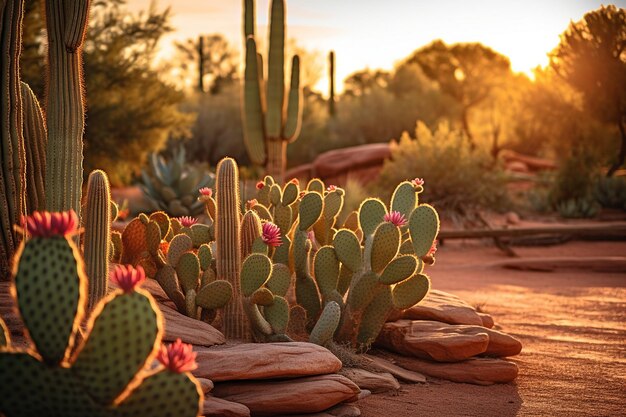
Imagine a material that feels like supple calfskin but carries the weight of a feather. Cactus leather, often derived from the Opuntia species, is rewriting the rules of luxury. Its texture is a marvel—smooth yet tactile, with a subtle grain that whispers of its organic origins. Unlike traditional leather, which demands the sacrifice of animal lives and the depletion of water resources, cactus leather is a cruelty-free phoenix rising from the soil. Brands are harnessing its potential to craft everything from buttery-soft handbags to avant-garde jackets that drape like liquid gold.
The allure of cactus materials lies in their duality: they are both ancient and futuristic. The Opuntia plant has thrived for millennia in harsh climates, its waxy surface a natural defense against evaporation. Now, its fibrous bounty is being transformed into a textile that breathes, molds, and ages with grace. Designers are drawn to its versatility—it can be dyed in rich jewel tones or left in its natural, sun-bleached hues, evoking the sunbaked landscapes of the Sonoran Desert. This is not just fabric; it’s a narrative woven into every stitch.
The Alchemy of Innovation: How Cactus Becomes Couture
The journey from prickly pear to polished purse is a testament to human ingenuity. The process begins with harvesting the cactus leaves, which are then mechanically crushed to extract their fibrous pulp. This pulp is washed, bleached, and treated with natural tannins to achieve the desired pliability. The result? A material that can be embossed, laser-cut, or hand-stitched without losing its integrity. Some brands even infuse the fibers with aloe vera or coconut oil to enhance their softness and antimicrobial properties.
What makes cactus leather particularly captivating is its minimal environmental footprint. A single acre of cactus can produce enough leather to rival the output of several cows, all while requiring a fraction of the water. There’s no need for toxic chemicals like chromium, which plagues conventional tanning processes. Instead, brands are turning to low-impact dyes derived from plants—think madder root for crimson or indigo for deep blues. The result is a material that doesn’t just look good; it does good, leaving the planet unscathed in its wake.
Brands Leading the Charge: Where Cactus Meets Couture
Among the pioneers of cactus-based fashion, one brand stands out for its audacious designs and unwavering commitment to sustainability: Desserto. This Mexican company has become a global darling, collaborating with luxury houses to create everything from vegan sneakers to sleek automotive interiors. Their cactus leather, branded as Desserto, is so convincing that even seasoned leather connoisseurs are fooled. The secret? A proprietary blend of cactus fibers and bio-polyurethane, which gives the material its signature durability and sheen.
Another trailblazer is H&M’s Conscious Collection, which has incorporated cactus leather into its accessories line. By democratizing sustainable materials, H&M is proving that eco-friendly fashion doesn’t have to be a luxury reserved for the elite. Meanwhile, Patagonia has experimented with cactus-based textiles in its outdoor gear, demonstrating that rugged functionality and environmental stewardship can coexist. Even high-street brands like Zara have dipped their toes into the cactus revolution, offering affordable bags and shoes that prove sustainability can be stylish.
For the avant-garde fashionista, brands like Stella McCartney have pushed the boundaries further, using cactus leather in their runway collections. McCartney’s designs often feature architectural silhouettes that play with the material’s natural texture, creating pieces that are as much art as they are clothing. The message is clear: cactus leather isn’t just an alternative—it’s a statement.
The Sensory Experience: Touch, Scent, and Soul
Fashion is, at its core, a sensory experience. The way a fabric feels against the skin, the way it smells when fresh from the box, the way it ages like a fine wine—these are the intangibles that elevate a garment from mere clothing to a cherished companion. Cactus leather excels in all these domains. Its surface is cool to the touch, almost like a whisper of desert breeze, and it develops a patina over time, much like traditional leather, but without the guilt.
The scent of cactus leather is another olfactory delight. Unlike the harsh chemical tang of synthetic vegan leathers, cactus-based materials often carry a faint, earthy aroma—hinting at sun-warmed soil and the faintest trace of citrus. Some brands enhance this natural fragrance with essential oils, turning a handbag into a portable aromatherapy session. And when it comes to aging, cactus leather only grows more beautiful. Scuffs and scratches blend into the material’s grain, giving each piece a unique character, a story etched in every imperfection.
The Ethical Imperative: Fashion with a Conscience
In a world where fast fashion has left a trail of ecological devastation, cactus materials offer a glimmer of hope. The fashion industry is responsible for 10% of global carbon emissions, and traditional leather production is a major contributor to deforestation and water pollution. Cactus leather, by contrast, is carbon-negative. The plants absorb more CO₂ than they emit, and their cultivation requires no pesticides or fertilizers. Even the tanning process can be entirely plant-based, using ingredients like olive leaves or chestnut extracts.
But the ethical appeal of cactus materials extends beyond the environment. It’s also about social justice. Many traditional leather tanneries are located in countries with lax labor laws, where workers are exposed to toxic chemicals without proper protection. Cactus leather production, when done responsibly, can create fair-wage jobs in rural communities, particularly in regions where cacti are native. It’s a model of circular economy, where the land, the labor, and the livelihoods are all in harmony.
The Future Stitched in Green: What’s Next for Cactus Fashion
The cactus revolution is only just beginning. Researchers are already experimenting with cactus-based dyes that change color with temperature, creating garments that react to the wearer’s body heat. Others are exploring the potential of cactus fibers in activewear, where their breathability and moisture-wicking properties could revolutionize athleisure. Imagine a yoga mat that smells like a desert at dawn or a raincoat that repels water as effectively as a cactus sheds it.
As consumers become more discerning, the demand for transparent, traceable fashion will only grow. Cactus materials offer a clear path forward—one where every purchase is a vote for the planet. Brands that embrace this trend aren’t just following a trend; they’re leading a movement. They’re proving that fashion can be both beautiful and benevolent, that luxury can be ethical, and that even the most unlikely plants can bloom into something extraordinary.
The cactus, with its thorns and its resilience, has become a metaphor for the fashion industry’s own transformation. It’s a reminder that beauty often emerges from adversity, that softness can hide strength, and that the future of style is not just green—it’s gloriously, defiantly alive.
FAQ
What is cactus leather?
Cactus leather is a sustainable alternative to traditional leather made from the fibers of the cactus plant, primarily the Opuntia species.
How is cactus leather made?
Cactus leather is produced by harvesting cactus leaves, extracting the fibrous pulp, and treating it with natural tannins to create a pliable material.
Which brands are using cactus materials?
Brands like Desserto, H&M, and Patagonia are leading the way in incorporating cactus leather into their collections.
Is cactus leather environmentally friendly?
Yes, cactus leather is considered environmentally friendly as it requires less water and no toxic chemicals compared to traditional leather production.


Leave a Reply