
Short Answer
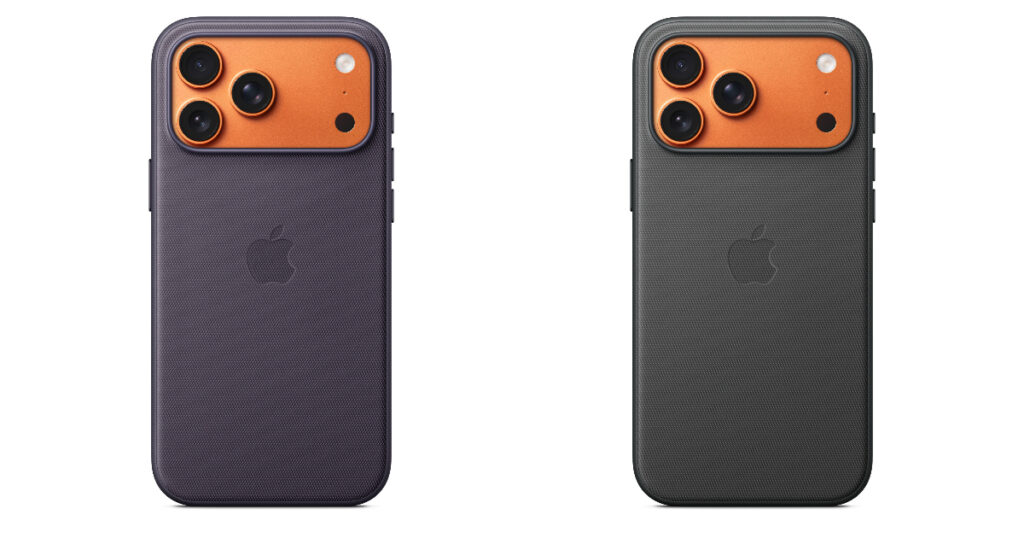
In an era where technology and sustainability are increasingly intertwined, a peculiar trend has begun to bloom—quite literally. The humble cactus, a symbol of resilience in arid landscapes, is now making its way into the sleek, high-tech world of phone accessories. No longer confined to desert horizons, this spiky succulent is being transformed into phone cases that promise both style and eco-consciousness. But why cacti? What is it about these desert dwellers that has captivated the tech industry, and what deeper narratives does this fascination reveal about our relationship with nature and innovation?
The Allure of the Unlikely: Why Cactus Leather in Tech Accessories?
The marriage of cactus leather and tech accessories is more than a fleeting trend—it’s a statement. Traditional phone cases, often crafted from synthetic materials like plastic or polyurethane, contribute to environmental degradation. Enter cactus leather, a vegan alternative derived from the nopal cactus. This material is not only biodegradable but also requires minimal water and no harmful chemicals in its production. The result? A phone case that feels as good in your hand as it does for the planet.
Yet, the appeal extends beyond mere eco-friendliness. Cactus leather possesses a tactile quality that synthetic materials often lack. Its grainy texture and subtle sheen give it a tactile richness, almost as if the desert itself has been distilled into a handheld object. This sensory experience elevates the mundane act of holding a phone into something more intentional, more connected to the natural world.
Sustainability Meets Style: The Dual Promise of Cactus Cases
In a market saturated with mass-produced accessories, cactus leather phone cases offer a refreshing alternative. They are not just functional; they are a conversation starter. The earthy tones—ranging from muted greens to warm tans—complement a variety of aesthetics, from minimalist to bohemian. Brands leveraging this material often emphasize its cruelty-free origins, appealing to consumers who prioritize ethical consumption without sacrificing style.
But the dual promise of sustainability and style is not without its complexities. While cactus leather is undeniably more sustainable than traditional materials, its production is still in its infancy. Scaling up to meet global demand presents challenges, from sourcing to manufacturing. Yet, the very existence of these cases signals a shift in consumer consciousness, where the act of purchasing is no longer divorced from environmental responsibility.
The Symbolism of the Cactus: Resilience in a Fragile World
The cactus is more than a plant; it is a metaphor. In folklore and modern symbolism, it represents endurance, adaptability, and the ability to thrive in adversity. By incorporating cactus leather into tech accessories, brands are tapping into this rich tapestry of meaning. A phone case made from cactus leather is not just a protective shell; it is a talisman, a reminder of resilience in a world where technology often feels fragile and disposable.
This symbolism resonates deeply in an age where electronic waste is a growing crisis. The average smartphone user replaces their device every two to three years, contributing to a mountain of discarded electronics. Cactus leather cases, with their biodegradable nature, offer a small but meaningful counterpoint to this cycle of consumption. They invite us to reconsider our relationship with technology—not as something to be discarded, but as something to be cherished and, ultimately, returned to the earth.
Consumer Psychology: The Fascination with Nature-Inspired Tech
Why are consumers drawn to cactus-inspired tech accessories? The answer lies in a psychological phenomenon known as biophilia—the innate human tendency to seek connections with nature. In an increasingly digital world, where screens dominate our attention, there is a growing yearning for tactile, organic experiences. Cactus leather phone cases satisfy this craving by bringing a piece of the natural world into our daily lives.
Moreover, the act of choosing a cactus leather case can be seen as a form of quiet rebellion against the homogeneity of mass-produced tech accessories. It’s a way to personalize one’s device while making a statement about values. In a culture that often prioritizes convenience over conscience, these cases offer a subtle yet powerful form of self-expression.
The Future of Cactus in Tech: Beyond Phone Cases
The influence of cactus leather is not limited to phone cases. Designers and innovators are exploring its potential in other tech accessories, from laptop sleeves to watch straps. This expansion reflects a broader trend in sustainable design, where materials once considered niche are being reimagined for mainstream applications. The cactus, it seems, is just the beginning.
As technology continues to evolve, so too will our relationship with the materials that shape it. Cactus leather represents a bridge between the natural and the artificial, offering a glimpse into a future where innovation and sustainability are not mutually exclusive. It challenges us to ask: What other unexpected materials could redefine the tech industry? And how might these choices reshape our perception of technology itself?
Conclusion: A Thorny Path to a Greener Future
The rise of cactus leather in tech accessories is more than a trend—it’s a cultural shift. It reflects a growing awareness of our environmental footprint and a desire to align our consumption habits with our values. Yet, it also invites us to reflect on the deeper narratives at play: the symbolism of resilience, the allure of nature-inspired design, and the quiet rebellion of choosing sustainability in a disposable world.
As we hold our phones, encased in the spiky embrace of a cactus, we are reminded that even in the most unexpected places, nature finds a way to thrive. And perhaps, in doing so, it offers us a path forward—one that is as thoughtful as it is innovative.
FAQ
What is cactus leather and why is it used in phone cases?
Cactus leather is a sustainable, vegan material made from the nopal cactus. It is used in phone cases as an eco-friendly alternative to synthetic materials, offering biodegradability, minimal water usage, and cruelty-free production.
How does cactus leather phone cases benefit the environment?
They reduce reliance on plastic and synthetic materials, lower water consumption during production, and are biodegradable, which helps reduce electronic accessory waste and environmental degradation.
Are cactus leather phone cases durable and stylish?
Yes, cactus leather offers a unique grainy texture with subtle sheen, providing both tactile appeal and aesthetic versatility, making it a fashionable and durable choice for phone cases.
Can cactus leather be used in other tech accessories?
Yes, designers are expanding the use of cactus leather to other tech accessories like laptop sleeves and watch straps, reflecting a broader trend toward sustainable design in technology.



Leave a Reply