
Short Answer
In the vast, sun-scorched tapestry of the desert, where life clings to existence with tenacious grace, the Rebutia cactus stands as a regal sentinel. Its name, derived from the French botanist Paul Rebut, belies the majesty it embodies—a crown of thorns, a diadem of resilience, a silent monarch of the arid realms. This unassuming succulent, often dwarfed by its more flamboyant cousins, is a masterclass in understated elegance, its spherical form a perfect orb of botanical sovereignty. To gaze upon a Rebutia is to witness the paradox of fragility and fortitude, a living emblem of nature’s ability to crown even the humblest of beings with an aura of quiet authority.
The Crown’s Anatomy: A Study in Botanical Sovereignty
The Rebutia cactus, with its globular silhouette, is a geometric marvel—a near-perfect sphere that seems plucked from the vaults of celestial design. Its ribs, often spiraled in a Fibonacci sequence, coil like the grooves of an ancient scroll, each segment a testament to the mathematical precision of growth. The spines, delicate yet formidable, radiate outward in a radial symmetry that mimics the rays of a crown’s diadem, their translucent tips catching the light like scattered diamonds. Even the flowers, bursting forth in a riot of color—scarlet, violet, or golden—are not mere adornments but declarations of vitality, each petal a jewel in the cactus’s regalia.
What makes the Rebutia’s crown truly extraordinary is its adaptability. Unlike the towering saguaros that pierce the desert sky, this cactus thrives in the crevices of rocks, the cracks of cliffs, where few other plants dare to venture. Its compact form is not a limitation but a strategic advantage, allowing it to conserve water with monastic discipline while still unfurling its floral finery in defiance of the harshest conditions. In this way, the Rebutia embodies the paradox of the crown: a symbol of both opulence and austerity, a crown that does not weigh down its wearer but instead elevates it.
The Symbolism of the Crown: From Myth to Modernity
Throughout history, the crown has been a potent emblem—of power, of divinity, of the unbroken cycle of life and death. In ancient Egypt, the double crown of Upper and Lower Egypt signified the unification of a fractured land; in medieval Europe, the jeweled circlet was the physical manifestation of a monarch’s divine right. Yet the Rebutia’s crown is different. It is not wrought from gold or silver but from the raw materials of the earth itself: spines of keratin, ribs of cellulose, flowers of ephemeral beauty. It is a crown that does not demand obedience but earns reverence through sheer persistence.
In the language of symbolism, the crown often represents authority, but the Rebutia’s authority is not one of conquest. Instead, it is the authority of endurance. It does not rule over others but rules over its own fate, thriving where others wither. This makes it a potent metaphor for resilience in the modern world, where the pressures of life can feel as relentless as the desert sun. To cultivate a Rebutia is to invite a piece of this quiet strength into your home—a reminder that even the smallest beings can wear the weight of the world with grace.
The Rebutia’s Royal Court: Companions in Miniature Gardens
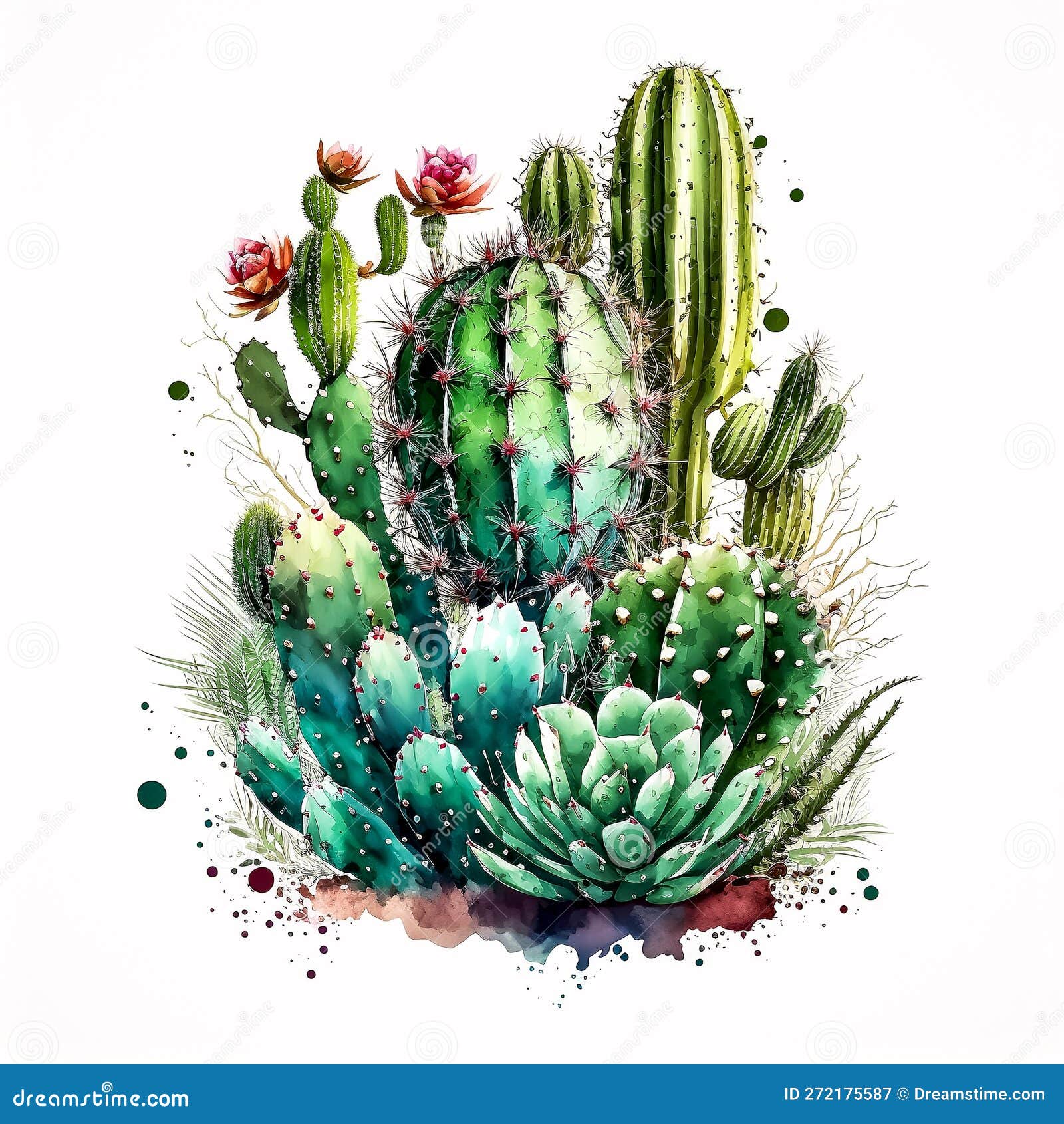
No monarch rules alone, and the Rebutia is no exception. In the microcosm of a terrarium or the carefully curated expanse of a succulent collection, it finds its royal court. Pair it with other diminutive cacti, such as the Gymnocalycium or the tiny Echeveria, and you create a miniature kingdom where each plant plays a role in the grand design. The Rebutia, with its central position, becomes the sovereign, while its companions act as courtiers—some trailing, some clustering, all contributing to the tableau of botanical nobility.
Consider the contrast between the Rebutia and its neighbors. Where the Rebutia is spherical and contained, the Echeveria unfurls in rosettes like the petals of a lotus, its leaves fleshy and succulent. The Gymnocalycium, with its ribbed texture, echoes the Rebutia’s form but in a more subdued palette. Together, they create a visual harmony, a living mosaic where each piece complements the others. This is the art of the miniature garden: not just a collection of plants, but a carefully orchestrated symphony of shapes, colors, and textures, with the Rebutia as its undisputed maestro.
The Floral Coronation: A Burst of Regal Color
Few sights in the plant kingdom are as breathtaking as a Rebutia in full bloom. The flowers, which emerge from the crown of the cactus, are not merely decorative—they are a declaration. In hues of fiery orange, deep magenta, or pristine white, they unfurl like the banners of a victorious army, each petal a proclamation of life’s triumph over adversity. The timing of the bloom is often a surprise, a sudden revelation in the otherwise monotonous green of the cactus’s body. It is as if the Rebutia, in its wisdom, knows that true majesty is not constant but revealed in moments of unexpected brilliance.
The flowers of the Rebutia are also a study in contrast. Their delicate petals belie the toughness of the plant that bears them, a reminder that even the most fragile-seeming things can possess an inner strength. This duality is central to the cactus’s appeal. It is a plant that wears its crown lightly, its beauty not in grandeur but in the quiet confidence of its existence. To witness a Rebutia in bloom is to understand that royalty is not about the size of one’s domain but the depth of one’s character.
Cultivating a Crown: Care and Reverence for the Rebutia
To grow a Rebutia is to engage in an act of quiet reverence. This is not a plant that demands constant attention, but one that thrives on neglect—or rather, on the kind of attentive neglect that mimics the conditions of its native habitat. It requires well-draining soil, a pot with ample drainage holes, and a location where it can bask in sunlight without being scorched. Water it sparingly, allowing the soil to dry completely between waterings, and you will be rewarded with a plant that grows slowly but surely, its crown expanding with each passing season.
The Rebutia is also a plant that rewards patience. It may take years for a young cactus to reach its full size, and even longer for it to produce its first flowers. But this is part of its charm. In a world that moves at breakneck speed, the Rebutia teaches the value of slow growth, of the beauty that comes from steady, unhurried progress. It is a lesson in humility, a reminder that even the most majestic crowns are not forged in a day.
The Rebutia in Culture: A Symbol Beyond the Desert
While the Rebutia may be a native of the Andes and the high deserts of South America, its symbolism transcends geography. In Japanese culture, the spherical form of the cactus is reminiscent of the *temari*, the traditional hand-wound balls used in decorative arts, symbols of unity and harmony. In Western esotericism, the crown chakra, the energy center associated with enlightenment and spiritual connection, is often depicted as a lotus or a circle of petals—forms that echo the Rebutia’s floral crown. Even in modern art, the cactus has become a motif of resilience, its spiny silhouette appearing in everything from tattoos to abstract paintings as a symbol of endurance in the face of adversity.
This global resonance speaks to the universal appeal of the Rebutia’s symbolism. It is a plant that does not belong to any one culture but to all who seek to find strength in adversity. Whether as a metaphor for personal growth, a reminder of nature’s ingenuity, or simply a stunning addition to a home garden, the Rebutia crowns its admirers with a sense of quiet wonder.
Conclusion: The Crown That Never Fades
The Rebutia cactus is more than a plant; it is a living emblem of the crown’s dual nature—both a symbol of authority and a testament to the power of resilience. Its spherical form, its spiraled ribs, its burst of floral color—all are elements of a botanical monarchy that does not rule through force but through grace. In a world that often equates size with importance, the Rebutia reminds us that true majesty lies in the details, in the slow unfurling of a flower, in the quiet expansion of a crown that never weighs down its wearer.
To grow a Rebutia is to wear a crown of your own—a crown of patience, of perseverance, of the unshakable belief that even the smallest beings can leave the largest impressions. And in the end, that may be the most regal symbolism of all.
FAQ
What is the symbolism behind the Rebutia cactus?
The Rebutia cactus symbolizes endurance and resilience, representing the ability to thrive in harsh conditions with quiet strength.
How should I care for a Rebutia cactus?
Provide well-draining soil, place the cactus in bright but indirect sunlight, and water sparingly, allowing the soil to dry out completely between waterings.
Where does the Rebutia cactus naturally grow?
It naturally grows in the high deserts and mountainous regions of the Andes in South America.
Can Rebutia be grown indoors in miniature gardens?
Yes, Rebutia thrives in miniature gardens and terrariums, especially when paired with other small succulents and cacti.



Leave a Reply