

Short Answer
In the verdant tapestry of the plant trade, where lush ferns and vibrant blooms often steal the spotlight, a quiet revolution is blooming—one rooted in resilience, adaptability, and an uncanny ability to thrive against the odds. Cacti, those stoic sentinels of arid landscapes, have long been dismissed as mere novelties for windowsills or forgettable gifts from well-meaning but misguided relatives. Yet, beneath their prickly exteriors lies a world of untapped potential, a goldmine of opportunity for the astute entrepreneur. The best cacti to sell for profit aren’t just survivors; they’re canny survivors, masters of minimalism whose allure extends far beyond their native deserts. This isn’t just a guide to profitable flora—it’s a manifesto for redefining what we value in the marketplace, where the unusual becomes the indispensable.
The Desert’s Silent Entrepreneurs: Why Cacti Are the Ultimate Low-Maintenance Luxuries
Picture this: a customer scrolling through endless rows of high-maintenance houseplants, each demanding meticulous care, precise humidity levels, and a near-religious devotion to watering schedules. Then, like a mirage in the digital desert, a cactus appears—thriving on neglect, flourishing under benign neglect, and demanding nothing more than a sliver of sunlight and the occasional nod of approval. This isn’t laziness; it’s genius. In an era where time is the new currency, cacti are the ultimate status symbols of effortless elegance. They whisper to the harried urbanite, “You don’t need to be a botanist to cultivate beauty.” For the small business owner, this translates to lower overhead costs, fewer customer complaints about wilting foliage, and a product that sells itself on sheer practicality. The cactus, it turns out, is the Trojan horse of the plant world—disarmingly simple on the surface, but packed with the potential to disrupt entire markets.
Spines and Stardom: The Most Marketable Cactus Genera for the Savvy Seller
Not all cacti are created equal in the eyes of the consumer. Some are mere novelties, while others command premium prices and cult followings. The genera that dominate the profitable end of the market share a few key traits: striking visual appeal, ease of propagation, and a narrative that resonates with modern sensibilities. Let’s dissect the top performers:
Echeveria: These rosette-forming succulents are the supermodels of the cactus world—photogenic, symmetrical, and endlessly Instagrammable. Their pastel hues and compact growth habit make them ideal for terrariums, wedding favors, and corporate gifting. Echeverias propagate like weeds, meaning bulk purchases can quickly turn into a thriving side hustle with minimal investment. Their popularity is no accident; they embody the modern aesthetic of “cute but low-effort,” a combination that’s irresistible to millennials and Gen Z consumers alike.
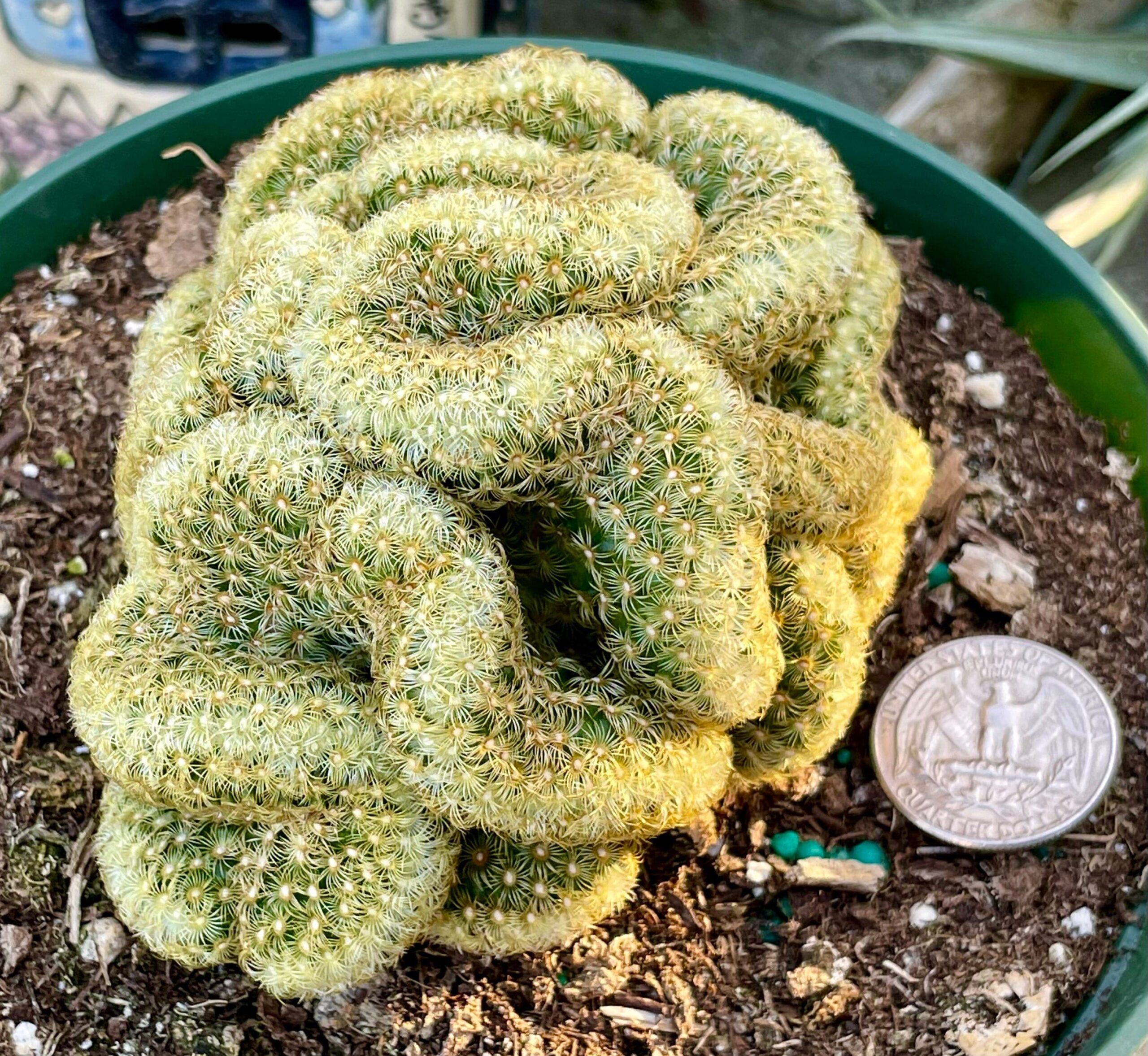
Mammillaria: Often overlooked in favor of their flashier cousins, Mammillarias are the unsung heroes of the cactus trade. Their dense clusters of spines and occasional bursts of vibrant flowers make them a favorite among collectors. What sets them apart is their adaptability—they thrive in both indoor and outdoor settings, making them a versatile addition to any inventory. Their modest price point belies their high perceived value; a well-curated selection of Mammillarias can turn a modest stall into a destination for enthusiasts.
Gymnocalycium: Nicknamed the “chin cactus” for their distinctive ribbed, rounded forms, Gymnocalyciums are the chameleons of the cactus world. They come in an astonishing array of colors, from deep purples to neon greens, and their slow growth rate makes them a long-term investment for sellers. Their rarity in mainstream markets gives them an air of exclusivity, a trait that’s gold in the plant trade. For the entrepreneur with an eye for niche markets, Gymnocalyciums are a gateway to a loyal, high-spending customer base.
Ferocactus: If you’re aiming for the high-end market, Ferocacti are your ticket. These barrel-shaped giants can live for decades, growing into statement pieces that command respect—and dollars. Their imposing presence makes them ideal for luxury interiors, boutique hotels, and high-end landscaping projects. While they require more space and patience, their ability to appreciate in value over time makes them a sound investment for the serious seller.
The Psychology of Prickles: Why Humans Are Hardwired to Love (and Buy) Cacti
There’s a deeper reason cacti sell so well, and it’s not just about their low maintenance. Humans have an innate fascination with the paradoxical—life thriving in the most inhospitable conditions. Cacti embody this contradiction: soft, fleshy interiors hidden beneath a fortress of spines. They’re a metaphor for resilience, a silent rebellion against the fragility of other plants. This psychological pull is amplified in an era of climate anxiety, where consumers are increasingly drawn to symbols of endurance. Selling a cactus isn’t just selling a plant; it’s selling a philosophy. It’s a way for buyers to signal their own toughness, their ability to thrive in a world that often feels overwhelming. The cactus becomes a talisman, a small but potent reminder that beauty doesn’t require coddling.
This fascination is further fueled by the rise of “plant parenthood” culture, where ownership of greenery is framed as an act of care and responsibility. Cacti subvert this narrative in the most delightful way—they require so little care that they become a low-stakes entry point into the world of plant ownership. For the first-time buyer, a cactus is a guilt-free indulgence; it’s impossible to overwater, and its survival is almost guaranteed. This makes it the perfect impulse purchase, the kind of transaction that turns a casual browser into a repeat customer.
From Greenhouse to Wallet: Scaling Your Cactus Business
Turning a cactus collection into a profitable enterprise requires more than just a keen eye for aesthetics—it demands strategic thinking. The first step is sourcing. While big-box stores might offer cheap, mass-produced cacti, the real money lies in sourcing rare or variegated specimens. This could mean attending plant swaps, networking with local growers, or even importing directly from countries with rich cactus biodiversity, like Mexico or Argentina. The key is to build relationships with suppliers who can provide consistent, high-quality stock.
Next comes branding. The most successful cactus sellers don’t just sell plants; they sell an experience. This could mean packaging cacti in minimalist, eco-friendly containers, or offering them as part of a “desert oasis” gift set complete with decorative stones and care instructions. The packaging itself becomes part of the product’s allure, transforming a simple plant into a curated lifestyle choice. Social media is another critical tool—platforms like TikTok and Instagram thrive on the visual appeal of cacti, and a well-timed video of a rare Gymnocalycium blooming can go viral overnight, driving traffic to your store.
Finally, diversification is key. While cacti are the star of the show, pairing them with complementary products—like succulent soil mixes, decorative pots, or even cactus-themed art—can significantly boost your average sale. Consider offering workshops on cactus care or hosting “adopt-a-cactus” events where customers can name their new plant. These add-ons not only increase revenue but also foster a sense of community around your brand, turning one-time buyers into lifelong advocates.
The Future of Cactus Commerce: Trends to Watch
The cactus market is evolving, and the entrepreneurs who stay ahead of the curve will reap the rewards. One emerging trend is the rise of “cactus cafes” and “succulent bars,” where plants are sold alongside coffee or cocktails, blending the worlds of hospitality and horticulture. Another is the growing demand for drought-resistant landscaping solutions, which positions cacti as not just indoor decor but outdoor investments. Additionally, the intersection of cacti and technology is creating new opportunities—imagine a smart pot that monitors soil moisture for your customers, or AR apps that let buyers visualize how a cactus will look in their space before purchasing.
Sustainability is also becoming a non-negotiable factor for modern consumers. Ethical sourcing, organic growing practices, and plastic-free packaging are no longer optional—they’re expected. The cactus seller who can prove their plants are grown responsibly will stand out in a crowded market. This might mean investing in renewable energy for your greenhouse or partnering with conservation organizations to ensure your stock isn’t contributing to the illegal plant trade.
Ultimately, the cactus trade is more than a niche—it’s a movement. It’s a rebellion against the high-maintenance, high-stress world of modern living, a celebration of the underdog, and a testament to the idea that beauty doesn’t have to be fragile. For the entrepreneur willing to embrace this philosophy, the rewards are as abundant as the spines are few. The desert, it turns out, is not a place of scarcity but of opportunity—if you know where to look.
FAQ
What are the most profitable cacti to sell?
The most profitable cacti include Echeveria, Mammillaria, Gymnocalycium, and Ferocactus.
Why are cacti popular among consumers?
Cacti are low-maintenance and symbolize resilience, making them appealing to busy urbanites.



Leave a Reply