
Short Answer
There’s something almost alchemical about watching a seed—this tiny, unassuming vessel of potential—split open to reveal the first tender tendrils of a new life. For those who have ever cradled a cactus in their palms, the Ariocarpus genus holds a particular allure. These slow-growing, sculptural marvels of the desert seem to defy time itself, their geometric forms emerging from the earth like ancient relics of a forgotten world. Yet, propagating them from seed is not merely a horticultural exercise; it’s a dialogue with patience, a testament to the quiet resilience of life in the harshest of environments. If you’ve ever marveled at a mature Ariocarpus—its star-like rosette of tubercles, its almost alien beauty—and wondered how such a creature could be coaxed from a speck of dust, this guide is for you.
The Allure of the Ariocarpus: Why These Cacti Captivate Us
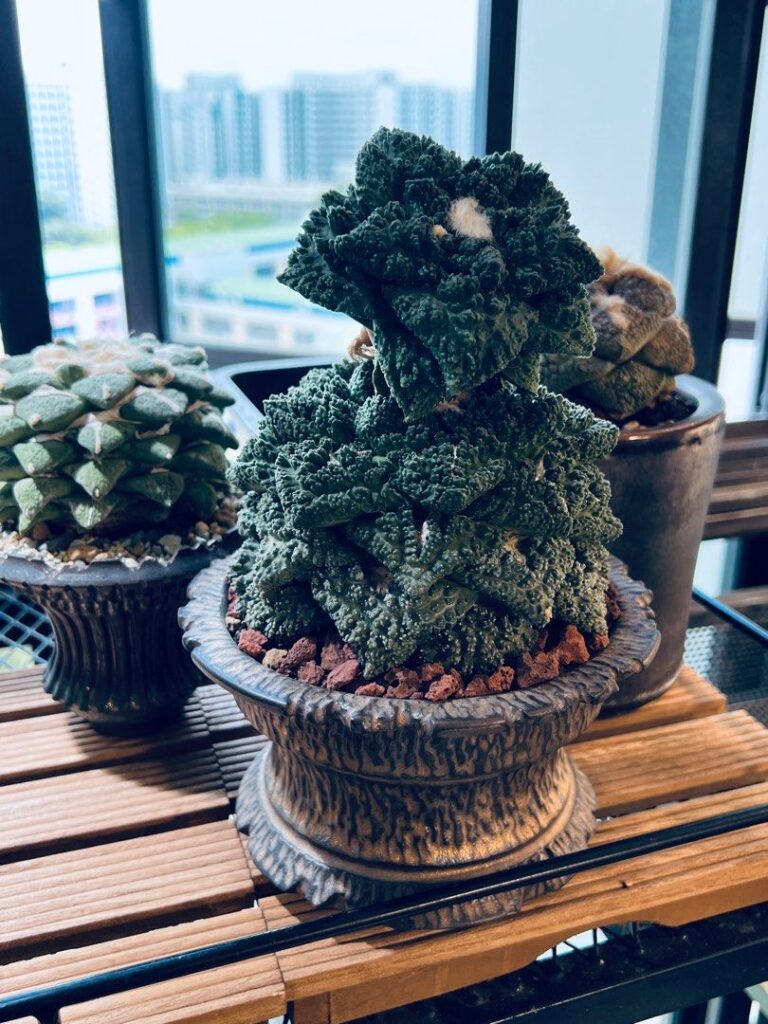
Before we delve into the mechanics of propagation, it’s worth pausing to consider why Ariocarpus species command such devotion. These cacti, native to the arid landscapes of Mexico and Texas, are not your typical spiny sentinels of the desert. Their lack of prominent spines and their flattened, almost sculpted forms give them an air of quiet sophistication. They are the introverts of the cactus world—unassuming on the surface, but rich with hidden complexity. Their slow growth is not a flaw but a survival strategy, a way to conserve energy in an environment where water is a fickle guest. This very slowness, however, is what makes them so fascinating to cultivate. To propagate Ariocarpus from seed is to enter into a long-term relationship with time itself, a commitment to nurturing something that may take years to reveal its full splendor.
Gathering Your Arsenal: Essential Supplies for Success
Propagation is not a casual endeavor; it demands preparation. Begin with a sterile, well-draining substrate—think of it as the cradle for your future cactus. A mix of coarse sand, perlite, and a smattering of peat moss or coconut coir will mimic the gritty, mineral-rich soils of their native habitats. The container is equally critical: shallow trays or small pots with ample drainage holes prevent the dreaded waterlogging, which is the death knell for tender seedlings. A spray bottle filled with distilled or rainwater will be your tool of gentle persuasion, allowing you to mist without disturbing the delicate seeds. And, of course, you’ll need the seeds themselves—fresh, if possible, as their viability diminishes with age. Handle them with the reverence of a collector, for each one is a promise of what’s to come.

The Art of Sowing: A Delicate Dance with Gravity and Light
Timing is everything. Sow your Ariocarpus seeds in the late winter or early spring, when the days are lengthening and the sun’s warmth is a gentle nudge rather than a scorching demand. Scatter the seeds across the surface of your prepared medium, resisting the urge to bury them—these cacti are not fond of deep planting. A light dusting of fine grit or sand can help anchor them, but avoid compacting the soil. The key here is to replicate the natural conditions where seeds would lie exposed, waiting for the rare desert rains to coax them into life. Once sown, place the container in a location with bright, indirect light. Direct sun is a foe at this stage; it can desiccate the seeds before they’ve had a chance to germinate. Cover the tray with a clear lid or plastic wrap to create a humid microclimate, but ensure it’s not airtight—these seeds need to breathe, even as they dream of sprouting.
Patience in the Waiting: The Germination Gauntlet
Here is where the true test begins. Ariocarpus seeds are notorious for their erratic germination times, which can stretch from a few weeks to several months. This is not a flaw but a survival mechanism, a way to ensure that at least some seeds will sprout when conditions are favorable. Maintain consistent moisture—never soggy, always damp—and keep the temperature stable, ideally between 70°F and 80°F (21°C to 27°C). A heat mat can be a game-changer, especially in cooler climates, as it mimics the warming embrace of the desert sun. Resist the urge to prod or poke at the seeds. Germination is a clandestine affair, unfolding in the quiet dark beneath the soil’s surface. When the first signs appear—tiny, red-tipped spears pushing through the substrate—celebrate silently. You’ve just witnessed the first act of a very long play.
Nurturing the Tender Sprouts: From Fragility to Fortitude
The seedlings that emerge will be the epitome of vulnerability. Their initial growth is a slow, almost hesitant unfurling, like a newborn stretching after a long sleep. For the first few months, they will resemble nothing so much as tiny, green pebbles, their tubercles barely discernible. This is the stage where many well-intentioned growers make the fatal mistake of overwatering or overcrowding. Space them out if necessary, and always err on the side of underwatering. These seedlings are not yet equipped to handle excess moisture; their roots are still learning to navigate the soil. A diluted, balanced fertilizer applied sparingly every few months can provide a gentle nutritional boost, but avoid the temptation to overfeed. Ariocarpus thrive on scarcity, and their early years are a lesson in restraint.
The Slow Ascent: Transplanting and Long-Term Care
As the seedlings mature, their tubercles will begin to take on the distinctive shapes that define the Ariocarpus genus. This is the moment to consider their forever home—a pot that offers just enough room for growth without drowning them in excess soil. Terracotta pots are ideal, as their porous nature helps wick away moisture and prevents rot. Repotting should be done with the utmost care, as Ariocarpus detest disturbance. Gently lift the seedling, cradling the root ball, and nestle it into its new vessel with fresh, gritty soil. Water lightly after transplanting, then resume your patient watering schedule. These cacti are not in a hurry. They will reward your restraint with a slow, steady expansion, their forms becoming more defined with each passing year. Expect to wait three to five years before your Ariocarpus begins to resemble the mature specimens you’ve admired in collections.
Troubleshooting the Unseen: Common Pitfalls and Their Remedies
Even the most meticulous grower will encounter setbacks. Etiolation—those elongated, pale stems stretching toward the light—is a cry for more illumination. Move your plant to a brighter location, but introduce it to direct sun gradually to avoid sunburn. Conversely, a soft, mushy base is a sign of rot, often stemming from overwatering or poor drainage. If caught early, you may be able to save the plant by trimming away the affected tissue and repotting it in fresh, dry soil. Pests, though rare, can also pose a threat. Mealybugs and spider mites are the usual suspects, but a cotton swab dipped in rubbing alcohol can dispatch them without harming your cactus. The key is observation. Ariocarpus may be slow to grow, but they are not silent. They will tell you what they need if you learn to listen.
The Reward: A Legacy of Patience and Perseverance
To propagate Ariocarpus from seed is to engage in an act of quiet rebellion against the fast-paced world. In an era where instant gratification is the norm, these cacti demand a different kind of investment—one of time, attention, and unwavering faith in the unseen. Yet, there is no greater joy than watching a seed you nurtured from its infancy grow into a plant that bears the unmistakable stamp of the wild. Each Ariocarpus becomes a living testament to the power of patience, a reminder that some of the most extraordinary things in life cannot be rushed. And when, years from now, you cradle a mature specimen in your hands, you’ll understand why this journey was worth every careful watering, every cautious repotting, every moment of waiting. This is not just gardening. It’s alchemy.
FAQ
What is the best time to propagate Ariocarpus from seed?
The best time to propagate Ariocarpus from seed is in late winter or early spring, when the days are lengthening and temperatures are favorable for germination.
What type of soil is best for sowing Ariocarpus seeds?
A well-draining substrate, such as a mix of coarse sand, perlite, and peat moss or coconut coir, is ideal for sowing Ariocarpus seeds.
How long does it take for Ariocarpus seeds to germinate?
Germination times for Ariocarpus seeds can vary widely, stretching from a few weeks to several months due to their erratic germination patterns.
What are common mistakes to avoid when propagating Ariocarpus?
Common mistakes include overwatering, overcrowding seedlings, and not providing adequate light. It's crucial to maintain consistent moisture without making the soil soggy.
Leave a Reply