
Short Answer
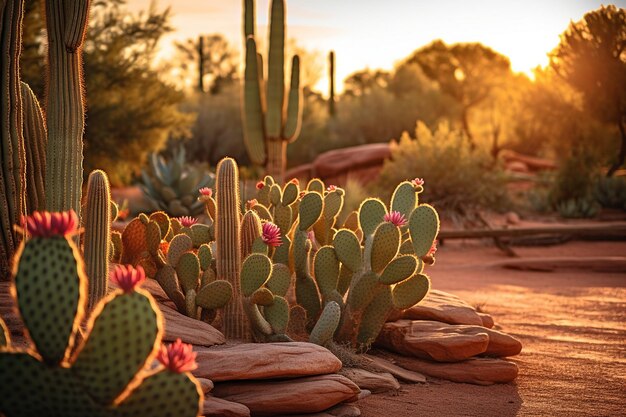
The sight of a lone Echinocactus grusonii, its golden spines radiating like a miniature sun, standing defiantly against the encroaching desert, is a poignant reminder of nature’s resilience—and fragility. These barrel cacti, often called “mother-in-law’s cushion” for their prickly exterior, have long captivated botanists and casual observers alike. Yet beneath their stoic appearance lies a story of survival, adaptation, and, increasingly, desperation. Habitat loss, a silent but relentless force, is reshaping the landscapes these cacti call home, threatening their existence in ways both obvious and insidious. To understand the full impact of this loss, we must delve into the intricate web of ecological, economic, and cultural factors that intertwine to push these iconic plants toward the brink.
The Vanishing Oases: How Urbanization and Agriculture Carve Up Desert Realms
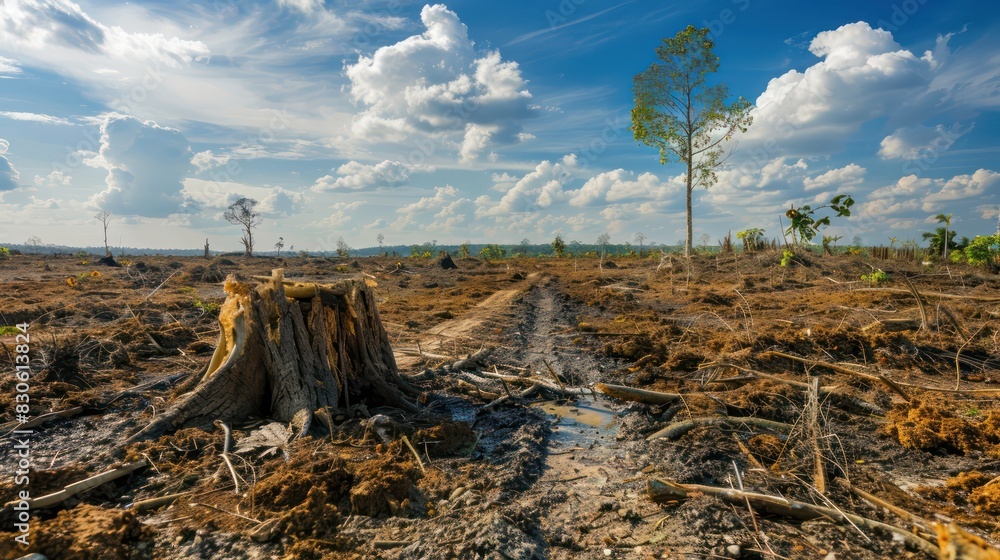
Picture the Sonoran Desert at dawn, where the air shimmers with heat and the earth crackles underfoot. Here, Echinocactus populations once thrived in vast, undisturbed stretches of arid land, their roots delving deep into the parched soil to tap into ancient aquifers. But the relentless march of urbanization and industrial agriculture has fractured these habitats into isolated fragments, like islands adrift in a sea of concrete and monoculture fields. Roads, housing developments, and sprawling solar farms slice through once-contiguous landscapes, severing the delicate connections between cacti and their pollinators. The once-fluid migration routes of bats and bees, essential for the cacti’s reproduction, are now interrupted by barriers that were nonexistent a century ago.
Consider the case of the Echinocactus grusonii in the Chihuahuan Desert, where vast tracts of land have been converted into alfalfa fields to feed livestock. The deep plowing and irrigation required for such agriculture deplete groundwater reserves, leaving the cacti to wither in soils that can no longer sustain them. Even when these plants survive the immediate physical destruction, the long-term desiccation of their environment ensures that their offspring will face an increasingly hostile world. The irony is stark: the very industries that rely on the desert’s harsh beauty are the ones erasing it, one furrow at a time.
The Shadow of Climate Change: A Double-Edged Sword for Desert Flora
Climate change is not a distant threat; it is a present-day reality that amplifies the pressures on Echinocactus populations. Rising temperatures and prolonged droughts, hallmarks of our warming planet, stress these plants in ways that are both physiological and ecological. A cactus’s ability to store water is legendary, but even the most resilient species have their limits. When rainfall becomes erratic and temperatures soar beyond their tolerance, the cacti’s metabolic processes falter. Photosynthesis slows, growth stalls, and reproduction becomes a gamble rather than a certainty.
Yet climate change is a double-edged sword. While it exacerbates habitat loss through prolonged aridity, it also alters the delicate balance of desert ecosystems in subtler ways. For instance, the encroachment of invasive grasses, fueled by warmer winters and increased CO₂ levels, transforms the desert floor into a tinderbox. Wildfires, once rare in these landscapes, now rage with alarming frequency, incinerating centuries-old cacti in a single, merciless blaze. The Echinocactus, adapted to survive in a world of scarcity, finds itself ill-equipped to face this new era of abundance—abundance in the form of flames that consume rather than nourish.
The Unseen Victims: Pollinators and the Fragile Chain of Life
To truly grasp the impact of habitat loss on Echinocactus populations, we must zoom out beyond the cacti themselves and examine the intricate relationships that sustain them. Pollinators, the unsung heroes of desert ecosystems, are among the first casualties of fragmented habitats. Bats, bees, and even hummingbirds rely on vast, uninterrupted stretches of land to forage and nest. When these habitats shrink, so too do the populations of their pollinators. The consequences are dire for the Echinocactus, which depends on these creatures to transfer pollen between individuals, ensuring genetic diversity and reproductive success.
Take the lesser long-nosed bat, a nocturnal wanderer that flits between cacti in search of nectar. This bat is a keystone species, its movements dictating the fate of entire plant communities. Yet as desert landscapes are carved into isolated patches, the bats’ foraging routes become fragmented. They may find themselves unable to reach certain cacti, leaving some plants without pollinators and others over-pollinated. The result is a genetic bottleneck, where the offspring of a few surviving individuals dominate the gene pool, reducing the population’s resilience to future challenges. The Echinocactus, once a symbol of desert tenacity, becomes a victim of its own interconnectedness.
Cultural Erasure: When the Loss of Habitat Becomes the Loss of Identity
The story of Echinocactus habitat loss is not merely an ecological one; it is a cultural tragedy as well. For centuries, these cacti have been woven into the fabric of indigenous traditions, their spines used as tools, their flesh as medicine, and their presence as a marker of sacred lands. The Tohono O’odham people, for example, have long revered the Echinocactus grusonii, incorporating it into their creation stories and seasonal rituals. Yet as their ancestral lands are transformed by industrial agriculture and urban sprawl, the cultural knowledge tied to these plants is eroded, leaving behind a hollowed-out landscape that is as devoid of meaning as it is of biodiversity.
This cultural erasure extends beyond indigenous communities. The Echinocactus, with its striking appearance and slow-growing nature, has become a symbol of resilience in popular culture. It adorns postcards, tattoos, and even corporate logos, yet few pause to consider the real-world consequences of its dwindling populations. The disconnect between the cactus’s symbolic value and its ecological plight is a stark reminder of how easily we commodify nature while failing to protect it. When a species becomes a mere aesthetic, its survival is no longer a priority—only its image is.
Conservation in the Crosshairs: Can We Save the Desert’s Golden Giants?
Amidst this grim narrative, there is hope. Conservation efforts are underway to protect and restore Echinocactus habitats, but they face formidable challenges. Reintroducing these cacti into the wild is a painstaking process, requiring not just the planting of individuals but the restoration of entire ecosystems. Seed banks and tissue culture techniques are being employed to preserve genetic diversity, while legal protections are being strengthened to curb the most destructive land-use practices. Yet these efforts are often hamstrung by a lack of funding, political will, and public awareness.
The most effective conservation strategies are those that recognize the Echinocactus as more than just a plant—they treat it as a keystone species, a cultural icon, and a barometer of desert health. Community-led initiatives, such as those involving indigenous groups in habitat restoration, offer a promising path forward. By centering the voices of those who have long stewarded these lands, conservationists can ensure that their efforts are not just ecologically sound but culturally respectful as well. The goal is not merely to save the cactus but to restore the intricate web of life that once thrived around it.
The Ripple Effect: Why the Fate of Echinocactus Matters to Us All
At first glance, the decline of Echinocactus populations may seem like a niche concern, relevant only to desert ecologists and cactus enthusiasts. But the truth is far more profound. These cacti are sentinels, their struggles reflecting the broader crises facing our planet. They are indicators of habitat fragmentation, climate change, and cultural erosion—all issues that transcend the boundaries of the Sonoran Desert. When we lose the Echinocactus, we lose a piece of the desert’s soul, but we also lose a tangible reminder of what is at stake in our fight to preserve biodiversity.
The next time you see a barrel cactus in a garden or on a postcard, pause for a moment. Consider the journey it took to get there—the arid lands it left behind, the pollinators that may no longer reach it, the hands that may have uprooted it from its home. The Echinocactus is more than a plant; it is a living testament to the resilience of nature and the fragility of our own existence. To save it is to save a part of ourselves—a part that remembers the desert not as a resource to be exploited, but as a sanctuary to be cherished.
FAQ
What is Echinocactus?
Echinocactus is a genus of barrel cacti known for their distinctive shape and resilience in arid environments.
What are the main threats to Echinocactus populations?
The primary threats include habitat loss due to urbanization and agriculture, as well as climate change.
How does habitat loss affect Echinocactus?
Habitat loss disrupts the ecological relationships and pollination processes essential for the survival of Echinocactus.

Leave a Reply