

Short Answer
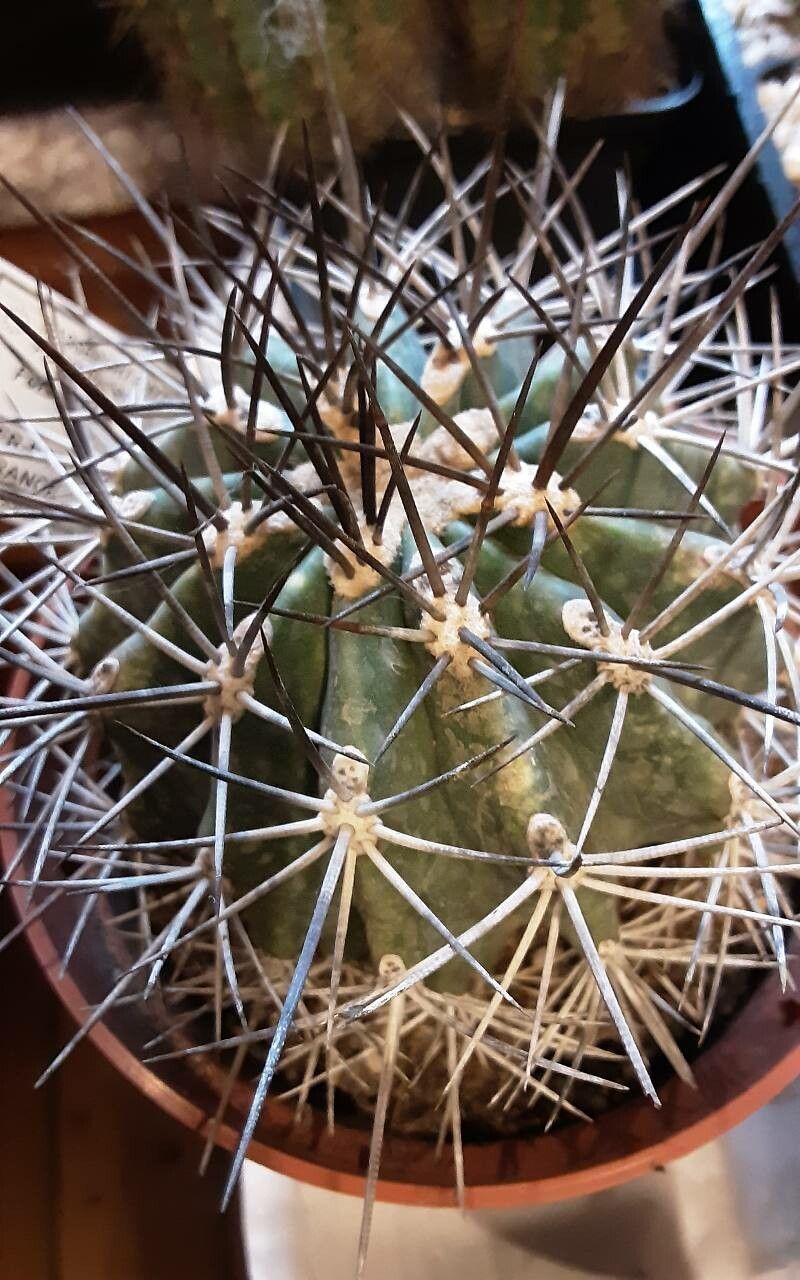
Imagine this: You’re standing in your sun-drenched windowsill, cradling a spiky, globe-shaped Ferocactus in your hands. Its ribs ripple like the armor of some prehistoric warrior, and you can’t help but wonder—could this botanical fortress be cloned? Could its formidable presence be duplicated without waiting for the slow, patient dance of time? The answer, dear plant whisperer, is both thrilling and frustratingly nuanced. Propagating Ferocactus from cuttings isn’t impossible, but it’s a bit like trying to teach a cactus to tap dance—technically doable, but you’ll need the right moves.
The Myth of the Effortless Clone: Why Ferocactus Plays Hard to Get
Let’s start with the elephant in the room—or rather, the cactus in the pot. Most cacti are propagated through offsets, seeds, or grafting, but Ferocactus? They’re the rebels of the propagation world. These barrel cacti, with their fierce spines and golden-yellow flowers, have evolved a stubborn streak. Their natural propagation method is slow and deliberate, favoring the tried-and-true route of seed germination. Why? Because in the wild, a Ferocactus doesn’t just sprout a new arm and call it a day. It waits for the perfect storm of conditions—moisture, warmth, and a dash of luck—to produce offspring that can survive the harsh desert.
Attempting to propagate a Ferocactus from a cutting is like asking a tortoise to sprint. The plant’s internal structure is designed to store water and nutrients, not to regenerate from a severed piece. Unlike its more pliable cousins, such as the Echeveria or Sedum, the Ferocactus lacks the cellular machinery to callus and root from a cutting. It’s not just a challenge—it’s a test of your patience and botanical intuition.
The Rare Exception: When a Ferocactus Might Say “Yes”
Before you abandon all hope, let’s talk about the exceptions. Yes, there are whispers among cactus enthusiasts of a Ferocactus that has, against all odds, rooted from a cutting. How? The key lies in the plant’s age and health. A young, vigorous Ferocactus with a fresh, unblemished stem might, just might, produce a callus if the conditions are impeccable. But—and this is a big but—even then, the chances of success are slimmer than a desert mirage.
The process begins with a clean cut, using a sterilized knife to remove a section of the stem. Let the wound dry and callus over for several days, as you would with any succulent propagation. Then, the real gamble: placing the cutting in a well-draining medium, like a mix of perlite and sand, and crossing your fingers. Keep the soil barely moist, not soggy, and provide bright, indirect light. If you’re lucky, roots might emerge after weeks or even months. But don’t hold your breath—this isn’t a guarantee, just a glimmer of possibility.
The Better Bet: Offsets and Seeds—Ferocactus’s True Love
If you’re serious about propagating Ferocactus, it’s time to ditch the cutting fantasy and embrace the plant’s natural rhythms. The most reliable method? Offsets, those tiny clones that sprout at the base of a mature Ferocactus. These offsets, or “pups,” are the plant’s way of saying, “Here, take a piece of me—just be gentle.” Gently twist or cut the pup from the parent, let it dry for a few days, and then pot it in a gritty, fast-draining mix. Within weeks, you’ll have a new Ferocactus ready to brave the world.
And then there’s the classic route: seeds. It’s slow, it’s tedious, but it’s the most rewarding way to grow a Ferocactus. Start with fresh seeds, sow them in a mix of sand and compost, and keep them warm and humid. Germination can take weeks or even months, but when those tiny green spears emerge, it’s like witnessing a miracle. Plus, growing from seed gives you a front-row seat to the plant’s entire lifecycle—from fragile seedling to stately barrel cactus.
The Environmental Tightrope: Getting the Conditions Just Right
Whether you’re attempting a cutting or nurturing an offset, the environment is your greatest ally—or your worst enemy. Ferocactus hails from the arid landscapes of the southwestern United States and Mexico, where the sun is relentless and the soil is parched. Replicating these conditions indoors is a delicate balancing act. Too much water? Root rot. Too little light? Etiolation, or the dreaded “leggy” growth. The ideal setup involves a south-facing window, a grow light for cloudy days, and a pot with drainage holes the size of a nickel.
Temperature is another critical factor. Ferocactus thrives in warm conditions, ideally between 70°F and 100°F (21°C–38°C) during the day. At night, a slight drop is fine, but anything below 50°F (10°C) can stunt growth or, worse, invite rot. Humidity should be low—think desert air, not tropical jungle. If your home is more “steamy bathroom” than “sunbaked canyon,” consider using a dehumidifier or placing your Ferocactus in a well-ventilated spot.
The Emotional Rollercoaster: Patience, Persistence, and the Occasional Heartbreak
Let’s be real: propagating Ferocactus is an emotional journey. One day, you’re full of hope, whispering sweet nothings to your cutting. The next, you’re staring at a mushy, blackened stem, wondering where it all went wrong. It’s the plant equivalent of a bad breakup—you know it’s not you, but it still stings. The key is to embrace the process, not the outcome. Celebrate the small victories: the first sign of a callus, the emergence of a root, the stubborn resilience of an offset that refuses to give up.
And remember, every Ferocactus master started somewhere. Maybe their first attempt ended in failure. Maybe they lost count of how many cuttings they sacrificed to the propagation gods. But they kept going. They learned. They adapted. And eventually, they succeeded—not because they were lucky, but because they understood that gardening is as much about the journey as it is about the destination.
Final Verdict: To Cut or Not to Cut?
So, can you propagate a Ferocactus from a cutting? Technically, yes. Realistically? Probably not. But that doesn’t mean you should abandon the quest. The true joy of growing Ferocactus lies in the challenge, the patience, and the occasional triumph. Whether you choose offsets, seeds, or the risky path of cuttings, you’re participating in a timeless tradition of nurturing life from life. And isn’t that what gardening is all about?
So go ahead—give it a try. Just don’t be surprised if your Ferocactus decides to keep its secrets to itself. After all, some plants are meant to be admired from afar, their mysteries left intact. And if you do succeed? Well, let’s just say you’ll have earned your green thumb stripes.
FAQ
Can Ferocactus be propagated from cuttings?
Yes, but it is challenging and not very reliable. Offsets and seeds are the preferred methods.
What conditions are ideal for propagating Ferocactus?
Warm temperatures, low humidity, and bright, indirect light are essential for successful propagation.



Leave a Reply