
Short Answer
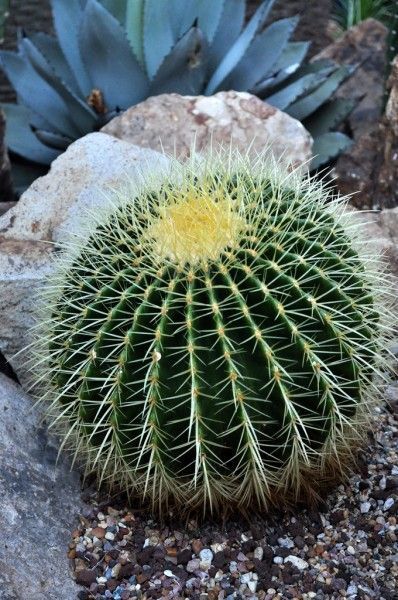
Imagine a fortress of resilience, a botanical bastion that thrives where others wither—a spiky sentinel of the desert, the Echinocactus. This cactus, often called the barrel cactus, is a marvel of nature’s tenacity, its ribbed, globular form a testament to survival in the harshest of climates. Growing Echinocactus from seed is not merely an act of horticulture; it is an odyssey of patience, precision, and passion. For those willing to embark on this journey, the rewards are as unique as the cactus itself—slow-growing but profoundly rewarding, a living sculpture that whispers tales of resilience with every sun-kissed spine. Let’s delve into the art and science of nurturing this desert gem from its most humble beginnings.
The Allure of the Echinocactus: Why This Cactus Captivates the Soul
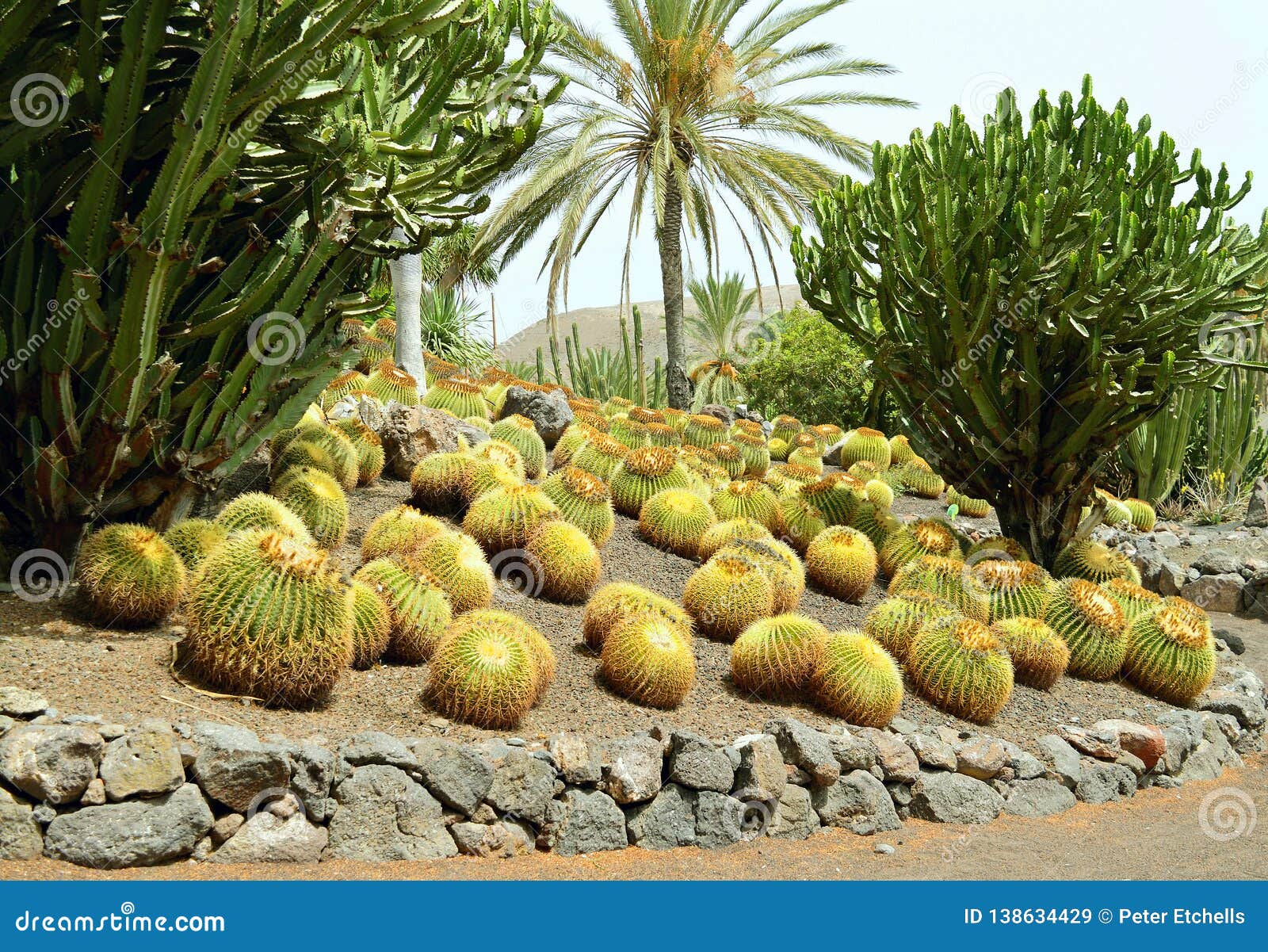
The Echinocactus is more than a plant; it is a symbol of endurance, a living paradox of softness and sharpness. Its spherical silhouette, adorned with golden spines that radiate like the rays of a miniature sun, evokes a sense of ancient wisdom. Native to the arid landscapes of Mexico and the southwestern United States, this cactus thrives in conditions that would spell doom for most flora. Its slow growth—sometimes taking decades to reach maturity—mirrors the patient unfolding of a great story, where every year adds a new chapter to its rugged chronicle. For the gardener, cultivating an Echinocactus from seed is akin to sculpting time itself, coaxing life from the most unlikely of origins. The appeal lies not in instant gratification but in the quiet triumph of nurturing a survivor, a botanical titan that will outlast generations of fleeting trends.
Choosing the Right Seeds: The Genesis of a Spiky Legacy
Not all Echinocactus seeds are created equal. The first step in your horticultural quest is selecting seeds that are fresh, viable, and ethically sourced. Look for reputable suppliers who specialize in desert flora, ensuring that the seeds have been harvested with care and stored in conditions that preserve their vitality. The seeds themselves are tiny, almost imperceptible specks, yet they carry within them the blueprint of a future fortress. Opt for seeds from mature, healthy parent plants, as their genetic lineage will influence the vigor of your seedlings. Remember, the journey begins long before the first sprout breaks the soil—it starts with the whisper of potential locked inside each seed.
Preparing the Germination Sanctuary: A Cradle of Controlled Chaos
Germination is where the magic begins, but it demands a delicate balance of conditions. The Echinocactus, a child of the desert, requires a mimicry of its native habitat to awaken. Start by selecting a well-draining medium—think of it as the cactus’s first home, a cozy yet unyielding cradle. A blend of coarse sand, perlite, and a smattering of peat moss creates the perfect substrate, allowing water to flow freely while preventing the dreaded rot that plagues overzealous watering. Sow the seeds on the surface of this medium, barely covering them with a whisper of soil, for light is often the catalyst that coaxes them from dormancy. A humidity dome or a lightly misted plastic wrap can recreate the moist, sheltered environment these seeds crave, but beware: too much moisture is the silent assassin of germination.
The Temperature Tango: Dancing with the Thermometer
Echinocactus seeds are finicky dancers, requiring a precise thermal waltz to awaken. They thrive in temperatures that hover between 70°F and 85°F (21°C to 29°C), a range that mimics the warmth of their native sunbaked soils. Too cold, and the seeds slumber indefinitely; too hot, and they may cook in their own potential. A seedling heat mat can be your ally here, providing a gentle, consistent warmth that encourages the seeds to stir from their slumber. Alternatively, a sunny windowsill can work wonders, but be mindful of drafts and temperature fluctuations that can disrupt this delicate dance. Patience is key—some seeds may take weeks to germinate, a test of will for the eager gardener.
Light: The Invisible Nurturer of Spines
Once the seeds have sprouted, they enter a new phase of their existence, one that demands light—not the dim glow of a distant lamp, but the full, unfiltered embrace of the sun. Echinocactus seedlings are phototropic, stretching eagerly toward the light like sun worshippers at dawn. Without adequate illumination, they become etiolated, their stems elongating in a desperate bid for brightness, leaving them weak and spindly. A south-facing window is ideal, but if nature’s bounty is scarce, supplement with a grow light, ensuring the seedlings receive 12 to 14 hours of light daily. Rotate the pots regularly to prevent the plants from leaning into a one-sided affair with the light source, a phenomenon known as phototropism.
Watering Wisdom: The Art of Restraint
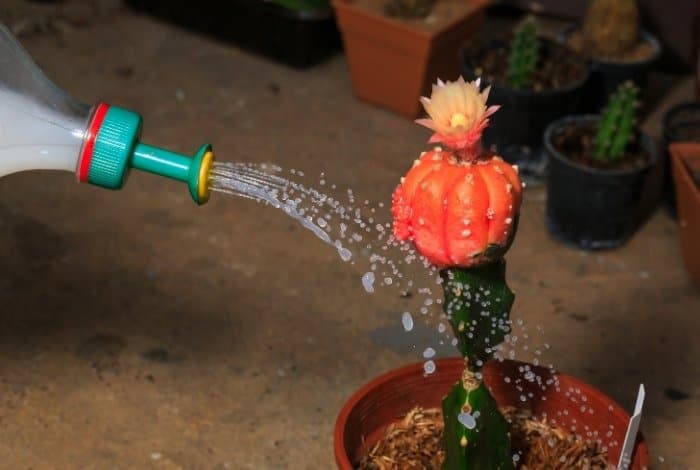
Water is both the elixir and the enemy of the Echinocactus seedling. While moisture is essential for germination, excess is a death sentence. The key lies in restraint—water sparingly, allowing the soil to dry out between waterings. Think of it as a desert rainstorm: brief, intense, and followed by a long, arid reprieve. Overwatering leads to fungal diseases and rot, a fate that befalls even the most well-intentioned caregivers. Instead, mist the soil lightly or water from below, allowing the roots to drink without drowning. As the seedlings mature, their water needs will evolve, but in these early stages, less is always more.
Transplanting with Tenderness: Uprooting the Fragile Titans
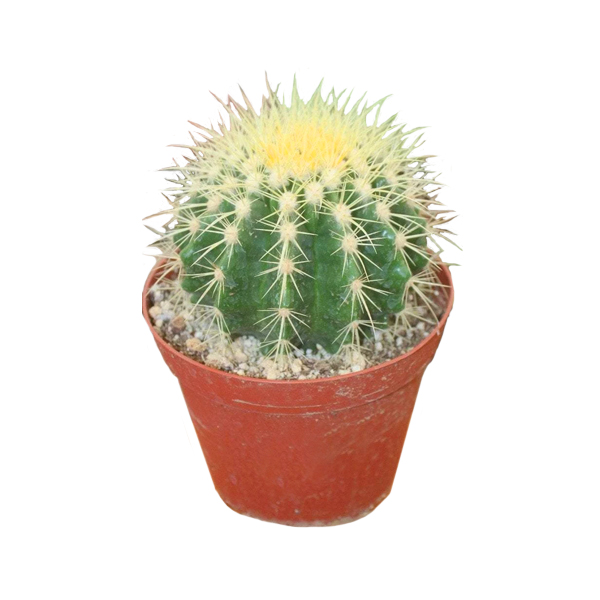
When the seedlings have grown sturdy enough to handle—typically when they’ve developed a few spines and a robust root system—it’s time to transplant them into their permanent homes. This process is delicate, a ballet of care and precision. Gently loosen the soil around the seedlings, lifting them with the tenderness of a parent cradling a newborn. Choose pots that are just large enough to accommodate their roots, for Echinocacti despise excess space, which can lead to soggy soil and root rot. A cactus-specific soil mix, amended with gritty materials like pumice or coarse sand, will provide the drainage they crave. Handle each seedling with the reverence of a curator unveiling a priceless artifact, for you are not just transplanting a plant—you are nurturing a legacy.
The Patience Paradox: Embracing the Slow Burn
Herein lies the true test of the Echinocactus gardener: patience. This cactus is not for those who seek instant gratification. It may take years for your seedlings to grow into full-fledged barrels, their ribs deepening with age like the lines of a wise elder. Resist the urge to over-fertilize or over-tend; the Echinocactus thrives on neglect, its slow growth a testament to its resilience. Instead, observe. Watch as the spines darken, as the ribs become more pronounced, as the cactus transforms from a fragile sprout into a stoic sentinel. The reward is not in the destination but in the journey—a journey that teaches the gardener the value of time, the beauty of restraint, and the quiet joy of watching life unfold at its own pace.
Conclusion: A Legacy of Spines and Resilience
Growing Echinocactus from seed is more than a horticultural endeavor; it is a philosophical pursuit, a meditation on the slow and steady triumph of life over adversity. Each spine that emerges, each rib that forms, is a chapter in a story of endurance. For those who undertake this journey, the Echinocactus becomes more than a plant—it becomes a companion, a living sculpture that embodies the spirit of the desert. So tend to your seeds with care, nurture them with patience, and watch as they grow into a testament to the power of resilience. In a world that often demands instant results, the Echinocactus reminds us that some of the most profound rewards come to those who are willing to wait.
FAQ
What is Echinocactus?
Echinocactus, commonly known as barrel cactus, is a resilient plant native to arid regions, known for its spiky appearance and slow growth.
How long does it take for Echinocactus seeds to germinate?
Germination can take several weeks to months, depending on the conditions provided.
What type of soil is best for Echinocactus seedlings?
A well-draining medium such as a mix of coarse sand, perlite, and peat moss is ideal.

Leave a Reply