
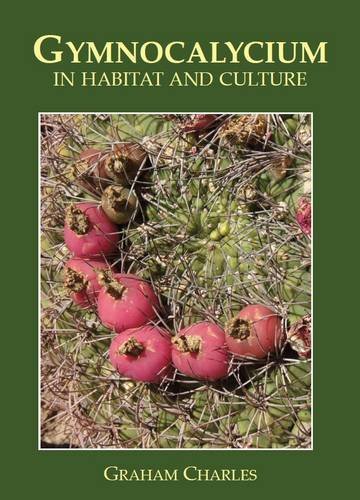
Short Answer
In the vast, sun-scorched expanses of South America’s arid landscapes, a silent tragedy unfolds. The Gymnocalycium, a genus of cacti renowned for their geometric elegance and resilient spirit, faces an existential crisis—one largely of our making. Habitat loss, a specter looming over countless species, has begun to etch its mark upon these botanical wonders. But what does this mean for the Gymnocalycium, and why should it matter to us? The answer lies not just in the delicate balance of ecosystems, but in the very essence of biodiversity’s fragility and our role within it.
The Vanishing Terrains: Where Have All the Cacti Gone?
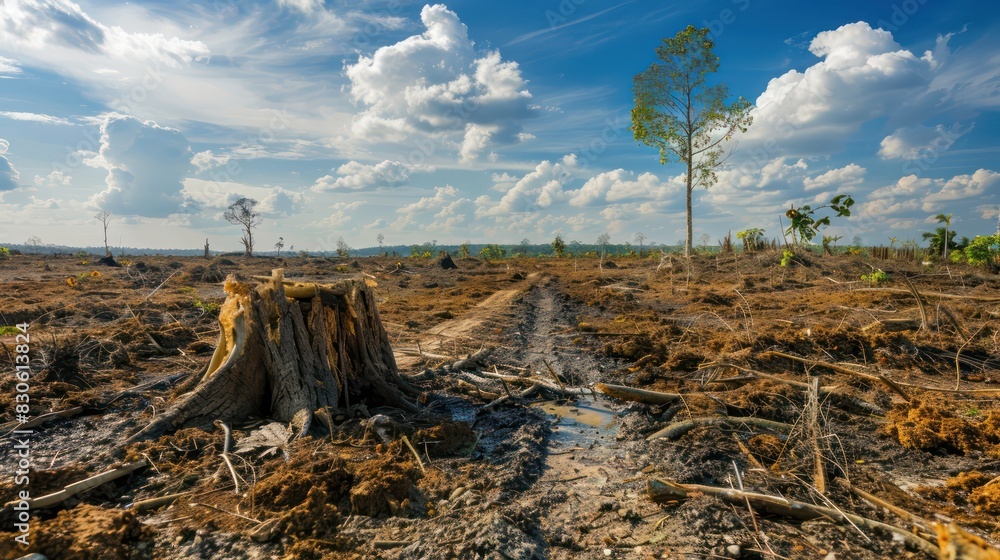
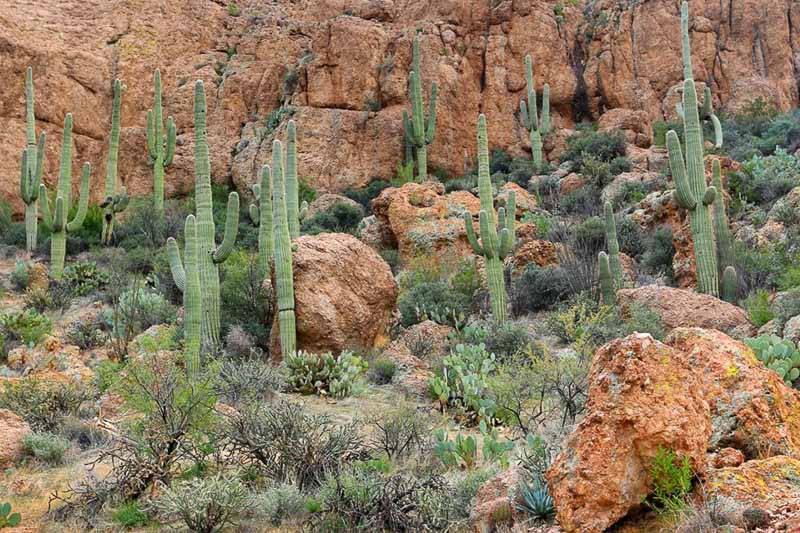
The Gymnocalycium, with its ribbed, spherical forms and vibrant blooms, is a master of adaptation. These cacti thrive in the harshest conditions—rocky outcrops, sun-baked plains, and the thin soils of high-altitude plateaus. Yet, their resilience is no match for the relentless march of human progress. Urban sprawl, agricultural expansion, and mining operations carve into their habitats like a surgeon’s scalpel, slicing through ecosystems with surgical precision. The once-vast stretches of land that cradled these cacti are now fragmented, leaving isolated pockets of survival in a sea of concrete and plowed fields.
Consider the irony: a plant that has endured millennia of climatic extremes now struggles to survive the fleeting ambitions of a single species. The Gymnocalycium’s story is not unique—it is a microcosm of a global crisis. Yet, its plight is a poignant reminder that even the most tenacious life forms can be undone by the cumulative weight of human activity. The question is no longer whether we can afford to protect these habitats, but whether we can afford not to.
Fragmentation’s Cruelty: The Silent Strangulation of Genetic Diversity
Habitat fragmentation is not merely a spatial issue—it is a genetic death sentence. When the vast, uninterrupted landscapes that once allowed Gymnocalycium populations to intermingle are shattered into isolated fragments, the consequences are dire. Pollinators, those tireless agents of genetic exchange, find their routes disrupted. Seeds, once carried by wind or animals across great distances, now struggle to traverse the concrete barriers that divide their world. The result? Inbreeding, a slow but inevitable erosion of genetic vitality.
Imagine a once-thriving population of Gymnocalycium, its members connected by an invisible thread of shared ancestry. Now, picture that thread fraying, snapping in places, until the population is reduced to a handful of isolated clusters. Each cluster, though genetically similar, lacks the diversity needed to adapt to changing conditions—droughts, pests, or even the subtle shifts in soil chemistry. Without intervention, these populations face a future of stagnation, their potential extinguished before it can ever be realized.
This is not just a loss for the cacti. It is a loss for science, for medicine, and for the very fabric of life on Earth. Who knows what biochemical treasures lie hidden within the Gymnocalycium’s tissues? What compounds might one day alleviate human suffering? The destruction of their habitats is not just an ecological tragedy—it is a scientific one, a theft from future generations.
The Domino Effect: How One Species’ Decline Ripples Through an Ecosystem
Ecosystems are not static; they are dynamic, interconnected webs of life where every species plays a role. The Gymnocalycium, though seemingly insignificant in the grand scheme, is a linchpin in its habitat. Its flowers, a nectar-rich bounty, attract pollinators like bees and butterflies, which in turn support a cascade of other species. Its fruits, when consumed by animals, disperse seeds across the landscape, ensuring the next generation of plants. Remove the Gymnocalycium, and the ripple effects are immediate and profound.
Take the example of the Andean foxes, which rely on the cacti’s fruits as a vital food source during lean seasons. Or the hummingbirds that depend on their blooms for sustenance. When the Gymnocalycium disappears, these species face starvation, their populations dwindling in tandem. The loss of a single plant can unravel an entire trophic structure, leaving behind a hollowed-out ecosystem that struggles to recover. This is the domino effect in action—a chain reaction of decline that begins with the disappearance of a cactus and ends with the collapse of an entire biome.
Yet, the tragedy is that we often fail to see these connections until it is too late. We focus on the charismatic megafauna—the jaguars, the condors, the elephants—while overlooking the quiet, unassuming species that hold the ecosystem together. The Gymnocalycium is not a poster child for conservation, but it is a keystone species, and its decline is a warning sign we ignore at our peril.
Climate Change’s Amplifying Role: A Double-Edged Sword
Habitat loss is not an isolated phenomenon; it is exacerbated by the creeping menace of climate change. Rising temperatures, shifting precipitation patterns, and the intensification of droughts all conspire to make survival even more precarious for the Gymnocalycium. These cacti, adapted to specific microclimates, find their niches shrinking as the climate becomes increasingly inhospitable. What was once a stable habitat is now a battleground—one where only the most adaptable can hope to survive.
Consider the Atacama Desert, one of the driest places on Earth, where Gymnocalycium species have evolved to thrive in near-total aridity. As temperatures rise and rainfall becomes even more erratic, these cacti face a double threat: their habitats are being destroyed from the outside in, while the climate itself becomes less forgiving. The result is a perfect storm of extinction pressures, one that could push even the hardiest species to the brink.
But here’s the paradox: while climate change accelerates habitat loss, habitat loss also accelerates climate change. The destruction of ecosystems like those that support the Gymnocalycium releases stored carbon into the atmosphere, fueling a vicious cycle of warming and degradation. It is a feedback loop with no winners—except, perhaps, the short-term profits of those who exploit the land without regard for its future.
Conservation in Action: Can We Save the Gymnocalycium?
The story of the Gymnocalycium is not yet written in stone. While the challenges are immense, so too are the opportunities for intervention. Conservation efforts, when approached with creativity and commitment, can turn the tide. Protected areas, carefully managed to preserve the cacti’s habitats, offer a lifeline. Reintroduction programs, where seeds or propagated plants are reintroduced into suitable environments, can help restore genetic diversity. Even community-led initiatives, where local populations are educated about the value of these cacti, can foster a sense of stewardship that transcends borders.
Yet, conservation is not a one-size-fits-all solution. The Gymnocalycium’s survival depends on a nuanced understanding of its ecology—its pollinators, its soil preferences, its interactions with other species. This is where science becomes our most powerful tool. By studying these cacti in their natural habitats, researchers can identify the most critical threats and develop targeted strategies for mitigation. It is a race against time, but one that is worth running.
But let’s be clear: conservation is not just about saving species. It is about saving ourselves. The Gymnocalycium is a symbol of resilience, a testament to life’s ability to endure even in the harshest conditions. If we cannot protect it, what hope do we have for the countless other species teetering on the edge of oblivion? The fate of the Gymnocalycium is a mirror held up to our own humanity—a challenge to ask ourselves what kind of world we want to leave behind.
A Call to Wonder: Why These Cacti Matter More Than You Think
There is a tendency, in our fast-paced world, to dismiss the loss of a plant species as trivial. After all, what is a cactus compared to the pressing concerns of human survival? But this is a shortsighted view. The Gymnocalycium is more than just a plant; it is a living archive of evolutionary history, a repository of genetic information that could one day hold the key to medical breakthroughs or agricultural innovations. It is a barometer of environmental health, a canary in the coal mine for the planet’s well-being.
Moreover, the Gymnocalycium is a teacher. It reminds us that life, in all its forms, is interconnected. That the loss of one species reverberates through the entire web of existence. That our actions have consequences, often far-reaching and unforeseen. In a world where we are increasingly disconnected from the natural world, the Gymnocalycium offers a chance to reconnect—to marvel at the intricate dance of life and to recognize our place within it.
So the next time you encounter a cactus, take a moment to appreciate it. Not just for its beauty, but for its story—for the silent struggles it endures, the resilience it embodies, and the lessons it teaches. The Gymnocalycium is not just a plant. It is a symbol of what we stand to lose if we continue to turn a blind eye to the destruction of our planet’s wild places. And it is a call to action—for curiosity, for stewardship, and for a future where both humans and cacti can thrive.
FAQ
What is Gymnocalycium?
Gymnocalycium is a genus of cacti known for their spherical shapes and vibrant flowers, native to South America.
How does habitat loss affect Gymnocalycium?
Habitat loss leads to fragmentation, reducing genetic diversity and making these cacti vulnerable to extinction.
What can be done to conserve Gymnocalycium populations?
Conservation efforts include creating protected areas, reintroduction programs, and community education initiatives.



Leave a Reply